Stacey M. Floyd-Thomas - Böcker
Visar alla böcker från författaren Stacey M. Floyd-Thomas. Handla med fri frakt och snabb leverans.
11 produkter
11 produkter
1 164 kr
Skickas inom 7-10 vardagar
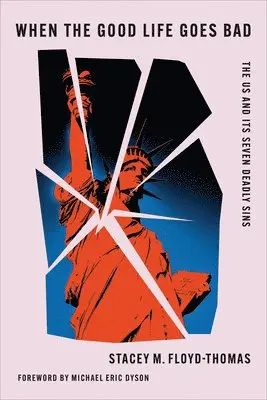
The Seven Deadly Sins have become the seven markers of success in America. Lust, pride, greed, sloth, envy, gluttony, wrath—these once-condemned principles now guide people's pursuit of the good life.Stacey M. Floyd-Thomas examines how the Seven Deadly Sins have shaped the moral strivings and sociopolitical condition of American society and culture in the twenty-first century. Drawing on a multidimensional approach, Floyd-Thomas uses race, gender, class, and other lenses to break down the moral crises that define the American Dream. Her critique exposes the harm done by individual and collective practices of sexual objectification, capitalist materialism, wealth inequality, and technological hubris before pivoting to the rise of right-wing populism, white Christian nationalism, and the politics of cruelty. But Floyd-Thomas also proposes an ethic that emphasizes truth-telling, community engagement, and values rooted in humility, justice, and mercy—a new path for the US to overcome systemic oppression and create a more just society.Evocative and ambitious, When the Good Life Goes Bad takes readers on a wide-ranging journey through US life and culture to explain what corrupted the American dream.
257 kr
Skickas inom 7-10 vardagar
The Seven Deadly Sins have become the seven markers of success in America. Lust, pride, greed, sloth, envy, gluttony, wrath—these once-condemned principles now guide people's pursuit of the good life.Stacey M. Floyd-Thomas examines how the Seven Deadly Sins have shaped the moral strivings and sociopolitical condition of American society and culture in the twenty-first century. Drawing on a multidimensional approach, Floyd-Thomas uses race, gender, class, and other lenses to break down the moral crises that define the American Dream. Her critique exposes the harm done by individual and collective practices of sexual objectification, capitalist materialism, wealth inequality, and technological hubris before pivoting to the rise of right-wing populism, white Christian nationalism, and the politics of cruelty. But Floyd-Thomas also proposes an ethic that emphasizes truth-telling, community engagement, and values rooted in humility, justice, and mercy—a new path for the US to overcome systemic oppression and create a more just society.Evocative and ambitious, When the Good Life Goes Bad takes readers on a wide-ranging journey through US life and culture to explain what corrupted the American dream.
377 kr
Skickas inom 3-6 vardagar
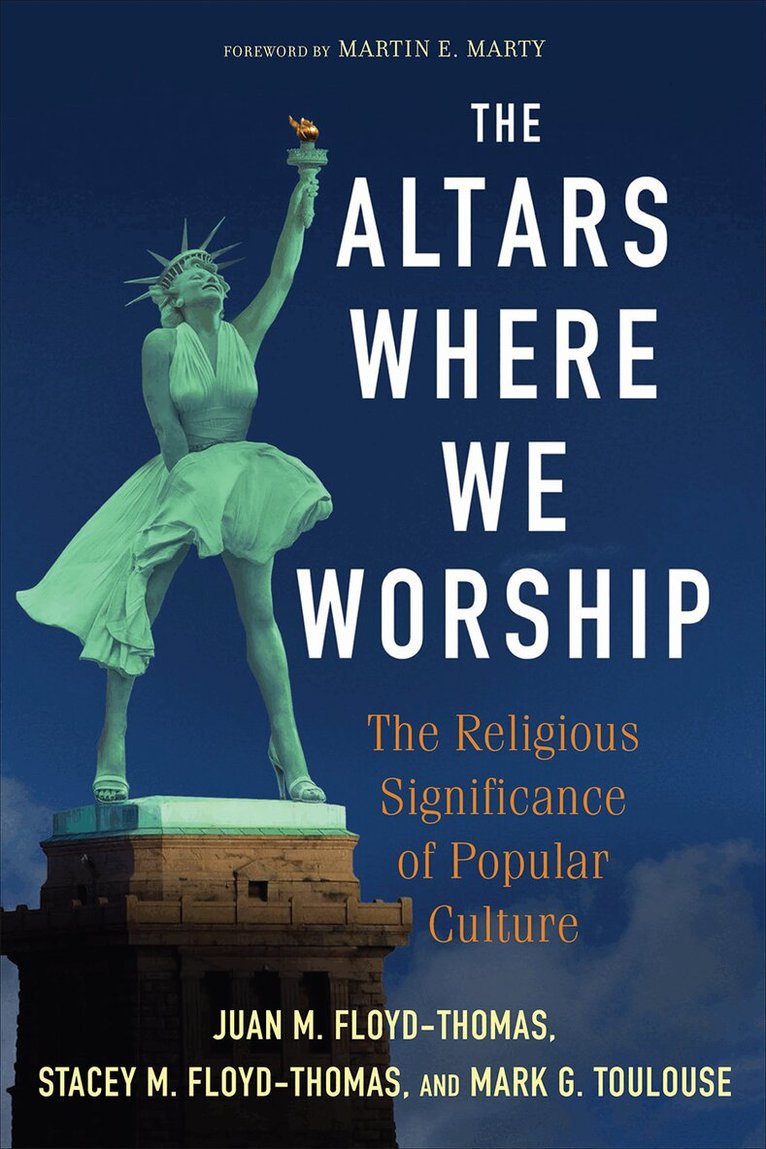
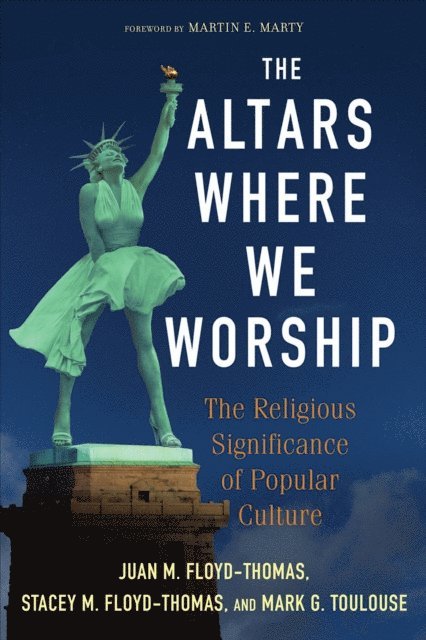
While a large percentage of Americans claim religious identity, the number of Americans attending traditional worship services has significantly declined in recent decades. Where, then, are Americans finding meaning in their lives, if not in the context of traditional religion? In this provocative study, the authors argue that the objects of our attention have become our god and fulfilling our desires has become our religion. They examine the religious dimensions of six specific aspects of American culturebody and sex, big business, entertainment, politics, sports, and science and technologythat function as “altars� where Americans gather to worship and produce meaning for their lives. The Altars Where We Worship shows how these secular altars provide resources for understanding the self, others, and the world itself. “For better or worse,� the authors write, “we are faced with the reality that human experiences before these altars contain religious characteristics in common with experiences before more traditional altars.� Readers will come away with a clearer understanding of what religion is after exploring the thoroughly religious aspects of popular culture in the United States.
488 kr
Skickas inom 3-6 vardagar
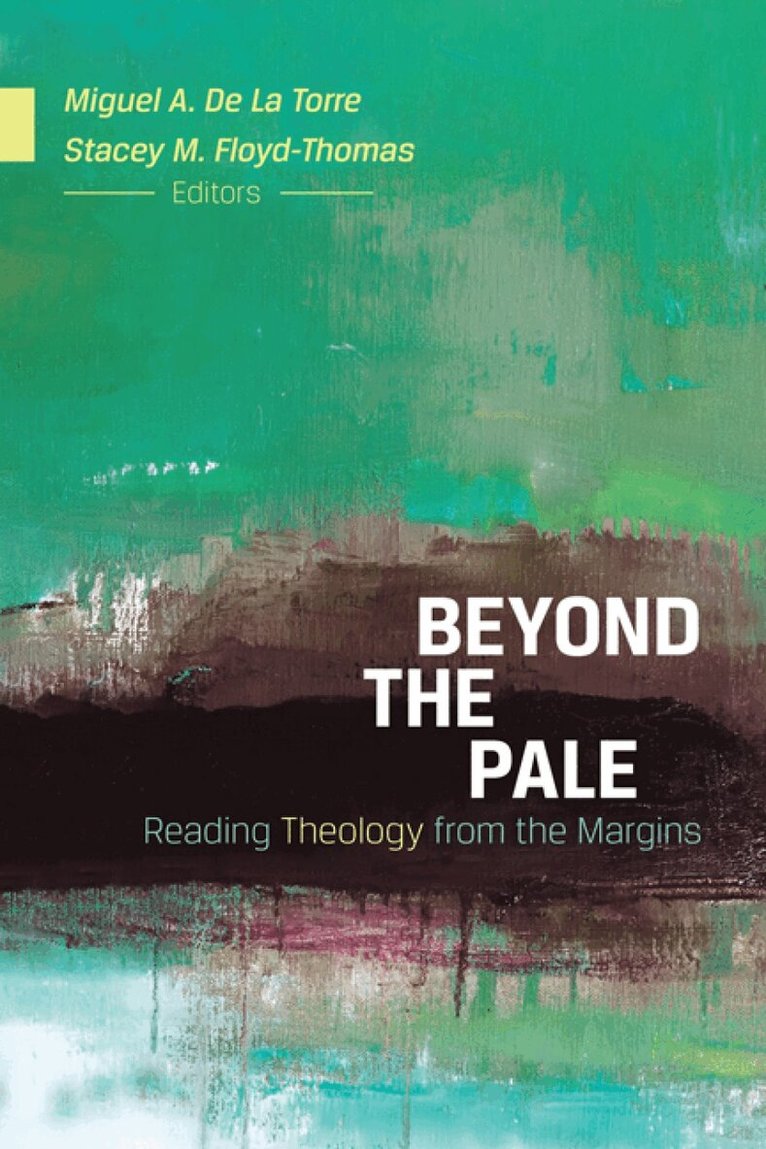
How should Origen, Anselm, Luther, Wesley, Kierkegaard, Barth, and Whitehead be read today, in light of postcolonial theory and twenty-first-century understandings? This book offers a reader-friendly introduction to liberation theology by having scholars "from the margins" explore how questions of race and gender should be brought to bear on thirty classic theologians. Each short chapter gives historical background for the thinker, describes that thinker's most important contributions, then raises issues of concern for women and persons of color.Contributors include Rita Nakashima Brock, Cheryl A. Kirk-Duggan, Harold J. Recinos, M. Shawn Copeland, Kwok Pui-Lan, Joerg Rieger, and many others.
462 kr
Skickas inom 3-6 vardagar
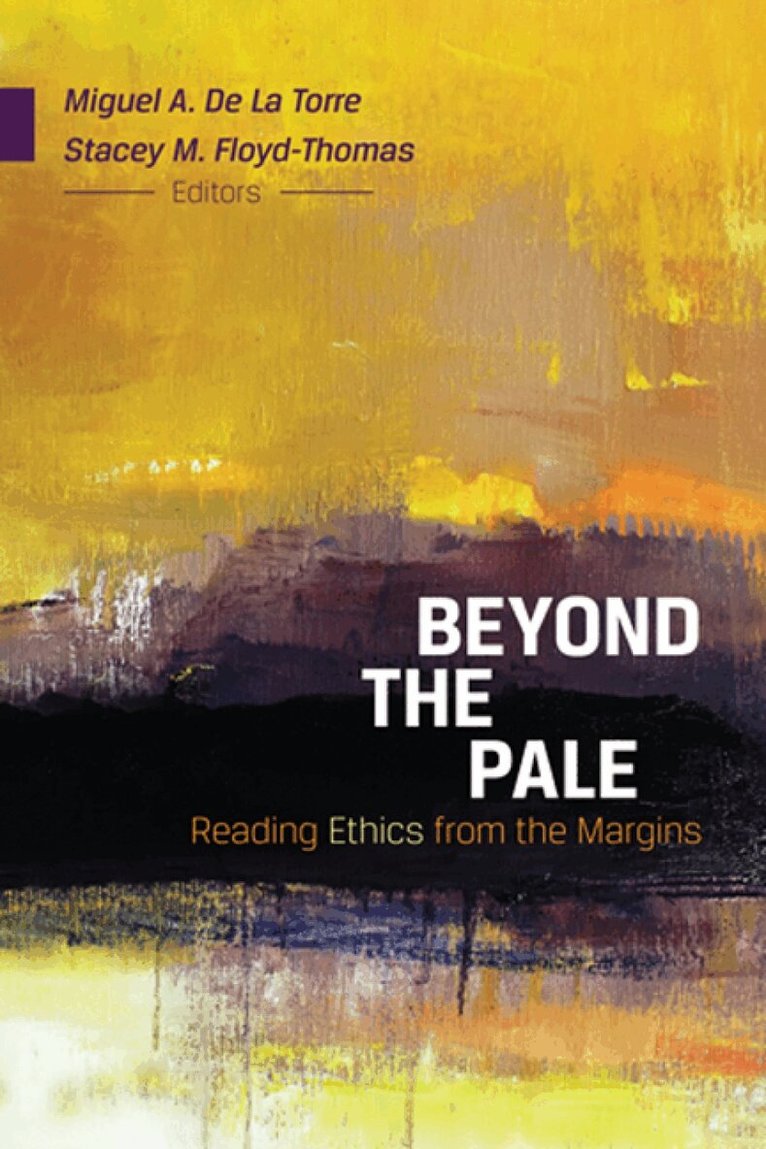
How should Augustine, Aquinas, Bonhoeffer, Kant, Nietzsche, and Plato be read today, in light of postcolonial theory and twenty-first-century understandings? This book offers a reader-friendly introduction to Christian liberationist ethics by having scholars "from the margins" explore how questions of race and gender should be brought to bear on twenty-four classic ethicists and philosophers. Each short chapter gives historical background for the thinker, describes that thinker's most important contributions, then raises issues of concern for women and persons of color.Contributors include George (Tink) Tinker, Asante U. Todd, Traci West, Darryl Trimiew, Ada MarÃa Isasi-DÃaz, Robyn Henderson-Espinoza, and many others.
914 kr
Skickas inom 10-15 vardagar
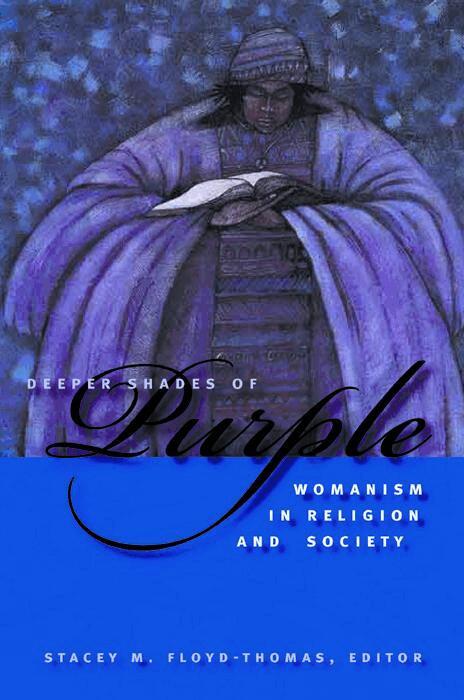
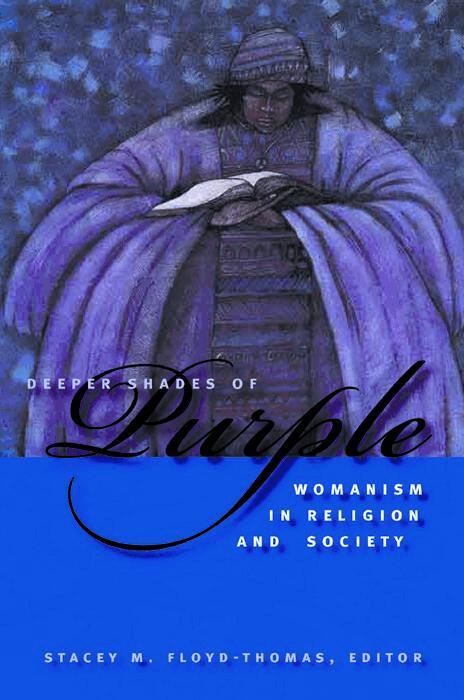
A collection of leading voices on the study of Black women in religious lifeWomanist approaches to the study of religion and society have contributed much to our understanding of Black religious life, activism, and women's liberation. Deeper Shades of Purple explores the achievements of this movement over the past two decades and evaluates some of the leading voices and different perspectives within this burgeoning field.Deeper Shades of Purple brings together a who's who of scholars in the study of Black women and religion who view their scholarship through a womanist critical lens. The contributors revisit Alice Walker's definition of womanism for its viability for the approaches to discourses in religion of Black women scholars. Whereas Walker has defined what it means to be womanist, these contributors define what it means to practice womanism, and illuminate how womanism has been used as a vantage point for the theoretical orientations and methodological approaches of Black women scholar-activists.Contributors: Karen Baker-Fletcher, Katie G. Cannon, M. Shawn Copeland, Kelly Brown Douglas, Carol B. Duncan, Stacey M. Floyd-Thomas, Rachel Elizabeth Harding, Rosemarie Freeney Harding, Melanie L. Harris, Diana L. Hayes, Dwight N. Hopkins, Ada María Isasi-Díaz, Cheryl A. Kirk-Duggan, Kwok Pui-Lan, Daisy L. Machado, Debra Majeed, Anthony B. Pinn, Rosetta Ross, Letty M. Russell, Shani Settles, Dianne M. Stewart, Raedorah Stewart-Dodd, Emilie M. Townes, Traci C. West, and Nancy Lynne Westfield.
401 kr
Skickas inom 7-10 vardagar
A collection of leading voices on the study of Black women in religious lifeWomanist approaches to the study of religion and society have contributed much to our understanding of Black religious life, activism, and women's liberation. Deeper Shades of Purple explores the achievements of this movement over the past two decades and evaluates some of the leading voices and different perspectives within this burgeoning field.Deeper Shades of Purple brings together a who's who of scholars in the study of Black women and religion who view their scholarship through a womanist critical lens. The contributors revisit Alice Walker's definition of womanism for its viability for the approaches to discourses in religion of Black women scholars. Whereas Walker has defined what it means to be womanist, these contributors define what it means to practice womanism, and illuminate how womanism has been used as a vantage point for the theoretical orientations and methodological approaches of Black women scholar-activists.Contributors: Karen Baker-Fletcher, Katie G. Cannon, M. Shawn Copeland, Kelly Brown Douglas, Carol B. Duncan, Stacey M. Floyd-Thomas, Rachel Elizabeth Harding, Rosemarie Freeney Harding, Melanie L. Harris, Diana L. Hayes, Dwight N. Hopkins, Ada María Isasi-Díaz, Cheryl A. Kirk-Duggan, Kwok Pui-Lan, Daisy L. Machado, Debra Majeed, Anthony B. Pinn, Rosetta Ross, Letty M. Russell, Shani Settles, Dianne M. Stewart, Raedorah Stewart-Dodd, Emilie M. Townes, Traci C. West, and Nancy Lynne Westfield.
914 kr
Skickas inom 10-15 vardagar
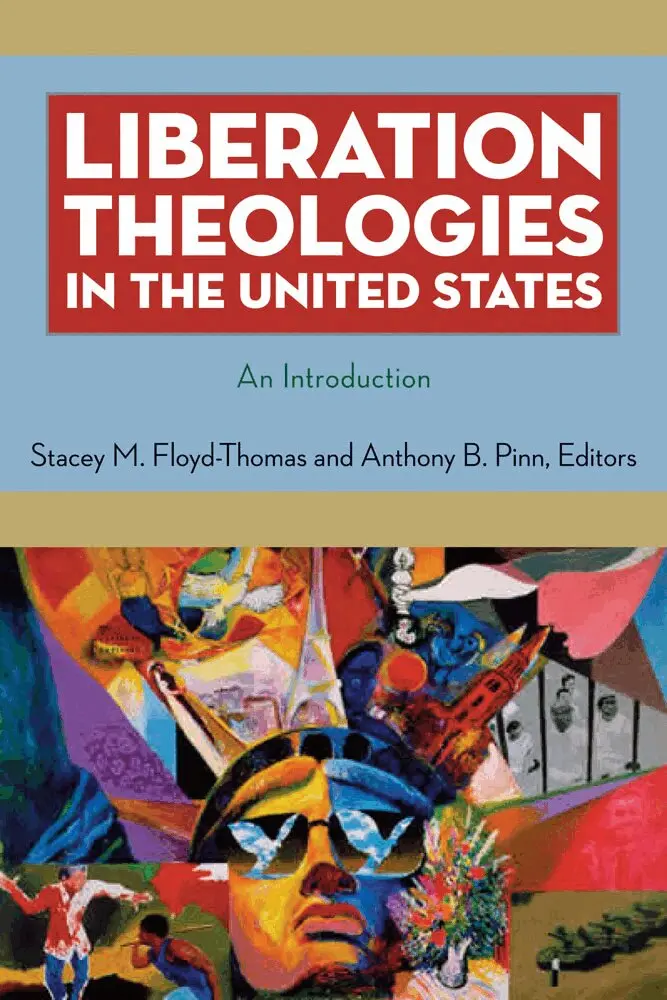
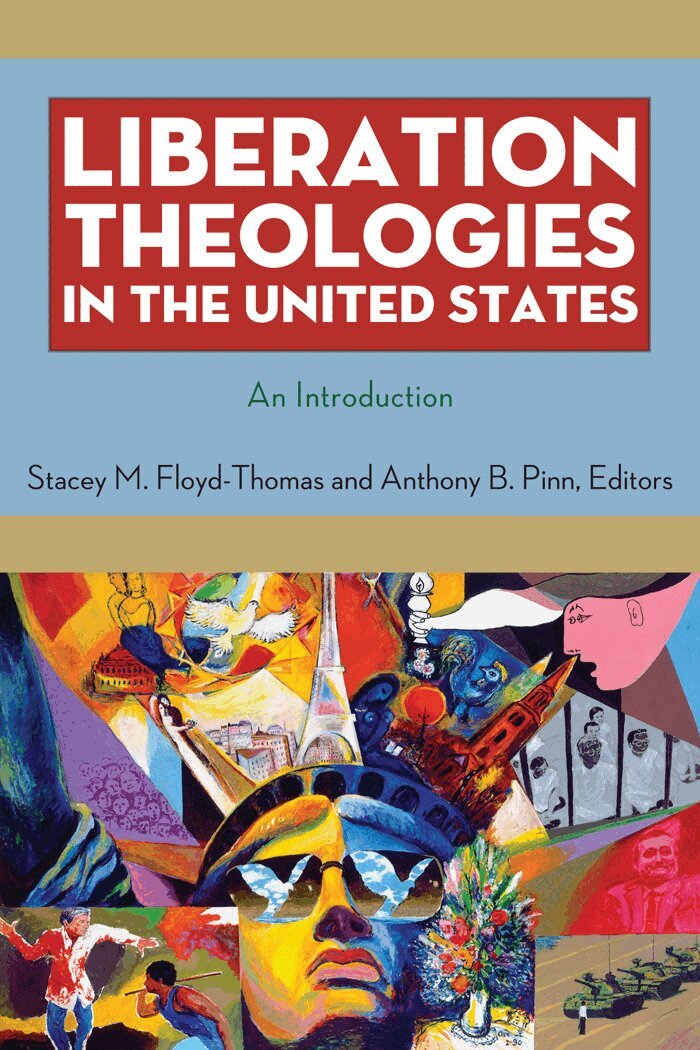
Demonstrates the critical use of religion to challenge oppression in the U.S.In the nascent United States, religion often functioned as a justifier of oppression. Yet while religious discourse buttressed such oppressive activities as slavery and the destruction of native populations, oppressed communities have also made use of religion to critique and challenge this abuse. As Liberation Theologies in the United States demonstrates, this critical use of religion has often taken the form of liberation theologies, which use primarily Christian principles to address questions of social justice, including racism, poverty, and other types of oppression.Stacey M. Floyd-Thomas and Anthony B. Pinn have brought together a stellar group of liberation theology scholars to provide a synthetic introduction to the historical development, context, theory, and goals of a range of U.S.-born liberation theologies. Chapters cover Black Theology, Womanist Theology, Latino/Hispanic Theology, Latina Theology, Asian American Theology, Asian American Feminist Theology, Native American Theology, Native Feminist Theology, Gay and Lesbian Theology, and Feminist Theology.Contributors: Grace Ji-Sun Kim, Mary McClintock Fulkerson, Nancy Pineda-Madrid, Robert Shore-Goss, Andrea Smith, Andrew Sung Park, George (Tink) Tinker, and Benjamin Valentin.
362 kr
Skickas inom 7-10 vardagar
Demonstrates the critical use of religion to challenge oppression in the U.S.In the nascent United States, religion often functioned as a justifier of oppression. Yet while religious discourse buttressed such oppressive activities as slavery and the destruction of native populations, oppressed communities have also made use of religion to critique and challenge this abuse. As Liberation Theologies in the United States demonstrates, this critical use of religion has often taken the form of liberation theologies, which use primarily Christian principles to address questions of social justice, including racism, poverty, and other types of oppression.Stacey M. Floyd-Thomas and Anthony B. Pinn have brought together a stellar group of liberation theology scholars to provide a synthetic introduction to the historical development, context, theory, and goals of a range of U.S.-born liberation theologies. Chapters cover Black Theology, Womanist Theology, Latino/Hispanic Theology, Latina Theology, Asian American Theology, Asian American Feminist Theology, Native American Theology, Native Feminist Theology, Gay and Lesbian Theology, and Feminist Theology.Contributors: Grace Ji-Sun Kim, Mary McClintock Fulkerson, Nancy Pineda-Madrid, Robert Shore-Goss, Andrea Smith, Andrew Sung Park, George (Tink) Tinker, and Benjamin Valentin.
954 kr
Skickas inom 10-15 vardagar
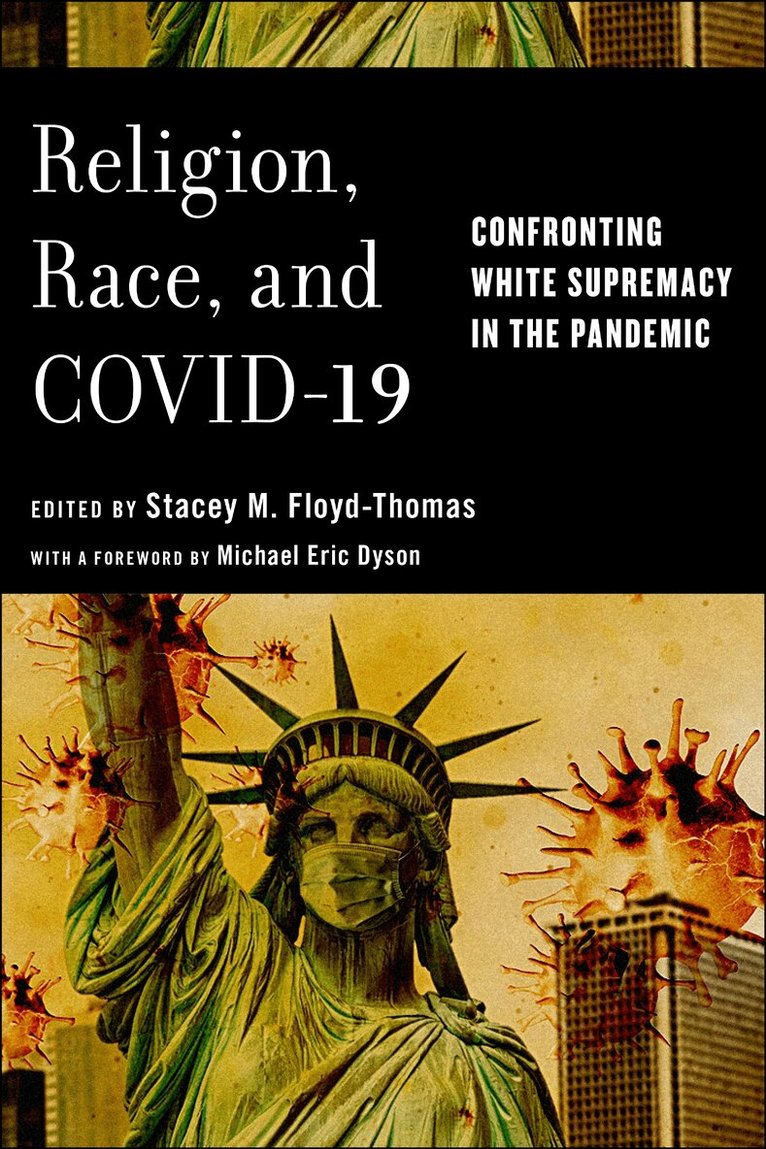
Examines how the dynamics emerging from the pandemic affect our most vulnerable populations and shape a new religious landscapeThe COVID-19 pandemic upset virtually every facet of society and, in many cases, exposed gross inequality and dysfunction. The particular dynamics emerging from the coronavirus pandemic have been felt most intensely by America's most vulnerable populations, who are disproportionately people of color and the working poor, the people whom the Bible refers to as "the least of these."This book makes the case that the pandemic was not just a medical phenomenon, or an economic or social one, but also a religious one. Religious practice has been altered in profound ways. Controversies around religious freedom have been re-ignited over debates concerning whether government can restrict church services. Christian white supremacists not only defied shelter in place orders, but found new ways to propagate racist attacks, with their White Christian identity fueling their reactions to the pandemic. Some religious leaders, including those in communities of color, saw the virus as an indicator of God's wrath, or as a divine test, and viewed altering their traditional practices to mitigate the virus's spread as a weakening of faith.Religion, Race, and COVID-19 argues that there is a religious hierarchy in US society that puts "the least of these" last while prioritizing those who benefit most from white privilege. Yet these vulnerable populations draw on theological and religious resources to contend with these existential threats. The volume shows how social transformation occurs when faith is both formed and informed during crises, offering compelling insight into the saliency and lasting impact of religiosity within human culture.
349 kr
Skickas inom 7-10 vardagar
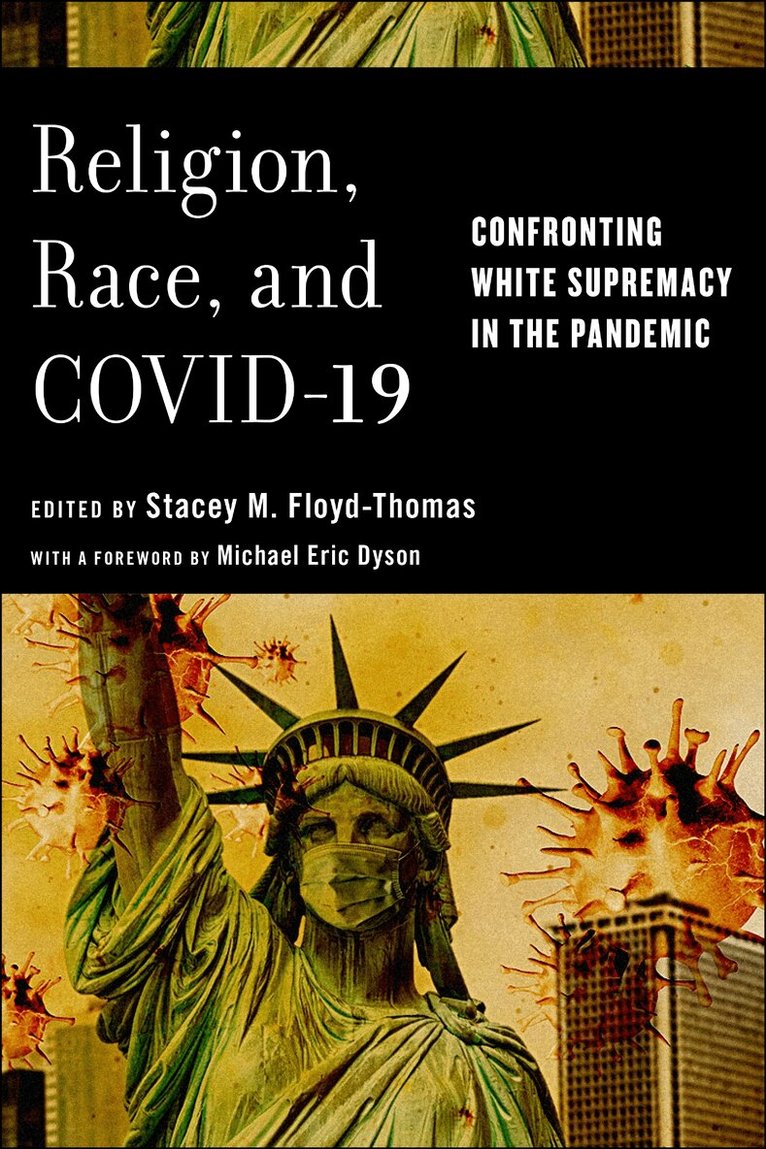
Examines how the dynamics emerging from the pandemic affect our most vulnerable populations and shape a new religious landscapeThe COVID-19 pandemic upset virtually every facet of society and, in many cases, exposed gross inequality and dysfunction. The particular dynamics emerging from the coronavirus pandemic have been felt most intensely by America's most vulnerable populations, who are disproportionately people of color and the working poor, the people whom the Bible refers to as "the least of these."This book makes the case that the pandemic was not just a medical phenomenon, or an economic or social one, but also a religious one. Religious practice has been altered in profound ways. Controversies around religious freedom have been re-ignited over debates concerning whether government can restrict church services. Christian white supremacists not only defied shelter in place orders, but found new ways to propagate racist attacks, with their White Christian identity fueling their reactions to the pandemic. Some religious leaders, including those in communities of color, saw the virus as an indicator of God's wrath, or as a divine test, and viewed altering their traditional practices to mitigate the virus's spread as a weakening of faith.Religion, Race, and COVID-19 argues that there is a religious hierarchy in US society that puts "the least of these" last while prioritizing those who benefit most from white privilege. Yet these vulnerable populations draw on theological and religious resources to contend with these existential threats. The volume shows how social transformation occurs when faith is both formed and informed during crises, offering compelling insight into the saliency and lasting impact of religiosity within human culture.