Stavros Tombazos – författare
Visar alla böcker från författaren Stavros Tombazos. Handla med fri frakt och snabb leverans.
3 produkter
3 produkter
Häftad, Engelska, 2015
341 kr
Skickas inom 5-8 vardagar
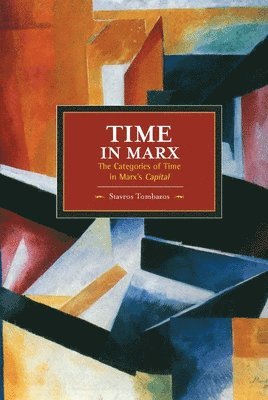
Demonstrates that the basic concepts of the three volumes of Capital come under different categories of time: time of production' in the first volume is linear, 'time of circulation' in the second is circular, while in the third volume 'organic time' is the unity of the two. Capitalist relations emerge as a definite organisation of social time that obeys its own intrinsic criteria and operates as an autonomous, social subject. Reading Capital from this perspective, it becomes possible to restore its dialectical (Hegelian) logic.'
Inbunden, Engelska, 2019
665 kr
Skickas inom 10-15 vardagar
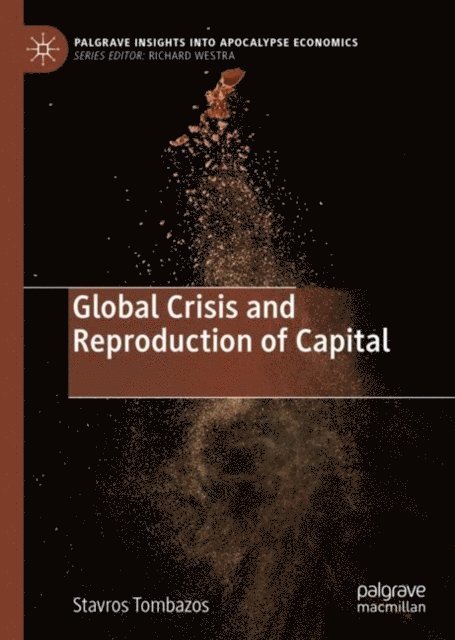
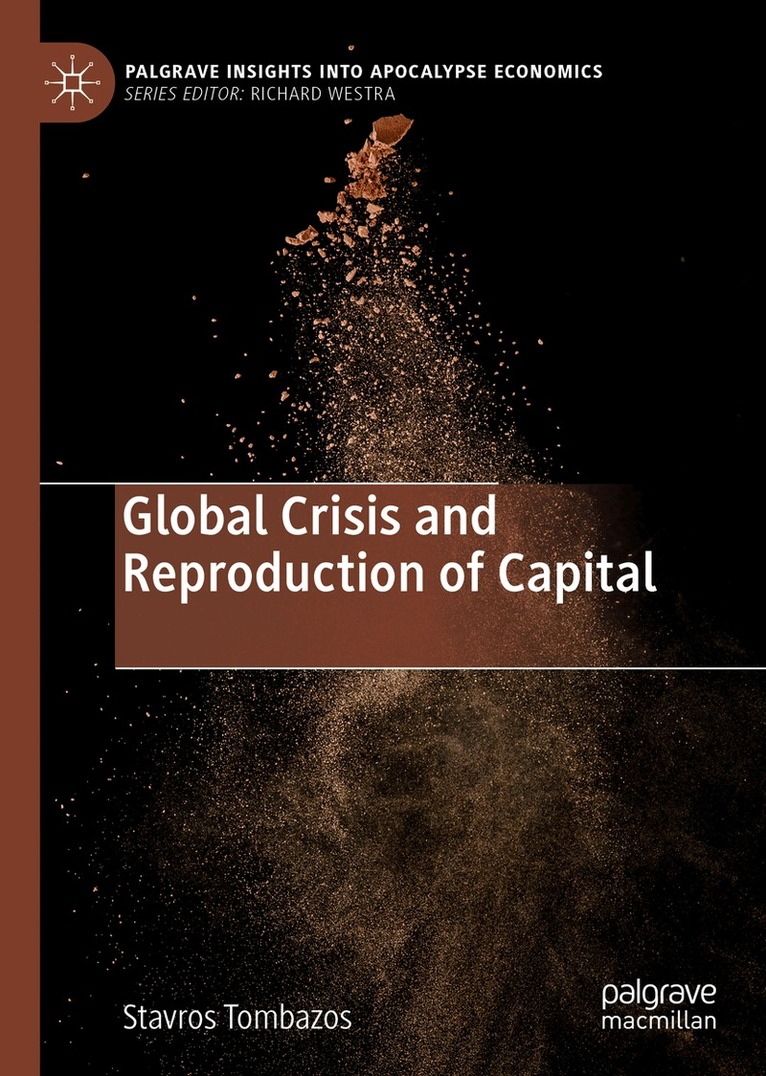
This Palgrave Pivot uses Marxian economic categories and analysis to explore the deeper causes of the 2008 global economic crisis, what the crisis represents for capitalism, and why fiscal and monetary policies pursued in its wake have failed to rejuvenate economies.With an innovative interpretation of the crisis and a focus on 'toxic capital’ – a sub-division of Karl Marx’s concept of fictitious capital – Tombazos examines the specificities of economic reproduction under neoliberalism and financialisation.
Del 61 - Historical Materialism Book Series
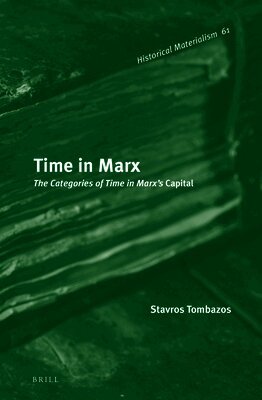
Time in Marx
The Categories of Time in Marx’s Capital
Inbunden, Engelska, 2013
2 983 kr
Skickas inom 3-6 vardagar
This book demonstrates that the basic concepts of the three volumes of Capital come under different categories of time: "time of production" in the first volume is linear, “time of circulation” in the second is circular, while in the third volume “organic time” is the unity of the two. Capitalist relations emerge as a definite organisation of social time that obeys its own intrinsic criteria and operates as an autonomous, social subject. Reading Capital from this perspective, it becomes possible to restore its dialectical (Hegelian) logic – not in order to reveal the “real” Marx, but as a means to contribute to the understanding of the real, capitalist world with its present-day fetishes, its explosive contradictions and its ever deeper crises.