Stefanie Hunt-Kennedy - Böcker
Visar alla böcker från författaren Stefanie Hunt-Kennedy. Handla med fri frakt och snabb leverans.
4 produkter
4 produkter
1 196 kr
Skickas inom 7-10 vardagar
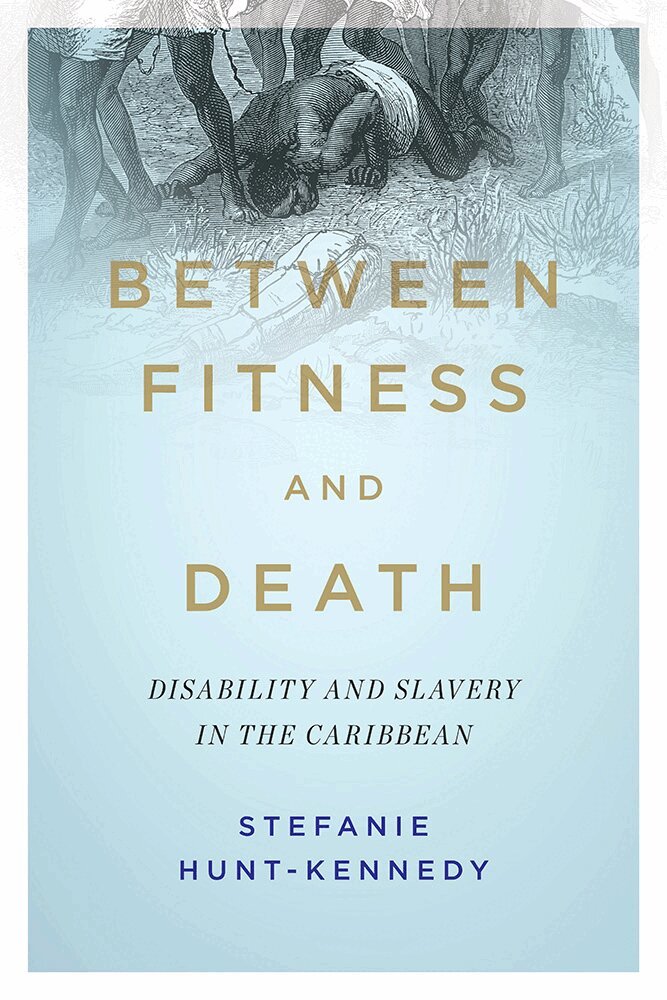
Long before the English became involved in the African slave trade, they imagined Africans as monstrous and deformed beings. The English drew on pre-existing European ideas about monstrosity and deformity to argue that Africans were a monstrous race, suspended between human and animal, and as such only fit for servitude. Joining blackness to disability transformed English ideas about defective bodies and minds. It also influenced understandings of race and ability even as it shaped the embodied reality of people enslaved in the British Caribbean. Stefanie Hunt-Kennedy provides a three-pronged analysis of disability in the context of Atlantic slavery. First, she examines the connections of enslavement and representations of disability and the parallel development of English anti-black racism. From there, she moves from realms of representation to reality in order to illuminate the physical, emotional, and psychological impairments inflicted by slavery and endured by the enslaved. Finally, she looks at slave law as a system of enforced disablement.Audacious and powerful, Between Fitness and Death is a groundbreaking journey into the entwined histories of racism and ableism.
1 358 kr
Skickas inom 7-10 vardagar
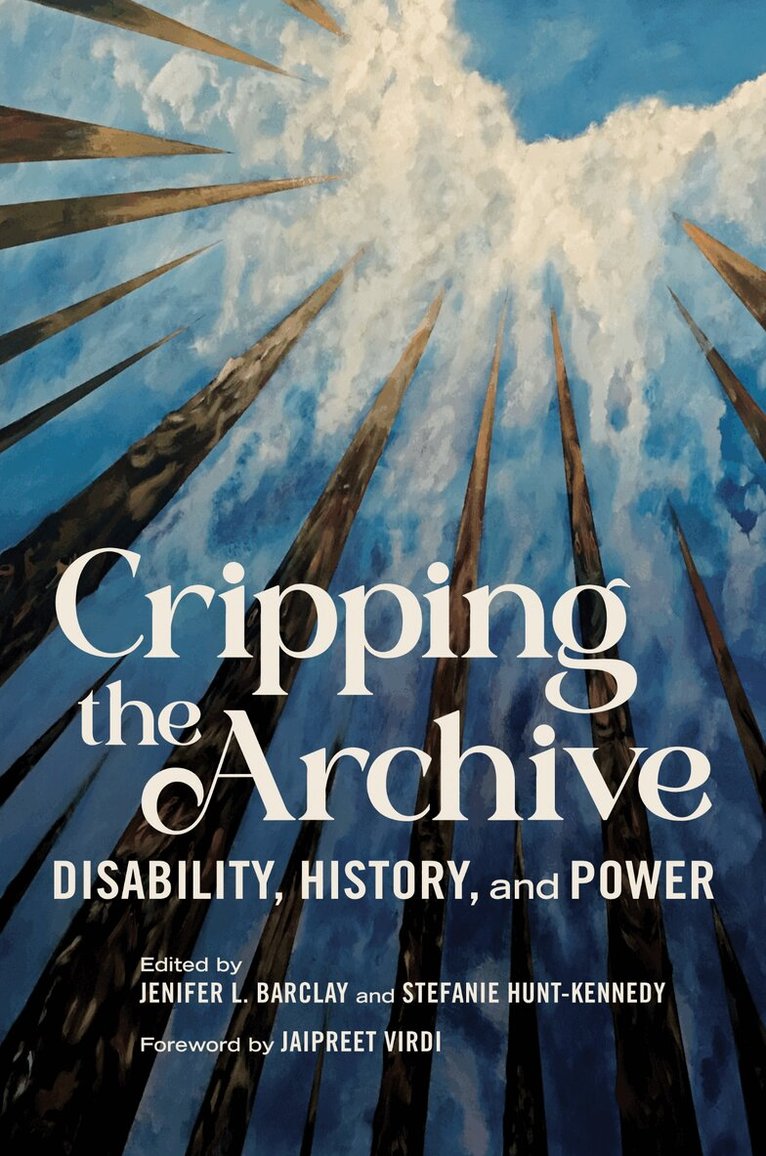
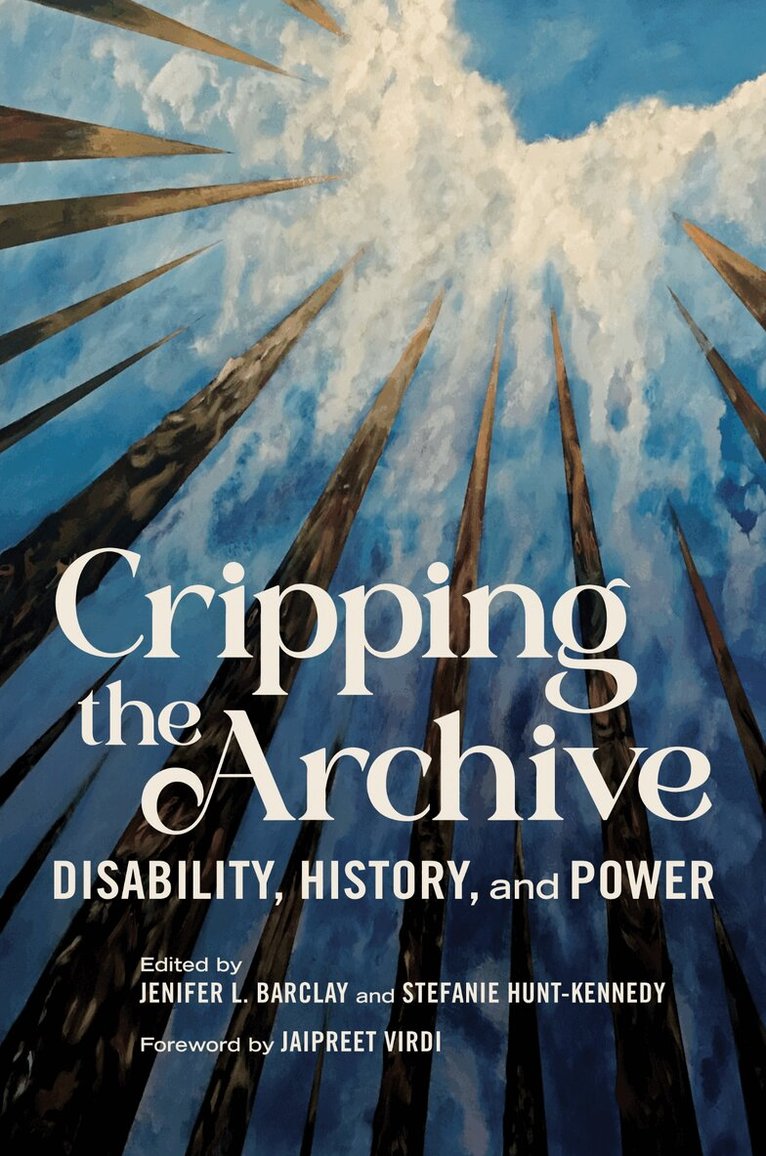
How do we explain the conspicuous absence of disability from the histories we write? What forces and factors create this dynamic? How can disability be everywhere and nowhere, present and absent, and obvious and overlooked in both the historical record and historians' interpretations of the past? Jenifer L. Barclay and Stefanie Hunt-Kennedy edit a collection of interdisciplinary essays that consider how and why physical, sensory, intellectual, and psychological disabilities are underrepresented, erased, or distorted in the historical record. The contributors draw on the methodology and practice of cripping to uncover disability in contested archives and explore ways to build inclusive archives accountable to, and centered on, disabled people and disability justice. Throughout, they show ableness informing the politics of the archive as a physical space, a discriminatory record, and a collection of silences. An essential contribution to research methods and disability justice, Cripping the Archive offers a blueprint for intersectional and interdisciplinary approaches that bridge disability studies, history, and archival studies.
291 kr
Skickas inom 7-10 vardagar
Long before the English became involved in the African slave trade, they imagined Africans as monstrous and deformed beings. The English drew on pre-existing European ideas about monstrosity and deformity to argue that Africans were a monstrous race, suspended between human and animal, and as such only fit for servitude. Joining blackness to disability transformed English ideas about defective bodies and minds. It also influenced understandings of race and ability even as it shaped the embodied reality of people enslaved in the British Caribbean. Stefanie Hunt-Kennedy provides a three-pronged analysis of disability in the context of Atlantic slavery. First, she examines the connections of enslavement and representations of disability and the parallel development of English anti-black racism. From there, she moves from realms of representation to reality in order to illuminate the physical, emotional, and psychological impairments inflicted by slavery and endured by the enslaved. Finally, she looks at slave law as a system of enforced disablement.Audacious and powerful, Between Fitness and Death is a groundbreaking journey into the entwined histories of racism and ableism.
302 kr
Skickas inom 7-10 vardagar
How do we explain the conspicuous absence of disability from the histories we write? What forces and factors create this dynamic? How can disability be everywhere and nowhere, present and absent, and obvious and overlooked in both the historical record and historians' interpretations of the past? Jenifer L. Barclay and Stefanie Hunt-Kennedy edit a collection of interdisciplinary essays that consider how and why physical, sensory, intellectual, and psychological disabilities are underrepresented, erased, or distorted in the historical record. The contributors draw on the methodology and practice of cripping to uncover disability in contested archives and explore ways to build inclusive archives accountable to, and centered on, disabled people and disability justice. Throughout, they show ableness informing the politics of the archive as a physical space, a discriminatory record, and a collection of silences. An essential contribution to research methods and disability justice, Cripping the Archive offers a blueprint for intersectional and interdisciplinary approaches that bridge disability studies, history, and archival studies.