Sten Jonsson – författare
Visar alla böcker från författaren Sten Jonsson. Handla med fri frakt och snabb leverans.
7 produkter
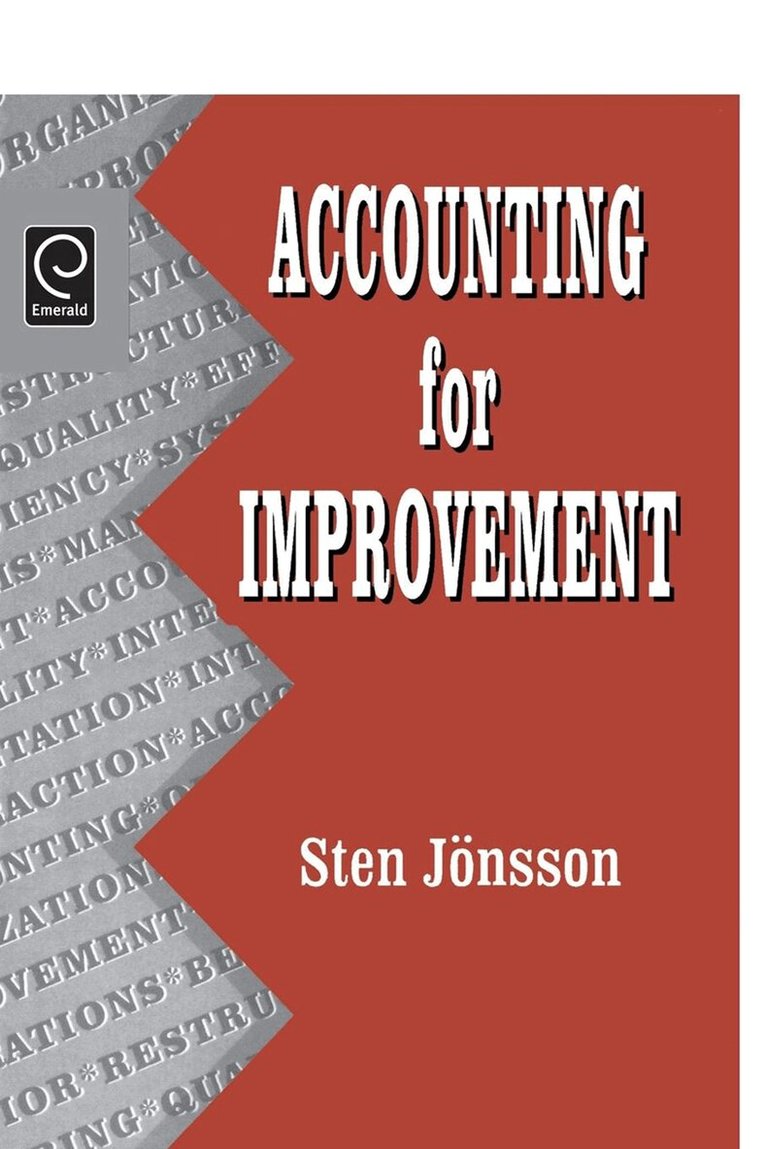
Accounting for Improvement
Av Sten Jonsson
Inbunden, 1996
853 kr
Lägg i varukorg
Accounting for Improvement offers concrete and constructive demonstrations of the possibilities of designing participative forms of organization. Field experiment cases illustrate how the operational level can assume a new significance in competitiveness and strategic positioning. In this way, the …
Accounting for Improvement
Av Sten Jonsson
Häftad, 2004
1091 kr
Lägg i varukorg
"Accounting for Improvement" offers concrete and constructive demonstrations of the possibilities of designing participative forms of organization. Field experiment cases illustrate how the operational level can assume a new significance in competitiveness and strategic positioning. In this way, …
Accounting for Improvement
Av Sten Jonsson
E-bok, 1996
1041 kr
Lägg i varukorg
Accounting for Improvement offers concrete and constructive demonstrations of the possibilities of designing participative forms of organization. Field experiment cases illustrate how the operational level can assume a new significance in competitiveness and strategic positioning. In this way, the …
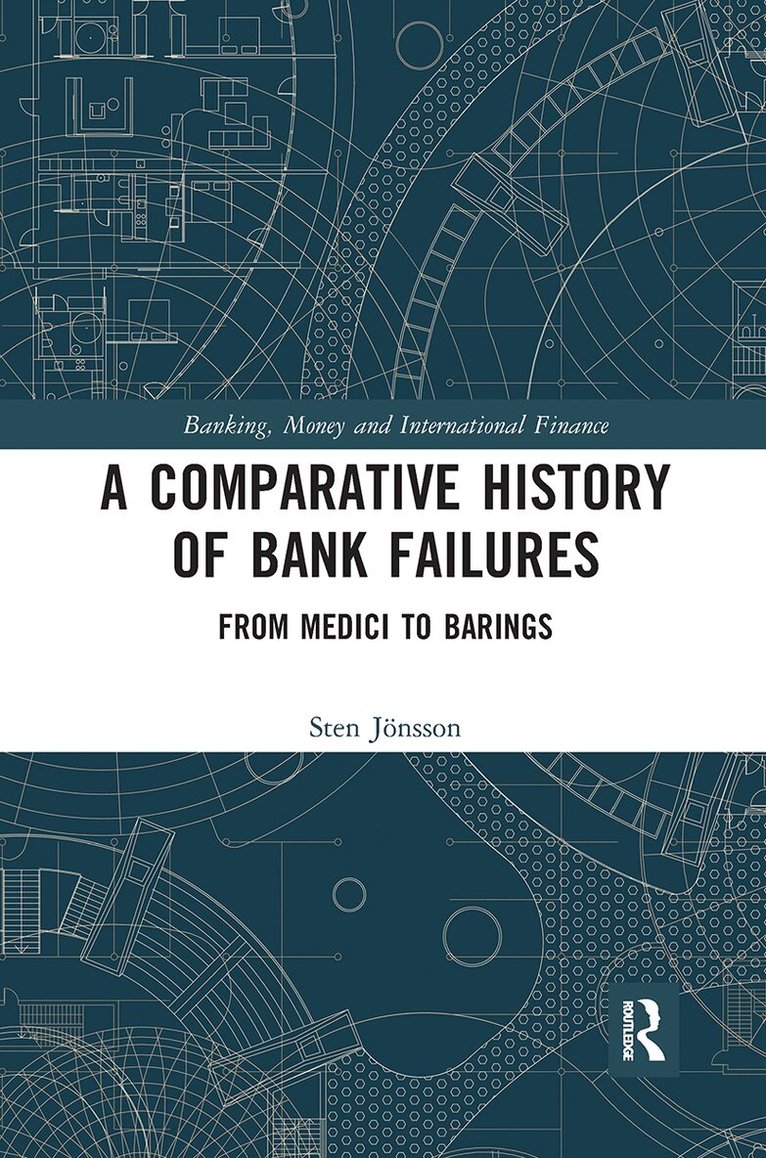
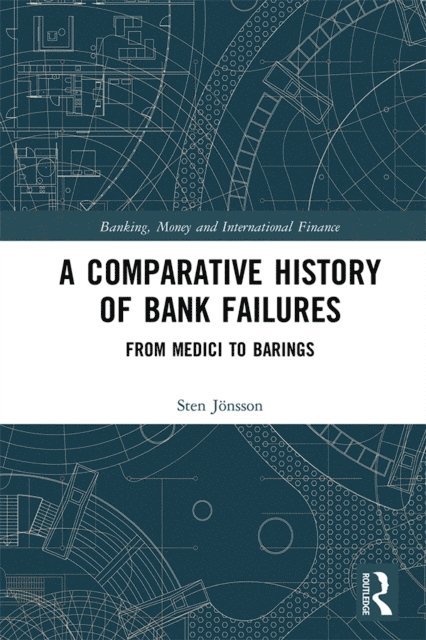
Comparative History of Bank Failures
From Medici to Barings
Av Sten Jonsson
Inbunden, 2019
2588 kr
Lägg i varukorg
Starting with Medici and Fugger and ending with Barings and Royal Bank of Scotland under neo-liberal de-regulation, the author gives an account of how a number of banks failed over a 500 year-period. The author offers an explanation of the leading ideas about the world and good society at the time, …
Comparative History of Bank Failures
From Medici to Barings
Av Sten Jonsson
Häftad, 2020
742 kr
Lägg i varukorg
Starting with Medici and Fugger and ending with Barings and Royal Bank of Scotland under neo-liberal de-regulation, the author gives an account of how a number of banks failed over a 500 year-period. The author offers an explanation of the leading ideas about the world and good society at the time, …
Comparative History of Bank Failures
From Medici to Barings
Av Sten Jonsson
E-bok, 2019
855 kr
Lägg i varukorg
Starting with Medici and Fugger and ending with Barings and Royal Bank of Scotland under neo-liberal de-regulation, the author gives an account of how a number of banks failed over a 500 year-period. The author offers an explanation of the leading ideas about the world and good society at the time, …
Comparative History of Bank Failures
From Medici to Barings
Av Sten Jonsson
E-bok, 2019
855 kr
Lägg i varukorg
Starting with Medici and Fugger and ending with Barings and Royal Bank of Scotland under neo-liberal de-regulation, the author gives an account of how a number of banks failed over a 500 year-period. The author offers an explanation of the leading ideas about the world and good society at the time, …