Stephan Kemperdick - Böcker
Visar alla böcker från författaren Stephan Kemperdick. Handla med fri frakt och snabb leverans.
9 produkter
9 produkter
462 kr
Skickas inom 5-8 vardagar
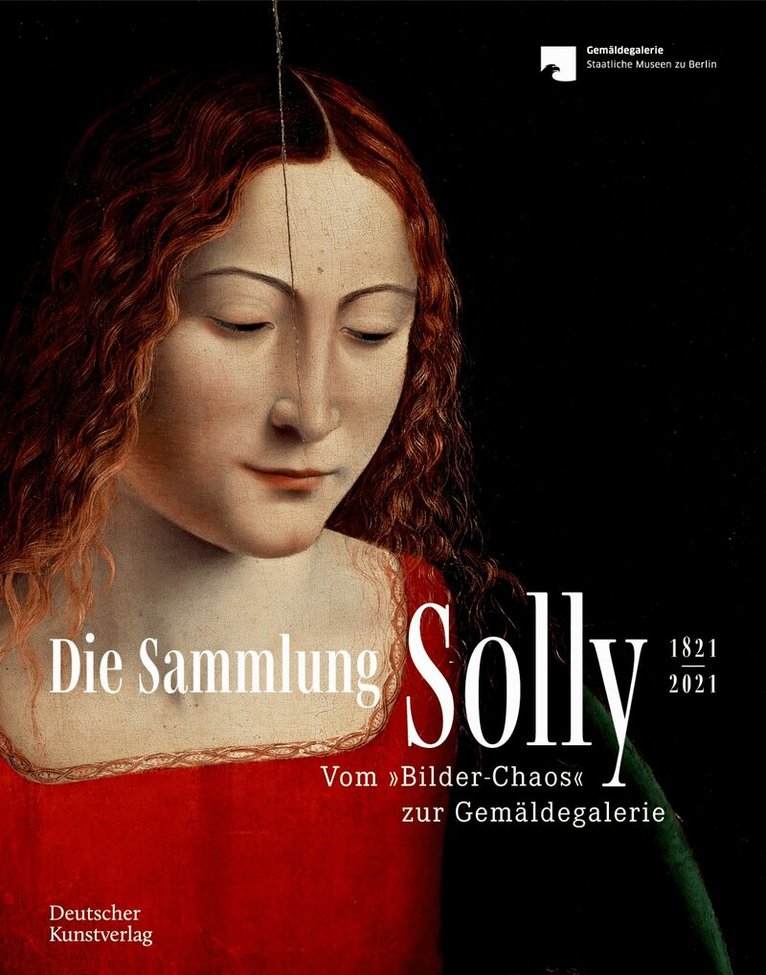
Der Grundstein für eine öffentliche Kunstsammlung von Weltrang in Berlin wurde 82 gelegt: Damals erwarb der preußische Staat für das zu gründende Berliner Museum die Gemäldesammlung des Kaufmanns Edward Solly ( 77 - 844). Dieser kosmopolitische Kunstfreund brachte in Berlin zwischen 8 5 und 82 Tausende Gemälde vor allem aus Italien, Deutschland und den Niederlanden zusammen, viele stammten von bis dahin kaum bekannten, seitdem und bis heute aber hochgeschätzten Künstlern. Die Ausstellung und der begleitende Katalog stellen Meisterwerke, Wiederentdeckungen und „historische Merkwürdigkeiten" in einem repräsentativen Querschnitt vor und eröffnen den Blick in eine Zeit, die einerseits unsere Vorstellungen von Kunst und Museen prägte, andererseits doch so ganz anders auf die Werke blickte, als wir es heute tun. Detaillierte Einblicke in die Geschichte der Berliner Gemäldegalerie Ausstellung: Gemäldegalerie, Berlin, 2 22 Künstler u. a.: Wilhelm Hensel, Meister der Dossali Veneziani, Puccio di Simone, Giotto, Meister des San Niccolò-Altares, Domenico und Davide Ghirlandaio, Raffael, Girolamo Figino, Johannes Hispanus, Girolamo Romanino, Giovanni Battista Benvenuti, Goossen van der Weyden, Hans Holbein der Jüngere, Hans Maler, Ambrosius Benson, Jan Gossart, Rembrandt, Cornelis Cornelisz van Haarlem, Gian Domenico Cerrini
328 kr
Skickas inom 3-6 vardagar
1 047 kr
Skickas inom 3-6 vardagar
1 047 kr
Skickas inom 3-6 vardagar
276 kr
Skickas inom 3-6 vardagar
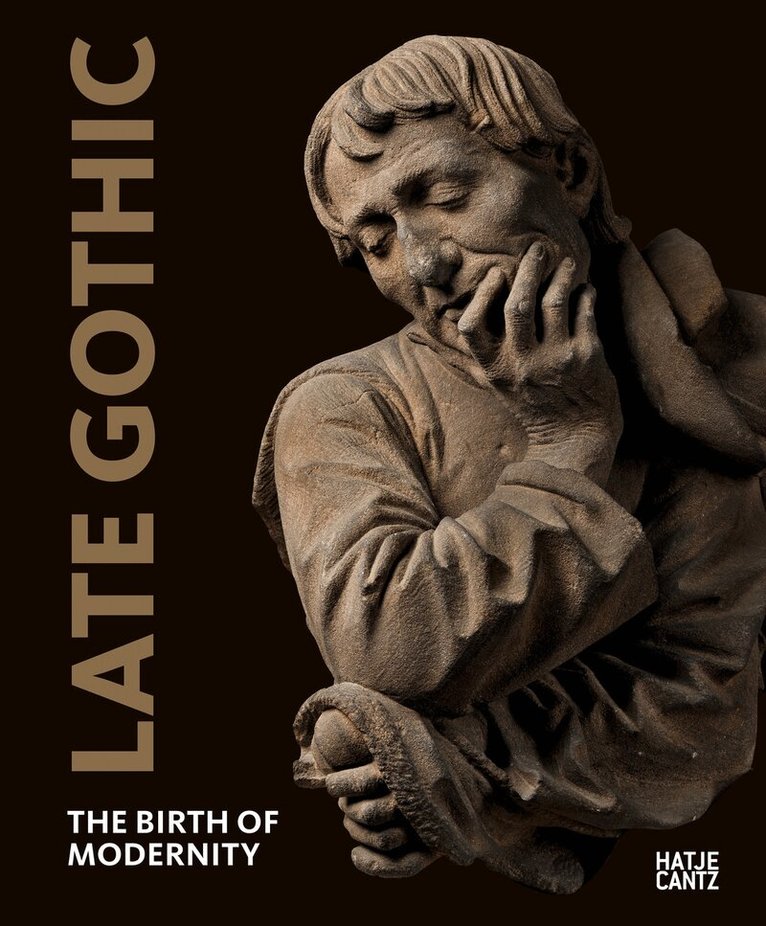
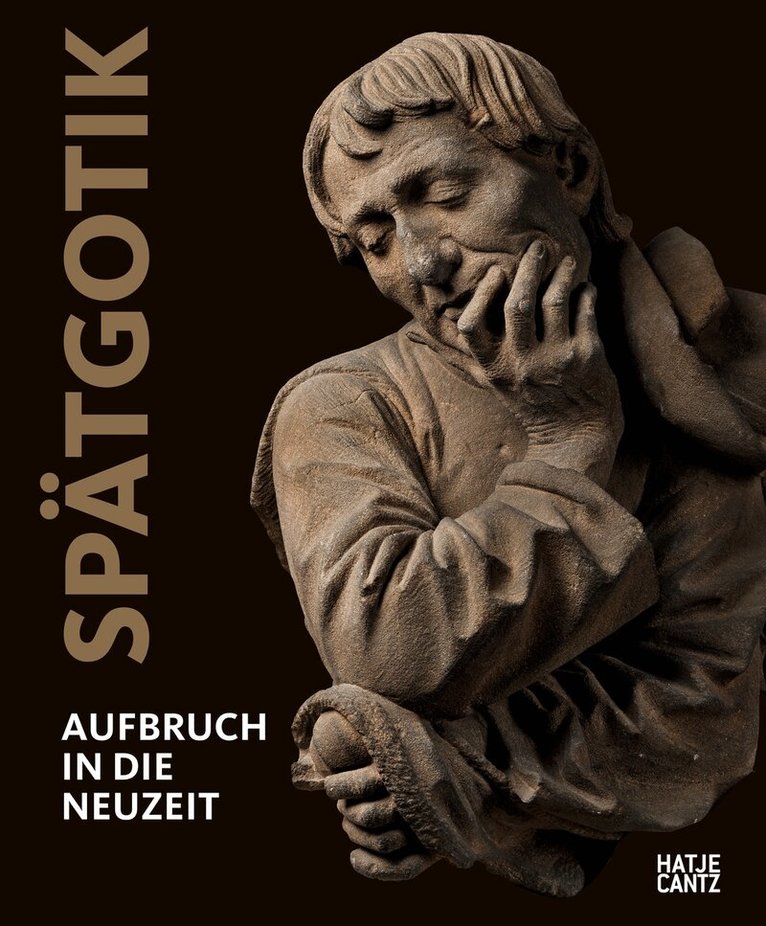
Hardly any other epoch in art history has been marked by as many profound changes as the Late Gothic was in the fifteenth century. Inspired by Netherlandish role models, depictions of light and shadow, body and space, became increasingly more realistic. Everyday life found entry into the arts. With the invention of printing, images and texts were distributed to an extent previously unheard of. Artists such as Nicolaus Gerhaert and Martin Schongauer became widely known and influenced the development of the visual arts throughout Europe and across all genres. Featuring a wide selection of works, the Staatliche Museen zu Berlin present the first extensive exhibition of Late Gothic art in the German-speaking regions. Its comparison and contrast of the various genres turns the catalogue into a handbook for the arts at the threshold of the modern era.
203 kr
Skickas inom 7-10 vardagar
Hardly any other epoch in art history has been marked by as many profound changes as the Late Gothic was in the fifteenth century. Inspired by Netherlandish role models, depictions of light and shadow, body and space, became increasingly more realistic. Everyday life found entry into the arts. With the invention of printing, images and texts were distributed to an extent previously unheard of. Artists such as Nicolaus Gerhaert and Martin Schongauer became widely known and influenced the development of the visual arts throughout Europe and across all genres. Featuring a wide selection of works, the Staatliche Museen zu Berlin present the first extensive exhibition of Late Gothic art in the German-speaking regions. Its comparison and contrast of the various genres turns the catalogue into a handbook for the arts at the threshold of the modern era.
660 kr
Skickas inom 3-6 vardagar
429 kr
Skickas inom 7-10 vardagar
521 kr
Skickas inom 7-10 vardagar
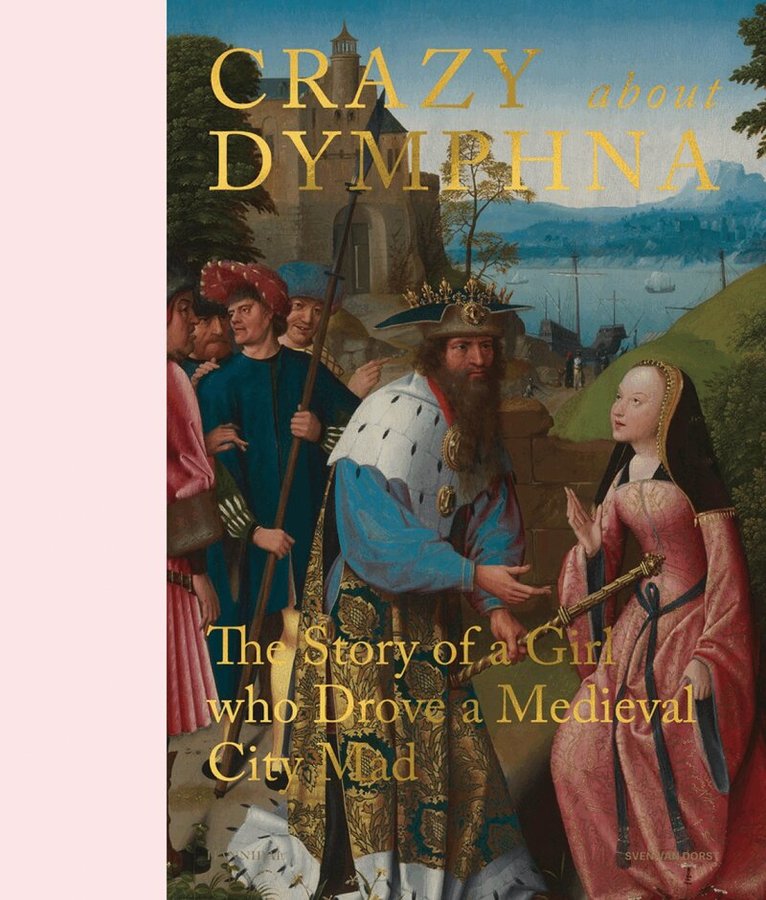
Around 1505 Goossen Van der Weyden, Rogier's grandson, painted a monumental altarpiece depicting the variousphases of Saint Dymphna's insane life.This Irish princess, who fled her incestuous father in the sixth century, was beheaded in the Kempen village of Geel. On account of her tragic end and uncompromising chastity, the princess was venerated from that moment on as the patron saint of the mentally ill. From the late Middle Ages, pilgrims flocked to Geel in large numbers to catch a glimpse of Saint Dymphna. They paid homage to the local celebrity in the hope that she would alleviate theirmental problems. To this day, Geel is known for its unique treatment ofthe mentally ill, who are cared for at home by locals.Goossen Van der Weyden's altarpiece came into being at the height of Dymphna's popularity. The masterpiece was intended for the church of Tongerlo Abbey. Today this work is characterised by a remarkable iconography and an eventful history: a panel was lost and the triptych was even sawn into pieces. It ultimately came into the hands of a team of specialists from Belgium and abroad who subjected the altarpiece to a meticulous conservation over a period of three years, a colossal undertaking duringwhich new techniques were used. This gave the conservators unprecedented insight into the mind, and workshop, of an early 16th century painter.This richly illustrated book is the result of years of research and contains essays by Till-Holger Borchert (Musea Brugge), Stephan Kemperdick (Gemäldegalerie, Staatliche Museen, Berlin),Katharina Van Cauteren (The Phoebus Foundation, Antwerp), Lucinda Timmermans (Rijksmuseum, Amsterdam), Patrick Allegaert (Dr. Guislain Museum, Ghent) and many others.