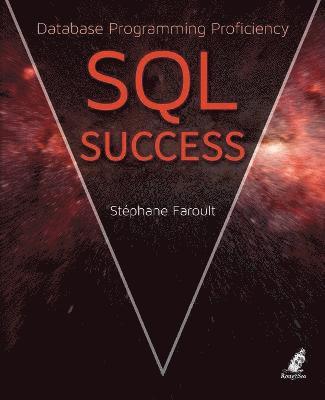
Stephane Faroult – författare
416 kr
Skickas inom 5-8 vardagar
390 kr
Läs direkt efter köp
What can you do when database performance doesn''t meet expectations? Before you turn to expensive hardware upgrades to solve the problem, reach for this book. Refactoring SQL Applications provides a set of tested options for making code modifications to dramatically improve the way your database applications function. Backed by real-world examples, you''ll find quick fixes for simple problems, in-depth answers for more complex situations, and complete solutions for applications with extensive problems. Learn to:
Determine if and where you can expect performance gainsApply quick fixes, such as limiting calls to the database in stored functions and proceduresRefactor tasks, such as replacing application code by a stored procedure, or replacing iterative, procedural statements with sweeping SQL statementsRefactor flow by increasing parallelism and switching business-inducted processing from synchronous to asynchronousRefactor design using schema extensions, regular views, materialized views, partitioning, and moreCompare before and after versions of a program to ensure you get the same results once you make modificationsRefactoring SQL Applications teaches you to recognize and assess code that needs refactoring, and to understand the crucial link between refactoring and performance. If and when your application bogs down, this book will help you get it back up to speed.
443 kr
Läs direkt efter köp
For all the buzz about trendy IT techniques, data processing is still at the core of our systems, especially now that enterprises all over the world are confronted with exploding volumes of data. Database performance has become a major headache, and most IT departments believe that developers should provide simple SQL code to solve immediate problems and let DBAs tune any "bad SQL" later.
In The Art of SQL, author and SQL expert Stephane Faroult argues that this "safe approach" only leads to disaster. His insightful book, named after Art of War by Sun Tzu, contends that writing quick inefficient code is sweeping the dirt under the rug. SQL code may run for 5 to 10 years, surviving several major releases of the database management system and on several generations of hardware. The code must be fast and sound from the start, and that requires a firm understanding of SQL and relational theory.
The Art of SQL offers best practices that teach experienced SQL users to focus on strategy rather than specifics. Faroult''s approach takes a page from Sun Tzu''s classic treatise by viewing database design as a military campaign. You need knowledge, skills, and talent. Talent can''t be taught, but every strategist from Sun Tzu to modern-day generals believed that it can be nurtured through the experience of others. They passed on their experience acquired in the field through basic principles that served as guiding stars amid the sound and fury of battle. This is what Faroult does with SQL.
Like a successful battle plan, good architectural choices are based on contingencies. What if the volume of this or that table increases unexpectedly? What if, following a merger, the number of users doubles? What if you want to keep several years of data online? Faroult''s way of looking at SQL performance may be unconventional and unique, but he''s deadly serious about writing good SQL and using SQL well. The Art of SQL is not a cookbook, listing problems and giving recipes. The aim is to get you-and your manager-to raise good questions.
342 kr
Skickas inom 5-8 vardagar
428 kr
Läs direkt efter köp
What can you do when database performance doesn''t meet expectations? Before you turn to expensive hardware upgrades to solve the problem, reach for this book. Refactoring SQL Applications provides a set of tested options for making code modifications to dramatically improve the way your database applications function. Backed by real-world examples, you''ll find quick fixes for simple problems, in-depth answers for more complex situations, and complete solutions for applications with extensive problems. Learn to:
Determine if and where you can expect performance gainsApply quick fixes, such as limiting calls to the database in stored functions and proceduresRefactor tasks, such as replacing application code by a stored procedure, or replacing iterative, procedural statements with sweeping SQL statementsRefactor flow by increasing parallelism and switching business-inducted processing from synchronous to asynchronousRefactor design using schema extensions, regular views, materialized views, partitioning, and moreCompare before and after versions of a program to ensure you get the same results once you make modificationsRefactoring SQL Applications teaches you to recognize and assess code that needs refactoring, and to understand the crucial link between refactoring and performance. If and when your application bogs down, this book will help you get it back up to speed.
367 kr
Läs direkt efter köp
For all the buzz about trendy IT techniques, data processing is still at the core of our systems, especially now that enterprises all over the world are confronted with exploding volumes of data. Database performance has become a major headache, and most IT departments believe that developers should provide simple SQL code to solve immediate problems and let DBAs tune any "bad SQL" later.
In The Art of SQL, author and SQL expert Stephane Faroult argues that this "safe approach" only leads to disaster. His insightful book, named after Art of War by Sun Tzu, contends that writing quick inefficient code is sweeping the dirt under the rug. SQL code may run for 5 to 10 years, surviving several major releases of the database management system and on several generations of hardware. The code must be fast and sound from the start, and that requires a firm understanding of SQL and relational theory.
The Art of SQL offers best practices that teach experienced SQL users to focus on strategy rather than specifics. Faroult''s approach takes a page from Sun Tzu''s classic treatise by viewing database design as a military campaign. You need knowledge, skills, and talent. Talent can''t be taught, but every strategist from Sun Tzu to modern-day generals believed that it can be nurtured through the experience of others. They passed on their experience acquired in the field through basic principles that served as guiding stars amid the sound and fury of battle. This is what Faroult does with SQL.
Like a successful battle plan, good architectural choices are based on contingencies. What if the volume of this or that table increases unexpectedly? What if, following a merger, the number of users doubles? What if you want to keep several years of data online? Faroult''s way of looking at SQL performance may be unconventional and unique, but he''s deadly serious about writing good SQL and using SQL well. The Art of SQL is not a cookbook, listing problems and giving recipes. The aim is to get you-and your manager-to raise good questions.
331 kr
Skickas inom 10-15 vardagar
443 kr
Läs direkt efter köp
Create memorable presentations on technical and complex topics in slideware such as Microsoft PowerPoint and Apple’s Keynote for Mac. Learn good pacing and rhythm as well as judicious use of special effects.
Whether the goal is to help a sale or to educate, and whether the final delivery is a live presentation, a webinar, or a short video presentation, this book focuses on the particular difficulties linked to technical presentations. You will learn to create a story when there is none, gain the interest of an audience who may not feel as strongly for the topic as the speaker does, turn abstract concepts into visual models, overcome the limitations of the medium (limited space, two dimensions), maintain interest through rhythm, and use effects, not to look cool or get that "WOW" moment, but to serve the message.
Getting The Message Across presents a number of field-tested ideas for raising interest. The use of various techniques and carefulscripting will help you, even if you aren''t a natural-born show-person, to communicate effectively, and to make your audience remember your message, and not necessarily your slides. This book will teach you:
Rhythm and animations, and the use of transitionsTo hold audience interest even with "dry" topicsTo create memorable presentationsTechniques useful for PowerPoint, Keynote for Mac, and any similar presentation medium or environmentWhat You Will LearnTurn austere topics into interesting stories.Give rhythm and pacing to your presentations.Build a narrative during transitions and animations.Hold audience interest and make listeners feel clever.Make people remember your presentation rather than your cool use of slideware.Who This Book Is ForPeople who have to communicate effectively on strongly technical topics. This book targets educators and trainers as well as technical consultants who need to present complex solutions to customers or leads, as well as would-be speakers at scientific or technical conferences. Getting The Message Across is a book for people who want to make their presentations not only more attractive, but really memorable. It is for people who aren''t looking for a standing ovation, but who are willing to do what they can to be understood and to make their messages remembered. Getting The Message Across focuses on using slideware such as PowerPoint and Keynote. Such slideware, for all its flaws, is still one of the best ways to communicate, not only live, but also in dematerialized communications (webinars, video tutorials) for reaching an ever-growing audience.514 kr
Skickas inom 5-8 vardagar