Stéphane Van Damme – författare
Visar alla böcker från författaren Stéphane Van Damme. Handla med fri frakt och snabb leverans.
3 produkter
3 produkter
Häftad, Engelska, 2018
1 862 kr
Skickas inom 5-8 vardagar
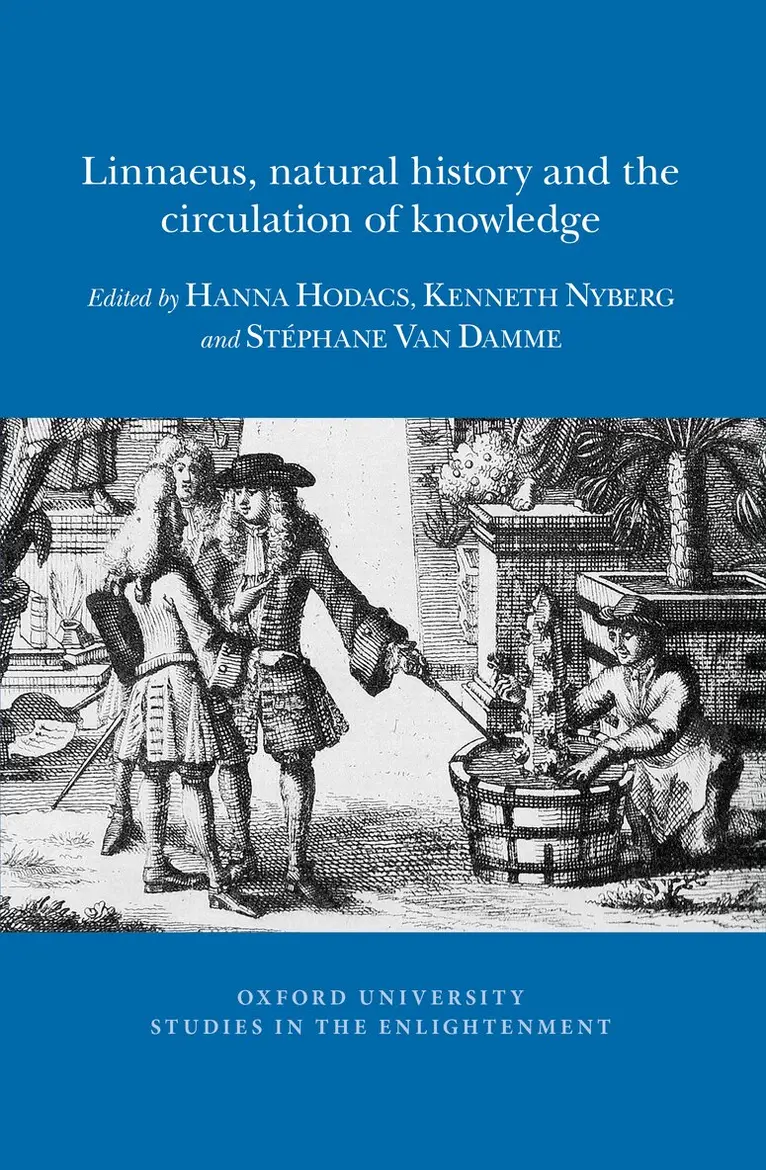
The name of Carl Linnaeus (1707-1778) is inscribed in almost every flora and fauna published from the mid-eighteenth century onwards; in this respect he is virtually immortal. In this book a group of specialists argue for the need to re-centre Linnaean science and de-centre Linnaeus the man by exploring the ideas, practices and people connected to his taxonomic innovations.Contributors examine the various techniques, materials and methods that originated within the ‘Linnaean workshop’: paper technologies, publication strategies, and markets for specimens. Fresh analyses of the reception of Linnaeus’s work in Paris, Königsberg, Edinburgh and beyond offer a window on the local contexts of knowledge transfer, including new perspectives on the history of anthropology and stadial theory. The global implications and negotiated nature of these intellectual, social and material developments are further investigated in chapters tracing the experiences and encounters of Linnaean travellers in Africa, Latin America and South Asia.Through focusing on the circulation of Linnaean knowledge and placing it within the context of eighteenth-century globalization, authors provide innovative and important contributions to our understanding of the early modern history of science.
Häftad, Engelska, 2022
1 471 kr
Skickas inom 5-8 vardagar
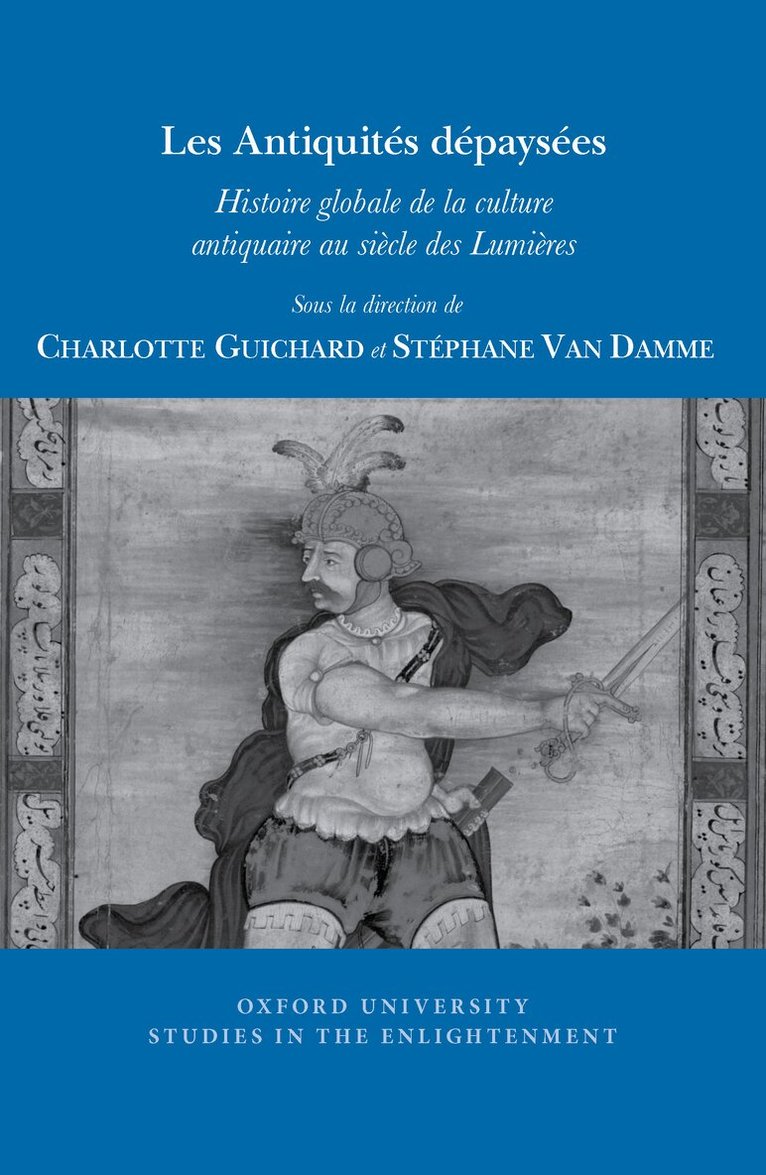
Alors que l’on sort à peine de la querelle des Anciens et des Modernes en Europe, la curiosité antiquaire se mondialise. De Paris à Pékin, de Delhi à Mexico en passant par Copenhague ou Philadelphie, cet engouement pour les discussions et les pratiques antiquaires s’affirme au dix-huitième siècle et déconstruit les contours rassurants du modèle gréco-latin. Ce livre essaie de rendre compte de ce changement d’échelle en suivant une perspective originale et nouvelle en faveur d’une histoire connectée de la connaissance antiquaire au dix-huitième siècle. Loin des traditions nationales ou seulement comparatistes qui avaient mis en évidence les relations que les différentes sociétés humaines avaient entretenues, au cours de l’histoire, avec les vestiges du passé, ce livre envisage les cultures et les savoirs antiquaires dans leur matérialité non seulement dans les métropoles européennes, mais aussi dans les capitales américaines et asiatiques. A distance d’une Antiquité figée, ce livre entend montrer comment la mobilité des savants et des artistes a commencé à pluraliser l’Antiquité dès le dix-huitième siècle, à la dépayser dans un contexte global et impérial.~Just as the quarrel between the Ancients and the Moderns was coming to an end in Europe, antiquarian curiosity became global. From Paris to Peking, from Delhi to Mexico City, via Copenhagen and Philadelphia, this craze for antiquarian discussions and practices took hold in the eighteenth century and deconstructed the reassuring contours of the Greco-Latin model. This book attempts to account for this change of scale by following an original and new perspective in favour of a connected history of antiquarian knowledge in the eighteenth century. Far from the national or only comparative traditions that had highlighted the relations that the different human societies had maintained, in the course of history, with the remains of the past, this book considers the cultures and the antiquarian knowledge in their materiality not only in the European metropolises, but also in the American and Asian capitals. This book aims to show how the mobility of scholars and artists began to pluralize antiquity from the eighteenth century onwards, to make it more diverse in a global and imperial context.
E-bok
Franska, 2005208 kr
Läs direkt efter köp
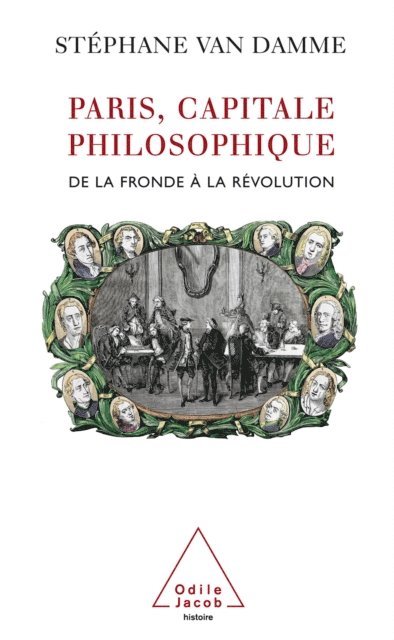
Comment Paris est-il devenu la capitale mondiale des Lumières ? La philosophie moderne serait-elle au fondement même de notre culture urbaine ? Une triple revendication a traversé les Lumières : faire de Paris une patrie de la philosophie, un modèle universel ; montrer qu’il est un laboratoire privilégié pour penser la société ; afficher une nouvelle figure du philosophe, entre solitude studieuse et sociabilité mondaine. On comprend que le philosophe écossais David Hume ait pu déclarer, lors d’un séjour sur les bords de la Seine : « Je suis citoyen du monde ; mais si j’avais à adopter la capitale d’un pays, ce serait celle où je vis à présent. » Stéphane Van Damme décrypte la généalogie de ce paradoxe entre patriotisme local et universalisme. Il décrit surtout les hauts lieux du savoir dans le Paris d’avant la Révolution et montre comment la vie de l’esprit a pesé sur la géographie urbaine. Agrégé et docteur en histoire, Stéphane Van Damme est chercheur au CNRS à la Maison française d’Oxford. Spécialiste des relations entre savoirs et cultures politiques dans les capitales européennes, il a publié Descartes, essai sur une grandeur philosophique et a reçu la médaille de bronze du CNRS.