Häftad, Engelska, 2024
1 321 kr
Skickas inom 5-8 vardagar
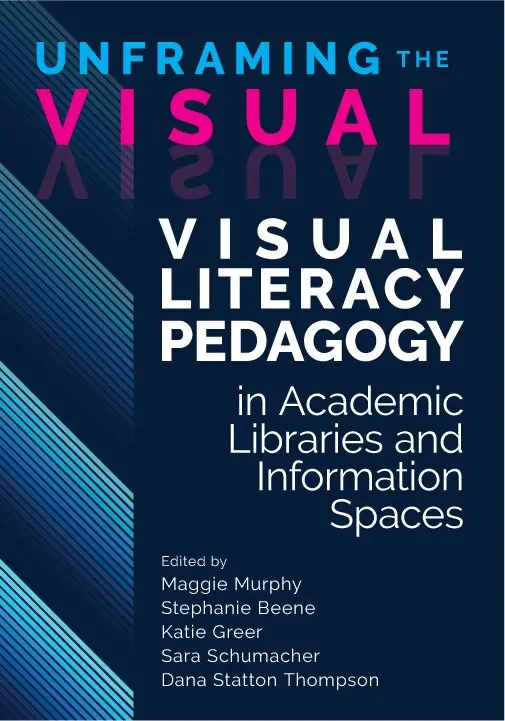
Visual literacy is an interconnected set of practices, habits, and values for participating in visual culture that can be developed through critical, ethical, reflective, and creative engagement with visual media. Approaches to teaching visual literacy in higher education must include a focus on context and not just content, process and not just product, impact and not just intent. Unframing is an approach to visual literacy pedagogy that acknowledges that visuals are a pervasive part of everyday life, as well as embedded into every scholarly discipline. In four parts, Unframing the Visual: Visual Literacy Pedagogy in Academic Libraries and Information Spaces explores: Participating in a Changing Visual Information Landscape Perceiving Visuals as Communicating Information Practicing Visual Discernment and Criticality Pursuing Social Justice through Visual Practice Twenty-four full color chapters present a range of theoretical and practical approaches to visual literacy pedagogy that illustrate, connect with, extend, and criticize concepts from the Framework for Visual Literacy in Higher Education: Companion Document to the Framework for Information Literacy for Higher Education. Topics include using TikTok to begin a conversation on academic honesty and marginalization; supporting disciplines to move to multimodal public communication assignments; critical data visualization; and exclusionary practices in visual media. In exploring the discussions and engaging with the activities in Unframing the Visual, you will find new inspiration for how to unframe, adapt, and apply visual literacy pedagogy and praxis in your work.