Stephanie Malia Hom - Böcker
Visar alla böcker från författaren Stephanie Malia Hom. Handla med fri frakt och snabb leverans.
4 produkter
4 produkter
781 kr
Skickas inom 7-10 vardagar
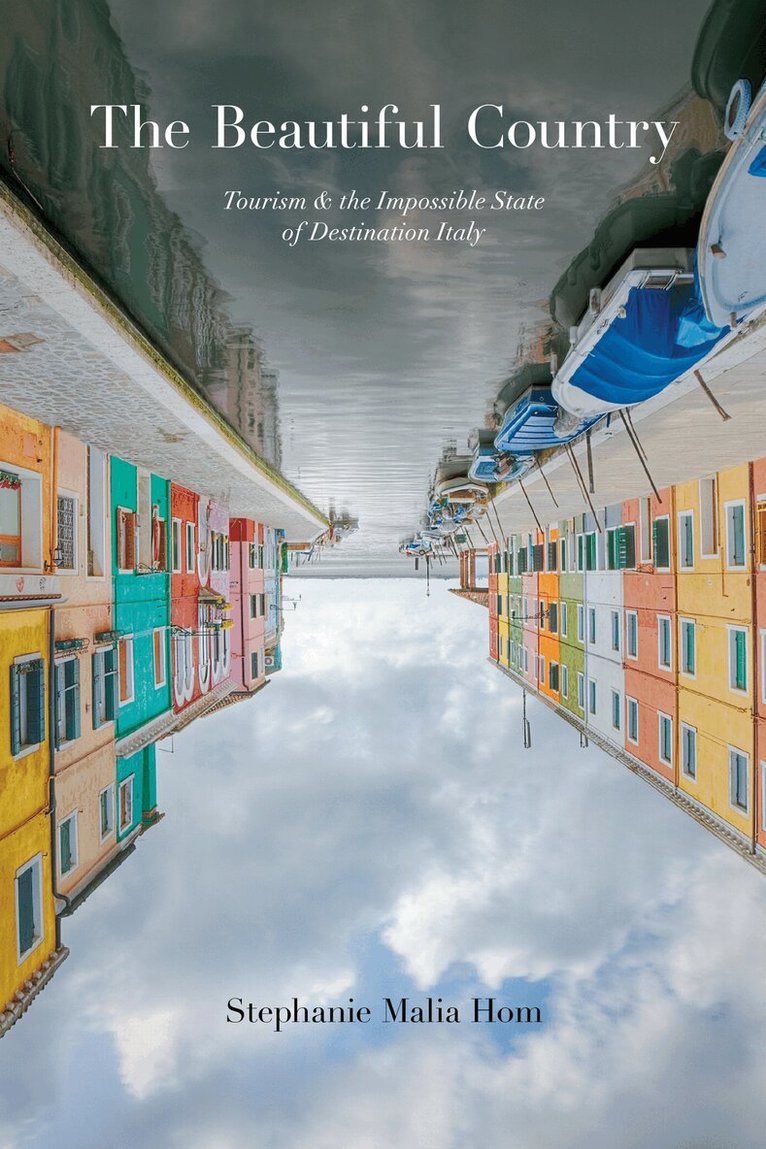
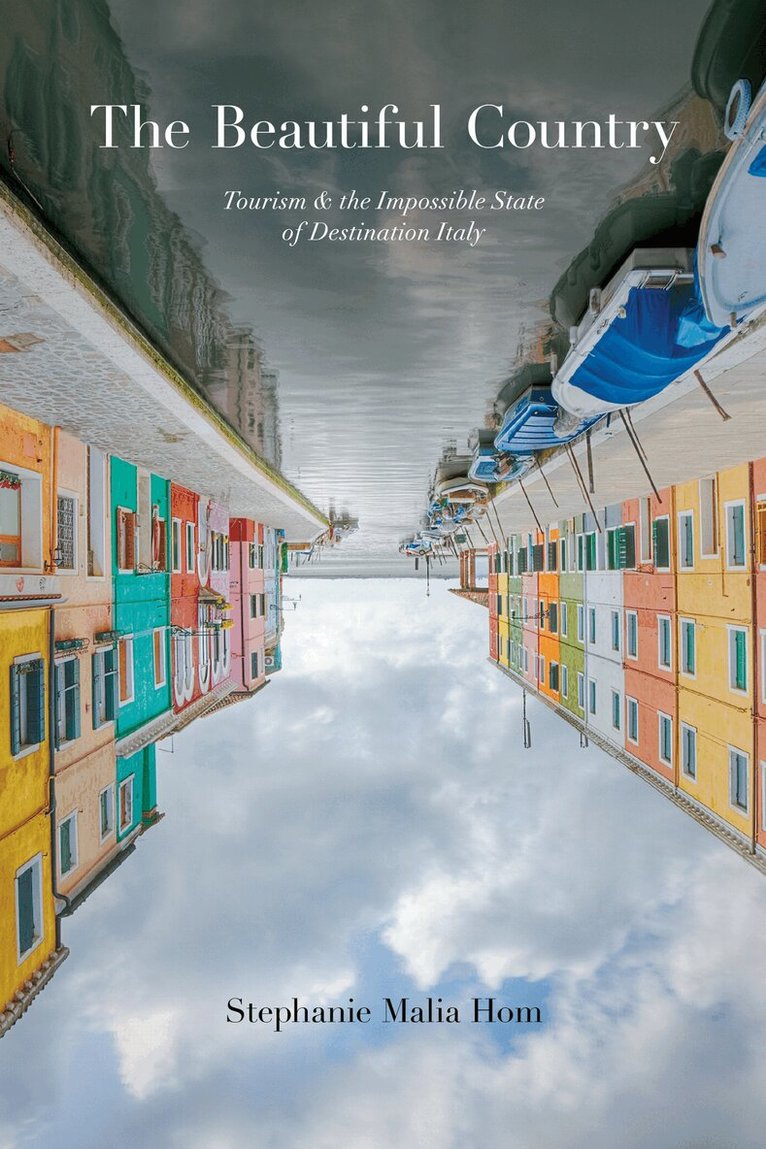
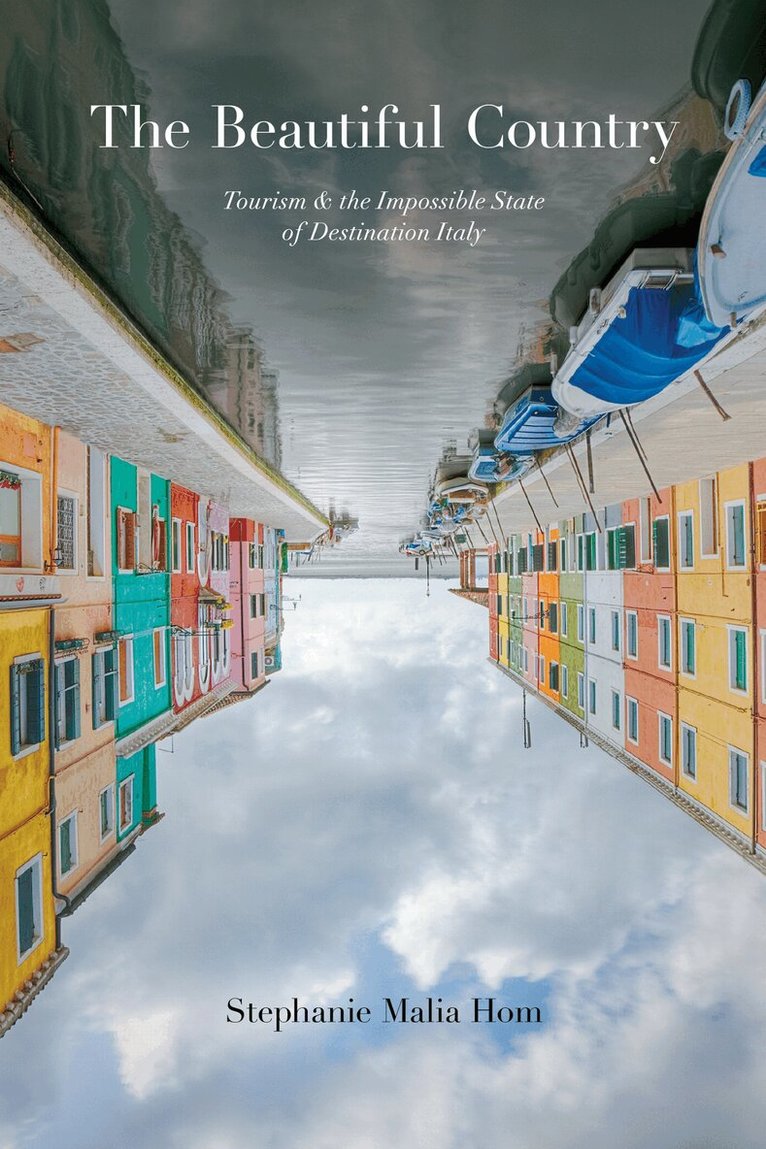
Every year, Italy swells with millions of tourists who infuse the economy with billions of dollars and almost outnumber Italians themselves. In fact, Italy has been a model tourist destination for longer than it has been a modern state. The Beautiful Country explores the enduring popularity of “destination Italy,” and its role in the development of the global mass tourism industry. Stephanie Malia Hom tracks the evolution of this particular touristic imaginary through texts, practices, and spaces, beginning with the guidebooks that frame Italy as an idealized land of leisure and finishing with destination Italy’s replication around the world. Today, more tourists encounter Italy through places like Las Vegas’s The Venetian Hotel and Casino or Dubai’s Mercato shopping mall than experience the country in Italy itself.Using an interdisciplinary methodology that includes archival research, ethnographic fieldwork, literary criticism, and spatial analysis, The Beautiful Country reveals destination Italy’s paramount role in the creation of modern mass tourism.
Empire's Mobius Strip
Historical Echoes in Italy's Crisis of Migration and Detention
Inbunden, Engelska, 2019
1 604 kr
Skickas inom 10-15 vardagar
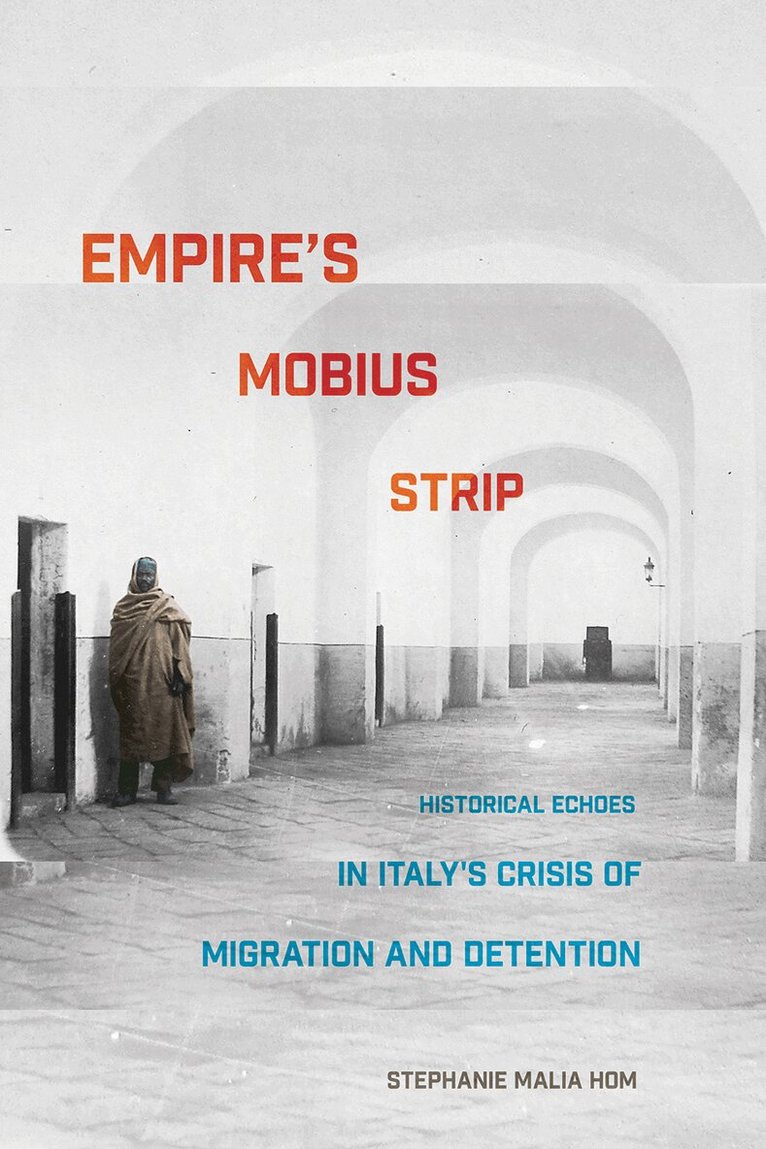
Its brilliant prose makes [Empire's Mobius Strip] easily accessible to anyone interested in today's migration crisis in the Mediterranean and elsewhere in the world.â• American Historical ReviewItaly's current crisis of Mediterranean migration and detention has its roots in early twentieth century imperial ambitions. ;Empire's Mobius Strip investigates how mobile populations were perceived to be major threats to Italian colonization, and how the state's historical mechanisms of control have resurfaced, with greater force, in today's refugee crisis.What is at stake in Empire's Mobius Strip is a deeper understanding of the forces driving those who move by choice and those who are moved. Stephanie Malia Hom focuses on Libya, considered Italy's most valuable colony, both politically and economically. Often perceived as the least of the great powers, Italian imperialism has been framed as something of "colonialism lite." But Italian colonizers carried out genocide between 1929–33, targeting nomadic Bedouin and marching almost 100,000 of them across the desert, incarcerating them in camps where more than half who entered died, simply because the Italians considered their way of life suspect. There are uncanny echoes with the situation of the Roma and migrants today. Hom explores three sites, in novella-like essays, where Italy's colonial past touches down in the present: the island, the camp, and the village.Empire's Mobius Strip brings into relief Italy's shifting constellations of mobility and empire, giving them space to surface, submerge, stretch out across time, and fold back on themselves like a Mobius strip. It deftly shows that mobility forges lasting connections between colonial imperialism and neoliberal empire, establishing Italy as a key site for the study of imperial formations in Europe and the Mediterranean.
Empire's Mobius Strip
Historical Echoes in Italy's Crisis of Migration and Detention
Häftad, Engelska, 2019
269 kr
Skickas inom 10-15 vardagar
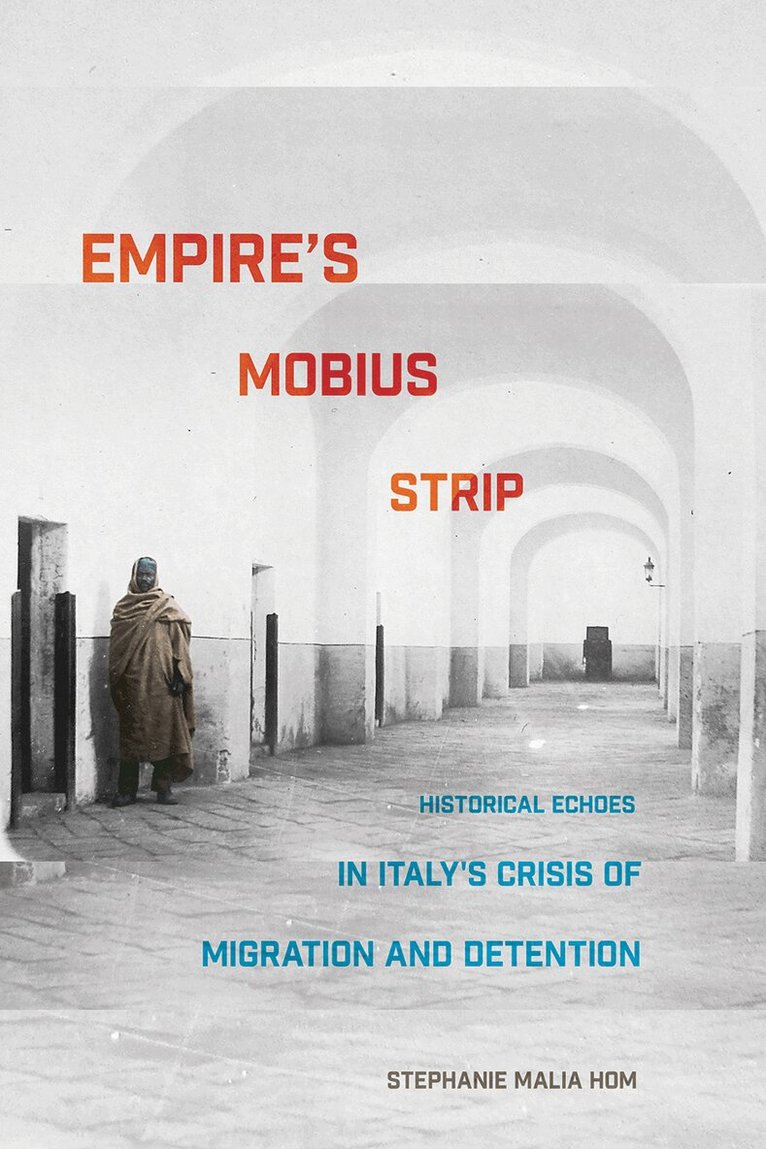
Its brilliant prose makes [Empire's Mobius Strip] easily accessible to anyone interested in today's migration crisis in the Mediterranean and elsewhere in the world.â• American Historical ReviewItaly's current crisis of Mediterranean migration and detention has its roots in early twentieth century imperial ambitions. ;Empire's Mobius Strip investigates how mobile populations were perceived to be major threats to Italian colonization, and how the state's historical mechanisms of control have resurfaced, with greater force, in today's refugee crisis.What is at stake in Empire's Mobius Strip is a deeper understanding of the forces driving those who move by choice and those who are moved. Stephanie Malia Hom focuses on Libya, considered Italy's most valuable colony, both politically and economically. Often perceived as the least of the great powers, Italian imperialism has been framed as something of "colonialism lite." But Italian colonizers carried out genocide between 1929–33, targeting nomadic Bedouin and marching almost 100,000 of them across the desert, incarcerating them in camps where more than half who entered died, simply because the Italians considered their way of life suspect. There are uncanny echoes with the situation of the Roma and migrants today. Hom explores three sites, in novella-like essays, where Italy's colonial past touches down in the present: the island, the camp, and the village.Empire's Mobius Strip brings into relief Italy's shifting constellations of mobility and empire, giving them space to surface, submerge, stretch out across time, and fold back on themselves like a Mobius strip. It deftly shows that mobility forges lasting connections between colonial imperialism and neoliberal empire, establishing Italy as a key site for the study of imperial formations in Europe and the Mediterranean.
Del 9 - Transnational Italian Cultures
Illegality and the Making of Italy
Crime Italian Style
Inbunden, Engelska, 2026
2 116 kr
Skickas inom 7-10 vardagar
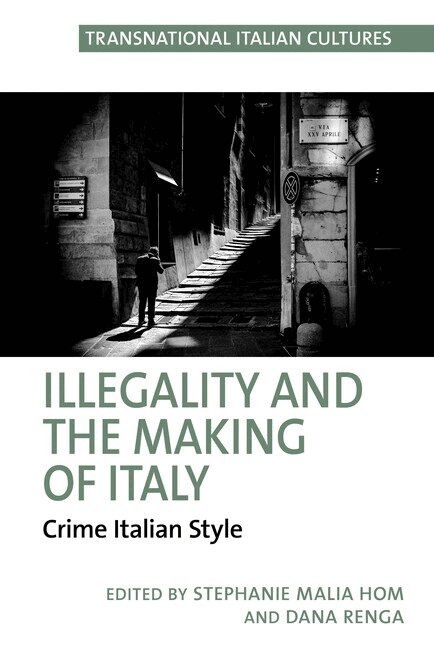
Italy has long been thought of as a terra di mezzo, a land in between, a crossroads where life “above” exists together with life “below.” Italy’s underworld is taken as a given fact, and enjoys a global, if not romanticized, reputation. This volume is a first-of-its-kind study that explores how crime and illegality have served to make modern Italy and Italians. Its chapters set into relief “crime Italian style”: a distinct formation comprised of the porousness between licit and illicit and the malleability of illegality that has distinguished Italy as a nation-state since Unification. From courtrooms to television screens, and mafia dons to political activists, this volume delves into Italy’s criminal patrimony as well as the entanglements between Italian politics and organized crime, how ideas about crime and criminality cross borders and become attached to people, and how the representational force of the media continues to transform who or what is marked as criminal. This volume reconnects Italy to its heritage of crime and punishment to offer a new take on modern Italian identity that recognizes its relationship to illegality as a central, rather than peripheral, attribute.