Stephanie Nohelani Teves - Böcker
Visar alla böcker från författaren Stephanie Nohelani Teves. Handla med fri frakt och snabb leverans.
5 produkter
5 produkter
374 kr
Skickas inom 7-10 vardagar
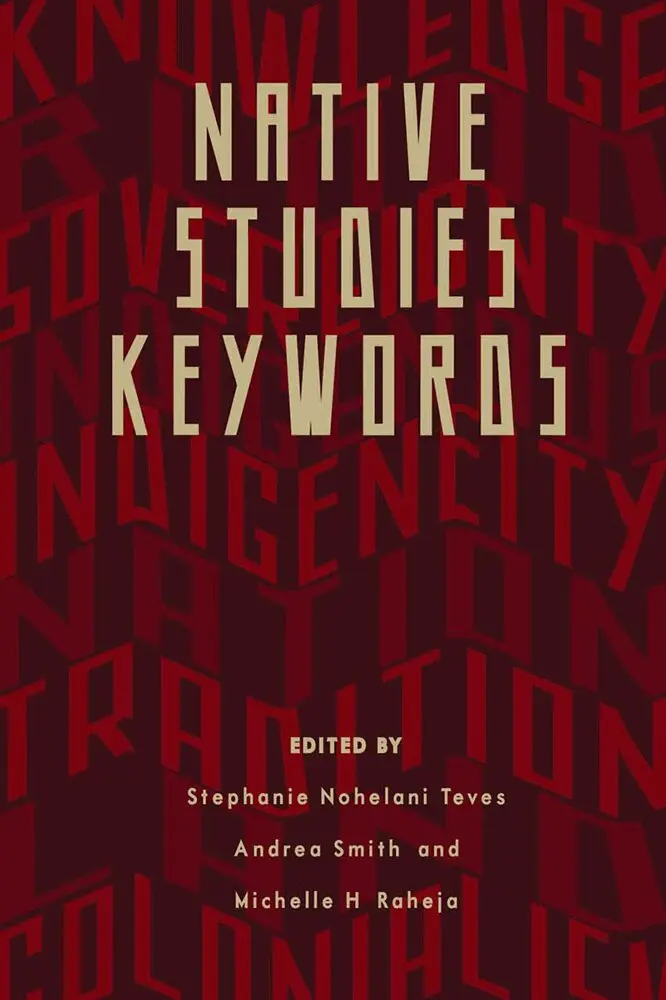
Native Studies Keywords explores selected concepts in Native studies and the words commonly used to describe them, words whose meanings have been insufficiently examined. This edited volume focuses on the following eight concepts: sovereignty, land, indigeneity, nation, blood, tradition, colonialism, and indigenous knowledge. Each section includes three or four essays and provides definitions, meanings, and significance to the concept, lending a historical, social, and political context.Take sovereignty, for example. The word has served as the battle cry for social justice in Indian Country. But what is the meaning of sovereignty? Native peoples with diverse political beliefs all might say they support sovereignty—without understanding fully the meaning and implications packed in the word.The field of Native studies is filled with many such words whose meanings are presumed, rather than articulated or debated. Consequently, the foundational terms within Native studies always have multiple and conflicting meanings. These terms carry the colonial baggage that has accrued from centuries of contested words.Native Studies Keywords is a genealogical project that looks at the history of words that claim to have no history. It is the first book to examine the foundational concepts of Native American studies, offering multiple perspectives and opening a critical new conversation.
787 kr
Skickas inom 7-10 vardagar
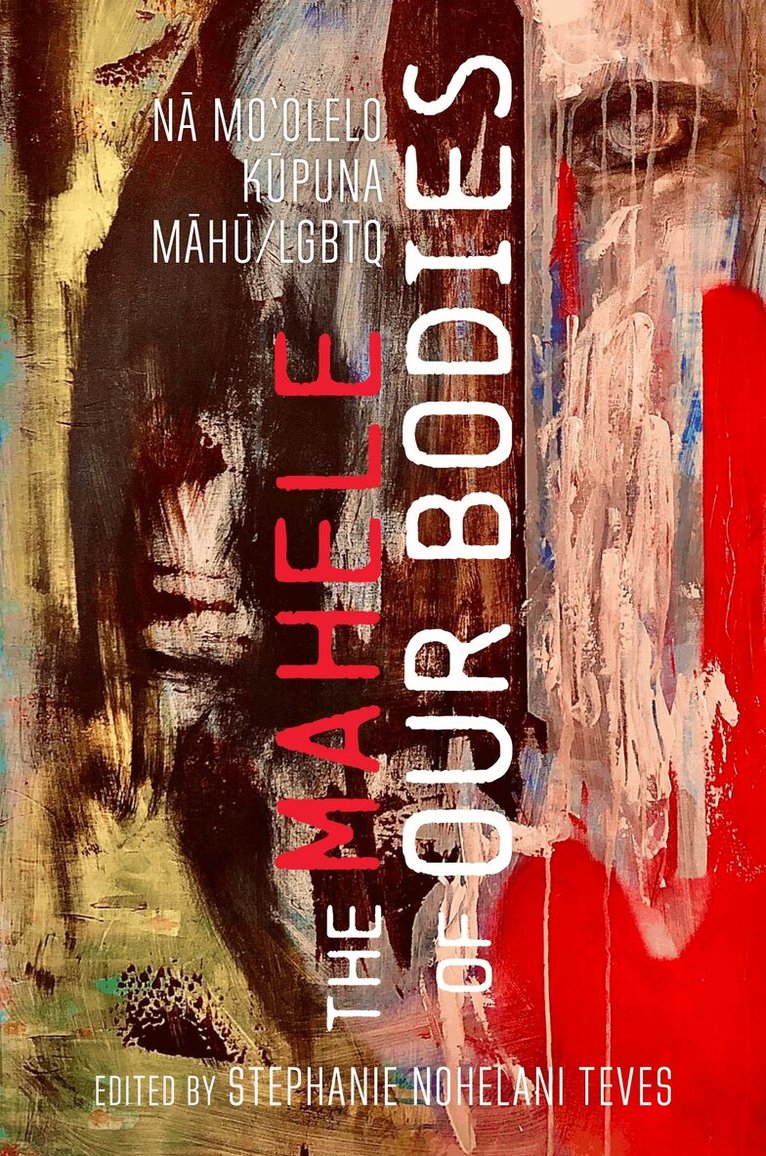
“They put up barriers, the same way with our bodies. Our bodies are meant for us to be very expressive. Hawaiians were like that. . . . To me it was an expression of the mahele of our bodies, the restriction of our bodies, the control of our expression of our bodies.” – Kuʻumeaaloha GomesGenerated from the life histories of ten Kānaka Maoli (Native Hawaiian) elders (kūpuna) who are lesbian, gay, bisexual, transgender, queer, or māhū (LGBTQM), this book reveals the way they experienced overlapping Native/Indigenous and LGBTQM identities. The Mahele of Our Bodies: Nā Moʻolelo Kūpuna LGBTQ/Māhū is filled with rich descriptions of Hawaiʻi’s unwritten queer history, from growing up in the late Territory era and Hawai‘i’s transition to a state, to vivid descriptions of Honolulu nightlife in the 1960s and 1970s, the impact of HIV/AIDS in the hula community, and first-person accounts of the activism and political debates surrounding same-sex marriage rights in the 1990s. Each life history explores themes of the significance of Hawaiian culture in identity formation, the ongoing prevalence of colonialism and Christianity, the importance of community activism, the role of culture and performance, and the complexities of leaving home to fully come out. The kūpuna in this book have much to teach us about how they survived. Stephanie Nohelani Teves edited the interviews she conducted into first person moʻolelo or stories. Their vivid descriptions of what life was like for them during the Hawaiian renaissance or at the height of the fight for same-sex marriage serve as a reminder of how much emotional and physical labor was expended so that present-day Kānaka LGBTQM can imagine different possibilities and hopeful futures.One of the only studies of Native/Indigenous queer oral histories, this book also features a robust Introduction that explores community and nation building, culture and tradition, and how all are navigated within the context of Hawaiian sovereignty and LGBTQM civil rights. Nā Kūpuna:Kuʻumeaaloha GomesNoenoe SilvaNawahine Dudoit Hōkūokalani AkiuKimo Alama KeaulanaAunty Kim Haʻupu Manulani Aluli MeyerBradford LumLani KaʻahumanuKeoni Kaʻapuni
1 090 kr
Skickas inom 10-15 vardagar
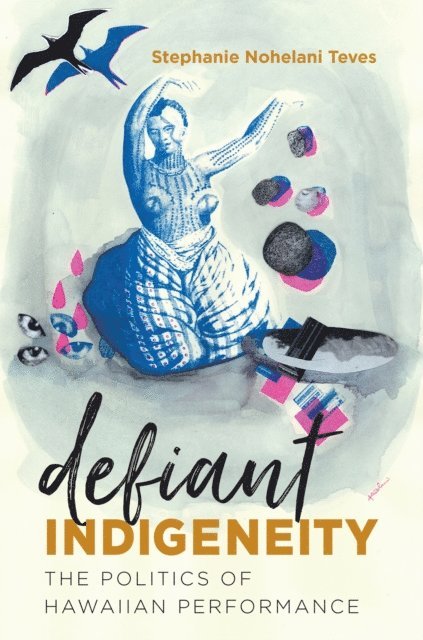
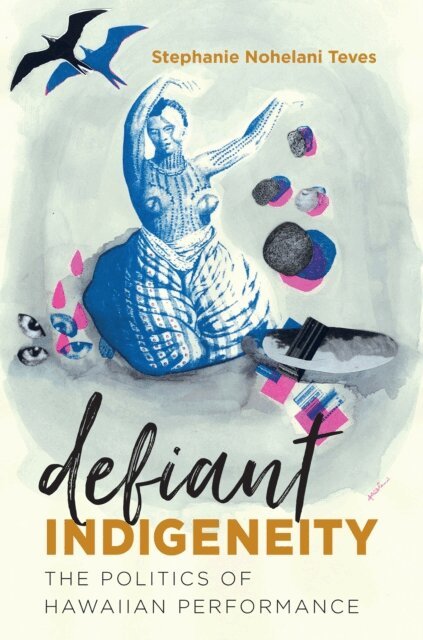
Aloha"" is at once the most significant and the most misunderstood word in the Indigenous Hawaiian lexicon. For Kanaka Maoli people, the concept of ""aloha"" is a representation and articulation of their identity, despite its misappropriation and commandeering by non-Native audiences in the form of things like the ""hula girl"" of popular culture. Considering the way aloha is embodied, performed, and interpreted in Native Hawaiian literature, music, plays, dance, drag performance, and even ghost tours from the twentieth century to the present, Stephanie Nohelani Teves shows that misunderstanding of the concept by non-Native audiences has not prevented the Kanaka Maoli from using it to create and empower community and articulate its distinct Indigenous meaning.While Native Hawaiian artists, activists, scholars, and other performers have labored to educate diverse publics about the complexity of Indigenous Hawaiian identity, ongoing acts of violence against Indigenous communities have undermined these efforts. In this multidisciplinary work, Teves argues that Indigenous peoples must continue to embrace the performance of their identities in the face of this violence in order to challenge settler-colonialism and its efforts to contain and commodify Hawaiian Indigeneity.
377 kr
Skickas inom 10-15 vardagar
Aloha"" is at once the most significant and the most misunderstood word in the Indigenous Hawaiian lexicon. For Kanaka Maoli people, the concept of ""aloha"" is a representation and articulation of their identity, despite its misappropriation and commandeering by non-Native audiences in the form of things like the ""hula girl"" of popular culture. Considering the way aloha is embodied, performed, and interpreted in Native Hawaiian literature, music, plays, dance, drag performance, and even ghost tours from the twentieth century to the present, Stephanie Nohelani Teves shows that misunderstanding of the concept by non-Native audiences has not prevented the Kanaka Maoli from using it to create and empower community and articulate its distinct Indigenous meaning.While Native Hawaiian artists, activists, scholars, and other performers have labored to educate diverse publics about the complexity of Indigenous Hawaiian identity, ongoing acts of violence against Indigenous communities have undermined these efforts. In this multidisciplinary work, Teves argues that Indigenous peoples must continue to embrace the performance of their identities in the face of this violence in order to challenge settler-colonialism and its efforts to contain and commodify Hawaiian Indigeneity.
328 kr
Skickas inom 7-10 vardagar
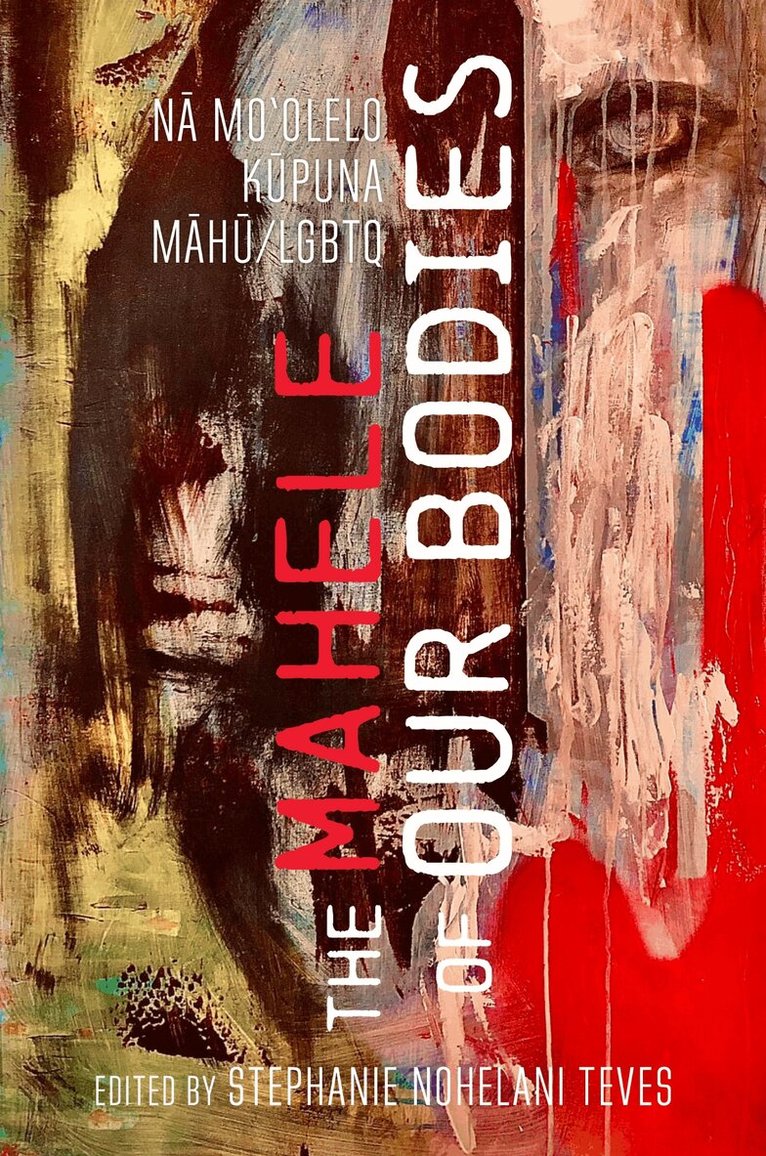
“They put up barriers, the same way with our bodies. Our bodies are meant for us to be very expressive. Hawaiians were like that. . . . To me it was an expression of the mahele of our bodies, the restriction of our bodies, the control of our expression of our bodies.” – Kuʻumeaaloha GomesGenerated from the life histories of ten Kānaka Maoli (Native Hawaiian) elders (kūpuna) who are lesbian, gay, bisexual, transgender, queer, or māhū (LGBTQM), this book reveals the way they experienced overlapping Native/Indigenous and LGBTQM identities. The Mahele of Our Bodies: Nā Moʻolelo Kūpuna LGBTQ/Māhū is filled with rich descriptions of Hawaiʻi’s unwritten queer history, from growing up in the late Territory era and Hawai‘i’s transition to a state, to vivid descriptions of Honolulu nightlife in the 1960s and 1970s, the impact of HIV/AIDS in the hula community, and first-person accounts of the activism and political debates surrounding same-sex marriage rights in the 1990s. Each life history explores themes of the significance of Hawaiian culture in identity formation, the ongoing prevalence of colonialism and Christianity, the importance of community activism, the role of culture and performance, and the complexities of leaving home to fully come out. The kūpuna in this book have much to teach us about how they survived. Stephanie Nohelani Teves edited the interviews she conducted into first person moʻolelo or stories. Their vivid descriptions of what life was like for them during the Hawaiian renaissance or at the height of the fight for same-sex marriage serve as a reminder of how much emotional and physical labor was expended so that present-day Kānaka LGBTQM can imagine different possibilities and hopeful futures.One of the only studies of Native/Indigenous queer oral histories, this book also features a robust Introduction that explores community and nation building, culture and tradition, and how all are navigated within the context of Hawaiian sovereignty and LGBTQM civil rights. Nā Kūpuna:Kuʻumeaaloha GomesNoenoe SilvaNawahine Dudoit Hōkūokalani AkiuKimo Alama KeaulanaAunty Kim Haʻupu Manulani Aluli MeyerBradford LumLani KaʻahumanuKeoni Kaʻapuni