Stephen A. Harris - Böcker
Visar alla böcker från författaren Stephen A. Harris. Handla med fri frakt och snabb leverans.
7 produkter
7 produkter
436 kr
Tillfälligt slut
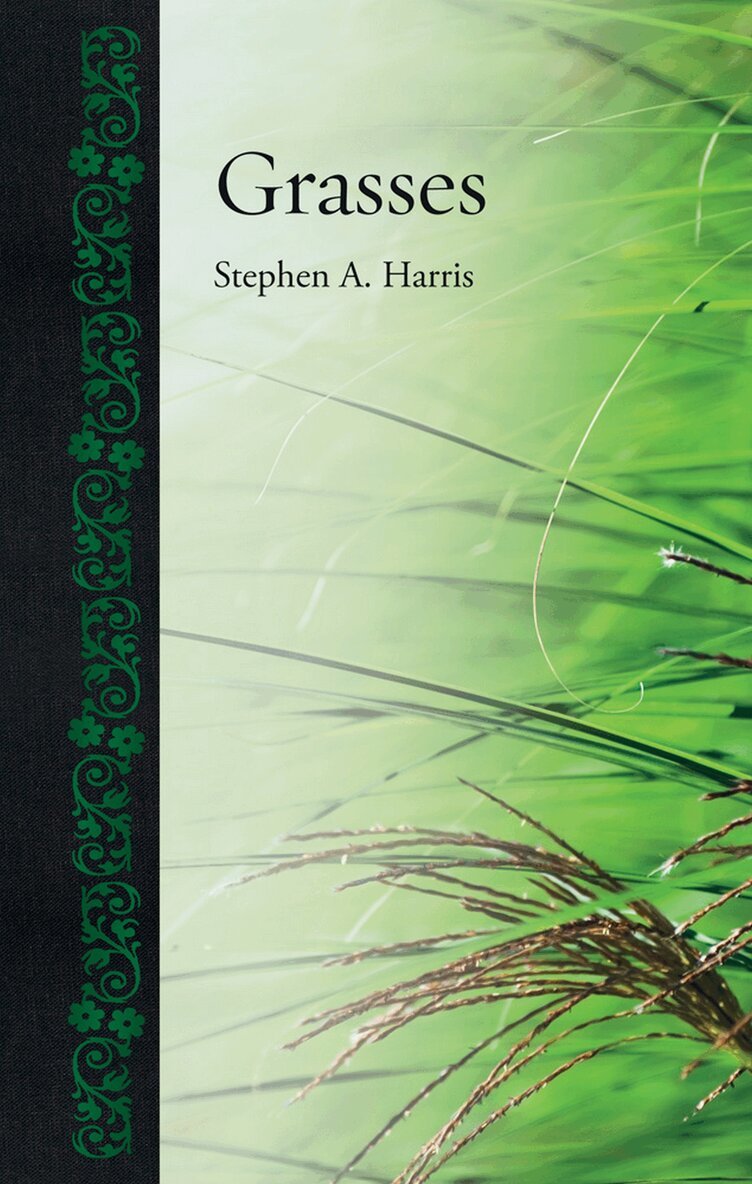
Grasses cover approximately one-quarter of the planet’s land surface; four species – wheat, rice, maize and sugar – provide 60 per cent of human calorie intake. Almost all of us at some point play on, relax on, plant, tend or harvest grasses for our own pleasure or sustenance, yet for all that their importance to us is not commonly understood. It is predicted that by 2050 the world’s population will be approximately 9 billion, and 90 per cent of the planet’s land area will be affected by human activities. To feed ourselves we will be more dependent on grasses than ever before.Grasses explains the history of our relationship with these humble yet vital plants from the end of the last Ice Age to the present day. Perhaps more than any other plant, grasses show the effects of human influence: farmed on a massive scale, they are the ultimate staple crop. In turn we are also influenced by grasses, often fighting to preserve our ‘green space’ and public parks. Stephen Harris describes this relationship against the background of our heightened awareness of climate change: in the future we will have to balance our needs of grass as food, grass as living space and potentially even grass as fuel.Mixing biology, sociology and cultural history, Grasses provides us with arguably the fullest exploration yet of what grasses mean and have meant: their profound importance to our survival but also to our pleasure, our diets and our minds. Featuring numerous botanical images as well as many fine examples from art and popular culture, Grasses is a must-have for gardeners, food lovers and environmentalists alike.
476 kr
Skickas inom 3-6 vardagar
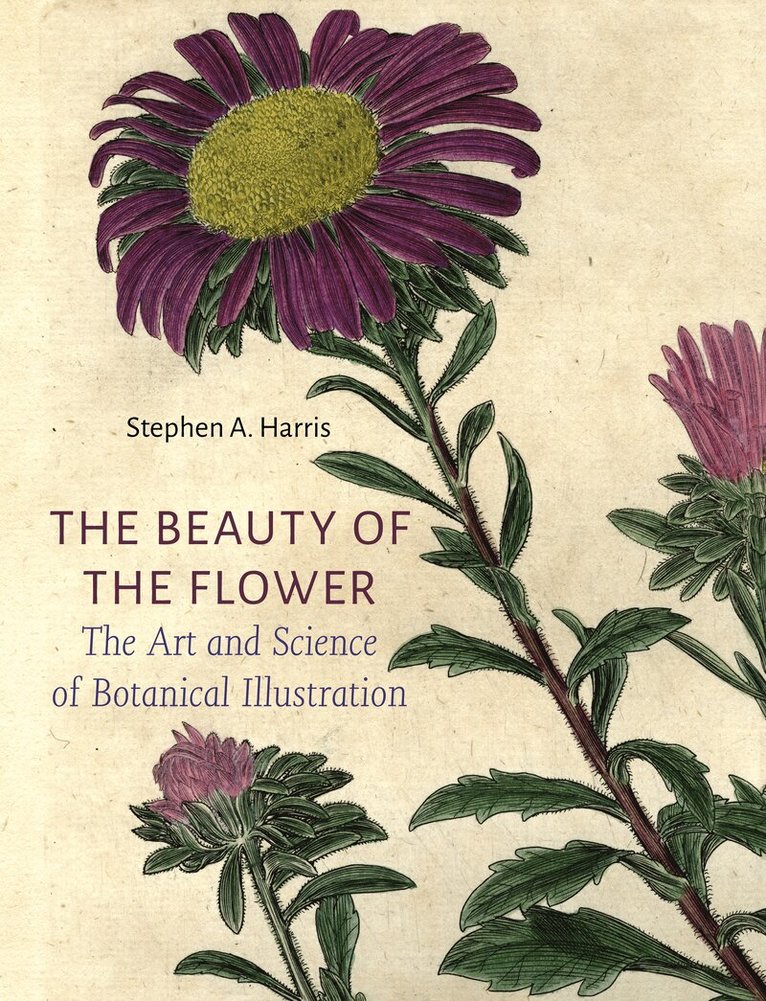
In a world flooded with images designed to create memories, validate perceptions and influence others, botanical illustration is about creating technically accurate depictions of plants. Reproductions of centuries-old botanical illustrations frequently adorn greetings cards, pottery and advertising, to promote heritage or generate income, yet their art is scientific: its purpose is to record, display and transmit scientific data. The Beauty of the Flower shows us how scientific botanical illustrations are collaborations among artists, scientists and publishers. It explores the evolution and interchanges of these illustrations since the mid-fifteenth century, the ways in which they have been used to communicate scientific ideas about plants and how views of botanical imagery change. Featuring unique images rarely seen outside of specialist literature this book reveals the fascinating stories behind these remarkable illustrations.
426 kr
Skickas inom 7-10 vardagar
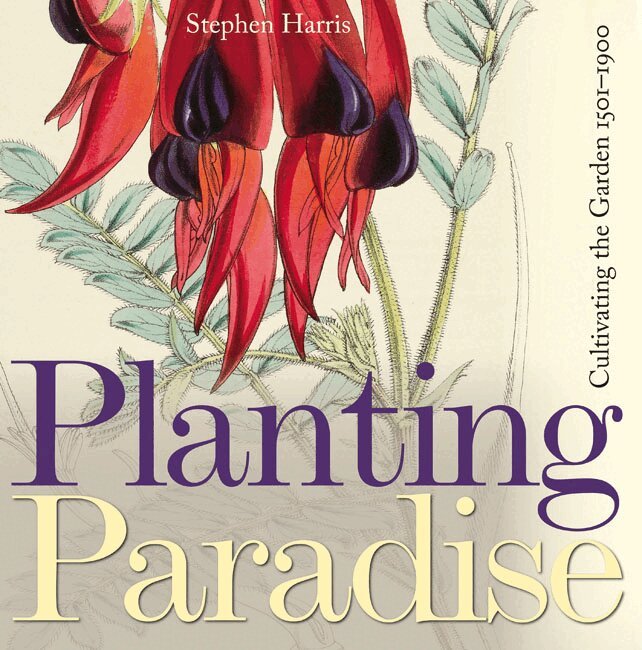
This beautifully illustrated book examines the changing role of the garden in Britain from the beginning of the sixteenth century to the end of the nineteenth century. Beginning in a world where gardens had long been associated with Paradise, the author charts the influence of the Renaissance belief in direct observation of nature on the development of gardens. He examines the rise of gardens as laboratories for scientific investigation and storehouses for an ever increasing range of novelty plants. While the botanic gardens of early modern Europe had largely been a means of supplying surgeons with medicine, by the seventeenth and eighteenth century the interest in gardens had spread to all levels of society. Gardens became a tapestry of many diverse botanical histories: some plants were native, some were introduced and others evolved in the garden. This book looks at the reasons behind the explosion of interest in plants and the way in which the basic pattern of plant diversity was mapped. It shows how the garden became a symbol of human interactions within the botanical world. A showcase for rarely-seen botanical illustrations from the Bodleian Libraries and herbaria, which are among the best in the world, this is a fascinating book for plant enthusiasts and gardeners as well as anyone interested in biodiversity and conservation.
210 kr
Skickas inom 7-10 vardagar
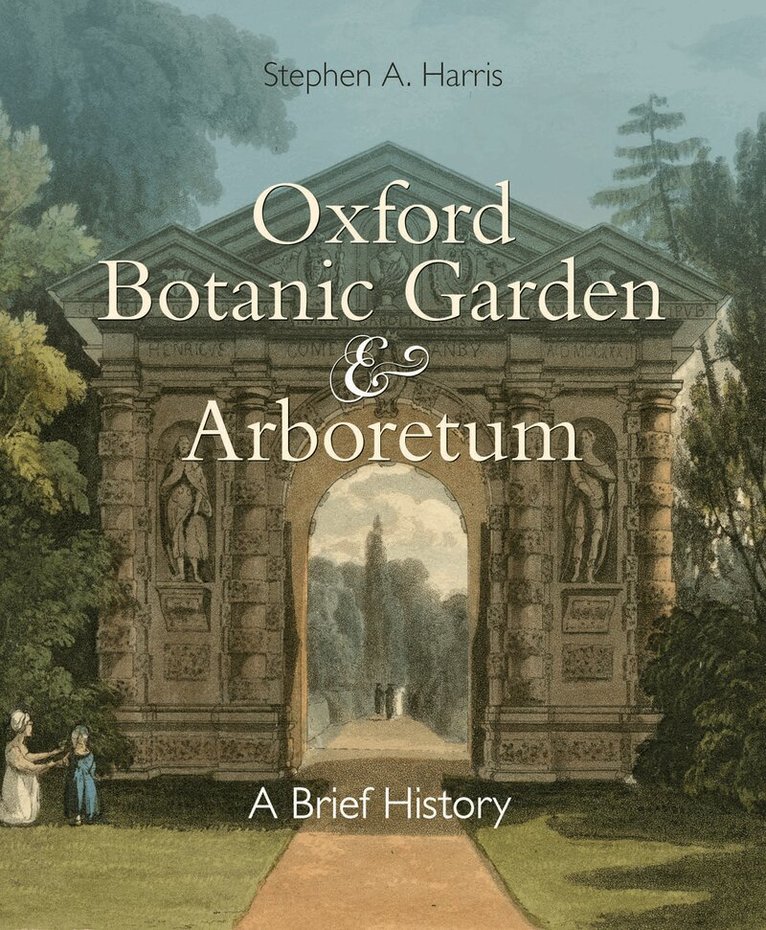
Oxford Botanic Garden is the oldest surviving botanic garden in Britain and has occupied its site in central Oxford since 1621. Conceived as a place to grow medicinal plants, born in the turmoil of civil war and nurtured during the restoration of the monarchy, the garden has, unsurprisingly, a curious past. By tracing the work and priorities of each of the garden’s keepers, this book explores its importance as one of the world's oldest scientific plant collections. It tells the story of the planting of the garden by its first keeper, Jacob Bobart, and his son, together with how they changed the garden to suit their own needs. The story develops during the eighteenth century as the garden grew exotic plants under glass and acquired a fine succulent collection but then experienced a downturn under the stewardship of the eccentric Professor Humphrey Sibthorp (famous for giving just one lecture in thirty-seven years). Finally, the narrative throws light on the partnership of gardener William Baxter and academic Charles Daubeny in the early nineteenth century, which gave the garden its glasshouses and ponds and contributed to its survival to the present day. This generously illustrated book is the first history of the garden and arboretum for more than a century and provides an essential introduction to one of Oxford’s much-loved haunts.
549 kr
Skickas inom 7-10 vardagar
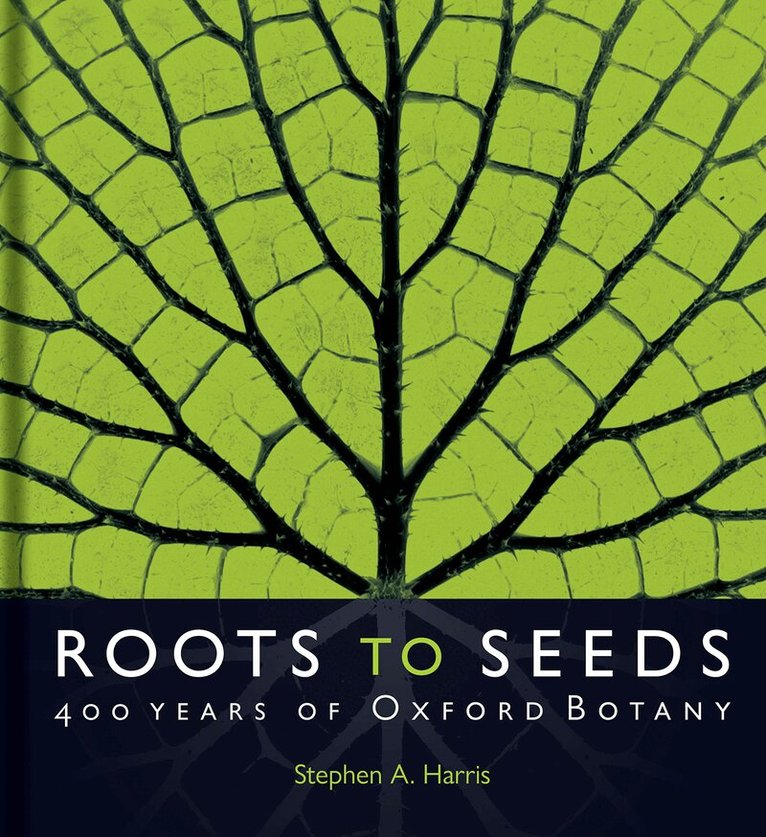
Since 1621, and the foundation of the Oxford Botanic Garden, Oxford has built up an outstanding collection of plant specimens, botanical illustrations and rare books on plant classification, collecting and plant biology. These archives, and the living plants in the Garden, are integral to the study of botany in the University. This book profiles the botanists and collections which have helped to transform our understanding of the biology of plants over the past four centuries, focusing on plant classification, experimental botany, building botanical collections, agriculture and forestry and botanical education. Highlights include a selection of Ferdinand Bauer’s renowned illustrations for Flora Graeca – an extraordinarily lavish and detailed eighteenth-century botanical publication of plants found in the Eastern Mediterranean – and rare plant specimens from the herbaria, such as Fairchild’s Mule (the first artificially created hybrid plant). Together with seventeenth-century herbals, elegant garden plans, plant models and fossil slides, these items from the archives all help to tell the story of botanical science in Oxford and the intrepid botanists who devoted themselves to the essential study of plants.
606 kr
Skickas
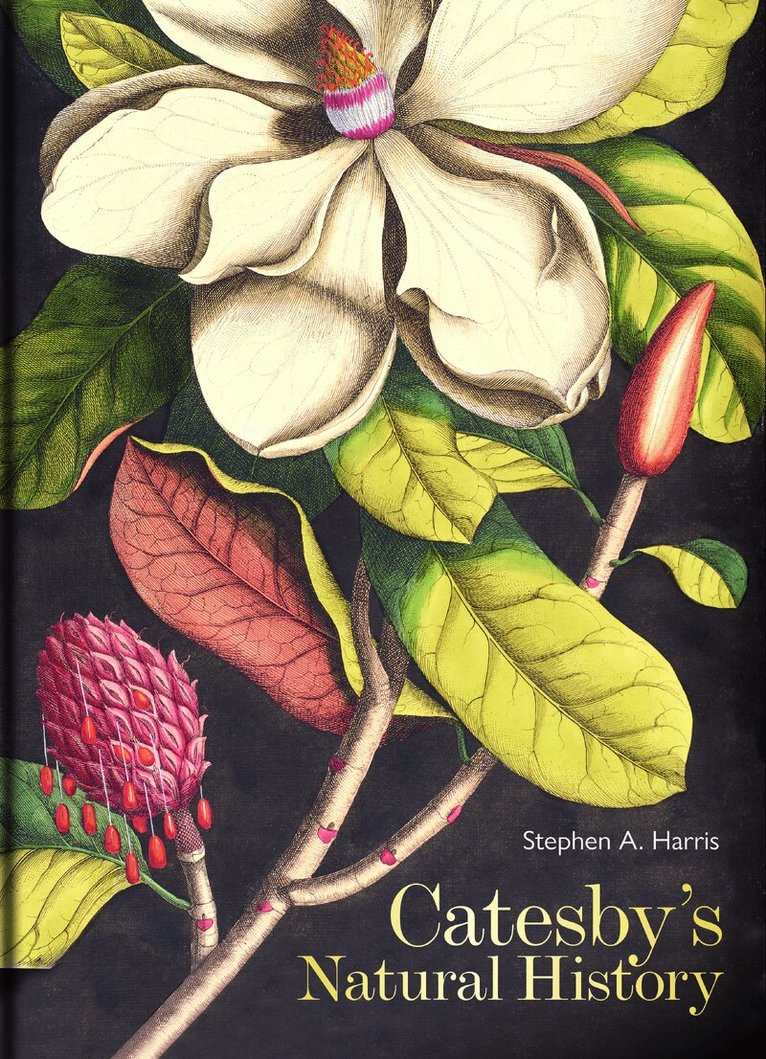
Mark Catesby was an eighteenth-century naturalist and artist whose work on the natural history of North America and the Caribbean still has resonance today. During the course of several perilous trips he collected specimens and made extensive observations in the field, gathering material that would eventually become The Natural History of Carolina, Florida and the Bahama Islands, featuring 220 elaborate and distinctive hand-coloured plates. Widely appreciated in their time, Catesby’s stunning illustrations, with their striking combinations of animals and plants, together with the first-hand observations he made, catalysed interest in the natural history of Colonial America and established his work as a key reference for the scientific understanding of natural history. As an artist, Catesby meticulously recording the environment, sifting fact from fiction about the lives of the plants and animals he observed. As a collector, he introduced many living plants to Britain, thereby changing European gardens forever. This beautiful book, which reproduces all the plates, shows how Catesby’s practical field experience shaped his work in all areas. Whether through the now-extinct species he recorded or the cultural changes he witnessed, his research continues to be relevant, demonstrating the vulnerability and fragility of the natural world.
316 kr
Skickas
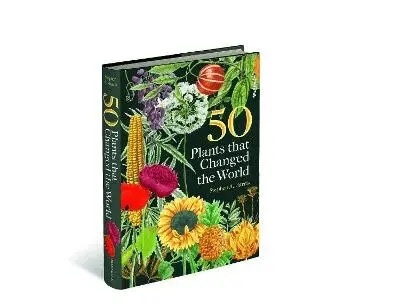
Have you ever stopped to think about how your morning cappuccino came to be? From the coffee bush that yielded the beans, to the grass for the cattle – or perhaps the soya – that produced the milk, plants are an indispensable part of our everyday life.Beginning with some of the earliest uses of plants, Stephen Harris takes us on an exciting journey through history, identifying fifty plants that have been key to the development of the western world, discussing trade, imperialism, politics, medicine, travel and chemistry along the way. There are plants here that have changed landscapes, fomented wars and fuelled slavery. Others have been the trigger for technological advances, expanded medical knowledge or simply made our lives more pleasant. Plants have provided paper and ink, chemicals that could kill or cure, vital sustenance and stimulants. Some, such as barley, have been staples from earliest times; others, such as oil palm, are newcomers to western industry.We remain dependent on plants for our food, our fuel and our medicines. As the wide-ranging and engaging stories in this beautifully illustrated book demonstrate, their effects on our lives continue to be profound and often unpredictable.