Stephen G. Waxman – författare
794 kr
Läs direkt efter köp
A concise, highly visual overview of neuroanatomy and its functional underpinnings
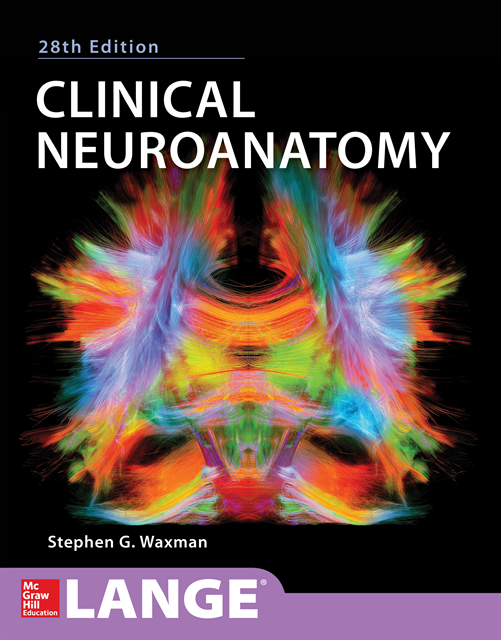
Clinical Neuroanatomy, Twenty-Eighth Edition offers an accessible, easy-to-remember synopsis of neuroanatomy and its functional and clinical implications. Since many of us learn and remember better when material is presented visually, this acclaimed resource includes not only clinical material such as brain scans and pathological specimens, but also hundreds of diagrams and tables that are designed to be clear and memorable.
Here''s why Clinical Neuroanatomy is essential for board review or as a clinical refresher:• NEW SECTION summarizes the most important take-away lessons from each chapter• More than 300 full-color illustrations• A unique chapter on Introduction to Clinical Thinking puts neuroanatomy in clear clinical perspective• Numerous CT and MRI scans• Block diagrams illustrate actions of each muscle (essential for the clinical motor examination)• Hundreds of diagrams and tables encapsulate important information• Essentials for the Clinical Neuroanatomist list appears in each chapter• Clear and memorable root-by-root and nerve-by-nerve illustrations of sensory areas and muscle intervention• Coverage of the basic structure and function of the brain, spinal cord, and peripheral nerves as well as clinical presentations of disease processes involving specific structures• Emphasizes must-know concepts, facts, and structures• Appendices include The Neurologic Examination, Testing Muscle Function, Spinal Nerves and Plexuses, and Questions and Answers• Case studies demonstrate how concepts apply to real-world situations
If your practice or education would benefit from an engagingly written, well-illustrated overview of neuroanatomy and its functional underpinnings, this trusted resource belongs on your desk.
3 653 kr
Skickas inom 7-10 vardagar
Diseases of the Spine and Spinal Cord
2 270 kr
Skickas inom 5-8 vardagar
1 291 kr
Läs direkt efter köp
527 kr
Läs direkt efter köp
A thirty-year quest, from genes to pain-signaling neurons to people with a rare genetic disorder that makes them feel they are on fire.
Two soldiers, both with wounds injuring the same nerve, show very different responses: one is disabled by neuropathic pain, unable to touch the injured limb because even the lightest contact triggers excruciating discomfort; the other notices numbness but no pain at all. Could the difference lie in their genes? In this book, described in the foreword by Nobel Laureate James Rothman as “so well written that it reads like a detective novel,” Stephen Waxman recounts the search for a gene that controls pain—a search spanning more than thirty years and three continents. The story moves from genes to pain-signaling neurons that scream when they should be silent to people with a rare genetic disorder who feel they are on fire. Waxman explains that if pain-signaling neurons are injured by trauma or disease, they can become hyperactive and send pain signals to the brain even without external stimulus. Studying the hyperactive mutant pain gene in man on fire syndrome has pointed the way to molecules that produce pain more broadly within the general population, in the rest of us. Waxman''s account of the many steps that led to discovery of the pain gene tells the story behind the science, of how science happens.
815 kr
Skickas inom 5-8 vardagar
863 kr
Läs direkt efter köp
Publisher''s Note: Products purchased from Third Party sellers are not guaranteed by the publisher for quality, authenticity, or access to any online entitlements included with the product.
A comprehensive, color-illustrated guide to neuroanatomy and its functional and clinical applications
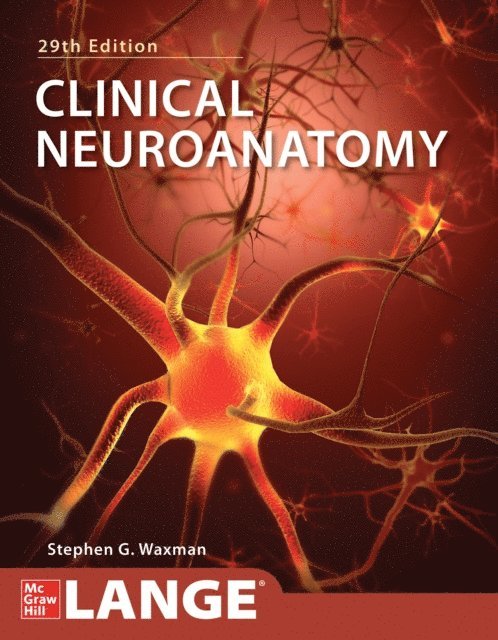
Engagingly written and extensively illustrated, Clinical Neuroanatomy, Twenty-Ninth Edition gets you up to speed on neuroanatomy, its functional underpinnings, and its relationship to the clinic. You’ll learn everything you need to know about the structure and function of the brain, spinal cord, and peripheral nerves. This authoritative guide illustrates clinical presentations of disease processes involving specific structures, explores the relationship between neuroanatomy and neurology, and reviews advances in molecular and cellular biology and neuropharmacology as related to neuroanatomy.
The book is packed with case studies and hundreds of visuals—including CT and MRI scans, block diagrams showing muscle actions, root-by-root and nerve-by-nerve images of sensory areas and muscle intervention, and more—to help you retain critical information.
Essential for board review or as a clinical refresher, Clinical Neuroanatomy features:
• More than 300 full-color illustrations• An introduction to clinical thinking that puts neuroanatomy in clear clinical perspective• A discussion of the latest advances in molecular biology and cellular biology in the context of neuroanatomy• Numerous CT and MRI scans• Block diagrams illustrating actions of each muscle (essential for the clinical motor examination)• Hundreds of diagrams and tables encapsulating important information• Summary listings at the end of each chapter• Clear and memorable root-by-root and nerve-by-nerve illustrations of sensory areas and muscle intervention• Coverage of the basic structure and function of the brain, spinal cord, and peripheral nerves as well as clinical presentations of disease processes involving specific structures• Appendices including The Neurologic Examination, Testing Muscle Function, Spinal Nerves and Plexuses, and Questions and Answers• Case studies demonstrating how concepts apply to real-world clinical situations• All the must-know concepts, facts, and structures, and more• A complete practice exam to assess your knowledge1 010 kr
Läs direkt efter köp
A comprehensive, highly-visual guide to neuroanatomy and its functional and clinical applications
Engagingly written and extensively illustrated, Clinical Neuroanatomy provides an accessible synopsis of neuroanatomy and its functional and clinical implications. You''ll learn everything you need to know about the structure and function of the brain, spinal cord, and peripheral nerves. This authoritative guide illustrates clinical presentations of disease processes involving specific structures, explores the relationship between neuroanatomy and neurology, and reviews advances in molecular and cellular biology and neuropharmacology as related to neuroanatomy. The book features case studies and hundreds of visual images, including CT and MRI scans, block diagrams showing muscle actions, root-by-root and nerve-by-nerve images of sensory areas and muscle intervention, and more.
This updated edition features:
"Essentials for the Clinician" information boxes that make essential points even clearerA discussion of the latest advances in molecular biology and cellular biology in the context of neuroanatomyA unique chapter on "Introduction to Clinical Thinking" that puts neuroanatomy in clear clinical perspectiveSummary listings at the end of each chapterBlock diagrams illustrating the actions of each muscleClear root-by-root and nerve-by-nerve illustrations of sensory areas and muscle interventionCoverage of the basic structure and function of the brain, spinal cord, and peripheral nervesAppendix topics including neurologic examination, testing muscle function, and spinal nerves and plexusesCase studies demonstrating how concepts apply to real-world situationsA complete practice exam to assess your knowledge441 kr
Tillfälligt slut