Stephen H Rigby - Böcker
Visar alla böcker från författaren Stephen H Rigby. Handla med fri frakt och snabb leverans.
5 produkter
5 produkter
771 kr
Skickas inom 7-10 vardagar
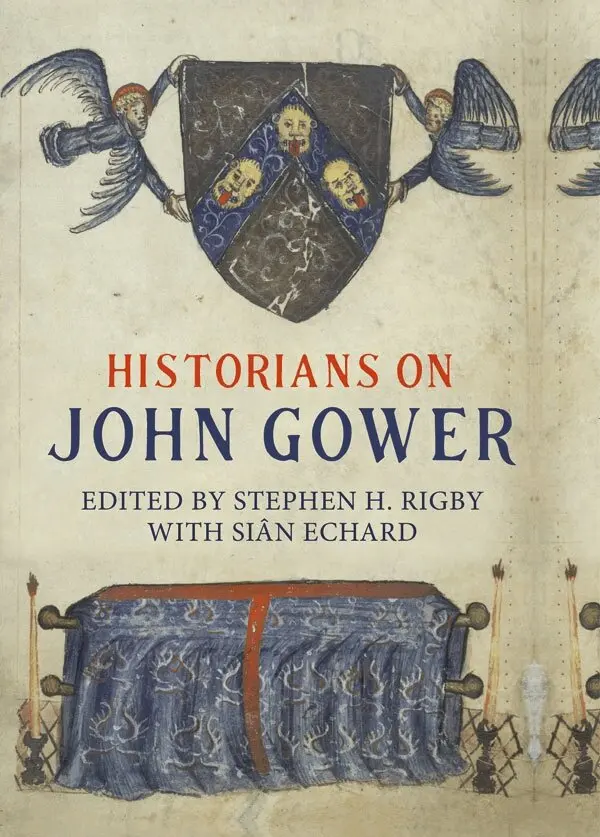
John Gower's poetry offers an important and immediate response to the turbulent events of his day. The essays here examine his life and his works from an historical angle, bringing out fresh new insights.The late fourteenth century was the age of the Black Death, the Peasants' Revolt, the Hundred Years War, the deposition of Richard II, the papal schism and the emergence of the heretical doctrines of John Wyclif and the Lollards. These social, political and religious crises and conflicts were addressed not only by preachers and by those involved in public affairs but also by poets, including Chaucer and Langland. Above all, though, it is in the verse of John Gower that we find the most direct engagement with contemporary events. Yet, surprisingly, few historians have examined Gower's responses to these events or have studied the broader moral and philosophical outlook which he used to make sense of them.Here, a number of eminent medievalists seek to demonstrate what historians can add to our understanding of Gower's poetry and his ideas about society (the nobility and chivalry, the peasants and the 1381 revolt, urban life and the law), the Church (the clergy, papacy, Lollardy, monasticism, and the friars) gender (masculinity and women and power), politics (political theory and the deposition of Richard II) and science and astronomy. The book also offers an important reassessment of Gower's biography based on newly-discovered primary sources.STEPHEN RIGBY is Emeritus Professor of Medieval Social and Economic History at the University of Manchester; SIAN ECHARD is Professor of English, University of British Columbia. Contributors: Mark Bailey, Michael Bennett, Martha Carlin, James Davis, Seb Falk, Christopher Fletcher, David Green, David Lepine, Martin Heale, Katherine Lewis, Anthony Musson, Stephen Rigby, Jens Röhrkasten.
1 812 kr
Skickas inom 7-10 vardagar
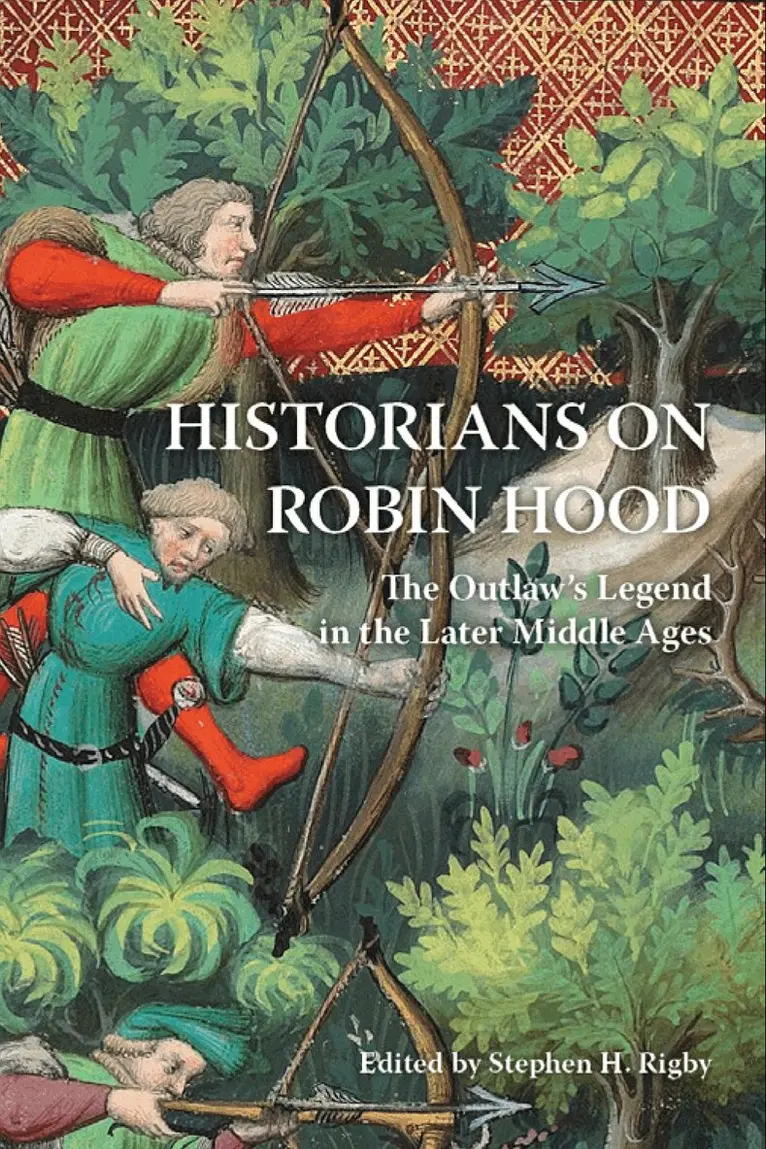
Offers a comprehensive thematic introduction to a wide range of medieval writings about the outlaw-hero from a series of different historical perspectives.By the fifteenth century, churchmen were complaining that laypeople preferred to hear stories about Robin Hood rather than to listen to the word of God. But what was the attraction of this outlaw for contemporary audiences?The essays collected here seek to examine the outlaw's legend in relation to late medieval society, politics and piety. They set out the different types of evidence which give us access to representations of Robin and his men in the pre-Reformation period, ask whether stories about the outlaw had any basis in reality and explore the many different purposes for which his legend was adapted. The volume is divided into six parts: the sources for the medieval legend of Robin Hood and its origins; social structure; social conflict; kingship, law and warfare; piety and the church; and the outlaw's legend in Wales and Scotland. Key issues addressed by its essays include the dating of the surviving tales, attitudes to social hierarchy, representations of gender and masculinity, the extent to which the tales drew upon or shaped contemporary attitudes towards law and justice, the development of Robin Hood plays and games, and whether the legend emerged from or appealed to particular social groups. It not only sheds new light on a character who, whether "real" or not, is one of the most important and memorable figures in the history of medieval England but also explores the extent to which the outlaw became popular in Scotland and Wales.
522 kr
Skickas inom 7-10 vardagar
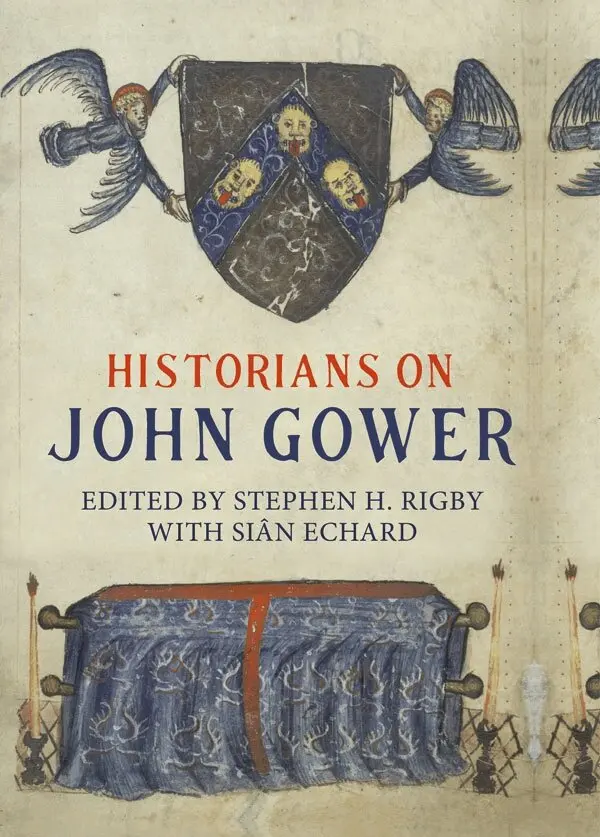
John Gower's poetry offers an important and immediate response to the turbulent events of his day. The essays here examine his life and his works from an historical angle, bringing out fresh new insights.The late fourteenth century was the age of the Black Death, the Peasants' Revolt, the Hundred Years War, the deposition of Richard II, the papal schism and the emergence of the heretical doctrines of John Wyclif and the Lollards. These social, political and religious crises and conflicts were addressed not only by preachers and by those involved in public affairs but also by poets, including Chaucer and Langland. Above all, though, it is in the verse of John Gower that we find the most direct engagement with contemporary events. Yet, surprisingly, few historians have examined Gower's responses to these events or have studied the broader moral and philosophical outlook which he used to make sense of them.Here, a number of eminent medievalists seek to demonstrate what historians can add to our understanding of Gower's poetry and his ideas about society (the nobility and chivalry, the peasants and the 1381 revolt, urban life and the law), the Church (the clergy, papacy, Lollardy, monasticism, and the friars) gender (masculinity and women and power), politics (political theory and the deposition of Richard II) and science and astronomy. The book also offers an important reassessment of Gower's biography based on newly-discovered primary sources.STEPHEN RIGBY is Emeritus Professor of Medieval Social and Economic History at the University of Manchester; SIAN ECHARD is Professor of English, University of British Columbia. Contributors: Mark Bailey, Michael Bennett, Martha Carlin, James Davis, Seb Falk, Christopher Fletcher, David Green, David Lepine, Martin Heale, Katherine Lewis, Anthony Musson, Stephen Rigby, Jens Röhrkasten.
563 kr
Kommande
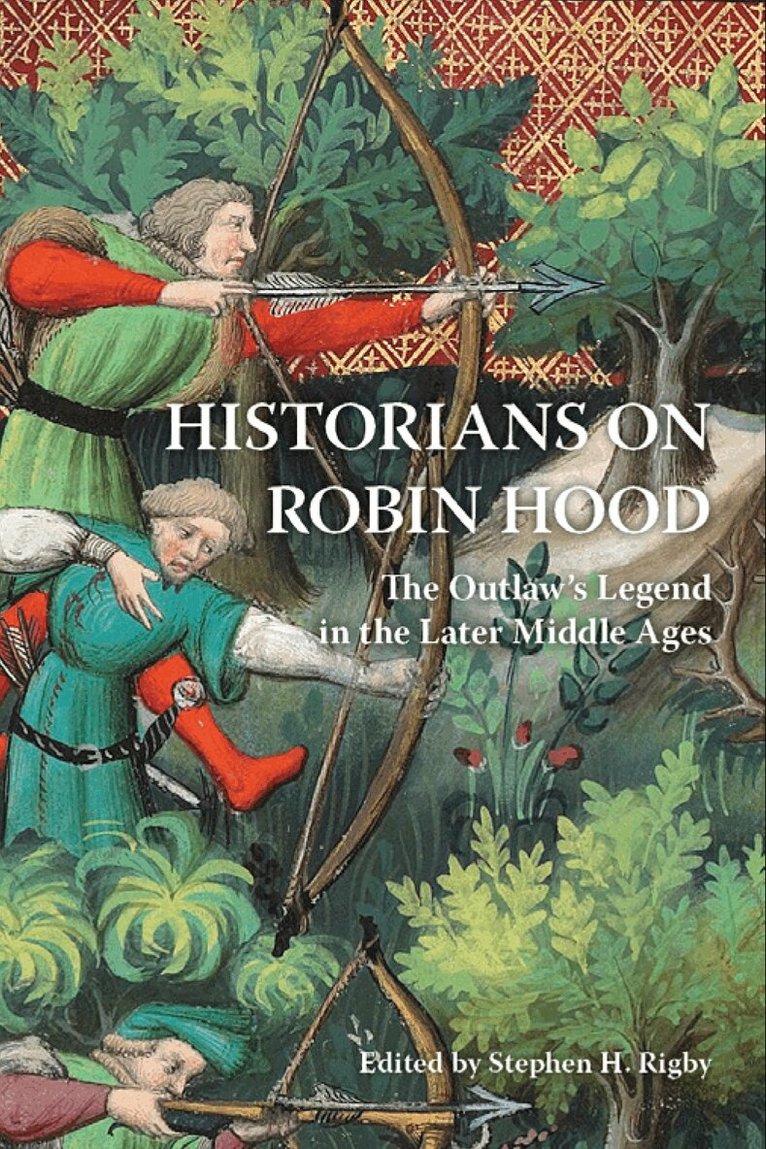
Offers a comprehensive thematic introduction to a wide range of medieval writings about the outlaw-hero from a series of different historical perspectives.By the fifteenth century, churchmen were complaining that laypeople preferred to hear stories about Robin Hood rather than to listen to the word of God. But what was the attraction of this outlaw for contemporary audiences?The essays collected here seek to examine the outlaw's legend in relation to late medieval society, politics and piety. They set out the different types of evidence which give us access to representations of Robin and his men in the pre-Reformation period, ask whether stories about the outlaw had any basis in reality and explore the many different purposes for which his legend was adapted. The volume is divided into six parts: the sources for the medieval legend of Robin Hood and its origins; social structure; social conflict; kingship, law and warfare; piety and the church; and the outlaw's legend in Wales and Scotland. Key issues addressed by its essays include the dating of the surviving tales, attitudes to social hierarchy, representations of gender and masculinity, the extent to which the tales drew upon or shaped contemporary attitudes towards law and justice, the development of Robin Hood plays and games, and whether the legend emerged from or appealed to particular social groups. It not only sheds new light on a character who, whether "real" or not, is one of the most important and memorable figures in the history of medieval England but also explores the extent to which the outlaw became popular in Scotland and Wales.
516 kr
Skickas inom 11-20 vardagar