Stephen Hampton – författare
Visar alla böcker från författaren Stephen Hampton. Handla med fri frakt och snabb leverans.
6 produkter
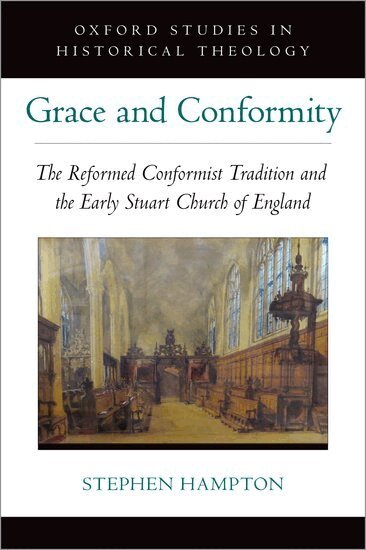
Grace and Conformity
The Reformed Conformist Tradition and the Early Stuart Church of England
Inbunden, 2021
2119 kr
Lägg i varukorg
The Reformed Conformity that flourished within the Early Stuart English Church was a rich, vibrant, and distinctive theological tradition that has never before been studied in its own right. While scholars have observed how Reformed Conformists clashed with Laudians and Puritans alike, no sustained …
Grace and Conformity
The Reformed Conformist Tradition and the Early Stuart Church of England
E-bok, 2021
1283 kr
Lägg i varukorg
The Reformed Conformity that flourished within the Early Stuart English Church was a rich, vibrant, and distinctive theological tradition that has never before been studied in its own right. While scholars have observed how Reformed Conformists clashed with Laudians and Puritans alike, no sustained …
Grace and Conformity
The Reformed Conformist Tradition and the Early Stuart Church of England
E-bok, 2021
1283 kr
Lägg i varukorg
The Reformed Conformity that flourished within the Early Stuart English Church was a rich, vibrant, and distinctive theological tradition that has never before been studied in its own right. While scholars have observed how Reformed Conformists clashed with Laudians and Puritans alike, no sustained …
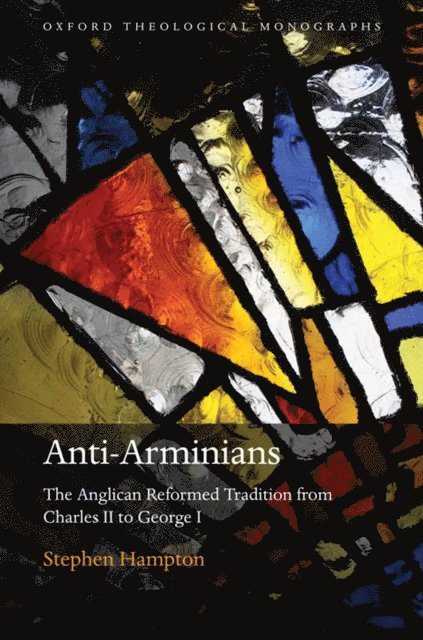
Anti-Arminians
The Anglican Reformed Tradition from Charles II to George I
E-bok, 2008
1430 kr
Lägg i varukorg
This book is a study of the Anglican Reformed tradition (often inaccurately described as Calvinist) after the Restoration. Hampton sets out to revise our picture of the theological world of the later Stuart period. Arguing that the importance of the Reformed theological tradition has frequently …
Anti-Arminians
The Anglican Reformed Tradition from Charles II to George I
E-bok, 2008
1430 kr
Lägg i varukorg
This book is a study of the Anglican Reformed tradition (often inaccurately described as Calvinist) after the Restoration. Hampton sets out to revise our picture of the theological world of the later Stuart period. Arguing that the importance of the Reformed theological tradition has frequently …
Anti-Arminians
The Anglican Reformed Tradition from Charles II to George I
Inbunden, 2008
2507 kr
Lägg i varukorg
This book is a study of the Anglican Reformed tradition (often inaccurately described as Calvinist) after the Restoration. Hampton sets out to revise our picture of the theological world of the later Stuart period. Arguing that the importance of the Reformed theological tradition has frequently …