Stephen Jessee – författare
Visar alla böcker från författaren Stephen Jessee. Handla med fri frakt och snabb leverans.
8 produkter
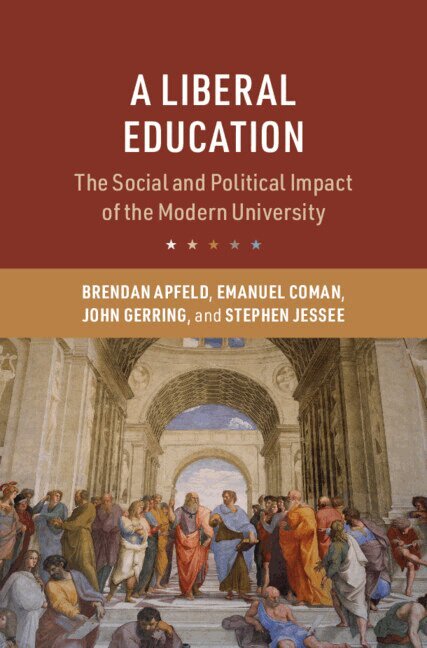
A Liberal Education
The Social and Political Impact of the Modern University
Av Brendan Apfeld, Emanuel Coman m. fl.
Häftad, 2024
442 kr
Lägg i varukorg
Enlisting a natural experiment, global surveys, and historical data, this book examines the university's evolution and its contemporary impact. Its authors conduct an unprecedented big-data comparative study of the consequences of higher education on ideology, democratic citizenship, and more. They …
Liberal Education
The Social and Political Impact of the Modern University
Av Stephen Jessee, John Gerring m. fl.
E-bok, 2024
428 kr
Lägg i varukorg
Liberal Education
The Social and Political Impact of the Modern University
Av Stephen Jessee, John Gerring m. fl.
E-bok, 2024
428 kr
Lägg i varukorg
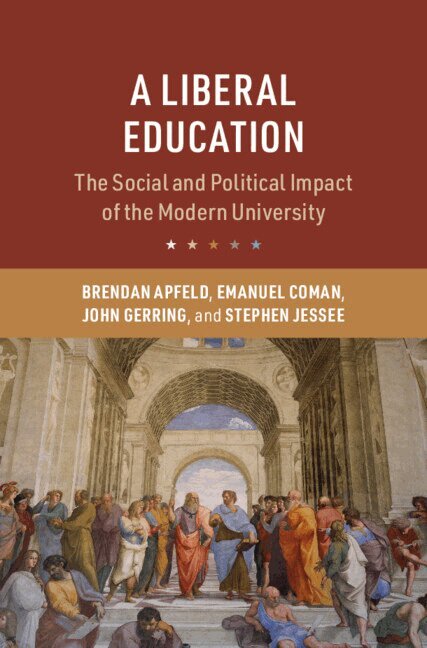
A Liberal Education
The Social and Political Impact of the Modern University
Av Brendan Apfeld, Emanuel Coman m. fl.
Inbunden, 2024
1316 kr
Lägg i varukorg
Enlisting a natural experiment, global surveys, and historical data, this book examines the university's evolution and its contemporary impact. Its authors conduct an unprecedented big-data comparative study of the consequences of higher education on ideology, democratic citizenship, and more. They …
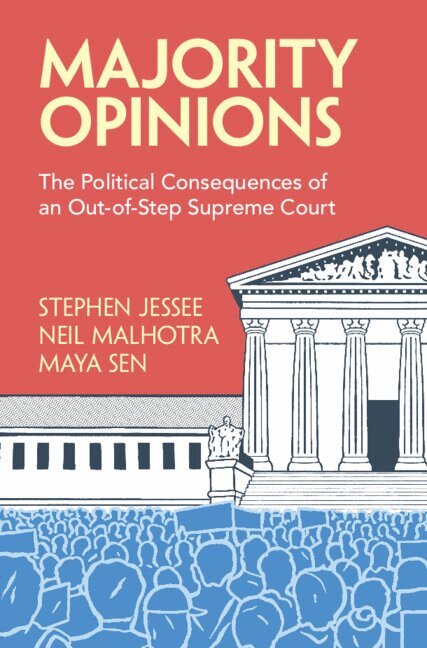
Majority Opinions
The Political Consequences of an Out-of-Step Supreme Court
Av Maya Sen, Neil Malhotra m. fl.
E-bok, 2026
375 kr
Lägg i varukorg
Majority Opinions
The Political Consequences of an Out-of-Step Supreme Court
Av Stephen Jessee, Neil Malhotra m. fl.
Inbunden, 2026
1213 kr
Lägg i varukorg
The Supreme Court's composition tends to remain stable over time, yet its docket and rulings change, affecting our understanding of the Court's broader political ramifications. In Majority Opinions, Stephen Jessee, Neil Malhotra and Maya Sen examine how the Supreme Court's alignment with public …
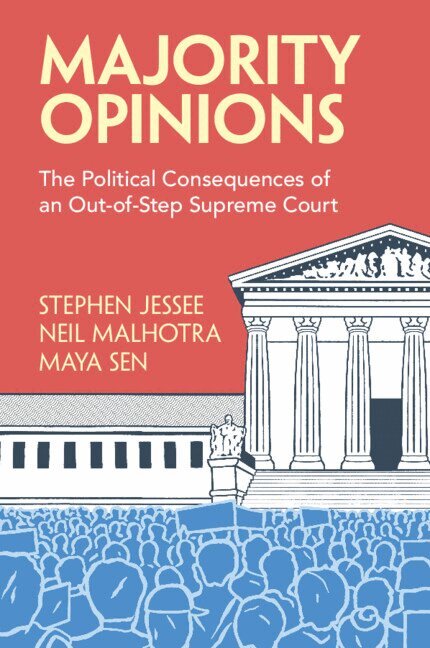
Majority Opinions
The Political Consequences of an Out-of-Step Supreme Court
Av Stephen Jessee, Neil Malhotra m. fl.
Häftad, 2026
350 kr
Lägg i varukorg
The Supreme Court's composition tends to remain stable over time, yet its docket and rulings change, affecting our understanding of the Court's broader political ramifications. In Majority Opinions, Stephen Jessee, Neil Malhotra and Maya Sen examine how the Supreme Court's alignment with public …
Majority Opinions
The Political Consequences of an Out-of-Step Supreme Court
Av Maya Sen, Neil Malhotra m. fl.
E-bok, 2026
367 kr
Lägg i varukorg