Stephen Kuusisto – författare
Visar alla böcker från författaren Stephen Kuusisto. Handla med fri frakt och snabb leverans.
11 produkter
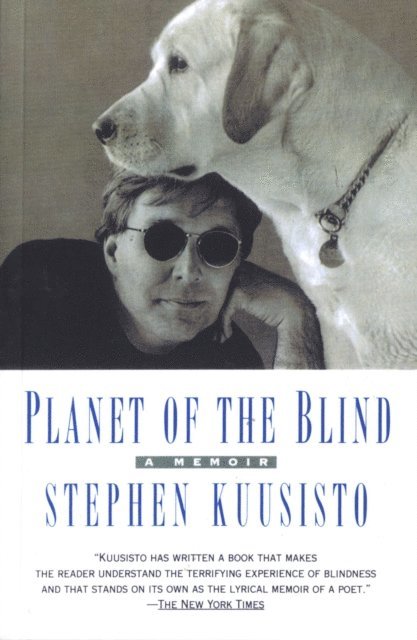
Planet of the Blind
A Memoir
E-bok, 2013
81 kr
Lägg i varukorg
"The world is a surreal pageant," writes Stephen Kuusisto. "Ahead of me the shapes and colors suggest the sails of Tristan''s ship or an elephant''s ear floating in air, though in reality it is a middle-aged man in a London Fog rain coat which billows behind him in the April wind." So begins …
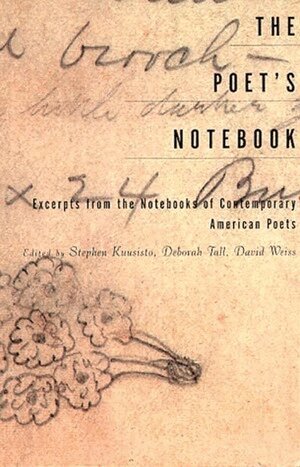
Poet's Notebook
Excerpts from the Notebooks of 26 American Poets
Av Stephen Kuusisto, Deborah Tall m. fl.
Häftad, 1997
361 kr
Lägg i varukorg
The Poet's Notebook brings together excerpts from the working notebooks of twenty-six American poets. Unsystematic, spontaneous, irreverent, intense, witty, unexpected, these notebooks shimmer with reflections, speculations, confessions, quotations, impressions, and ruminations. They create a …
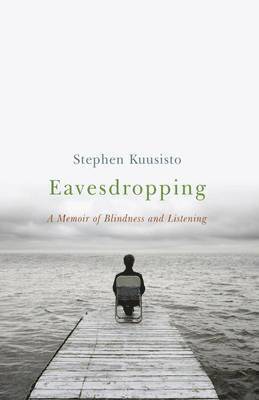
Eavesdropping
A Memoir of Blindness and Listening
Häftad, 2006
266 kr
Lägg i varukorg
Blind people are not casual listeners. Blind since birth, Stephen Kuusisto recounts with a poet's sense of detail the surprise that comes when we are actively listening to our surroundings. There is an art to eavesdropping. Like Annie Dillard's An American Childhood or Dorothy Allison's One or Two …
Have Dog, Will Travel
A Poet''s Journey
E-bok, 2018
186 kr
Lägg i varukorg
In a lyrical love letter to guide dogs everywhere, a blind poet shares his delightful story of how a guide dog changed his life and helped him discover a newfound appreciation for travel and independence. Stephen Kuusisto was born legally blind—but he was also raised in the 1950s and taught to deny …
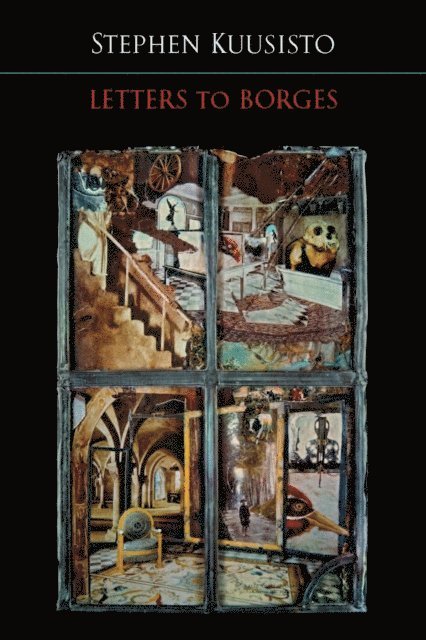
Letters to Borges
Häftad, 2013
177 kr
Lägg i varukorg
"[Kuusisto] is a powerful writer with a musical ear for language and a gift for emotional candor."— The New York Times "A talented writer judged against any standard."— USA Today Best-selling memoirist Stephen Kuusisto uses the themes of travel, place, religion, music, art, and loneliness to …
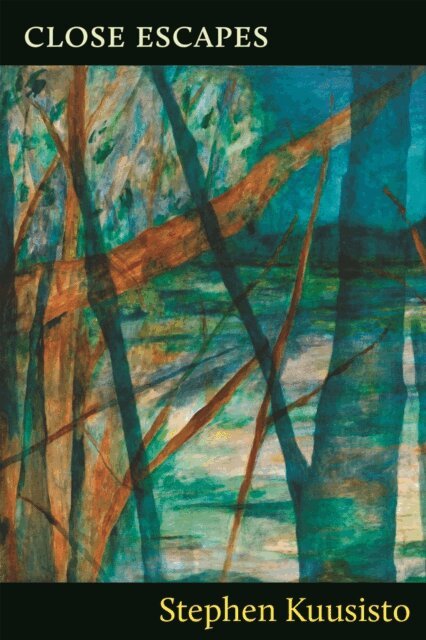
Close Escapes
Häftad, 2025
187 kr
Lägg i varukorg
Navigating a sightless world with intelligence and dark humor, Close Escapes searches for an answer to our earthly existence by way of visions only the blind can see. “Never 'in' time,” Stephen Kuusisto’s third poetry collection, Close Escapes , moves through a river of memory. In one poem, …
Letters to Borges
E-bok, 2013
168 kr
Lägg i varukorg
"[Kuusisto] is a powerful writer with a musical ear for language and a gift for emotional candor."— The New York Times "A talented writer judged against any standard."— USA Today Best-selling memoirist Stephen Kuusisto uses the themes of travel, place, religion, music, art, and loneliness to …
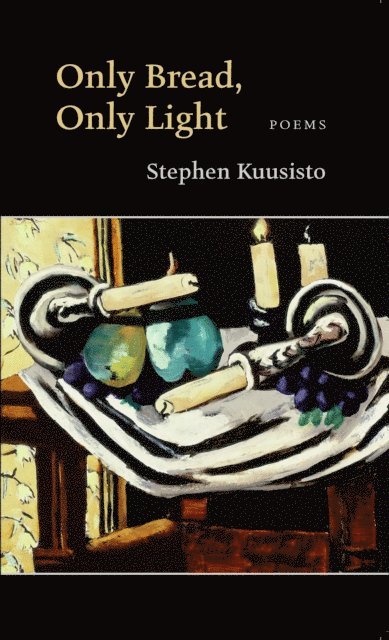
Only Bread, Only Light
Poems
E-bok, 2012
153 kr
Lägg i varukorg
With this, his first collection of poetry, Stephen Kuusisto (author of the memoir Planet of the Blind ) explores blindness and curiosity, loneliness and the found instruments of continuation. Exploiting the seeming contradiction of poetry’s reliance upon visual imagery with Kuusisto’s own …
Close Escapes
E-bok, 2025
259 kr
Lägg i varukorg
Navigating a sightless world with intelligence and dark humor, Close Escapes searches for an answer to our earthly existence by way of visions only the blind can see. “Never ''in'' time,” Stephen Kuusisto’s third poetry collection, Close Escapes , moves through a river of memory. In one poem, …