Stephen Pemberton - Böcker
Visar alla böcker från författaren Stephen Pemberton. Handla med fri frakt och snabb leverans.
3 produkter
3 produkter
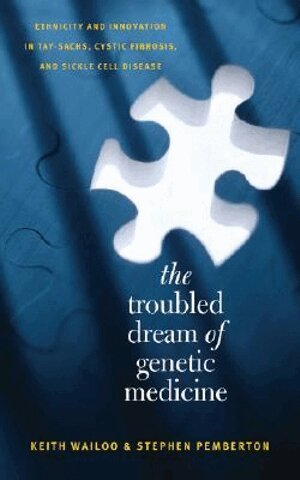
Troubled Dream of Genetic Medicine
Ethnicity and Innovation in Tay-Sachs, Cystic Fibrosis, and Sickle Cell Disease
Inbunden, Engelska, 2006
782 kr
Skickas
Why do racial and ethnic controversies become attached, as they often do, to discussions of modern genetics? How do theories about genetic difference become entangled with political debates about cultural and group differences in America? Such issues are a conspicuous part of the histories of three hereditary diseases: Tay-Sachs, commonly identified with Jewish Americans; cystic fibrosis, often labeled a "Caucasian" disease; and sickle cell disease, widely associated with African Americans. In this captivating account, historians Keith Wailoo and Stephen Pemberton reveal how these diseases-fraught with ethnic and racial meanings for many Americans-became objects of biological fascination and crucibles of social debate. Peering behind the headlines of breakthrough treatments and coming cures, they tell a complex story: about different kinds of suffering and faith, about unequal access to the promises and perils of modern medicine, and about how Americans consume innovation and how they come to believe in, or resist, the notion of imminent medical breakthroughs.With Tay-Sachs, cystic fibrosis, and sickle cell disease as a powerful backdrop, the authors provide a glimpse into a diverse America where racial ideologies, cultural politics, and conflicting beliefs about the power of genetics shape disparate health care expectations and experiences.
Troubled Dream of Genetic Medicine
Ethnicity and Innovation in Tay-Sachs, Cystic Fibrosis, and Sickle Cell Disease
Häftad, Engelska, 2006
343 kr
Skickas inom 7-10 vardagar
Why do racial and ethnic controversies become attached, as they often do, to discussions of modern genetics? How do theories about genetic difference become entangled with political debates about cultural and group differences in America? Such issues are a conspicuous part of the histories of three hereditary diseases: Tay-Sachs, commonly identified with Jewish Americans; cystic fibrosis, often labeled a "Caucasian" disease; and sickle cell disease, widely associated with African Americans. In this captivating account, historians Keith Wailoo and Stephen Pemberton reveal how these diseases-fraught with ethnic and racial meanings for many Americans-became objects of biological fascination and crucibles of social debate. Peering behind the headlines of breakthrough treatments and coming cures, they tell a complex story: about different kinds of suffering and faith, about unequal access to the promises and perils of modern medicine, and about how Americans consume innovation and how they come to believe in, or resist, the notion of imminent medical breakthroughs.With Tay-Sachs, cystic fibrosis, and sickle cell disease as a powerful backdrop, the authors provide a glimpse into a diverse America where racial ideologies, cultural politics, and conflicting beliefs about the power of genetics shape disparate health care expectations and experiences.
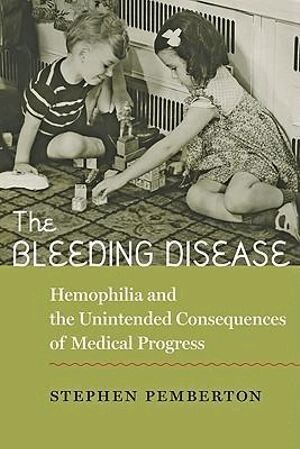
Bleeding Disease
Hemophilia and the Unintended Consequences of Medical Progress
Inbunden, Engelska, 2011
537 kr
Tillfälligt slut
By the 1970s, a therapeutic revolution, decades in the making, had transformed hemophilia from an obscure hereditary malady into a manageable bleeding disorder. Yet the glory of this achievement was short lived. The same treatments that delivered some normalcy to the lives of persons with hemophilia brought unexpectedly fatal results in the 1980s when people with the disease contracted HIV-AIDS and Hepatitis C in staggering numbers. The Bleeding Disease recounts the promising and perilous history of American medical and social efforts to manage hemophilia in the twentieth century. This is both a success story and a cautionary tale, one built on the emergence in the 1950s and 1960s of an advocacy movement that sought normalcy-rather than social isolation and hyper-protectiveness-for the boys and men who suffered from the severest form of the disease. Stephen Pemberton evokes the allure of normalcy as well as the human costs of medical and technological progress in efforts to manage hemophilia.He explains how physicians, advocacy groups, the blood industry, and the government joined patients and families in their unrelenting pursuit of normalcy-and the devastating, unintended consequences that pursuit entailed. Ironically, transforming the hope of a normal life into a purchasable commodity for people with bleeding disorders made it all too easy to ignore the potential dangers of delivering greater health and autonomy to hemophilic boys and men.