Stephen Wynn – författare
Visar alla böcker från författaren Stephen Wynn. Handla med fri frakt och snabb leverans.
65 produkter
65 produkter
Inbunden, Engelska, 2024
265 kr
Skickas
Englandspiel Nordpol, or Operation North Pole, was a successful Second World War counterintelligence operation conducted by Germany's military intelligence (the Abwehr) between 1942 and 1944.On the night of 6-7 November 1941 two SOE agents, Huub Lauwers and Thys Taconis were parachuted into the Netherlands and dropped over Stegerveld, near Ommen. Lauwers was captured on 6 March 1942, whilst Taconis was captured 3 days later on 9 March. Lauwers was persuaded to send messages back to London by the Germans, in which he intentionally left out two security checks. This should have automatically sounded 'alarm bells' with those who received the messages, but for some inexplicable reason, it did not. Whether this was just a genuine mistake or something more sinister has never been fully ascertained. After all, security checks were in place to ensure that messages received from agents in the field were genuine and were part of the SOE's own transmission protocol. As no one in London realised messages being received from SOE agents in the Netherlands were being sent under the control and direction of German military intelligence, more and more agents and equipment followed unabated for more than 18 months. Of the 54 SOE agents sent to the Netherlands from England during Operation North Pole, 50 died or were executed whilst being held prisoner by the Germans.
Inbunden, Engelska, 2025
262 kr
Skickas
Stalag Luft lll was where Germany sent all its habitual Allied escapers, and the first British and Commonwealth POWs arrived there on 11 April 1942.The following year, on 29 October, what became known as The Wooden Horse Escape took place – the name deriving from the use of a gymnastic vaulting horse to cover the fact that a tunnel was being dug underneath. The escape was devised by Flight Lieutenant Eric Williams and Lieutenant Richard Michael Codner. Joined by Pilot Officer Oliver Philpot, all three men escaped and made it safely back to England. The escape inspired others and, five months later, on the evening of 24/25 March 1944, what became known as the Great Escape took place.The intention was to break out more than 200 British and Allied POWs, but a combination of tunnel collapses, a nearby Allied air raid and the discovery of the tunnel exit meant only 76 escapees made it out. Only 3 made it back to the UK, with 73 being recaptured and 50 of those being murdered by the Gestapo on Hitler’s orders.Both escapes were made famous first by books and then even more famous by their respective films, and although not entirely accurate, each ensured that the stories told would reach a worldwide audience.
Inbunden, Engelska, 2024
232 kr
Skickas
The Battle of Itter Castle was undoubtedly one of the strangest events of the Second World War, being one of only two occasions during the war in which Americans and Germans fought side by side.The castle was seized by the Nazis on 7 February 1943, on the direct orders of Heinrich Himmler, and in just ten weeks was changed into a five-star prison for a number of high-ranking French dignitaries, both civilian and military.In the final days of the war, in May 1945, with the castle's German guards having deserted their posts and an attack by SS units imminent, those inside the castle realised they needed help. Having sent out two men to try to make contact with American forces, it was then a case of sit and wait, not knowing if they had been successful in their task or had been captured and killed by the SS.Help eventually arrived in the shape of United States Army Captain John C. "Jack" Lee, his tank and a handful of men, along with German Wehrmacht officer Major Josef "Sepp" Gangl, and some of his men. Although happy that their 'prayers' had been answered and help had arrived, the French dignitaries could not hide their disappointment at such a small force of rescuers.The subsequent battle started early on the morning of Saturday, 5 May, and continued until mid-afternoon when a larger American force arrived and defeated the remaining SS forces. The victory came at a price for Major Gangl, who was the only one of the defenders to lose his life in the fighting.
E-bok
PDF, Engelska, 2024140 kr
Läs direkt efter köp
The Battle of Itter Castle was undoubtedly one of the strangest events of the Second World War, being one of only two occasions during the war in which Americans and Germans fought side by side.The castle was seized by the Nazis on 7 February 1943, on the direct orders of Heinrich Himmler, and in just ten weeks was changed into a five-star prison for a number of high-ranking French dignitaries, both civilian and military.In the final days of the war, in May 1945, with the castle''s German guards having deserted their posts and an attack by SS units imminent, those inside the castle realised they needed help. Having sent out two men to try to make contact with American forces, it was then a case of sit and wait, not knowing if they had been successful in their task or had been captured and killed by the SS.Help eventually arrived in the shape of United States Army Captain John C. "Jack" Lee, his tank and a handful of men, along with German Wehrmacht officer Major Josef "Sepp" Gangl, and some of his men. Although happy that their ''prayers'' had been answered and help had arrived, the French dignitaries could not hide their disappointment at such a small force of rescuers.The subsequent battle started early on the morning of Saturday, 5 May, and continued until mid-afternoon when a larger American force arrived and defeated the remaining SS forces. The victory came at a price for Major Gangl, who was the only one of the defenders to lose his life in the fighting.
E-bok
Engelska, 2022156 kr
Läs direkt efter köp
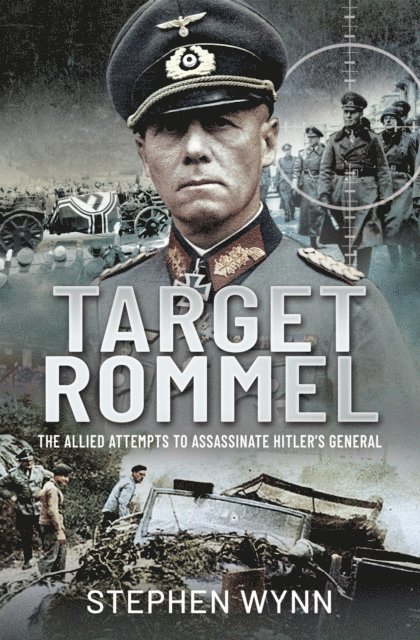
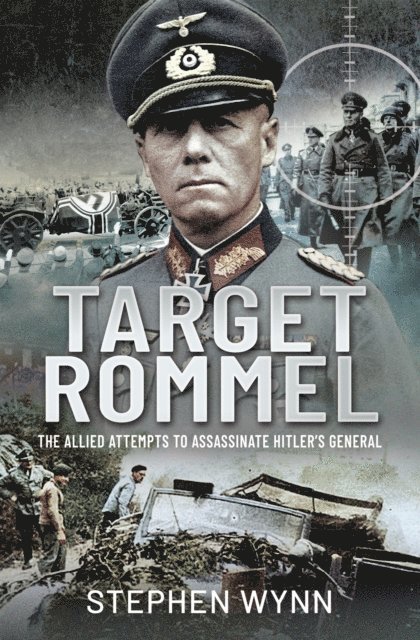
From a German perspective, the highly decorated and well respected General Erwin Rommel was one of their biggest and brightest assets: a military strategist who thought ‘outside of the box’, a tactic which more than once either brought him an unexpected victory, or saved him from almost certain defeat. His reputation had been gained early in the Second World War, whilst commander of the 7th Panzer Division during the invasion of France, and as the commander of German forces during the North African campaign between 1941 and 1943. Such was his influence not only as a military strategist but on the morale of the men who served under him, as well as that of the German public, that the British government decided it needed to make concerted efforts to try to capture or eliminate him, making Rommel the only German officer of the Second World War that the allied authorities were prepared to put such time, manpower and commitment into eliminating. Two operations were put in to place to try to achieve this: Operation Flipper in November 1941, and Operation Gaff in July 1944. Both operations failed for different reasons, but just three months after the latter of the two operations, Rommel was dead, forced to commit suicide by Adolf Hitler for his part in the attempt to assassinate him on 20 July 1944. Such was the level of Rommel’s popularity and importance that the Nazi authorities reported the cause of his death to be injuries sustained in an attack on his staff car by enemy aircraft. Indeed, it was only after the war that the truth behind his death was revealed.
E-bok
PDF, Engelska, 2022156 kr
Läs direkt efter köp
From a German perspective, the highly decorated and well respected General Erwin Rommel was one of their biggest and brightest assets: a military strategist who thought ‘outside of the box’, a tactic which more than once either brought him an unexpected victory, or saved him from almost certain defeat. His reputation had been gained early in the Second World War, whilst commander of the 7th Panzer Division during the invasion of France, and as the commander of German forces during the North African campaign between 1941 and 1943.Such was his influence not only as a military strategist but on the morale of the men who served under him, as well as that of the German public, that the British government decided it needed to make concerted efforts to try to capture or eliminate him, making Rommel the only German officer of the Second World War that the allied authorities were prepared to put such time, manpower and commitment into eliminating.Two operations were put in to place to try to achieve this: Operation Flipper in November 1941, and Operation Gaff in July 1944. Both operations failed for different reasons, but just three months after the latter of the two operations, Rommel was dead, forced to commit suicide by Adolf Hitler for his part in the attempt to assassinate him on 20 July 1944. Such was the level of Rommel’s popularity and importance that the Nazi authorities reported the cause of his death to be injuries sustained in an attack on his staff car by enemy aircraft. Indeed, it was only after the war that the truth behind his death was revealed.
Häftad, Engelska, 2027
165 kr
Kommande
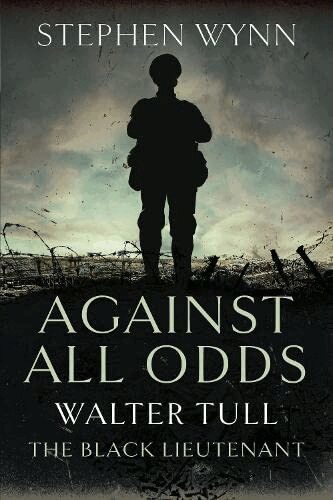
Walter Tull would have been a remarkable individual no matter when he had been born, but to achieve what he did, during the time that he did, makes him even more remarkable. He was an orphan at just six years of age, and despite not wanting to, his step mother, Clara, had no choice but to place him and his elder brother, Edward, in to a children's home in the East End of London. As neither Walter or Edward had ever travelled outside of Folkestone before, the upheaval must have come as quite a shock. Two years after entering the home, Walter and Edward were split up when Edward was adopted and went to live in Glasgow.Walter's sporting prowess saw him play for top local amateur side, Clapton Football club, signing for them in 1908, but it was to be a short lived affair, as by the following year he had signed as a professional for the prestigious Tottenham Hotspur Football Club, making his first team debut against Manchester United.In October 1911 Walter was transferred to Northampton Town Football Club, where he would go on to play over one hundred first team games, before the First World War brought a premature end to his career as a professional footballer. With the outbreak of war, Walter wasted no time enlisting in the British Army, initially as a Private in the newly formed 17th (Football) Battalion, Middlesex Regiment. Further promotions followed and in no time at all he had reached the rank of Sergeant.He was put forward for a commission and passed out as a 2nd Lieutenant on 29 May 1917. He went on to become the first black officer in the British Army to lead white troops in to battle, and was fondly regarded by the men who served under him.Walter was killed in action whilst leading his men in a counter attack against German defensive positions on Monday 25 March 1918. He died a hero. He was well liked and respected by all who knew him. Like many men of his generation his life was cut short for the greater good whilst in the service of his country, so that others might prevail.
Häftad, Engelska, 2024
156 kr
Skickas
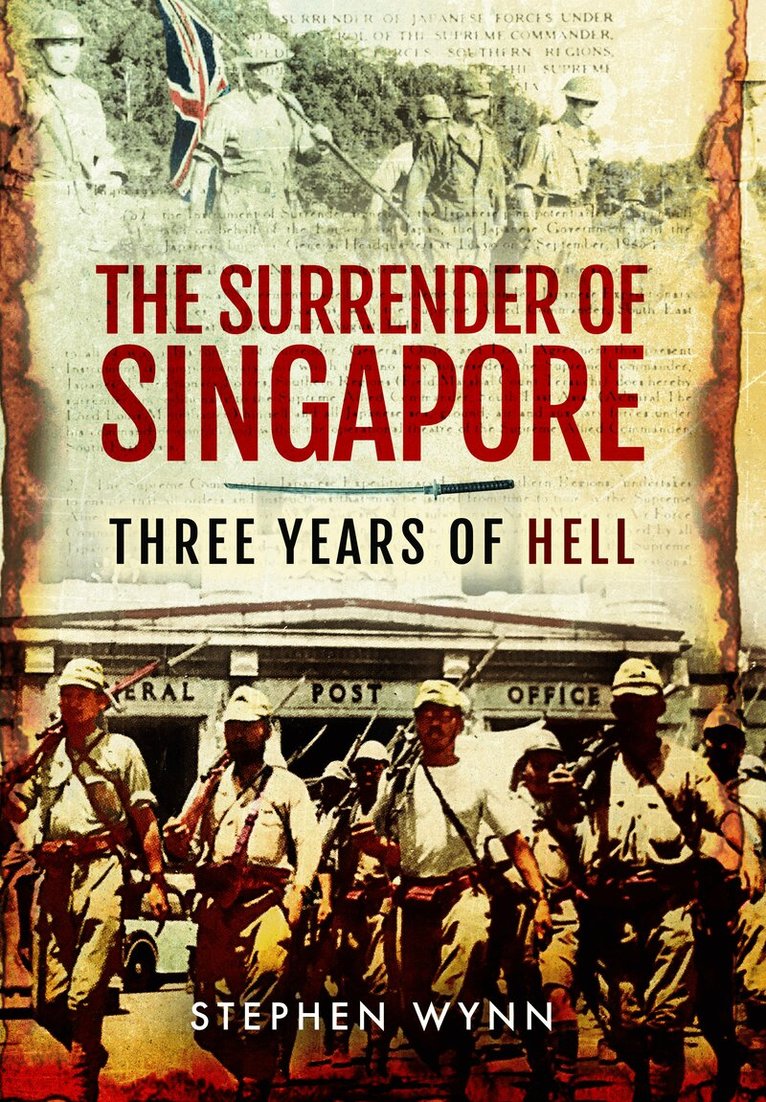
Until the late 1930s, Singapore was noted as a popular stop-off point for wealthy European travellers on their way to countries such as Australia and New Zealand. All of that changed with the outbreak of the Second World War.Despite Major-General William Dobbie, the General Officer Commanding Malaya between 8 November 1935 and August 1939, warning that Singapore could be conquered by the Japanese, his concerns went unheeded. As far as the British authorities were concerned, Singapore was an impregnable fortress.There were many reasons which led to the fall of Singapore. The apparent arrogance of some senior British military personnel and politicians; a misconception that Japanese soldiers were inferior to their American and Commonwealth counterparts; a belief that Japan would not militarily engage both America and Britain at the same time; and that as far as the Allies were concerned, victory in Europe was a priority over defeating the Japanese throughout Asia and the Pacific.Singapore fell to the Japanese in 1942 and was then controlled by them for the next three years, a time in which Chinese civilians and Commonwealth soldiers were murdered at their hands, in such incidents as the Sook Ching massacre and the Burma Railway death march.Included in this account is one mans never before told story of his time as a PoW in Changi prison. The book explores how he miraculously survived the horrors of working on the Burma railway, only to be sent back to Changi, and reveals how the Japanese authorities held letters that his wife sent him for three years.Winston Churchill decided against a public enquiry into the circumstances surrounding the fall of Singapore, and no subsequent British Government has seen fit to change that decision. This remarkable book seeks to remedy that by using an array of sources to tell the fascinating and largely forgotten story of the fall of Singapore.
Häftad, Engelska, 2017
150 kr
Skickas
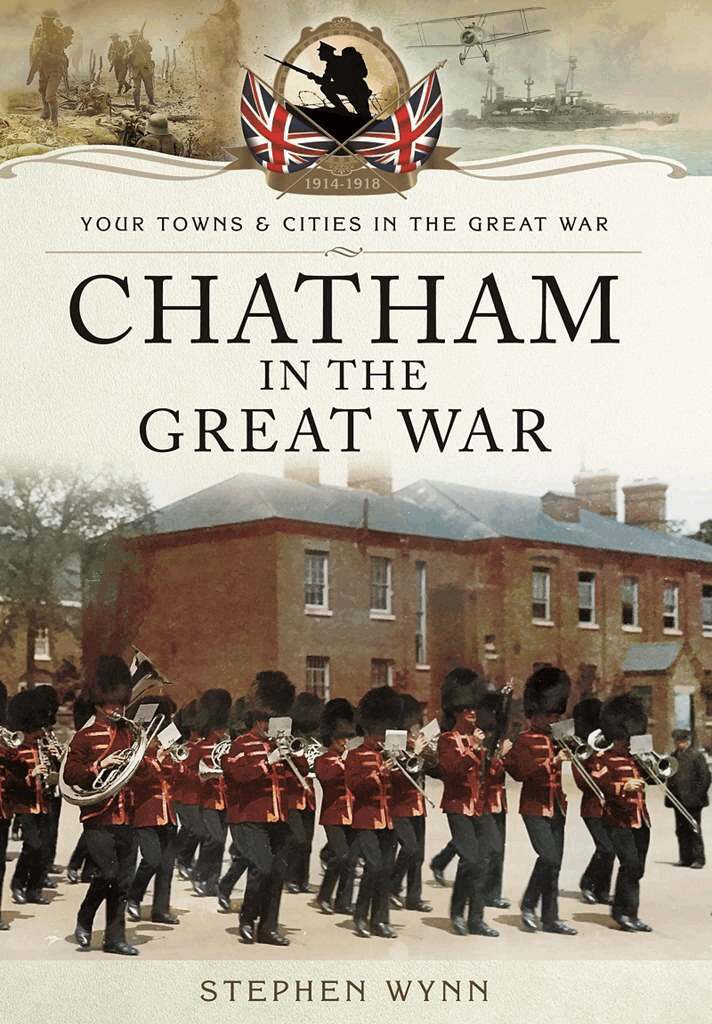
Chatham played a very important part in the nation's Great War effort. It was one of the British Royal Navy's three 'Manning Ports', with more than a third of the town's ships manned by men allocated to the Chatham Division. The war was only 6 weeks old when Chatham felt the affects of war for the first time. On 22 September 1914, three Royal Naval vessels from the Chatham Division, HMS Aboukir, Cressy and Hogue, were sunk in quick succession by a German submarine, U-9. A total of 1,459 men lost their lives that day, 1,260 of whom were from the Chatham Division. Two months later, on 26 November, the battleship HMS Bulwark exploded and sunk whilst at anchor off of Sheerness on the Kent coast. There was a loss of 736 men, many of whom were from the Chatham area. On 18 August 1914, Private 6737 Walter Henry Smith, who was nineteen and serving with the 6th Battalion, Middlesex Regiment, became the first person to be killed during wartime Chatham. He was on sentry duty with a colleague, who accidentally dropped his loaded rifle, discharging a bullet that strook Private Smith and killed him. It wasn't all doom and gloom, however.Winston Churchill, as the First Lord of the Admiralty, visited Chatham early on in the war, on 30 August 1914.On 18 September 1915, two German prisoners of war, Lieutenant Otto Thelen and Lieutenant Hans Keilback, escaped from Donnington Hall in Leicestershire. At first, it was believed they had escaped the country and were on their way back to Germany, but they were re-captured in Chatham four days later. By the end of the war, Chatham and the men who were stationed there had truly played their part in ensuring a historic Allied victory.
Häftad, Engelska, 2018
150 kr
Skickas
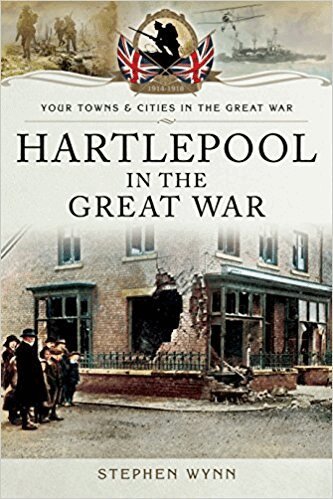
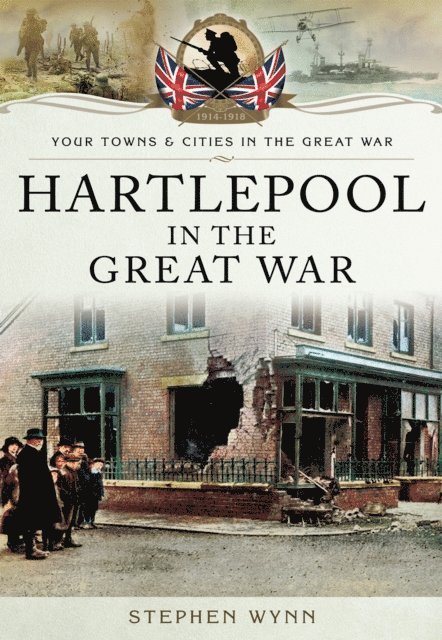
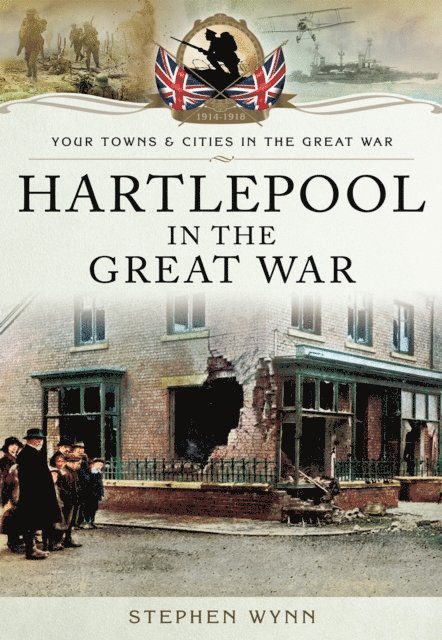
With the outbreak of the First World War, it was not surprising that a number of individuals who were of German decent, and who lived in Hartlepool and its surrounding areas, were rounded up and detained by the British military authorities, in the interests of both national security and for their own personal safety. They were held at the towns Stranton Ice Rink. Their numbers included the ex-German Consul for the Hartlepool's district as well as others who had been local residents of many years standing.The first soldier with connections to Hartlepool to be killed on foreign soil during the war, was Corporal 57561 John Robert Richardson, who was serving with the 54th Battery, Royal Field Artillery, when he was killed in action on 4 October 1914. He is buried at the Bergen Communal Cemetery at Mons.The war came to Hartlepool on the morning of Wednesday, 16 December 1914 in the shape of three vessels of the Imperial German Navy. By the time their attack was over, more than 1,100 artillery shells had landed on the town, killing 9 soldiers, 86 civilians and wounding a further 438. Amongst the dead was 29 year old Private 18/295 Theophilus Jones of the 18th Battalion, Durham Light Infantry, making him the first British serviceman to be killed on British soil as a result of enemy action during the course of the First World War. Before the war was over, his brother Alfred, would also be killed, during fighting at the Battle of Arras, on 3 May 1917.By the time the war had ended, some 1700 men and women from Hartlepool and its surrounding areas had paid the ultimate price of having served their King and country.
Häftad, Engelska, 2017
160 kr
Skickas
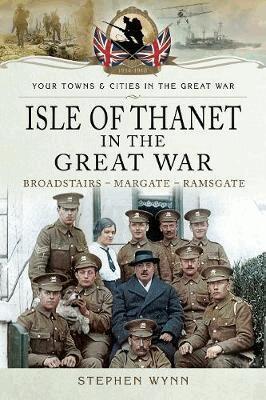
Because of the geographical location of the Isle of Thanet, it was always going to play a part in the First World War. For some wounded British and Commonwealth troops returning from the fighting in France and Belgium, it was their first sight of England in months. The Isle of Thanet just happened to be on one of the routes German Zeppelins and Gotha Bombers took on their way to try and bomb London, which meant that parts of the district were always going to be vulnerable from a sudden an unexpected attack from the air. The Isle of Thanet not only provided thousands of men for service in the armed forces, but hundreds of men and women to serve in the Voluntary Aid Detachments that were greatly needed, not just throughout the Isle of Thanet, but all over Kent, to help deal with the steady influx of returning wounded soldiers from across the English Channel. Members of local Territorial units, the 4th Battalion, The Buffs (East Kent Regiment) and the 3rd (Kent) Battalion, Royal Field Artillery, were quickly mobilized for war time service, during the early days of the war, suddenly making everything so very real for those concerned.Many of the districts Police Constables, were ex-servicemen, some of whom were still on the Army Reserve, they too were called up to once again go and serve with the colours. There was a great clamour across the country with everybody wanting to do their bit in what ever way they could, the people of the Isle of Thanet were no different. By the end of the war, they had certainly played their part in ensuring that the outcome was a victorious one, making the sadness of the ones who had paid the ultimate price, slightly easier to accept.
Häftad, Engelska, 2017
150 kr
Skickas
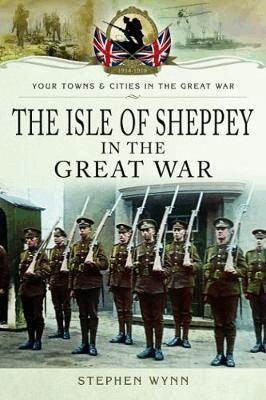
The Isle of Sheppey, although not a heavily populated area, played an extremely important part in Great Britain s war effort on the home front throughout the four and a half years of the First World War. In doing so, Sheppey provided protection for the Thames Estuary, the River Medway and the naval shipyards at both Sheerness and Chatham. Its defensive emplacements largely responsible for acquiring the nickname locally of the 'Barbed Wire Island.' One of its main claims to fame in relation to the years of the First World War would have undoubtedly been in relation to aviation. The island had been a hive of activity in relation to flying since the beginning of the twentieth century, when the Royal Aero Club came to Leysdown, making it the first airfield in England. What became Eastchurch Aerodrome was where the first pilots of the Royal Naval Air Service were trained, making it the first military flying school in the country. The Short brothers also had an aircraft factory at Eastchurch where they designed and built their own aircraft, some of which would be used during the First World War.The Isle of Sheppey also boasted another aircraft factory, which was situated at Shellbeach on the east coast of the island, an emergency landing strip at Harty on the south east side of the island, and a balloon station at Sheerness. The First World War certainly saw the Isle of Sheppey rise to the occasion and add to its long and illustrious military history. The part it played went a long way in enhancing the island s reputation of having a dogged determination to do what needed to be done for the greater good in the nations time of need.
Häftad, Engelska, 2017
150 kr
Skickas
The First World War was fought on two fronts. In a military sense it was fought on the battlefields throughout Europe, the Gallipoli peninsular and other such theatres of war, but on the Home Front it was the arduous efforts of women that kept the country running. Before the war women in the workplace were employed in such jobs as domestic service, clerical work, shop assistants, teachers or as barmaids. These jobs were nearly all undertaken by single women, as once they were married their job swiftly became that a of a wife, mother and home maker. The outbreak of the war changed all of that. Suddenly, women were catapulted into a whole new sphere of work that had previously been the sole domain of men. Women began to work in munitions factories, as nurses in military hospitals, bus drivers, mechanics, taxi drivers, as well as running homes and looking after children, all whilst worrying about their men folk who were away fighting a war in some foreign clime, not knowing if they were ever going to see them again.With the work came a wage, which provided women with financial freedom for the first time, as well as an element of independence and social integration, which they would have possibly never otherwise experienced.Women were not paid the same wages as men for doing the same work, but what they did earn was much more than they had ever earned before. This was also a time of the suffrage movement, who wanted more out of life for women. Accordingly, some of these women were reluctant to stop working, with some of these being sacked so that returning soldiers could have their pre-war jobs back. Whilst, tens of thousands of women were left widowed, many with young children to bring up. Despite all of this, one thing was for sure, for lots of women there was no going back to how things had been before the war. There was only going to be one way, and that was forward.
Inbunden, Engelska, 2020
211 kr
Skickas
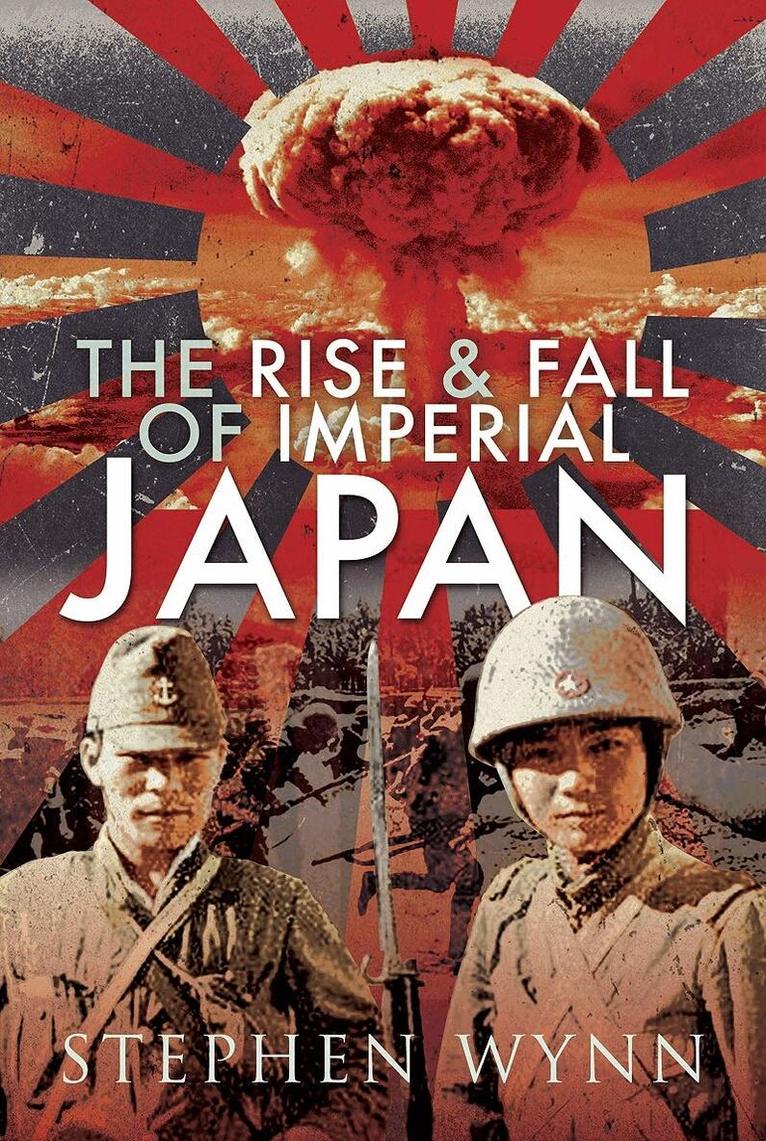
The question is, how did a once great nation that built an empire lose it all? From the Meiji Restoration in 1868, restoring Imperial rule under Emperor Meiji, until Japan's surrender at the end of the Second World War in 1945, the dream lasted a comparatively short period of time: seventy-seven years from beginning to end.Under Emperor Meiji's rule, Imperial Japan began a period of rapid industrialisation and militarisation, leading to its emergence as a world power and the establishment of a colonial empire. Economic and political turmoil in the early 1920s led Japan down the path of militarism, culminating in her conquest of large parts of the Asian and Pacific region. The beginning of this path can be traced back to the Paris Peace Conference in 1919, when Japan's proposal for racial equality was supported and approved by the other members, but overruled by the American President, Woodrow Wilson. Was this rebuttal by the West, and in particular the United States, the moment that changed the course of history?During the empire's existence, Japan was involved in some sixteen conflicts, resulting in the occupation of numerous countries and islands throughout Asia and the Pacific regions. Thousands were under the emperor's control, not all of whom were treated as they should have been.The book culminates with the atomic bombs dropped on Hiroshima and Nagasaki, which finally brought about Japan's surrender and the end of the war in Asia and the Pacific.
Häftad, Engelska, 2020
150 kr
Skickas
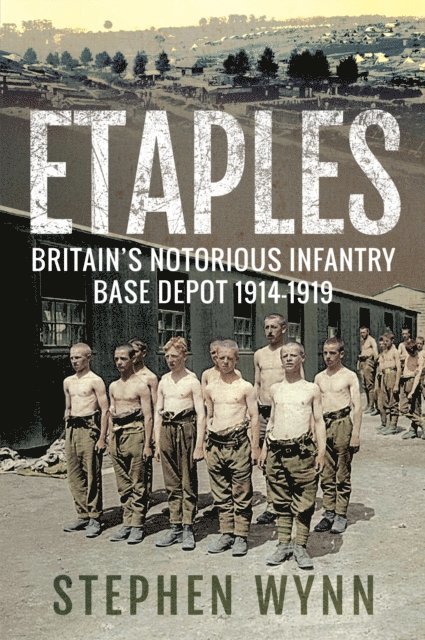
During the First World War, Etaples, a coastal fishing port situated on the North-East French coast, 15 miles south of Boulogne, was a base camp for the British Army, as well as a major medical facility for wounded and sick troops, including both British and Canadian hospitals. The Etaples camp also included a military cemetery, which by the end of the war contained the graves of more than 11,000 British and British Imperial soldiers.Soldiers crossing the Channel on their way to the battlefields of the Western Front found themselves at the Etaples camp, where they would stay an average of two weeks undergoing further training and drills. The training staff who oversaw them had a bad reputation for either their training methods or their lack of genuine military experience at the Front.The Etaples camp was also part of the route taken by men on their way back to the UK. Opportunities for leisure and recreation activities for soldiers away from the camp could be found in Etaples town. Officers, meanwhile, headed to the slightly more up-market beach resort of nearby Le Touquet, which was separated from the Etaples area by the river Canche, and accessible by a bridge. To ensure it remained 'just for officers,' pickets, usually members of the Military Police, were placed on the bridge to enforce its exclusiveness.The men's overall treatment, conditions in the camp and the poor relationship between them and members of the Military Police, was a cocktail for disaster, culminating in a number of incidents in September 1917, which have collectively become known as the Etaples Mutiny, the full story of which can be found in this book.
E-bok
Engelska, 202014 kr
Läs direkt efter köp
An account of the mismanagement and divisive atmosphere of the British Army's First World War base camp, which led to the infamous Etaples Mutiny. A coastal fishing port situated on the northeast French coast, fifteen miles south of Boulogne, Etaples was a base camp for the British Army, as well as a major medical facility for wounded and sick troops, including both British and Canadian hospitals. Soldiers crossing the Channel on their way to the battlefields of the Western Front found themselves at the Etaples camp, where they would stay an average of two weeks undergoing further training and drills. The training staff who oversaw them had a bad reputation for either their training methods or their lack of genuine military experience at the Front. The Etaples camp was also part of the route taken by men on their way back to the UK. Opportunities for leisure and recreation activities for soldiers away from the camp could be found in Etaples town. Officers, meanwhile, headed to the slightly more up-market beach resort of nearby Le Touquet, which was separated from the Etaples area by the river Canche, and accessible by a bridge. To ensure it remained "e;just for officers,"e; pickets, usually members of the Military Police, were placed on the bridge to enforce its exclusiveness. The men's overall treatment, conditions in the camp and the poor relationship between them and members of the Military Police, was a cocktail for disaster, culminating in a number of incidents in September 1917, which have collectively become known as the Etaples Mutiny, the full story of which can be found in this book.
E-bok
PDF, Engelska, 202014 kr
Läs direkt efter köp
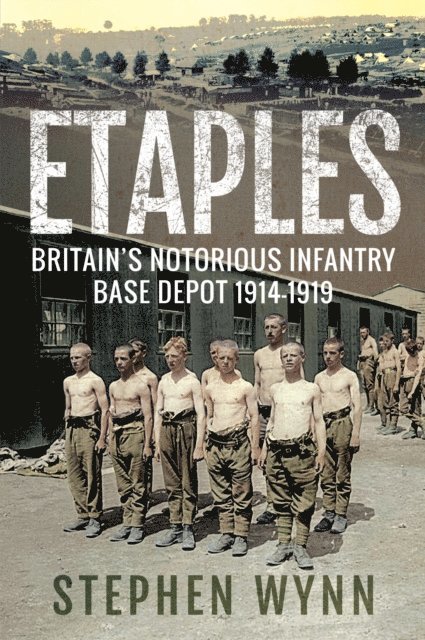
An account of the mismanagement and divisive atmosphere of the British Army's First World War base camp, which led to the infamous Etaples Mutiny. A coastal fishing port situated on the northeast French coast, fifteen miles south of Boulogne, Etaples was a base camp for the British Army, as well as a major medical facility for wounded and sick troops, including both British and Canadian hospitals. Soldiers crossing the Channel on their way to the battlefields of the Western Front found themselves at the Etaples camp, where they would stay an average of two weeks undergoing further training and drills. The training staff who oversaw them had a bad reputation for either their training methods or their lack of genuine military experience at the Front. The Etaples camp was also part of the route taken by men on their way back to the UK. Opportunities for leisure and recreation activities for soldiers away from the camp could be found in Etaples town. Officers, meanwhile, headed to the slightly more up-market beach resort of nearby Le Touquet, which was separated from the Etaples area by the river Canche, and accessible by a bridge. To ensure it remained "e;just for officers,"e; pickets, usually members of the Military Police, were placed on the bridge to enforce its exclusiveness. The men's overall treatment, conditions in the camp and the poor relationship between them and members of the Military Police, was a cocktail for disaster, culminating in a number of incidents in September 1917, which have collectively become known as the Etaples Mutiny, the full story of which can be found in this book.
E-bok
Engelska, 2021123 kr
Läs direkt efter köp
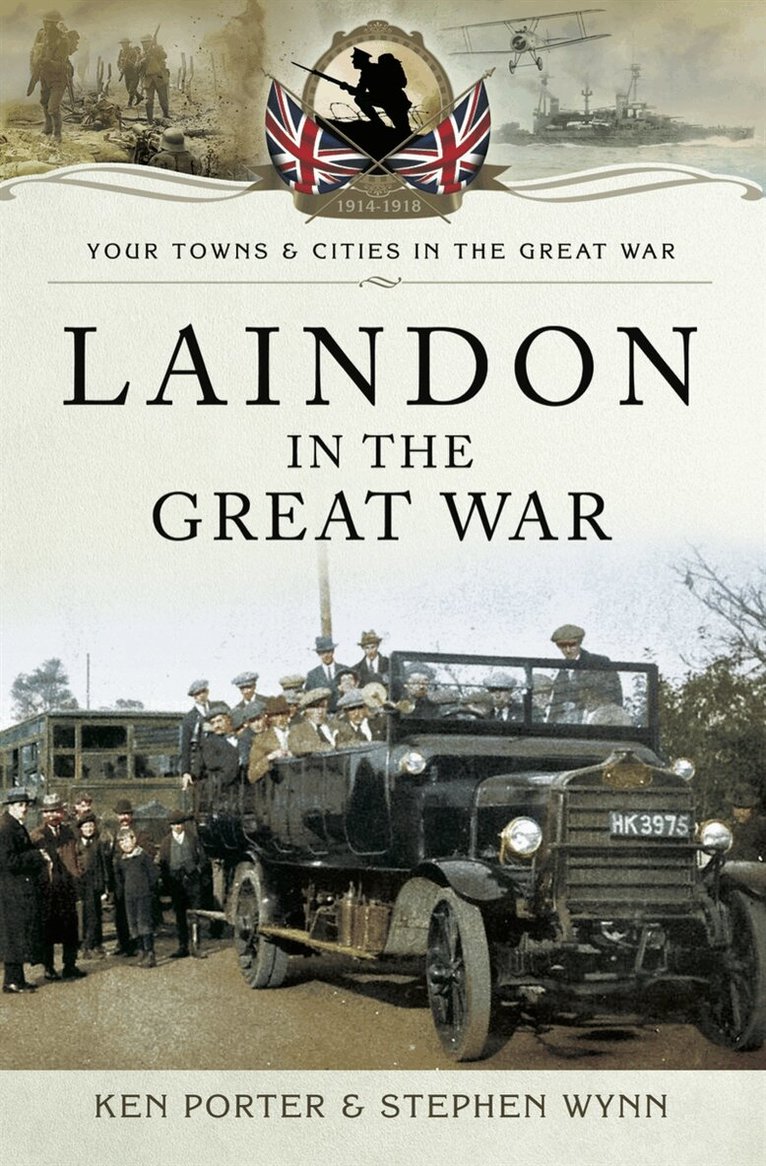
A brief history of how the people of Laindon and district coped with the problems of the First World War
• Throughout the book are individual family memories, over 100 photographs and appropriate oems mostly written at the time.
• Indication of why Britain went to war
• Insight into the role of the local Explosive factories.
• Individual stories of those who applied for exemption and the hysteria of suspected spies.
• The role played by our Women Folk
• Culminating in individual stories of our men folk who went to war on our behalf.
E-bok
Engelska, 2021128 kr
Läs direkt efter köp
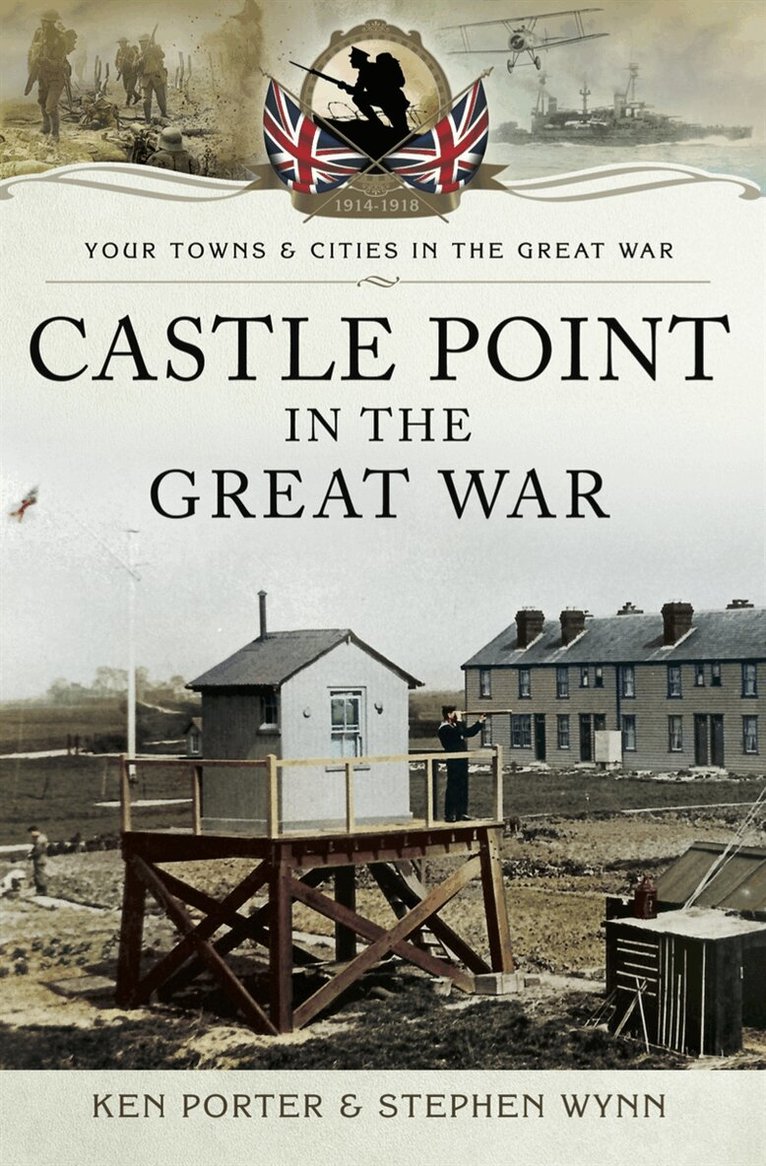
Prior to the outbreak of the Great War in 1914, the Castle Point District was madeup of four very quaint, peaceful little parishes: Canvey Island, South Benfleet,Hadleigh and Thundersley. The initial enthusiasm shown by the young men of thisarea, who were enthusiastic to be part of an adventure that was to be ‘over byChristmas’, was mirrored by thousands of other courageous young men aroundBritain. Most understood that it was their sworn duty to stand up for their king andcountry. They didn’t stop to think or even fully appreciate the hardship and fear theywould leave behind on the home front.This book tells of the memories and recollections of some of these brave men whowere fortunate enough to return home to their friends and families. For the ones whoweren’t so lucky, we hear from the people who endured the pain of a love lost forevermore.Included throughout are a collection of invaluable wartime newspaper reports thatrecount daily life, telling of the sacrifices that those left behind had to endure whilstreading about the war dead, their numbers increasing on an almost daily basis.From the extraordinary role of women during the war, the conscientious objectorsand those exempt from the fighting, to the aftermath of war when the districtcelebrated victory while dealing with the painful loss of 189 men, all aspects ofwartime Castle Point are covered in this remarkable account, interspersed with anumber of wartime poems that further explain in verse what life was like during thesedark days.
E-bok
Engelska, 2021123 kr
Läs direkt efter köp
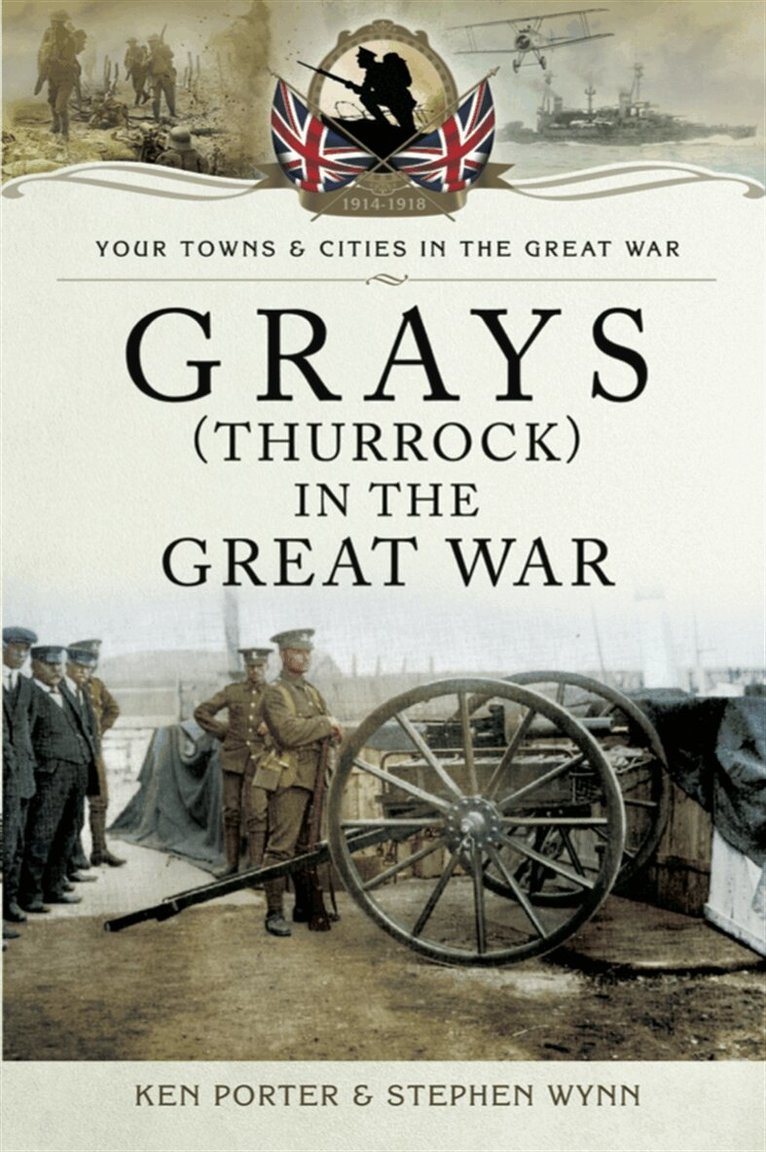
Grays (Thurrock) in the Great War tells the story of Grays and the wider Thurrock area from the outbreak of the Great War until the peace of 1918. The Docks at nearby Tilbury were the source of much employment in the area for both fathers and sons alike. They also played their part in the war, but not as a hub of military deployments.In May 1915 the German spy Augusto Alfredo Roggen, a Uruguayan born in Montevideo, arrived at Tilbury on board the SS Batavia, which had sailed from Rotterdam in Holland. On his arrival in England he made his way to Scotland to carry out his spying activities at the Loch Long torpedo range. He was captured, found guilty and executed by firing squad at the Tower of London on 17 November 1915.In July 1915 the German Naval officer and pilot, Gunther Plüschow, made good his escape from Donington Hall POW camp in Leicestershire and made his way safely back to Germany by hiding himself on board one of the many ships that sailed from Tilbury. He became the only German POW to escape from Britain and make it back to Germany during the First World War.The Kynochs munitions factory was situated near Fobbing on the site of what had previously been Borleys Farm. The site, which made shell cases, detonators, cordite and acetone for the British war effort, was so vast that it included its own housing estate for its workers, a hospital and a railway line. It became so big that it actually became known as Kynochtown and was a major source of employment in the area, particularly for women.There were Prisoner of War camps at Horndon House Farm, Puddledock Farm and Woodhams Quarry in West Thurrock which housed over 150 German prisoners.The Thurrock area also played an important part of protecting London from seaborne invasion up the River Thames with the help of Tilbury Fort and Coalhouse Fort at East Tilbury.
E-bok
Engelska, 2021123 kr
Läs direkt efter köp
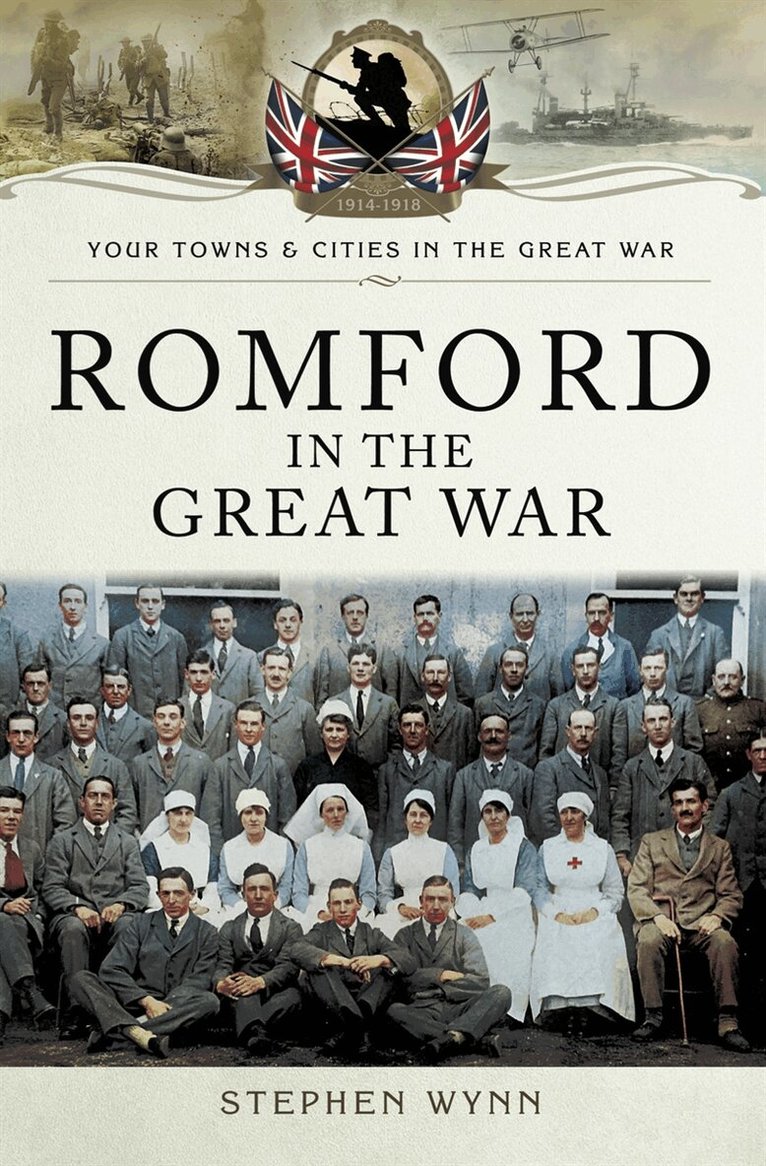
Romford in the Great War tells the remarkable story of Romford and its surrounding areas from the outbreak of the Great War in 1914, to the long-awaited peace of 1918. Romford had a considerable military connection during the war. The area was largely associated with the famous Sportsman's Battalions, the 23rd and 24th Battalions of the Royal Fusiliers, that, as the title suggests, was made up of well-known sportsmen of the day. Initially, the battalion stayed at Hare Hall camp in Romford and Grey Towers Camp in Hornchurch, respectively. The equally famous Artists Rifles took over Hare Hall after the Sportsman Battalion left, and went on to become a renowned officer training corps.The book takes a detailed look at the district’s war memorials and rolls of honor, that commemorate the names of the local young men who answered the call to arms to protect their king and country. Wynn explores some of these names in more detail, tweaking out their individual stories of heroism, bravery and devotion to duty no matter what price they had to pay. He also offers a unique flavor of what everyday life was like for the local community, by looking through the local newspapers of the day. A growing paranoia among the masses is addressed, as are the important roles of women, who were keeping the country on top form, whether delivering mail, driving a taxi or working in a local factory, while their husbands, brothers, uncles, sons and fathers were off fighting the war. This is a superb account of the people of Romford’s outstanding determination to see the war through.
E-bok
Engelska, 2021123 kr
Läs direkt efter köp
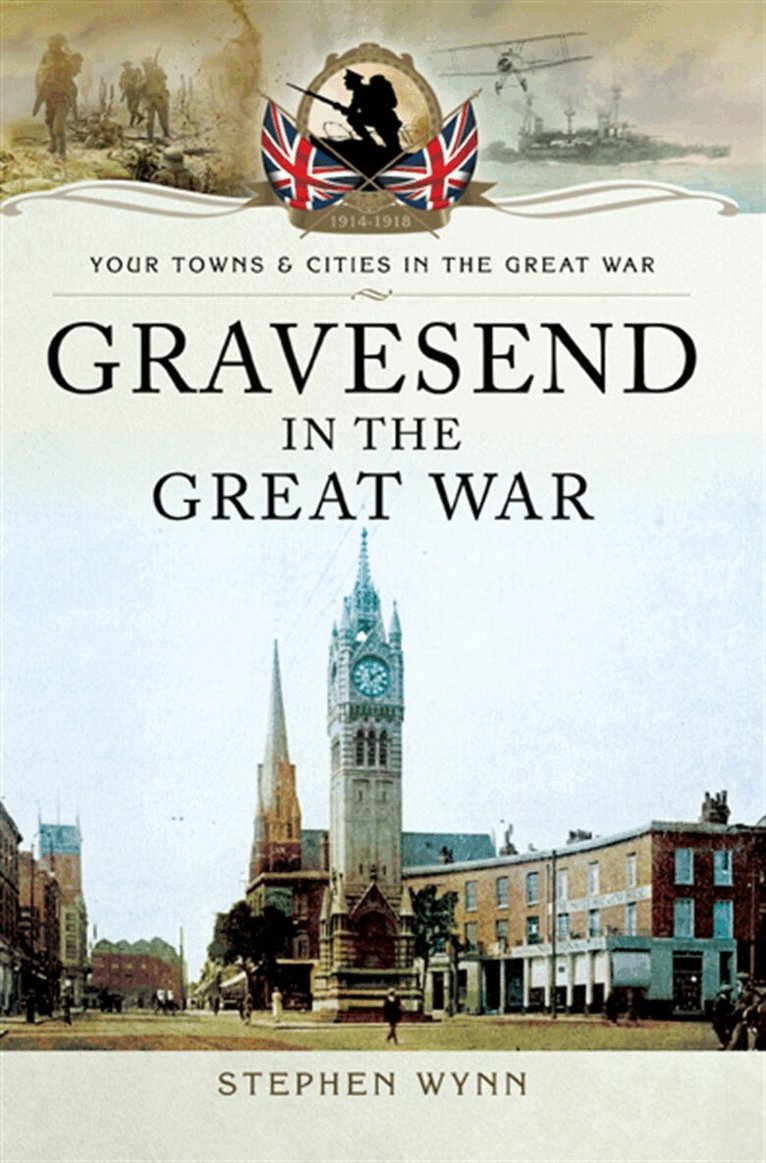
Gravesend was like most other towns in the UK during the course of the First World War. When the call came to serve King and Country, local men enlisted in their thousands, but sadly not all of them returned.This book gives an insight into the Tilbury to Gravesend Pontoon Bridge, which allowed the rapid deployment of troops in the event of a German invasion along the East Coast. It provided a quicker route to get troops, equipment and supplies from Essex into Kent for transportation across to France. It looks at the role both New Tavern and Shornemead Fort, part of the London Defence system, played in preventing the German Navy from carrying out direct attacks on London.There is an account of the Gravesend riots, in which groups of local people burnt and looted premises they believed belonged to German aliens who were residents in the town, and the unique story of Captain Robert Campbell, taken as a prisoner by the Germans early in the war. He was allowed home by the Kaiser to see his dying mother one last time, and voluntarily returned to captivity in Germany, on his word of honour to do so.The story of Sir Gilbert Parker, the wartime MP for Gravesend, is also told. He was instrumental in convincing America to join the war as a British Allie, which was no easy task, as the United States Justice Department estimated there were some 480,000 Germans living in America at the time.The book also tells the individual stories of Gravesend's men who fought in the war, some who survived and returned to their loved ones, and others who were not so fortunate. It documents the triumphs and tragedies of Gravesend's people as they sought to find normality amongst a reality far removed from anything they had ever known before.EPUB3: Reflowable
E-bok
Engelska, 2021123 kr
Läs direkt efter köp
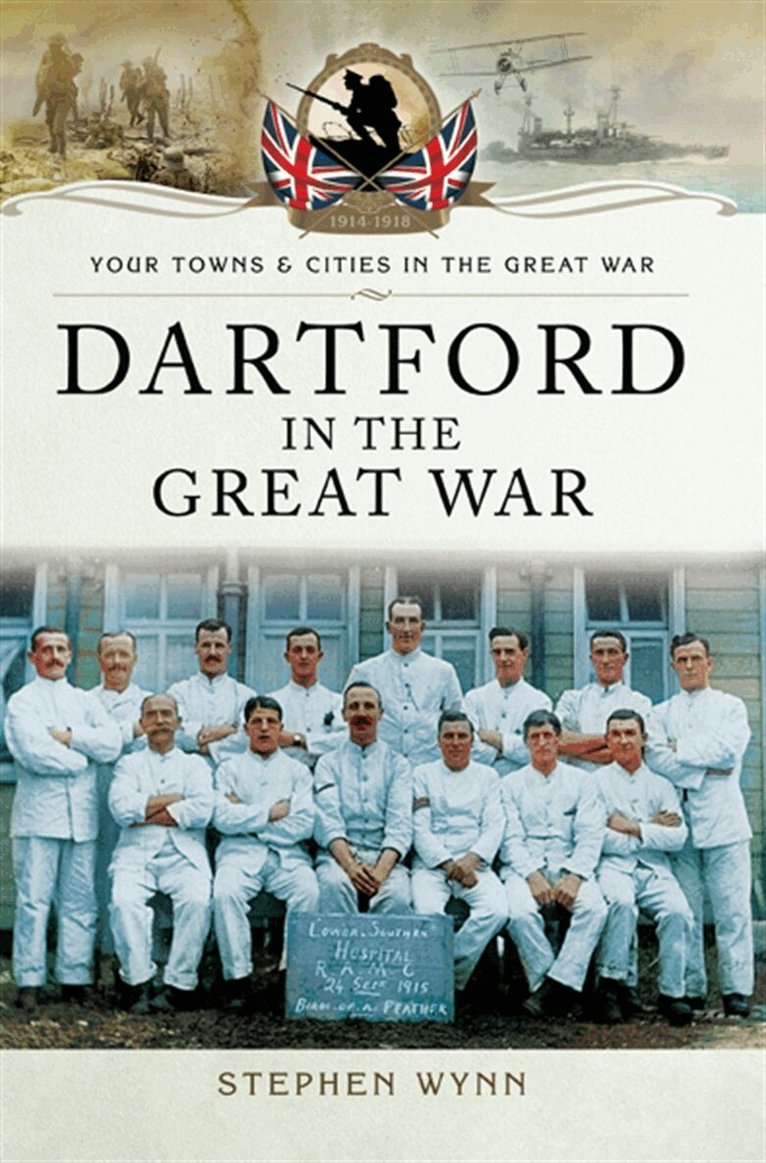
Dartford was a hive of activity during the Great War years, with most in the community doing their bit for the war effort in what ever way that they could. For men that meant enlisting in the armed forces, and for women that they were to take up roles that previously belonged to men. They worked in industry, delivered post, drove buses and taxis, and became carpenters and plumbers. They were also heavily relied on by volunteer organizations, such as Voluntary Aid Detachments, the Women's Auxiliary Army Corps and later in the war, the Women's Land Army. Nearby, there was a large munitions factory in the town, which maintained a large yet productive, mostly female, workforce to ensure it met the ever-increasing demand for shells and bullets and, throughout the town, hospitals to cared for the wounded servicemen of Britain, Australia, America and even Germany, whose captured military personnel were held at one of many local prisoner of war camps. Joyce Green Aerodrome was home to units of the Royal Flying Corps and latterly the Royal Air Force, who protected both Dartford and London from air raids. This book cover how Dartford endured thirty-seven German air raids. Miraculously, not one local resident was killed.At the end of the war, the people of Dartford returned to the normality of life as best as they could, but the world had changed forever. For those who had lost loved ones, and over 300 local families had, the changes would always be a painful reminder of the terrible price of the war.Dartford in the Great War is a meticulous and compelling account of this town and its dedicated people, who sacrificed so much in their effort to thrive in one history's most difficult periods.
E-bok
Engelska, 2021123 kr
Läs direkt efter köp
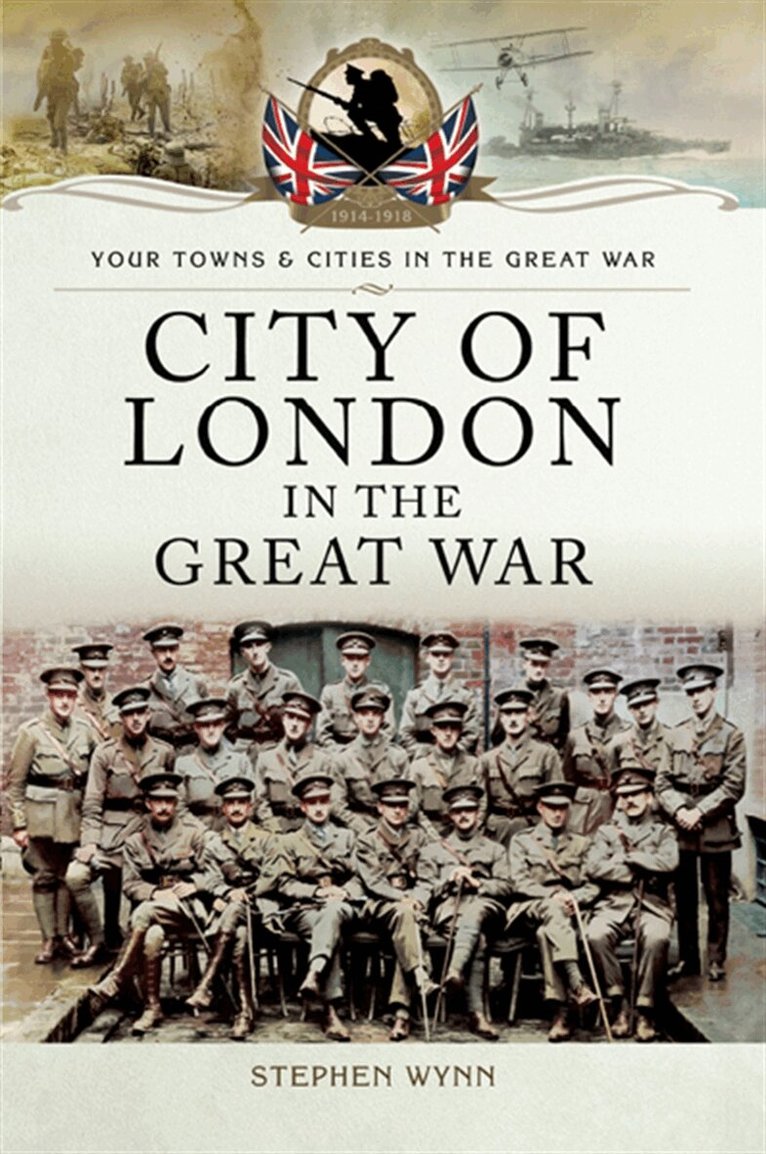
Throughout the First World War, London played a major part in Great Britain's war effort, both at home and abroad. A far as Germany was concerned, the city was their ultimate goal – the ultimate target that would bring them the sought-after victory they so desired. With the British Royal Family at Buckingham Palace, the heart of British Government at the Houses of Parliament and one of Europe's major financial centres, situated at the Bank of England, London was a major prize that would either be protected or lost to the enemy. With a real belief amongst the British public that there would be an invasion at some time during the war, the security of the countries capital was paramount not only for survival of the nation, but also to ensure that public morale remained high.The capital was a central hub for recruitment with centres popping up all over the city, at places such as Scotland Yard and the Tower of London. There was a regiment for everybody, catering for all elements of society from the labourer, to the landed gentry, for the more affluent, as well as those less well off, and from the professional sportsman, to the city banker; everybody wanted to do their bit for King and Country.The book looks at many different aspects of wartime London: the Members of Parliament who left their comfortable lifestyles, who fought and died for their country, the Silvertown munitions factory explosion, the twelve German spies who were shot at the Tower of London, and the hundreds of military hospitals that were spread across London. Part of St Thomas's Hospital, for example, treated the wounds of 11,396 military personnel between 1915-19.City of London in the Great War records yet another chapter in the history of the nation's capital, during the four-year period of time, which will live in the memory of the city forever more.
E-bok
Engelska, 2021123 kr
Läs direkt efter köp
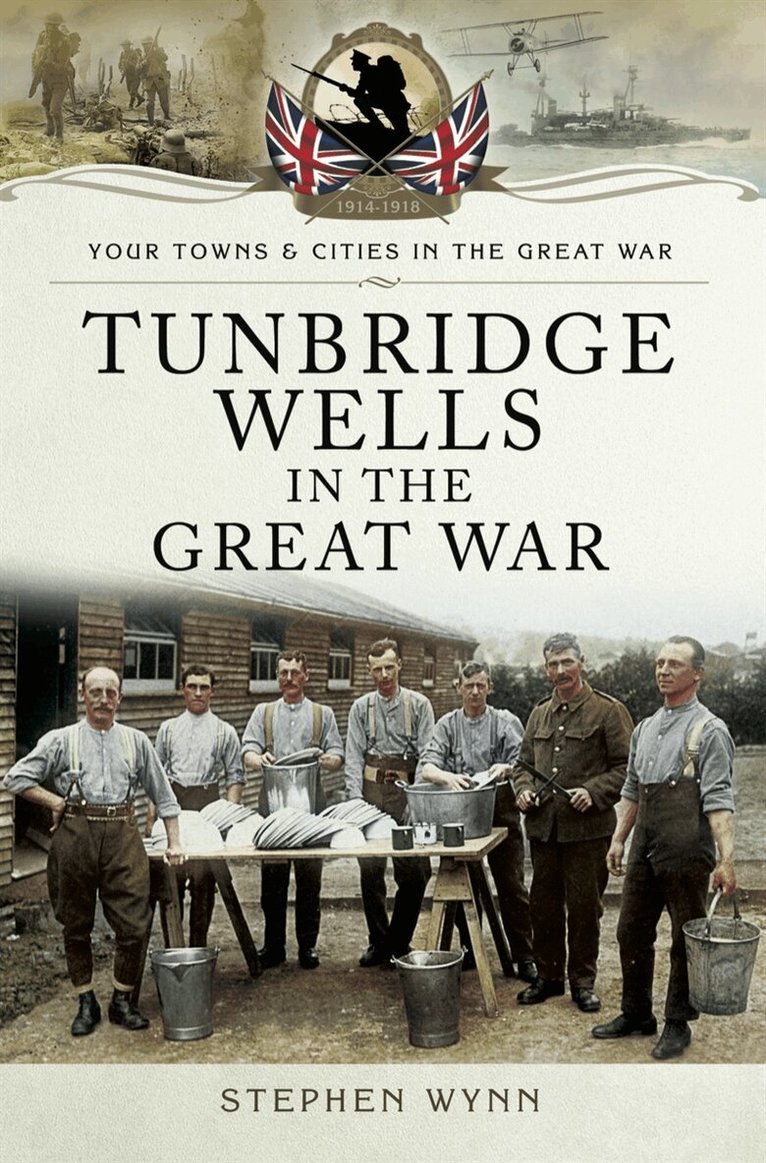
Using original material and letters from the First World War, this captivating and eye-opening account uncovers the unnerving realities of the First World War and the impact it had on the town of Tunbridge Wells. It looks at world events, which ultimately determined the outbreak of the war, and how these same events affected the small town in Kent and the people who made up the community.From an early stage the hostilities of the war became very real for the people of Tunbridge Wells. Because of its geographical location, close proximity to major ports and rail links, the town became the headquarters of the nations Territorial Army, which brought with it 5,000 troops from all over the country.Out of nearly 3,000 people from Tunbridge Wells who enlisted in the military between 1914-1918, a staggering 801 did not return, and out of those who did, many suffered terrible wounds and injuries, both physically and mentally. Many moving stories are illustrated throughout, such as that of Private William Starks Vidler of the Royal Marines Light Infantry who became the town's first casualty of the war when his ship, HMS Amphion struck a mine and sunk. Ironically, eighteen others who died in the disaster were German sailors who had been rescued by the Amphion when their ship was sunk by the British Royal Navy.The book looks at letters sent from husbands and sons, who had seen action in the war, and how they were received by families on the Home Front, who were anxiously waiting for new of their loved ones. It documents the triumphs and tragedies of Tunbridge Wells' people as they sought to find normality amongst a reality far removed from anything they had ever known before
E-bok
Engelska, 2020151 kr
Läs direkt efter köp
Nearly a century of Japanese Imperial rule, from the 1868 Meiji Restoration to the end of WWII, is explored in this sweeping history.Under Emperor Meiji’s rule, Imperial Japan established itself as a world power through rapid industrialization and militarization. Aligned with the Entente Powers during the First World War, Japan made a proposal for racial equality at the 1919 Paris Peace Conference—only to be overruled by American President Woodrow Wilson. In the 1920s, the empire began its military conquest of numerous countries and islands throughout Asia and the Pacific regions.Author Stephen Wynn examines Japan’s various military conflicts and colonial efforts, including its invasion of China that coincided with the Second World War. The book culminates with the atomic bombs dropped on Hiroshima and Nagasaki, which finally brought about Japan’s surrender and the end of the war in Asia and the Pacific.
E-bok
PDF, Engelska, 2020151 kr
Läs direkt efter köp
Nearly a century of Japanese Imperial rule, from the 1868 Meiji Restoration to the end of WWII, is explored in this sweeping history. Under Emperor Meiji's rule, Imperial Japan established itself as a world power through rapid industrialization and militarization. Aligned with the Entente Powers during the First World War, Japan made a proposal for racial equality at the 1919 Paris Peace Conference only to be overruled by American President Woodrow Wilson. In the 1920s, the empire began its military conquest of numerous countries and islands throughout Asia and the Pacific regions. Author Stephen Wynn examines Japan's various military conflicts and colonial efforts, including its invasion of China that coincided with the Second World War. The book culminates with the atomic bombs dropped on Hiroshima and Nagasaki, which finally brought about Japan's surrender and the end of the war in Asia and the Pacific.
E-bok
Engelska, 2019155 kr
Läs direkt efter köp
“Cats, rabbits and even the bear that inspired Winnie the Pooh appear in remarkable photos of the 16 million animals caught up in World War One.” —DailyMail.com Animals in the Great War looks at the use of animals by all sides in the Great War and to what effect. In the main, it focuses greatly on horses, dogs and pigeons but also addresses the war efforts of other animals. In the early years of the war horses were, to a large extent, the only form of transport that was available to the British Army, ranging from use by cavalry units, artillery units as well others such as the Army Ordnance Corps for the conveying of ammunition supplies to men fighting at the front. Britain sent an estimated one million horses to fight in the war, most of them to France and Belgium, but only 60,000 of them ever returned home, and only then were they returned because of the intervention of Winston Churchill. Dogs also played a major role in the war, especially in the trenches on the Western Front. They were used as mascots by the different regiments and in some cases, they were companions for homesick soldiers. They were also used for sentry duties in the trenches as well as catching rats, and they were used as messengers and to sniff out wounded soldiers in No Man’s Land. Animals in the Great War explores how everyday domestic animals were transformed into remarkable wartime heroes, who more than did their bit for the war effort.
E-bok
PDF, Engelska, 2019155 kr
Läs direkt efter köp
"e;Cats, rabbits and even the bear that inspired Winnie the Pooh appear in remarkable photos of the 16 million animals caught up in World War One."e; -DailyMail.com Animals in the Great War looks at the use of animals by all sides in the Great War and to what effect. In the main, it focuses greatly on horses, dogs and pigeons but also addresses the war efforts of other animals. In the early years of the war horses were, to a large extent, the only form of transport that was available to the British Army, ranging from use by cavalry units, artillery units as well others such as the Army Ordnance Corps for the conveying of ammunition supplies to men fighting at the front. Britain sent an estimated one million horses to fight in the war, most of them to France and Belgium, but only 60,000 of them ever returned home, and only then were they returned because of the intervention of Winston Churchill. Dogs also played a major role in the war, especially in the trenches on the Western Front. They were used as mascots by the different regiments and in some cases, they were companions for homesick soldiers. They were also used for sentry duties in the trenches as well as catching rats, and they were used as messengers and to sniff out wounded soldiers in No Man's Land. Animals in the Great War explores how everyday domestic animals were transformed into remarkable wartime heroes, who more than did their bit for the war effort.
E-bok
Engelska, 201914 kr
Läs direkt efter köp
This comprehensive account of the southern English county during WWII covers everything from the Dunkirk evacuations to the Battle of Britain and more. Located along the English Channel, the southeastern county of Kent played a significant role in the Second World War. This volume covers Kent’s many contributions—both civilian and military—throughout the conflict. The chronicle details how the Dover Patrol kept Allied shipping safe in the English Channel, as well as the preparation and aftermath of the Dunkirk evacuations of May 1940, with all of the vessels leaving from and returning to Kent ports and harbors. Kent’s numerous airfields were of vital importance during the Battle of Britain between July and October 1940. The Richborough camp, set up in 1939 at the old First World War Kitchener barracks, provided safe haven to thousands of German and Austrian Jewish refugees. This book includes never before published letters written to one of the camps residents during his stay there. Historian Tanya Wynn also discusses the county's military hospitals and pow camps, it’s Victorian Cross and George Medal winners, and the restricted areas that adorned the coast as the people of Kent battened down the hatches, knowing that they were the very first line of defense in case of a German invasion.