
Tanya Wynn – författare
Visar alla böcker från författaren . Handla med fri frakt och snabb leverans.
4 produkter
4 produkter
E-bok
Engelska, 2019160 kr
Läs direkt efter köp
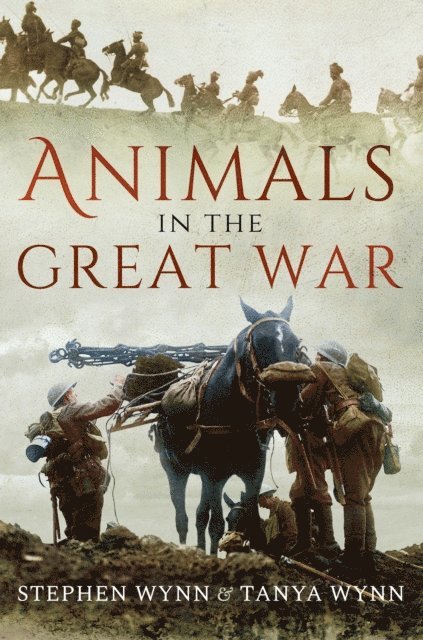
"Cats, rabbits and even the bear that inspired Winnie the Pooh appear in remarkable photos of the 16 million animals caught up in World War One." —DailyMail.com Animals in the Great War looks at the use of animals by all sides in the Great War and to what effect. In the main, it focuses greatly on horses, dogs and pigeons but also addresses the war efforts of other animals. In the early years of the war horses were, to a large extent, the only form of transport that was available to the British Army, ranging from use by cavalry units, artillery units as well others such as the Army Ordnance Corps for the conveying of ammunition supplies to men fighting at the front. Britain sent an estimated one million horses to fight in the war, most of them to France and Belgium, but only 60,000 of them ever returned home, and only then were they returned because of the intervention of Winston Churchill. Dogs also played a major role in the war, especially in the trenches on the Western Front. They were used as mascots by the different regiments and in some cases, they were companions for homesick soldiers. They were also used for sentry duties in the trenches as well as catching rats, and they were used as messengers and to sniff out wounded soldiers in No Man''s Land. Animals in the Great War explores how everyday domestic animals were transformed into remarkable wartime heroes, who more than did their bit for the war effort.
E-bok
PDF, Engelska, 2019160 kr
Läs direkt efter köp
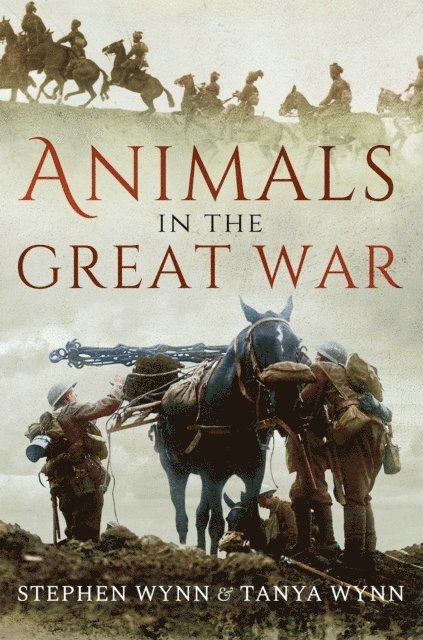
"Cats, rabbits and even the bear that inspired Winnie the Pooh appear in remarkable photos of the 16 million animals caught up in World War One." —DailyMail.com Animals in the Great War looks at the use of animals by all sides in the Great War and to what effect. In the main, it focuses greatly on horses, dogs and pigeons but also addresses the war efforts of other animals. In the early years of the war horses were, to a large extent, the only form of transport that was available to the British Army, ranging from use by cavalry units, artillery units as well others such as the Army Ordnance Corps for the conveying of ammunition supplies to men fighting at the front. Britain sent an estimated one million horses to fight in the war, most of them to France and Belgium, but only 60,000 of them ever returned home, and only then were they returned because of the intervention of Winston Churchill. Dogs also played a major role in the war, especially in the trenches on the Western Front. They were used as mascots by the different regiments and in some cases, they were companions for homesick soldiers. They were also used for sentry duties in the trenches as well as catching rats, and they were used as messengers and to sniff out wounded soldiers in No Man''s Land. Animals in the Great War explores how everyday domestic animals were transformed into remarkable wartime heroes, who more than did their bit for the war effort.
E-bok
Engelska, 201915 kr
Läs direkt efter köp
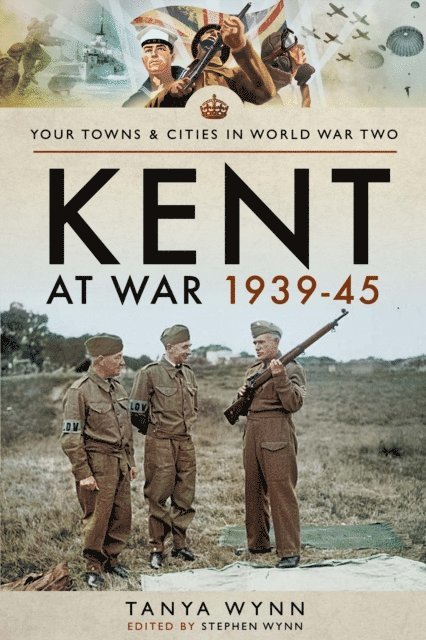
This comprehensive account of the southern English county during WWII covers everything from the Dunkirk evacuations to the Battle of Britain and more. Located along the English Channel, the southeastern county of Kent played a significant role in the Second World War. This volume covers Kent’s many contributions—both civilian and military—throughout the conflict. The chronicle details how the Dover Patrol kept Allied shipping safe in the English Channel, as well as the preparation and aftermath of the Dunkirk evacuations of May 1940, with all of the vessels leaving from and returning to Kent ports and harbors. Kent’s numerous airfields were of vital importance during the Battle of Britain between July and October 1940. The Richborough camp, set up in 1939 at the old First World War Kitchener barracks, provided safe haven to thousands of German and Austrian Jewish refugees. This book includes never before published letters written to one of the camps residents during his stay there. Historian Tanya Wynn also discusses the county's military hospitals and pow camps, it’s Victorian Cross and George Medal winners, and the restricted areas that adorned the coast as the people of Kent battened down the hatches, knowing that they were the very first line of defense in case of a German invasion.
E-bok
PDF, Engelska, 201915 kr
Läs direkt efter köp
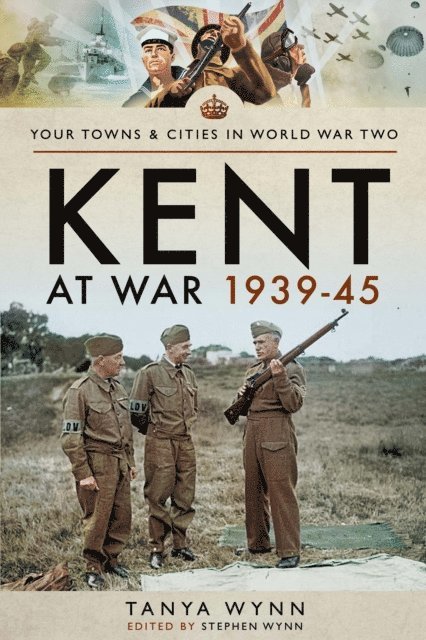
This comprehensive account of the southern English county during WWII covers everything from the Dunkirk evacuations to the Battle of Britain and more. Located along the English Channel, the southeastern county of Kent played a significant role in the Second World War. This volume covers Kent's many contributions both civilian and military throughout the conflict. The chronicle details how the Dover Patrol kept Allied shipping safe in the English Channel, as well as the preparation and aftermath of the Dunkirk evacuations of May 1940, with all of the vessels leaving from and returning to Kent ports and harbors. Kent's numerous airfields were of vital importance during the Battle of Britain between July and October 1940. The Richborough camp, set up in 1939 at the old First World War Kitchener barracks, provided safe haven to thousands of German and Austrian Jewish refugees. This book includes never before published letters written to one of the camps residents during his stay there. Historian Tanya Wynn also discusses the county's military hospitals and pow camps, it's Victorian Cross and George Medal winners, and the restricted areas that adorned the coast as the people of Kent battened down the hatches, knowing that they were the very first line of defense in case of a German invasion.