Steve Bower - Böcker
Visar alla böcker från författaren Steve Bower. Handla med fri frakt och snabb leverans.
2 produkter
2 produkter
173 kr
Skickas inom 11-20 vardagar
The city of Wolverhampton was originally a Staffordshire market town. Its wealth was built on the woollen trade, but during the Industrial Revolution the exploitation of coal and iron deposits in the area transformed the city, which, along with neighbouring towns, came to be known as the Black Country. The town became a centre for steel production, lock and key manufacturing, iron and brass working, bicycle and car manufacturing and many other industries. Mass housing was built in the first half of the twentieth century to replace the slum dwellings that had grown up around these industries. The city has altered radically in recent decades, with the decline of many heavy industries, opening of large-scale shopping centres, the movement away from mass entertainment such as cinemas, closure of the tram and trolleybus systems, development of the university and preservation of cultural heritage sites. Awarded city status in 2000, Wolverhampton has a fine collection of buildings representing its past, from its historic St Peter’s Church and attractive art gallery, imposing Victorian and Edwardian commercial and civic buildings and the elegant West Park, to the newly rebuilt bus and railway station, modern education buildings and the Light House Media Centre and more everyday structures such as pubs, shops and restaurants.Wolverhampton in 50 Buildings explores the history of this fascinating city in the West Midlands through a selection of its most interesting buildings and structures, showing the changes that have taken place over the years. This book will appeal to all those who live in Wolverhampton or who have an interest in the city.
173 kr
Skickas
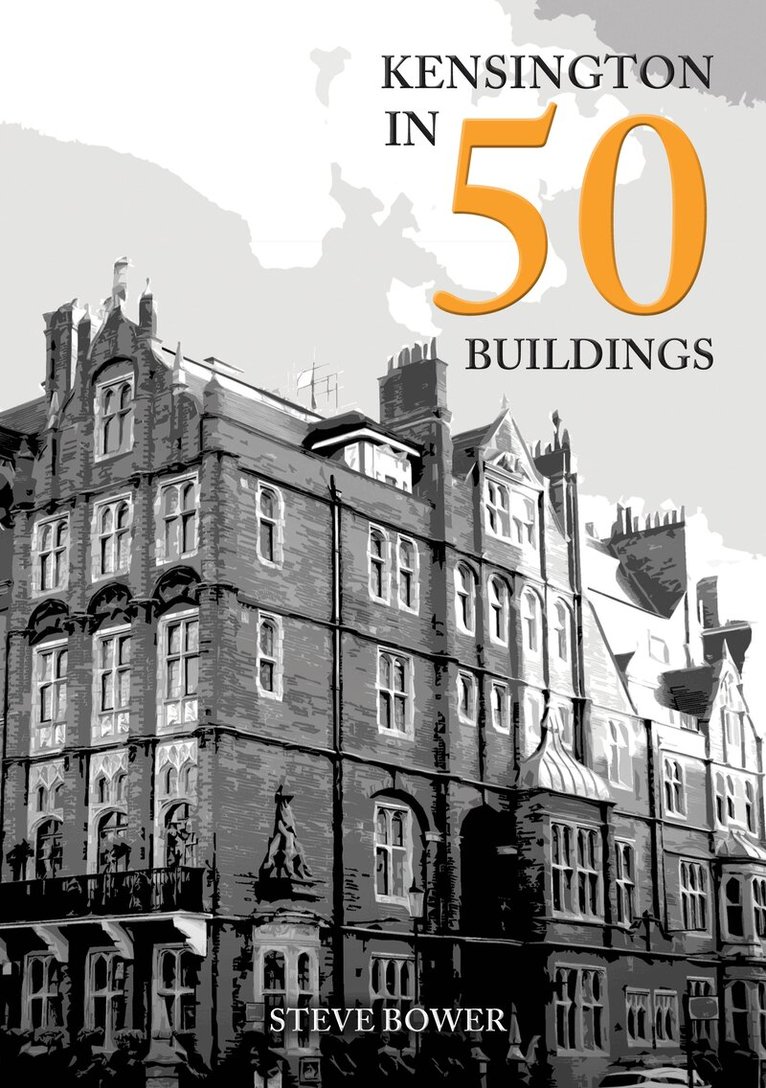
The area of West London around Kensington was built up from the 1800s onwards, although there were a handful of earlier buildings, such as Kensington Palace and Holland House. It was a prosperous artistic quarter when first developed, and many of the grand houses from this era remain, some with specially designed north-facing studios and some lived in by famous artists. Towards South Kensington there is the Albert Hall and the Museum Quarter and other buildings of 'Albertopolis' developed during Queen Victoria’s reign, with many of the most visited buildings in London including the Natural History Museum, the Science Museum and the Victoria & Albert Museum. Not least, there is the extraordinary Brompton cemetery.Kensington in 50 Buildings explores the history of this fascinating area of West London through a selection of its most interesting buildings and structures, showing the changes that have taken place over the years. The book will appeal to all those who live in Kensington or who have an interest in the area.