Steve Gabriel – författare
Visar alla böcker från författaren Steve Gabriel. Handla med fri frakt och snabb leverans.
2 produkter
2 produkter
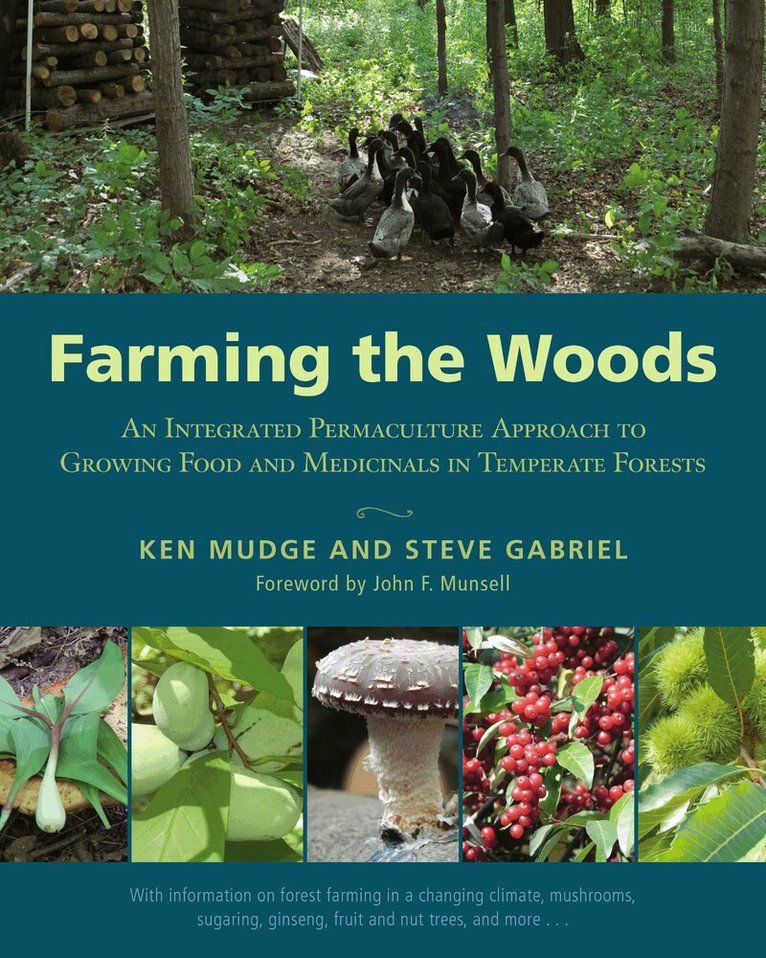
Farming the Woods
An Integrated Permaculture Approach to Growing Food and Medicinals in Temperate Forests
Häftad, Engelska, 2014
296 kr
Skickas inom 7-10 vardagar
The first in-depth guide for farmers and gardeners who have access to an established woodland and are looking for productive, innovative ways to create a natural forest ecosystems that produces a wide range of food, medicinals, and other non-timber products."What a joy to read! Nice pictures, great case studies, and well organized. . . . Farming the Woods is the source for temperate climate agroforestry."—Jonathan Bates, Owner of Food Forest Farm While this concept of “forest farming” may seem like an obscure practice, history indicates that much of humanity lived and sustained itself from tree-based systems in the past; only recently have people traded the forest for the field. The good news is that this is not an either-or scenario; forest farms can be most productive in places where the plow is not: on steep slopes, and in shallow soils. It is an invaluable practice to integrate into any farm or homestead, especially as the need for unique value-added products and supplemental income becomes more and more important for farmers.Farming the Woods covers in detail:How to cultivate, harvest, and market high-value non-timber forest cropsComprehensive information on historical perspectives of forest farmingHow to mimic the forest in a changing climateCultivation of medicinal cropsHow to create a forest nurseryHarvesting and utilizing wood productsThe role of animals in the forest farmHow to design and manage your forest farm once it’s set upForest crops covered include:American ginsengShiitake mushroomsRamps (wild leeks)Maple syrupFruit and nut treesOrnamental fernsAnd many more!This book is a must-read for farmers and gardeners interested in incorporating aspects of agroforestry, permaculture, forest gardening, and sustainable woodlot management into the concept of a whole-farm organism.
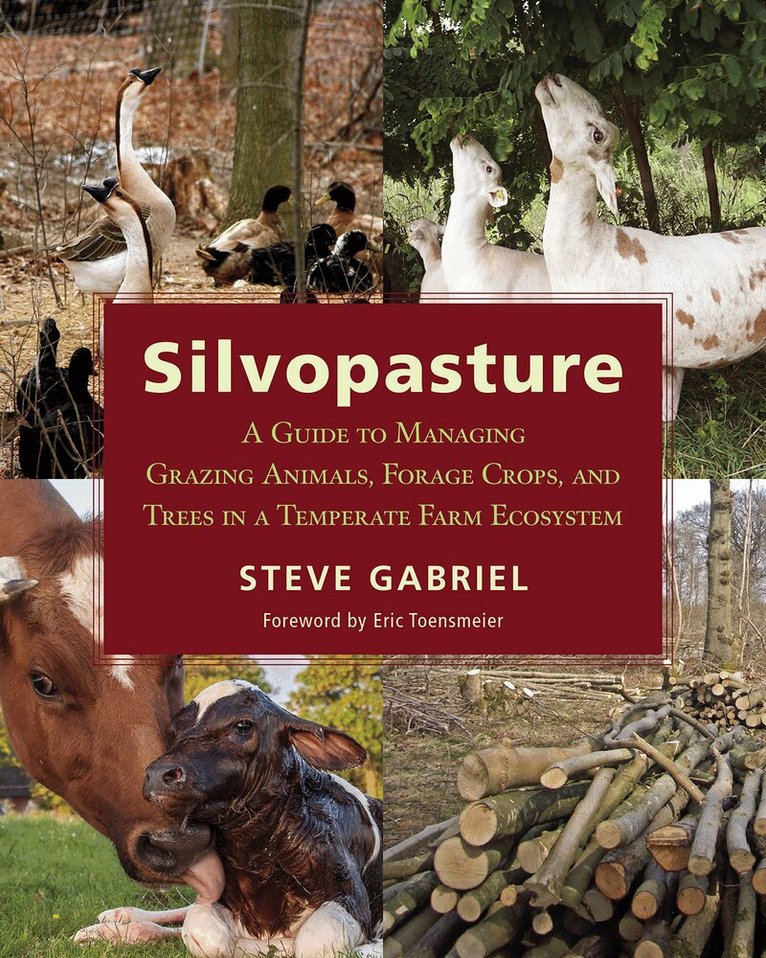
Silvopasture
A Guide to Managing Grazing Animals, Forage Crops, and Trees in a Temperate Farm Ecosystem
Häftad, Engelska, 2018
344 kr
Skickas inom 7-10 vardagar
A system for regenerating land, storing carbon, and creating climate resilienceThe concept of silvopasture challenges our notions of both modern agriculture and land use. For centuries, European settlers of North America have engaged in practices that separate the field from the forest, and even the food from the animal. Silvopasture systems integrate trees, animals, and forages in a whole-system approach that offers a number of benefits to the farmer and the environment. Such a system not only offers the promise of ecological regeneration of the land, but also an economical livelihood and even the ability to farm extensively while buffering the effects of a changing climate: increased rainfall, longer droughts, and more intense storm events.Silvopasture, however, involves more than just allowing animals into the woodlot. It is intentional, steeped in careful observation skills and flexible to the dynamics of such a complex ecology. It requires a farmer who understands grassland ecology, forestry, and animal husbandry. The farmer needn’t be an expert in all of these disciplines, but familiar enough with them to make decisions on a wide variety of time scales. A silvopasture system will inevitably look different from year to year, and careful design coupled with creativity and visioning for the future are all part of the equation.In this book, farmer Steve Gabriel offers examples of diverse current systems that include:A black locust plantation for fence posts coupled with summer grazing pastures for cattle in central New York;Oxen and pigs used to clear forested land in New Hampshire to create space for new market gardens and orchards;Turkeys used for controlling pests and fertilization on a cider orchard and asparagus farm in New York; andSheep that graze the understory of hybrid chestnut and hickory trees at a nut nursery in Minnesota.All of these examples share common goals, components, and philosophies. The systems may take several years to establish, but the long-term benefits include healthier animals and soils, greater yields, and the capacity to sequester atmospheric carbon better than forests or grasslands alone.For all these reasons and more, Silvopasture offers farmers an innovative and ecological alternative to conventional grazing practice.