Steve Wolverton - Böcker
Visar alla böcker från författaren Steve Wolverton. Handla med fri frakt och snabb leverans.
2 produkter
2 produkter
319 kr
Skickas inom 7-10 vardagar
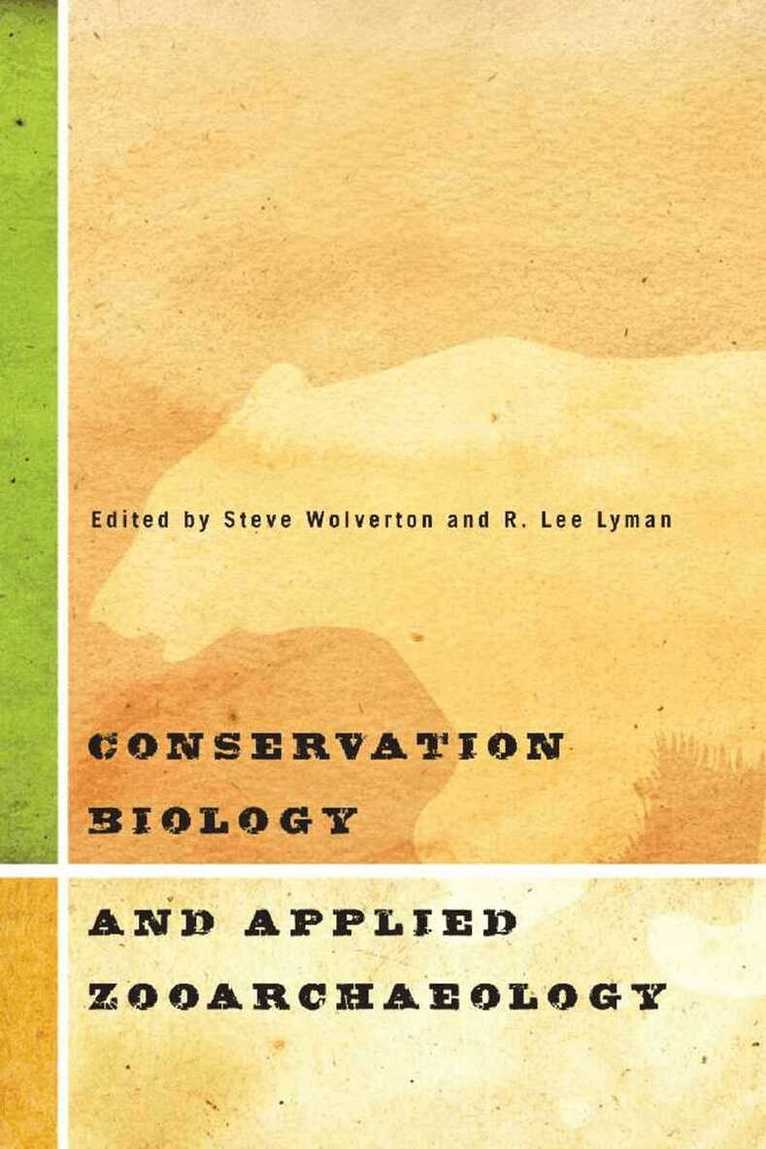
Until now, the research of applied zooarchaeologists has not had a significant impact on the work of conservation scientists. This book is designed to show how zooarchaeology can productively inform conservation science. Conservation Biology and Applied Zooarchaeology offers a set of case studies that use animal remains from archaeological and paleontological sites to provide information that has direct implications for wildlife management and conservation biology. It introduces conservation biologists to zooarchaeology, a sub-field of archaeology and ethnobiology, and provides a brief historical account of the development of applied zooarchaeology. The case studies, which utilize palaeozoological data, cover a variety of animals and environments, including the marine ecology of shellfish and fish, potential restoration sites for Sandhill Cranes, freshwater mussel biogeography and stream ecology, conservation of terrestrial mammals such as American black bears, and even a consideration of the validity of the Pleistocene 'rewilding' movement. The volume closes with an important new essay on the history, value, and application of applied zooarchaeology by R. Lee Lyman, which updates his classic 1996 paper that encouraged zooarchaeologists to apply their findings to present-day environmental challenges. Each case study provides detailed analysis using the approaches of zooarchaeology and concludes with precise implications for conservation biology. Essays also address issues of political and social ecology, which have frequently been missing from the discussions of conservation scientists. As the editors note, all conservation actions occur in economic, social, and political contexts. Until now, however, the management implications of zooarchaeological research have rarely been spelled out so clearly.
202 kr
Skickas inom 11-20 vardagar
The Mesa Verde region is one of the most popular tourist destinations in the world and is an area fraught with complexities, anomalies, and layers of histories. Sushi in Cortez is a collection of essays by an interdisciplinary group of academics, artists, and cultural observers that explores this diverse landscape and heritage by combining and sharing the differing perspectives provided by various disciplines. Poetry, film, environmental philosophy, nature photography, native Pueblo perspectives, and archaeology are used to touch on the common questions people ask about the value of their work and lives as well as the value of visiting ancient sites such as Mesa Verde. The authors share personal stories about the difficulties, joys, confusions, and epiphanies they experienced as they crossed the boundaries of their professional lives, coming to understand how incomplete any single rendition of place can be.