Steven E. Jones – författare
Visar alla böcker från författaren Steven E. Jones. Handla med fri frakt och snabb leverans.
39 produkter
Everything Is Everything
Tom Wilson and Pop Music in 1966
Inbunden, 2026
959 kr
Lägg i varukorg
In the tradition of The Old, Weird America and Deliver Me from Nowhere, cultural critic Steven E. Jones explores American pop culture through the work of record producer Tom Wilson, and the artists with whom he collaborated in the miraculous year 1966. 1966 was a transformative year in popular …
Everything Is Everything
Tom Wilson and Pop Music in 1966
Häftad, 2026
230 kr
Lägg i varukorg
In the tradition of The Old, Weird America and Deliver Me from Nowhere, cultural critic Steven E. Jones explores American pop culture through the work of record producer Tom Wilson, and the artists with whom he collaborated in the miraculous year 1966. 1966 was a transformative year in popular …
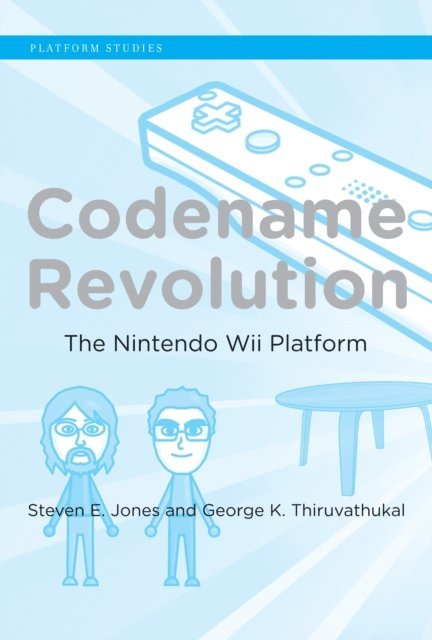
Codename Revolution
Av George K. Thiruvathukal, Steven E. Jones
E-bok, 2012
361 kr
Lägg i varukorg
Nintendo''s hugely popular and influential video game console system considered as technological device and social phenomenon. The Nintendo Wii, introduced in 2006, helped usher in a moment of retro-reinvention in video game play. This hugely popular console system, codenamed Revolution during …
Codename Revolution
The Nintendo Wii Platform
Av Steven E. Jones, George K. Thiruvathukal
Häftad, 2024
453 kr
Lägg i varukorg
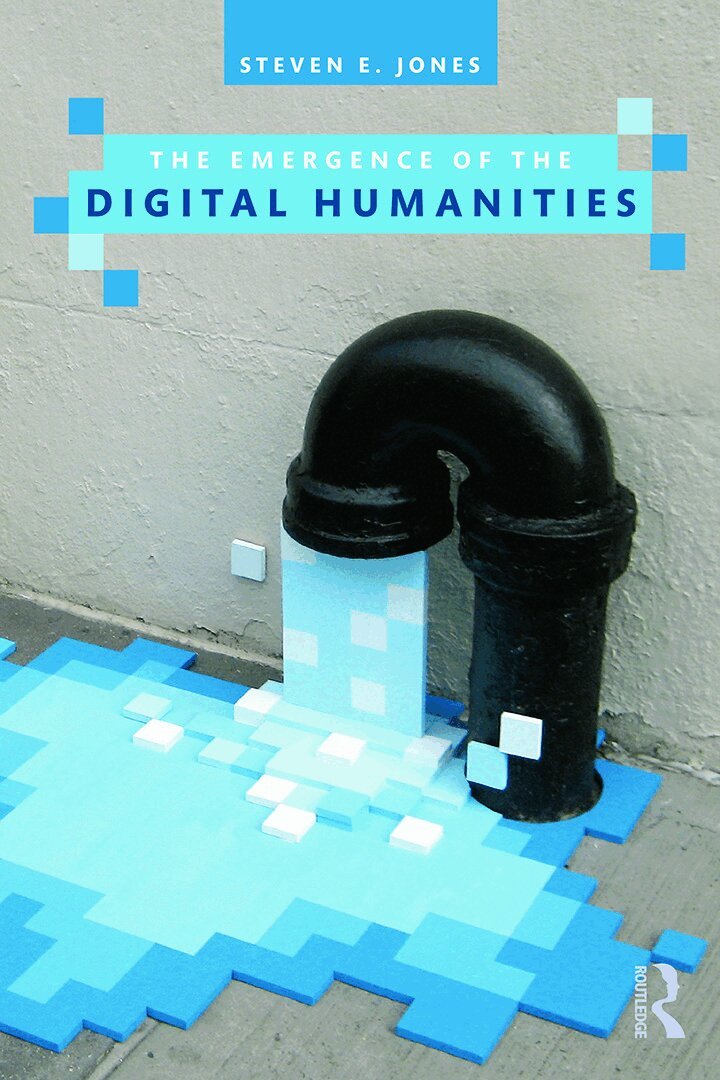
Emergence of the Digital Humanities
Inbunden, 2013
2746 kr
Lägg i varukorg
The past decade has seen a profound shift in our collective understanding of the digital network. What was once understood to be a transcendent virtual reality is now experienced as a ubiquitous grid of data that we move through and interact with every day, raising new questions about the social, …
Emergence of the Digital Humanities
Häftad, 2013
648 kr
Lägg i varukorg
The past decade has seen a profound shift in our collective understanding of the digital network. What was once understood to be a transcendent virtual reality is now experienced as a ubiquitous grid of data that we move through and interact with every day, raising new questions about the social, …
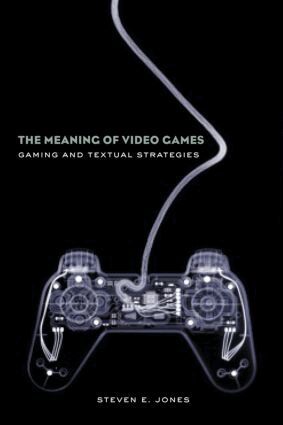
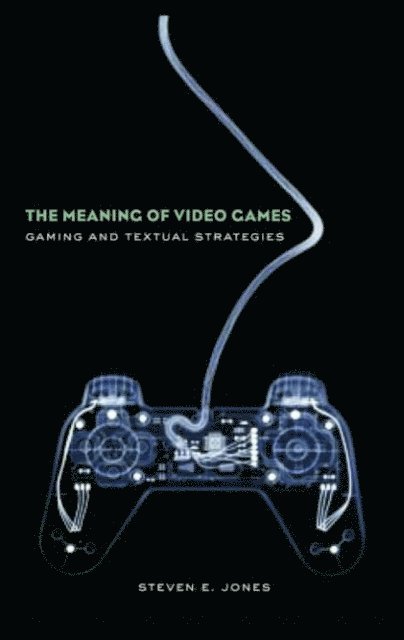
Meaning of Video Games
Gaming and Textual Strategies
Inbunden, 2008
3099 kr
Lägg i varukorg
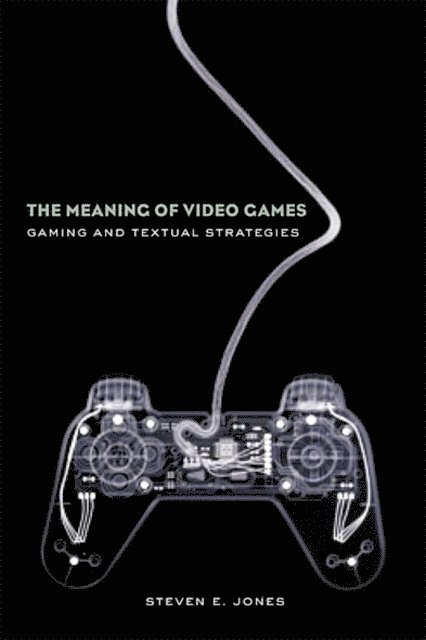
The Meaning of Video Games takes a textual studies approach to an increasingly important form of expression in today’s culture. It begins by assuming that video games are meaningful–not just as sociological or economic or cultural evidence, but in their own right, as cultural expressions worthy of …
Meaning of Video Games
Gaming and Textual Strategies
Häftad, 2008
633 kr
Lägg i varukorg
The Meaning of Video Games takes a textual studies approach to an increasingly important form of expression in today’s culture. It begins by assuming that video games are meaningful–not just as sociological or economic or cultural evidence, but in their own right, as cultural expressions worthy of …
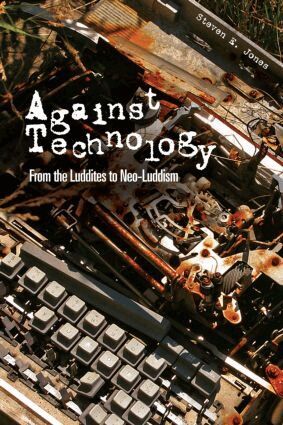
Against Technology
From the Luddites to Neo-Luddism
Inbunden, 2006
2588 kr
Lägg i varukorg
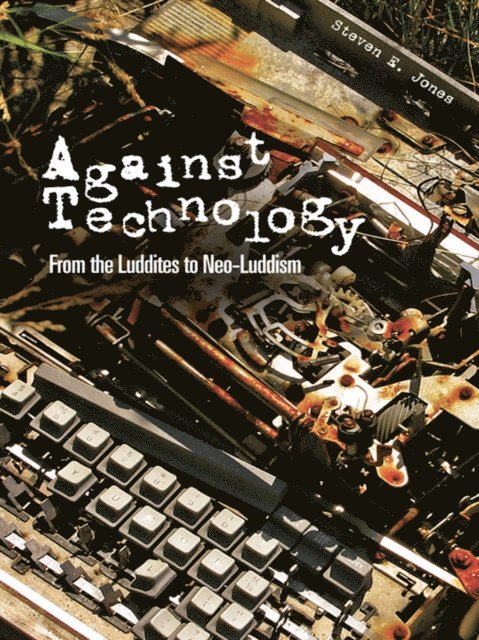
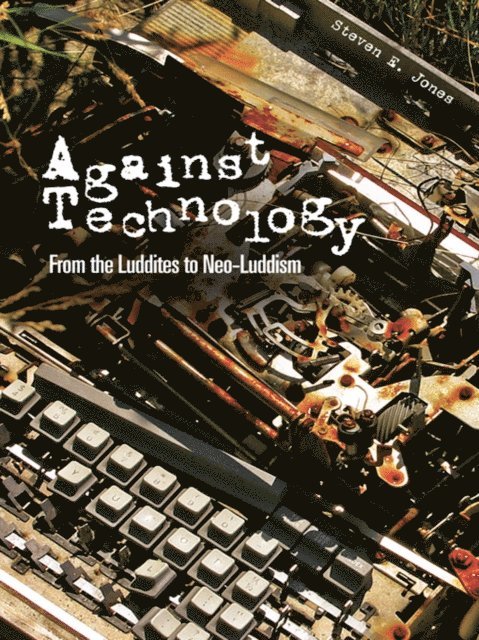
This book addresses the question of what it might mean today to be a Luddite--that is, to take a stand against technology. Steven Jones here explains the history of the Luddites, British textile works who, from around 1811, proclaimed themselves followers of "Ned Ludd" and smashed machinery they …
Against Technology
From the Luddites to Neo-Luddism
Häftad, 2006
652 kr
Lägg i varukorg
This book addresses the question of what it might mean today to be a Luddite--that is, to take a stand against technology. Steven Jones here explains the history of the Luddites, British textile works who, from around 1811, proclaimed themselves followers of "Ned Ludd" and smashed machinery they …
British Satire, 1785-1840, Volume 1
Av Steven E Jones, John Strachan
E-bok, 2020
1150 kr
Lägg i varukorg
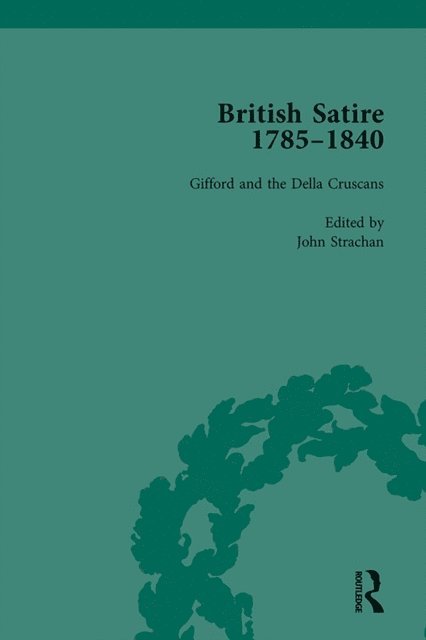
This set offers a representitive collection of the verse satire of the Romantic period, published between the mid-1780s and the mid-1830s. As well as two single-author volumes, from William Gifford and Thomas Moore, there is also a wealth of rare, unedited material.
British Satire, 1785-1840, Volume 1
Av Steven E Jones, John Strachan
E-bok, 2020
1175 kr
Lägg i varukorg
This set offers a representitive collection of the verse satire of the Romantic period, published between the mid-1780s and the mid-1830s. As well as two single-author volumes, from William Gifford and Thomas Moore, there is also a wealth of rare, unedited material.
British Satire, 1785-1840, Volume 2
Av Steven E Jones, John Strachan
E-bok, 2020
1175 kr
Lägg i varukorg
This set offers a representitive collection of the verse satire of the Romantic period, published between the mid-1780s and the mid-1830s. As well as two single-author volumes, from William Gifford and Thomas Moore, there is also a wealth of rare, unedited material.
British Satire, 1785-1840, Volume 3
Av Steven E Jones, John Strachan
E-bok, 2020
1175 kr
Lägg i varukorg
This set offers a representitive collection of the verse satire of the Romantic period, published between the mid-1780s and the mid-1830s. As well as two single-author volumes, from William Gifford and Thomas Moore, there is also a wealth of rare, unedited material.
British Satire, 1785-1840, Volume 4
Av Steven E Jones, John Strachan
E-bok, 2020
1150 kr
Lägg i varukorg
This set offers a representitive collection of the verse satire of the Romantic period, published between the mid-1780s and the mid-1830s. As well as two single-author volumes, from William Gifford and Thomas Moore, there is also a wealth of rare, unedited material.
British Satire, 1785-1840, Volume 2
Av Steven E Jones, John Strachan
E-bok, 2020
1175 kr
Lägg i varukorg
This set offers a representitive collection of the verse satire of the Romantic period, published between the mid-1780s and the mid-1830s. As well as two single-author volumes, from William Gifford and Thomas Moore, there is also a wealth of rare, unedited material.
British Satire, 1785-1840, Volume 3
Av Steven E Jones, John Strachan
E-bok, 2020
1175 kr
Lägg i varukorg
This set offers a representitive collection of the verse satire of the Romantic period, published between the mid-1780s and the mid-1830s. As well as two single-author volumes, from William Gifford and Thomas Moore, there is also a wealth of rare, unedited material.
British Satire, 1785-1840, Volume 4
Av Steven E Jones, John Strachan
E-bok, 2020
1150 kr
Lägg i varukorg
This set offers a representitive collection of the verse satire of the Romantic period, published between the mid-1780s and the mid-1830s. As well as two single-author volumes, from William Gifford and Thomas Moore, there is also a wealth of rare, unedited material.
Against Technology
From the Luddites to Neo-Luddism
E-bok, 2013
829 kr
Lägg i varukorg
This book addresses the question of what it might mean today to be a Luddite--that is, to take a stand against technology. Steven Jones here explains the history of the Luddites, British textile works who, from around 1811, proclaimed themselves followers of "Ned Ludd" and smashed machinery they …
Against Technology
From the Luddites to Neo-Luddism
E-bok, 2013
856 kr
Lägg i varukorg
This book addresses the question of what it might mean today to be a Luddite--that is, to take a stand against technology. Steven Jones here explains the history of the Luddites, British textile works who, from around 1811, proclaimed themselves followers of "Ned Ludd" and smashed machinery they …
Meaning of Video Games
Gaming and Textual Strategies
E-bok, 2008
745 kr
Lägg i varukorg
The Meaning of Video Games takes a textual studies approach to an increasingly important form of expression in today’s culture. It begins by assuming that video games are meaningful–not just as sociological or economic or cultural evidence, but in their own right, as cultural expressions worthy of …
Meaning of Video Games
Gaming and Textual Strategies
E-bok, 2008
745 kr
Lägg i varukorg
The Meaning of Video Games takes a textual studies approach to an increasingly important form of expression in today’s culture. It begins by assuming that video games are meaningful–not just as sociological or economic or cultural evidence, but in their own right, as cultural expressions worthy of …
Roberto Busa, S. J., and the Emergence of Humanities Computing
The Priest and the Punched Cards
Inbunden, 2016
2746 kr
Lägg i varukorg
It’s the founding myth of humanities computing and digital humanities: In 1949, the Italian Jesuit scholar, Roberto Busa, S.J., persuaded IBM to offer technical and financial support for the mechanized creation of a massive lemmatized concordance to the works of St. Thomas Aquinas. Using Busa’s own …
Roberto Busa, S. J., and the Emergence of Humanities Computing
The Priest and the Punched Cards
Häftad, 2018
604 kr
Lägg i varukorg
It’s the founding myth of humanities computing and digital humanities: In 1949, the Italian Jesuit scholar, Roberto Busa, S.J., persuaded IBM to offer technical and financial support for the mechanized creation of a massive lemmatized concordance to the works of St. Thomas Aquinas. Using Busa’s own …
British Satire, 1785-1840, Volume 1
Av John Strachan, Steven E Jones
Inbunden, 2003
2890 kr
Lägg i varukorg
This set offers a representitive collection of the verse satire of the Romantic period, published between the mid-1780s and the mid-1830s. As well as two single-author volumes, from William Gifford and Thomas Moore, there is also a wealth of rare, unedited material.
British Satire, 1785-1840, Volume 2
Av John Strachan, Steven E Jones
Inbunden, 2003
2890 kr
Lägg i varukorg
This set offers a representitive collection of the verse satire of the Romantic period, published between the mid-1780s and the mid-1830s. As well as two single-author volumes, from William Gifford and Thomas Moore, there is also a wealth of rare, unedited material.
British Satire, 1785-1840, Volume 3
Av John Strachan, Steven E Jones
Inbunden, 2003
2890 kr
Lägg i varukorg
This set offers a representitive collection of the verse satire of the Romantic period, published between the mid-1780s and the mid-1830s. As well as two single-author volumes, from William Gifford and Thomas Moore, there is also a wealth of rare, unedited material.
British Satire, 1785-1840, Volume 4
Av John Strachan, Steven E Jones
Inbunden, 2003
2890 kr
Lägg i varukorg
This set offers a representitive collection of the verse satire of the Romantic period, published between the mid-1780s and the mid-1830s. As well as two single-author volumes, from William Gifford and Thomas Moore, there is also a wealth of rare, unedited material.
British Satire, 1785-1840, Volume 5
Av John Strachan, Steven E Jones m. fl.
Inbunden, 2003
2890 kr
Lägg i varukorg
This set offers a representitive collection of the verse satire of the Romantic period, published between the mid-1780s and the mid-1830s. As well as two single-author volumes, from William Gifford and Thomas Moore, there is also a wealth of rare, unedited material.
Roberto Busa, S. J., and the Emergence of Humanities Computing
The Priest and the Punched Cards
E-bok, 2016
710 kr
Lägg i varukorg
It’s the founding myth of humanities computing and digital humanities: In 1949, the Italian Jesuit scholar, Roberto Busa, S.J., persuaded IBM to offer technical and financial support for the mechanized creation of a massive lemmatized concordance to the works of St. Thomas Aquinas. Using Busa’s …