Steven Weisenburger – författare
Visar alla böcker från författaren Steven Weisenburger. Handla med fri frakt och snabb leverans.
7 produkter
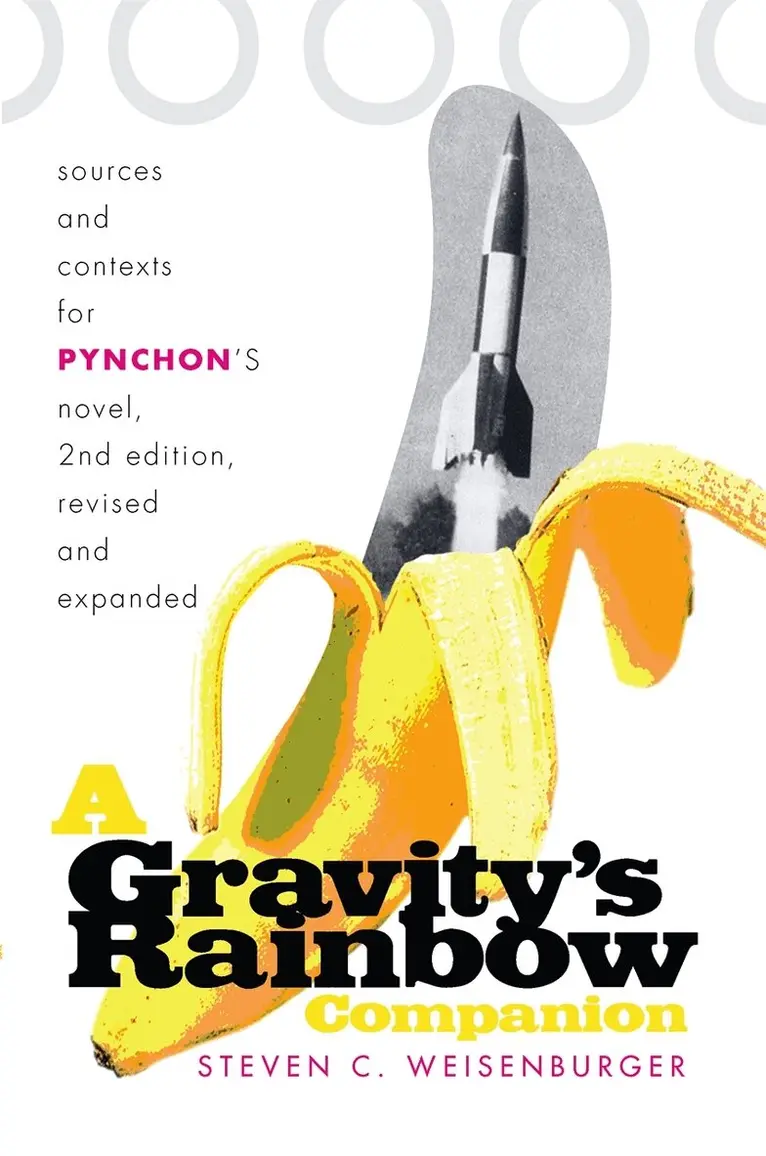
Gravity's Rainbow Companion
Sources and Contexts for Pynchon's Novel
Häftad, 2006
607 kr
Lägg i varukorg
Adding some 20 percent to the original content, this is a completely updated edition of Steven Weisenburger's indispensable guide to Thomas Pynchon's Gravity's Rainbow. Weisenburger takes the reader page by page, often line by line, through the welter of historical references, scientific data, …
Modern Medea: A Family Story of Slavery and Child-Murder from the Old South
Häftad, 1999
328 kr
Lägg i varukorg
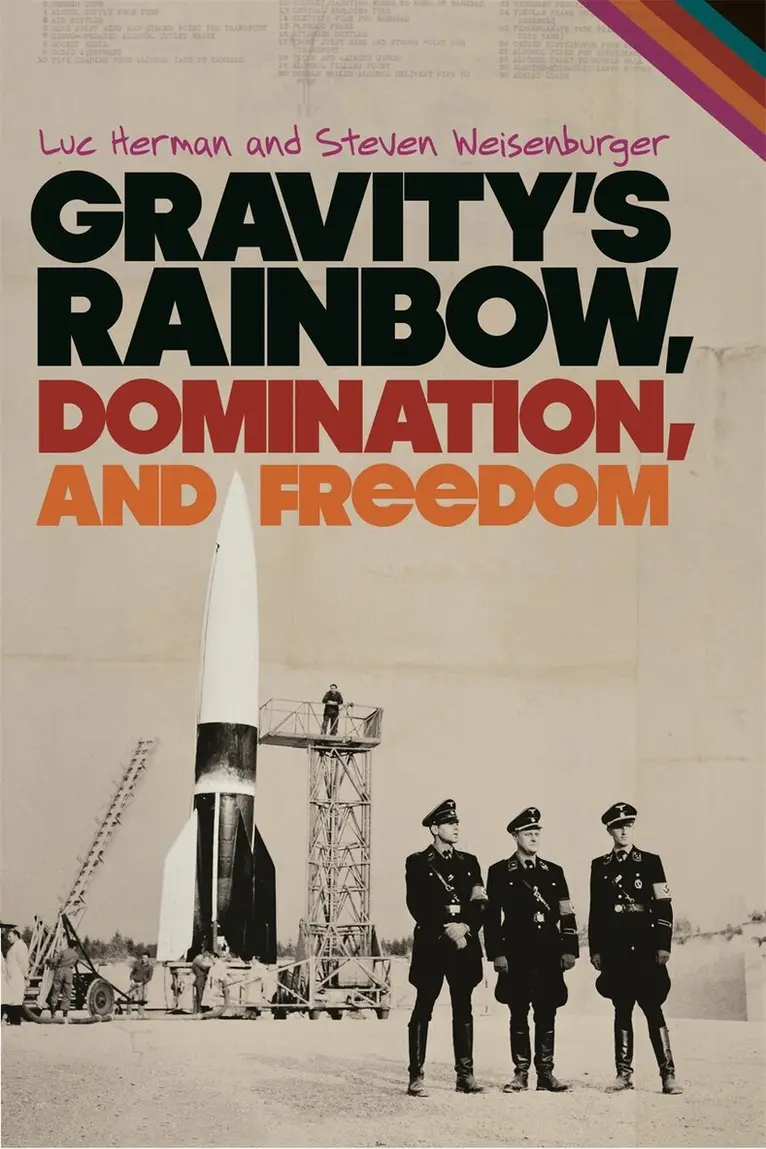
Gravity's Rainbow, Domination, and Freedom
Av Luc Herman, Steven Weisenburger
Inbunden, 2013
1544 kr
Lägg i varukorg
When published in 1973, Gravity’s Rainbow expanded our sense of what the novel could be. Pynchon’s extensive references to modern science, history, and culture challenged any reader, while his prose bent the rules for narrative art and his satirical practices taunted U.S. obscenity and pornography …
Gravity's Rainbow, Domination, and Freedom
Av Luc Herman, Steven Weisenburger
Häftad, 2013
589 kr
Lägg i varukorg
When published in 1973, Gravity’s Rainbow expanded our sense of what the novel could be. Pynchon’s extensive references to modern science, history, and culture challenged any reader, while his prose bent the rules for narrative art and his satirical practices taunted U.S. obscenity and pornography …
Gravity's Rainbow, Domination, and Freedom
Av Luc Herman, Steven Weisenburger
E-bok, 2013
650 kr
Lägg i varukorg
When published in 1973, Gravity''s Rainbow expanded our sense of what the novel could be. Pynchon''s extensive references to modern science, history, and culture challenged any reader, while his prose bent the rules for narrative art and his satirical practices taunted U.S. obscenity and …
Gravity's Rainbow, Domination, and Freedom
Av Steven Weisenburger, Luc Herman
E-bok, 2013
650 kr
Lägg i varukorg
When published in 1973, Gravity's Rainbow expanded our sense of what the novel could be. Pynchon's extensive references to modern science, history, and culture challenged any reader, while his prose bent the rules for narrative art and his satirical practices taunted U.S. obscenity and pornography …
Fables of Subversion
Satire and the American Novel
Inbunden, 1995
1118 kr
Tillfälligt slut
Drawing on more than thirty novels by nineteen writers, Fables of Subversion is both a survey of mid-twentieth century American fiction and a study of how these novels challenged the conventions of satire. Steven Weisenburger focuses on the rise of a radically subversive mode of satire from 1930 to …