Stig Forster – författare
Visar alla böcker från författaren Stig Forster. Handla med fri frakt och snabb leverans.
3 produkter
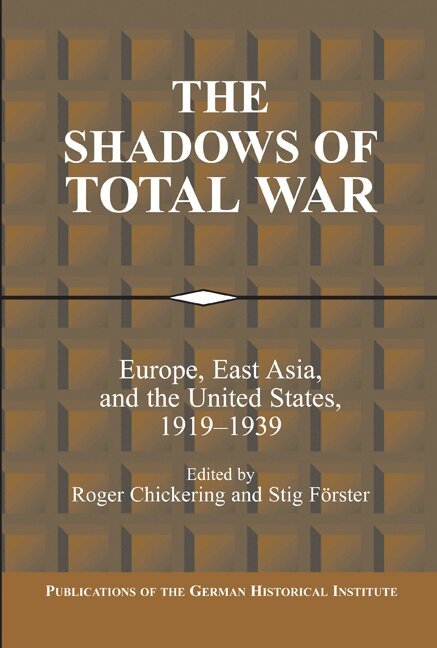
The Shadows of Total War
Europe, East Asia, and the United States, 1919-1939
Av Roger Chickering, Stig Forster
Häftad, 2009
754 kr
Lägg i varukorg
The period between the two world wars of the twentieth century was one of the most challenging in the history of war. In anticipation of another conflict, military planners and civilian thinkers struggled after 1918 with the painful implications of World War I. Given its scope, the wholesale …
The Shadows of Total War
Europe, East Asia, and the United States, 1919-1939
Av Roger Chickering, Stig Forster
Inbunden, 2003
1307 kr
Lägg i varukorg
The period between the two world wars of the twentieth century was one of the most challenging in the history of war. In anticipation of another conflict, military planners and civilian thinkers struggled after 1918 with the painful implications of World War I. Given its scope, the wholesale …
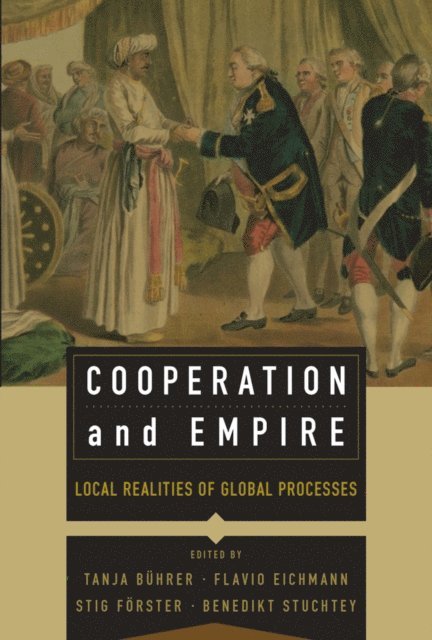
Cooperation and Empire
Local Realities of Global Processes
Av Benedikt Stuchtey, Stig Forster m. fl.
E-bok, 2017
377 kr
Lägg i varukorg
While the study of “indigenous intermediaries” is today the focus of some of the most interesting research in the historiography of colonialism, its roots extend back to at least the 1970s. The contributions to this volume revisit Ronald E. Robinson’s theory of collaboration in a range of …