Stuart Laing – författare
Visar alla böcker från författaren Stuart Laing. Handla med fri frakt och snabb leverans.
7 produkter
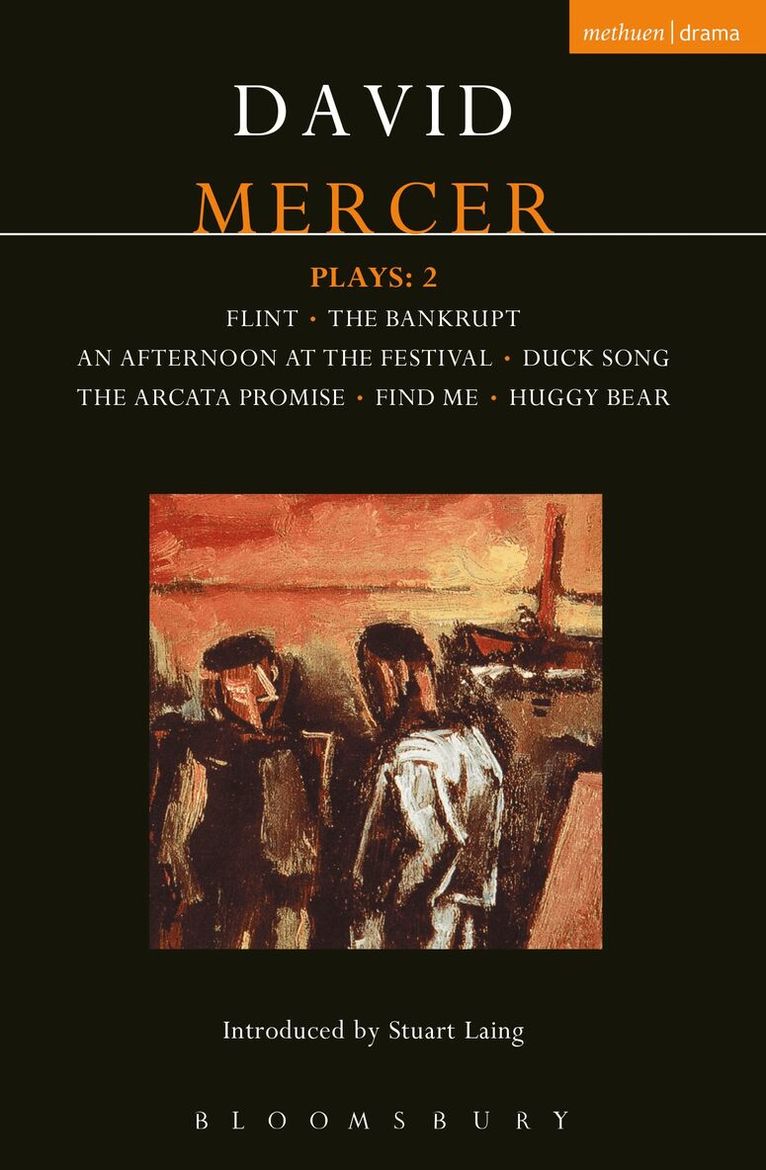
Mercer Plays: 2
Flint, The Bankrupt, An Afternoon at the Festival, Duck Song, The Arcata Promise, Find Me, Huggy Bear
Häftad, 1994
381 kr
Lägg i varukorg
The first volume of stage and TV plays by one of the best British TV writers Flint premiered just before the 1970 General Election which was to replace the Labour Government of Harold Wilson. It is driven by the figure of Ossian Flint, a seventy-year old swinging vicar who believes in "crossing …
Mercer Plays: 2
Flint, the Bankrupt, an Afternoon at the Festival, Duck Song, the Arcata Promise, Find Me, Huggy Bear
E-bok, 2013
412 kr
Lägg i varukorg
The first volume of stage and TV plays by one of the best British TV writers Flint premiered just before the 1970 General Election which was to replace the Labour Government of Harold Wilson. It is driven by the figure of Ossian Flint, a seventy-year old swinging vicar who believes in "crossing …
Mercer Plays: 2
Flint, the Bankrupt, an Afternoon at the Festival, Duck Song, the Arcata Promise, Find Me, Huggy Bear
E-bok, 2013
412 kr
Lägg i varukorg
The first volume of stage and TV plays by one of the best British TV writers Flint premiered just before the 1970 General Election which was to replace the Labour Government of Harold Wilson. It is driven by the figure of Ossian Flint, a seventy-year old swinging vicar who believes in "crossing …
Tippu Tip: Ivory, Slavery and Discovery in the Scramble for Africa
Av Stuart Laing
Häftad, 2028
369 kr
Kommande
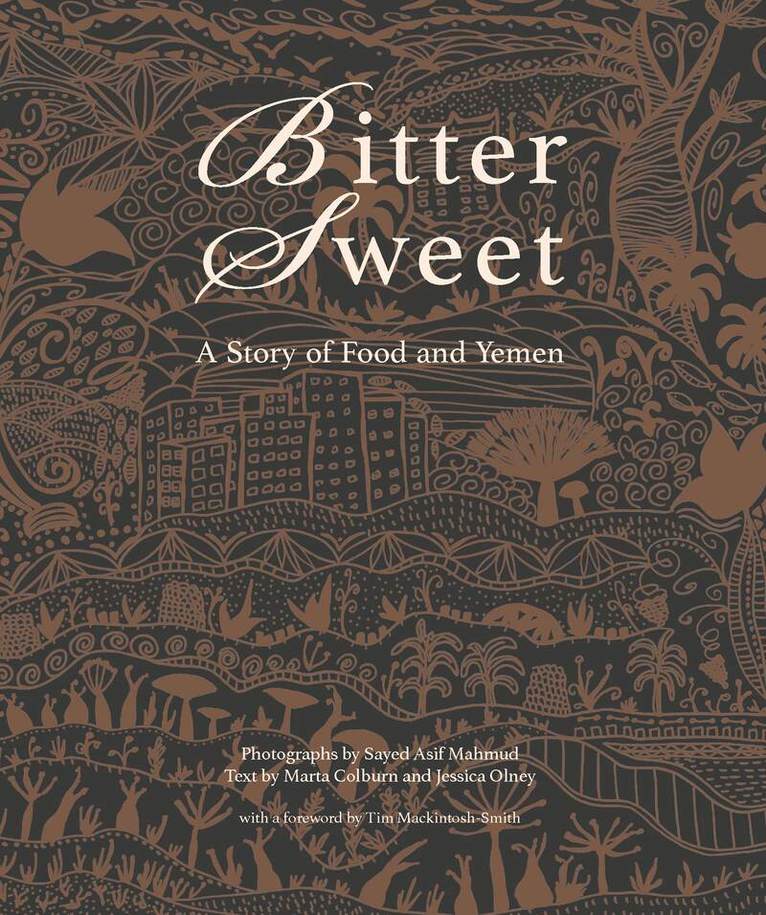
Bittersweet
A Story of Food and Yemen
Av Stuart Laing, Valentina Abenavoli m. fl.
Inbunden, 2024
385 kr
Lägg i varukorg
Bittersweet, A Story of Food and Yemen is a captivating exploration of Yemen’s rich culinary heritage. Authored by Bangladeshi photographer, Sayed Asif Mahmud, with contributions from Marta Colburn and Jessica Olney, this visually stunning book takes the readers on a soulful discovery of how food …
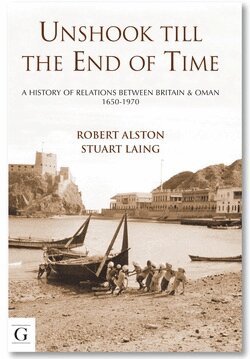
Unshook Till the End of Time
A History of Relations Between Britain & Oman 1650 to 1970
Av Stuart Laing, Robert John Alston
Inbunden, 2012
284 kr
Tillfälligt slut
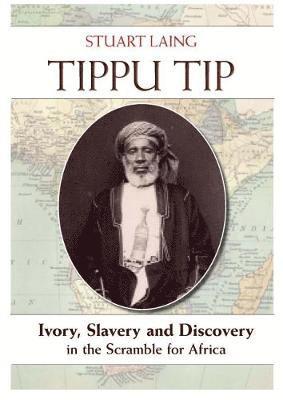
Tippu Tip
Ivory, Slavery and Discovery in the Scramble for Africa
Av Stuart Laing
Inbunden, 2017
332 kr
Tillfälligt slut
Tippu Tip was chiefly an ivory trader, who pioneered for new sources through present day Tanzania into the Congo basin. Slavery is part of his story, because Arab traders of the time used slaves as porters and sold slaves through the market in Zanzibar to work locally in plantations and beyond in …