
Subcommittee on Military Smokes and Obscurants – författare
622 kr
Läs direkt efter köp
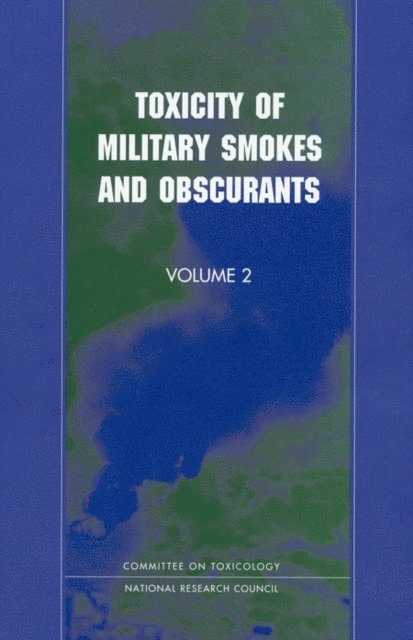
A variety of smokes and obscurants have been developed and are used to screen armed forces from view, signal friendly forces, and mark positions. Obscurants are anthropogenic or naturally occurring particles suspended in the air that block or weaken transmission of particular parts of the electromagnetic spectrum, such as visible and infrared radiation or microwaves. Fog, mist, and dust are examples of natural obscurants. Smokes are produced by burning or vaporizing some product. Red phosphorus smoke and graphite smoke are examples of anthropogenic obscurants.
The U.S. Army seeks to ensure that exposure to smokes and obscurants during training does not have adverse health effects on military personnel or civilians. To protect the health of exposed individuals, the Office of the Army Surgeon General requested that the National Research Council (NRC) review data on the toxicity of smokes and obscurants and recommend exposure guidance levels for military personnel in training and for the general public residing or working near military-training facilities.
The NRC assigned this project to the Committee on Toxicology (COT), which convened the Subcommittee on Military Smokes and Obscurants. The subcommittee conducted a detailed evaluation of the toxicity of four obscuring smokes: white phosphorus, brass, titanium dioxide, and graphite. The results of the subcommittee''s study are presented in this report, which is the second volume in the series. Toxicity data and exposure guidance levels for diesel-fuel, fog-oil, red phosphorus, and hexachloroethane smokes were presented in Volume 1. Seven colored smokes will be reviewed in a subsequent volume.
555 kr
Läs direkt efter köp
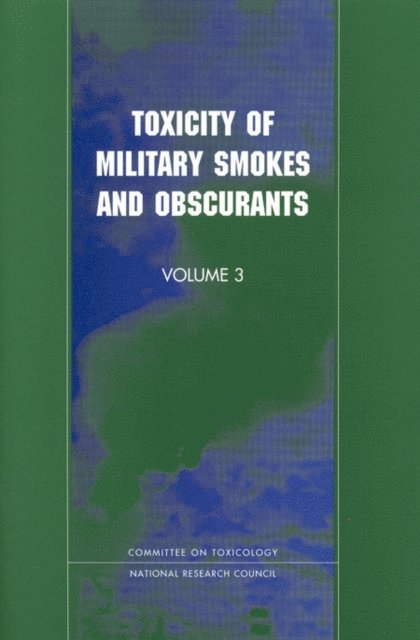
A variety of smokes and obscurants have been developed and used to screen armed forces from view, signal friendly forces, and mark positions. Smokes are produced by burning or vaporizing particular products. Obscurants are anthropogenic or naturally occurring particles suspended in the air. They block or weaken transmission of particular parts of the electromagnetic spectrum, such as visible and infrared radiation or microwaves. Fog, mist, and dust are examples of natural obscurants. White phosphorus and hexachloroethane smokes are examples of anthropogenic obscurants.
The U.S. Army seeks to reduce the likelihood that exposure to smokes and obscurants during training would have adverse health effects on military personnel or civilians. To protect the health of exposed individuals, the Office of the Army Surgeon General requested that the National Research Council (NRC) independently review data on the toxicity of smokes and obscurants and recommend exposure guidance levels for military personnel in training and for the general public residing or working near military-training facilities.
379 kr
Läs direkt efter köp
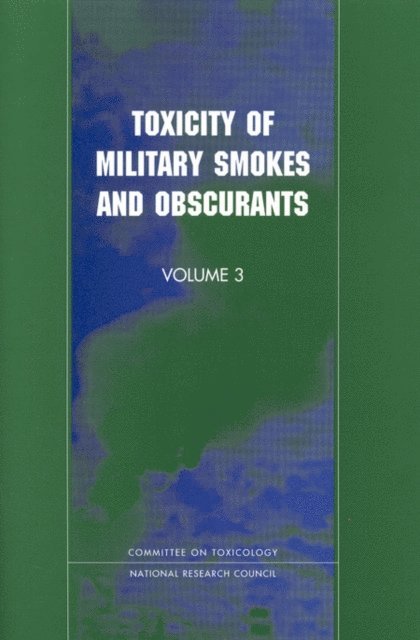
A variety of smokes and obscurants have been developed and used to screen armed forces from view, signal friendly forces, and mark positions. Smokes are produced by burning or vaporizing particular products. Obscurants are anthropogenic or naturally occurring particles suspended in the air. They block or weaken transmission of particular parts of the electromagnetic spectrum, such as visible and infrared radiation or microwaves. Fog, mist, and dust are examples of natural obscurants. White phosphorus and hexachloroethane smokes are examples of anthropogenic obscurants.
The U.S. Army seeks to reduce the likelihood that exposure to smokes and obscurants during training would have adverse health effects on military personnel or civilians. To protect the health of exposed individuals, the Office of the Army Surgeon General requested that the National Research Council (NRC) independently review data on the toxicity of smokes and obscurants and recommend exposure guidance levels for military personnel in training and for the general public residing or working near military-training facilities.
429 kr
Läs direkt efter köp
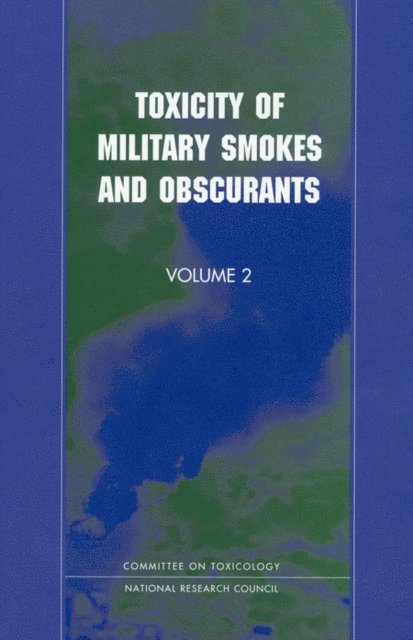
A variety of smokes and obscurants have been developed and are used to screen armed forces from view, signal friendly forces, and mark positions. Obscurants are anthropogenic or naturally occurring particles suspended in the air that block or weaken transmission of particular parts of the electromagnetic spectrum, such as visible and infrared radiation or microwaves. Fog, mist, and dust are examples of natural obscurants. Smokes are produced by burning or vaporizing some product. Red phosphorus smoke and graphite smoke are examples of anthropogenic obscurants.
The U.S. Army seeks to ensure that exposure to smokes and obscurants during training does not have adverse health effects on military personnel or civilians. To protect the health of exposed individuals, the Office of the Army Surgeon General requested that the National Research Council (NRC) review data on the toxicity of smokes and obscurants and recommend exposure guidance levels for military personnel in training and for the general public residing or working near military-training facilities.
The NRC assigned this project to the Committee on Toxicology (COT), which convened the Subcommittee on Military Smokes and Obscurants. The subcommittee conducted a detailed evaluation of the toxicity of four obscuring smokes: white phosphorus, brass, titanium dioxide, and graphite. The results of the subcommittee''s study are presented in this report, which is the second volume in the series. Toxicity data and exposure guidance levels for diesel-fuel, fog-oil, red phosphorus, and hexachloroethane smokes were presented in Volume 1. Seven colored smokes will be reviewed in a subsequent volume.
1 352 kr
Tillfälligt slut
1 265 kr
Tillfälligt slut