Commission on Life Sciences – författare
1 267 kr
Skickas
682 kr
Skickas inom 3-6 vardagar
1 800 kr
Skickas
682 kr
Skickas inom 3-6 vardagar
2 248 kr
Skickas
1 702 kr
Skickas
618 kr
Skickas inom 3-6 vardagar
1 752 kr
Skickas
618 kr
Läs direkt efter köp
Much has been written about the care of research animals. Yet little guidance has appeared on protecting the health and safety of the people who care for or use these animals.
This book, an implementation handbook and companion to Guide For the Care and Use of Laboratory Animals, identifies principles for building a program and discusses the accountability of institutional leaders, managers, and employees for a program''s success. It provides a detailed description of risks—physical and chemical hazards, allergens and zoonoses, and hazards from experiments—which will serve as a continuing reference for the laboratory.
The book offers specific recommendations for controlling risk through administrative procedures, facility design, engineering controls, and periodic evaluations. The volume focuses on the worker, with detailed discussions of work practices, the use of personal protective gear, and the development of an emergency response plan.
This handbook will be invaluable to administrators, researchers, and employees in any animal research facility. It will also be of interest to personnel in zoos, animal shelters, and veterinary facilities.
730 kr
Läs direkt efter köp
In 1992 the National Research Council issued DNA Technology in Forensic Science, a book that documented the state of the art in this emerging field. Recently, this volume was brought to worldwide attention in the murder trial of celebrity O. J. Simpson. The Evaluation of Forensic DNA Evidence reports on developments in population genetics and statistics since the original volume was published. The committee comments on statements in the original book that proved controversial or that have been misapplied in the courts. This volume offers recommendations for handling DNA samples, performing calculations, and other aspects of using DNA as a forensic tool—modifying some recommendations presented in the 1992 volume. The update addresses two major areas:
Determination of DNA profiles. The committee considers how laboratory errors (particularly false matches) can arise, how errors might be reduced, and how to take into account the fact that the error rate can never be reduced to zero. Interpretation of a finding that the DNA profile of a suspect or victim matches the evidence DNA. The committee addresses controversies in population genetics, exploring the problems that arise from the mixture of groups and subgroups in the American population and how this substructure can be accounted for in calculating frequencies.This volume examines statistical issues in interpreting frequencies as probabilities, including adjustments when a suspect is found through a database search. The committee includes a detailed discussion of what its recommendations would mean in the courtroom, with numerous case citations. By resolving several remaining issues in the evaluation of this increasingly important area of forensic evidence, this technical update will be important to forensic scientists and population geneticists—and helpful to attorneys, judges, and others who need to understand DNA and the law. Anyone working in laboratories and in the courts or anyone studying this issue should own this book.
401 kr
Läs direkt efter köp
It is innately human to comfort and provide care to those suffering from cancer, particularly those close to death. Yet what seems self-evident at an individual, personal level has, by and large, not guided policy at the level of institutions in this country. There is no argument that palliative care should be integrated into cancer care from diagnosis to death. But significant barriers-attitudinal, behavioral, economic, educational, and legal-still limit access to care for a large proportion of those dying from cancer, and in spite of tremendous scientific opportunities for medical progress against all the major symptoms associated with cancer and cancer death, public research institutions have not responded. In accepting a single-minded focus on research toward cure, we have inadvertently devalued the critical need to care for and support patients with advanced disease, and their families.
This report builds on and takes forward an agenda set out by the 1997 IOM report Approaching Death: Improving Care at the End of Life, which came at a time when leaders in palliative care and related fields had already begun to air issues surrounding care of the dying. That report identified significant gaps in knowledge about care at the end of life and the need for serious attention from biomedical, social science, and health services researchers. Most importantly, it recognized that the impediments to good care could be identified and potentially remedied. The report itself catalyzed further public involvement in specific initiatives-mostly pilot and demonstration projects and programs funded by the nonprofit foundation community, which are now coming to fruition.
Standing Operating Procedures for Developing Acute Exposure Guideline Levels for Hazardous Chemicals
714 kr
Läs direkt efter köp
The book provides guidance on what documents and databases to use, toxicity endpoints that need to be evaluated, dosimetry corrections from animal to human exposures, selection of appropriate uncertainty factors to address the variability between animals and humans and within the human population, selection of modifying factors to address data deficiencies, time scaling, and quantitative cancer risk assessment.
It also contains an example of a summary of a technical support document and an example of AEGL derivation. This book will be useful to persons in the derivation of levels from other exposure routes—both oral and dermal—as well as risk assessors in the government, academe, and private industry.
552 kr
Läs direkt efter köp
Regulatory standards are already on the books at the the U.S. Environmental Protection Agency (EPA) to address health risks posed by inhaling tiny particles from smoke, vehicle exhaust, and other sources.
At the same time, Congress and EPA have initiated a multimillion dollar research effort to better understand the sources of these airborne particles, the levels of exposure to people, and the ways that these particles cause damage.
To provide independent guidance to the EPA, Congress asked the National Research Council to study the relevant issues. The result is a series of four reports on the particulate-matter research program. The first two books offered a conceptual framework for a national research program, identified the 10 most critical research needs, and described the recommended timing and estimated costs of such research.
This, the third volume, begins the task of assessing the progress made in implementing the research program. The National Research Council ultimately concludes that the ongoing program is appropriately addressing many of the key uncertainties. However, it also identifies a number of critical specific subjects that should be given greater attention. Research Priorities for Airborne Particulate Matter focuses on the most current and planned research projects with an eye toward the fourth and final report, which will contain an updated assessment.
714 kr
Läs direkt efter köp
The United States Navy has been concerned for some time with protecting its military and civilian personnel from reproductive and developmental hazards in the workplace. As part of its efforts to reduce or eliminate exposure of Naval personnel and their families to reproductive and developmental toxicants, the Navy requested that the National Research Council (NRC) recommend an approach that can be used to evaluate chemicals and physical agents for their potential to cause reproductive and developmental toxicity. The NRC assigned this project to the Committee on Toxicology, which convened the Subcommittee on Reproductive and Developmental Toxicology, to prepare this report. In this report, the subcommittee recommends an approach for evaluating agents for potential reproductive and developmental toxicity and demonstrates how that approach can be used by the Navy.This report has been reviewed in draft form by individuals chosen for their diverse perspectives and technical expertise, in accordance with procedures approved by the NRC''s Report Review Committee. The purpose of this independent review is to provide candid and critical comments that will assist the institution in making its published report as sound as possible and to ensure that the report meets institutional standards for objectivity, evidence, and responsiveness to the study charge. The review comments and draft manuscript remain confidential to protect the integrity of the deliberative process. We wish to thank the following individuals for their review of this report: James Chen (National Center for Toxicological Research), George Daston (Procter and Gamble Company), Jerry Heindel (National Institute of Environmental Health Sciences), Grace Lemasters (University of Cincinnati), and John Young (National Center for Toxicological Research).
617 kr
Läs direkt efter köp
The goal of this workshop was to bring together bioinformatics stake holders from government, academe, and industry for a day of presentations and dialogue. Fifteen experts identified and discussed some of the most important issues raised by the current flood of biologic data. Topics explored included the importance of database curation, database integration and interoperability, consistency and standards in terminology, error prevention and correction, data provenance, ontology, the importance of maintaining privacy, data mining, and the need for more computer scientists with specialty training in bioinformatics. Although formal conclusions and recommendations will not come from this particular workshop, many insights may be gleaned about the future of this field, from the context of the discussions and presentations described here.
763 kr
Läs direkt efter köp
This 2-day workshop is the culmination of a study of the status and future of marine biotechnology. The overall goal of this workshop is to examine what was initially called "Opportunities for Marine Biotechnology in the United States," to consider where we are now in this field of "Environmental Marine Biotechnology," to envision the field in the future, and to discuss any impediments that might be encountered along the way. Opportunities for Environmental Applications of Marine Biotechnology: Proceedings of the October 5-6, 1999, Workshop addresses the question of where the federal government should invest its limited funds and what future initiatives should be planned.
802 kr
Läs direkt efter köp
One of the barriers to improving the quality of cancer care in the United States is the inadequacy of data systems. Out-of-date or incomplete information about the performance of doctors, hospitals, health plans, and public agencies makes it hard to gauge the quality of care. Augmenting today''s data systems could start to fill the gap.
This report examines the strengths and weaknesses of current systems and makes recommendations for enhancing data systems to improve the quality of cancer care. The board''s recommendations fall into three key areas:
Enhance key elements of the data system infrastructure (i.e., quality-of-care measures, cancer registries and databases, data collection technologies, and analytic capacity). Expand support for analyses of quality of cancer care using existing data systems. Monitor the effectiveness of data systems to promote quality improvement within health systems.892 kr
Läs direkt efter köp
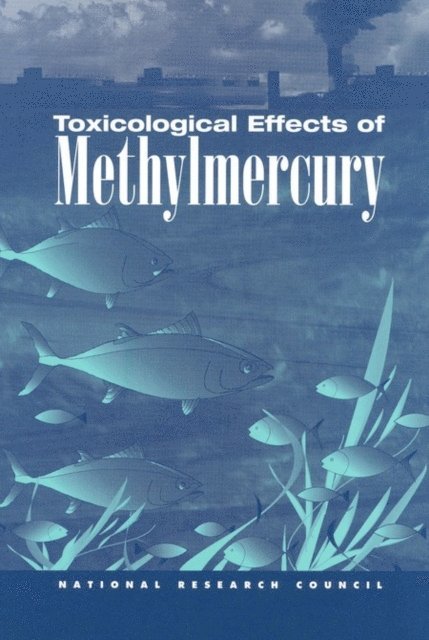
Mercury is widespread in our environment. Methylmercury, one organic form of mercury, can accumulate up the aquatic food chain and lead to high concentrations in predatory fish. When consumed by humans, contaminated fish represent a public health risk.
Combustion processes, especially coal-fired power plants, are major sources of mercury contamination in the environment. The U.S. Environmental Protection Agency (EPA) is considering regulating mercury emissions from those plants.
Toxicological Effects of Methylmercury reviews the health effects of methylmercury and discusses the estimation of mercury exposure from measured biomarkers, how differences between individuals affect mercury toxicity, and appropriate statistical methods for analysis of the data and thoroughly compares the epidemiological studies available on methylmercury. Included are discussions of current mercury levels on public health and a delineation of the scientific aspects and policy decisions involved in the regulation of mercury.
This report is a valuable resource for individuals interested in the public health effects and regulation of mercury. The report also provides an excellent example of the implications of decisions in the risk assessment process for a larger audience.
714 kr
Läs direkt efter köp
The National Aeronautics and Space Administration (NASA) maintains an active interest in the environmental conditions associated with living and working in spacecraft and identifying hazards that might adversely affect the health and well-being of crew members. Despite major engineering advances in controlling the spacecraft environment, some water and air contamination appears to be inevitable. Several hundred chemical species are likely to be found in the closed environment of the spacecraft, and as the frequency, complexity, and duration of human space flight increase, identifying and understanding significant health hazards will become more complicated and more critical for the success of the missions.
NASA asked the National Research Council (NRC) Committee on Toxicology to develop guidelines, similar to those developed by the NRC in 1992 for airborne substances, for examining the likelihood of adverse effects from water contaminants on the health and performance of spacecraft crews. In this report, the Subcommittee on Spacecraft Water Exposure Guidelines (SWEGs) examines what is known about water contaminants in spacecraft, the adequacy of current risk assessment methods, and the toxicologic issues of greatest concern.
974 kr
Läs direkt efter köp
In the three decades since the U.S. Environmental Protection Agency (EPA) was created, the agency''s scientific and technical practices and credibility have been independently assessed many times in reports from the National Research Council (NRC), EPA Science Advisory Board, General Accounting Office, and many other organizations; in congressional oversight and judicial proceedings; and in countless criticisms and lawsuits from stakeholders with interests in particular EPA regulatory decisions. As a previous independent panel put it in the 1992 report Safeguarding the Future: Credible Science, Credible Decisions, EPA''s policy and regulatory work receives a great deal of public attention, but the agency''s scientific performance typically receives a similar degree of attention only when the scientific basis for a decision is questioned. Thus, strong scientific performance is important not only to enable EPA to make informed and effective decisions, but also to gain credibility and public support for the environmental protection efforts of EPA and the nation.
This report is the fourth and final one in a series prepared by two independent expert committees convened by the NRC in response to a request from Congress and to subsequent, related requests from EPA. The Committee on Research Opportunities and Priorities for EPA—the companion committee in this study—was charged to provide an overview of significant emerging environmental issues, identify and prioritize research themes most relevant to understanding and resolving those issues, and consider the role of EPA''s research program in the context of research being conducted or supported by other organizations. That committee published an interim report in 1996 and a final report, Building a Foundation for Sound Environmental Decisions, in 1997. The Committee on Research and Peer Review in EPA was charged to evaluate research management and scientific peer-review practices in the agency. The committee published an interim report in 1995 and this final report.
892 kr
Läs direkt efter köp
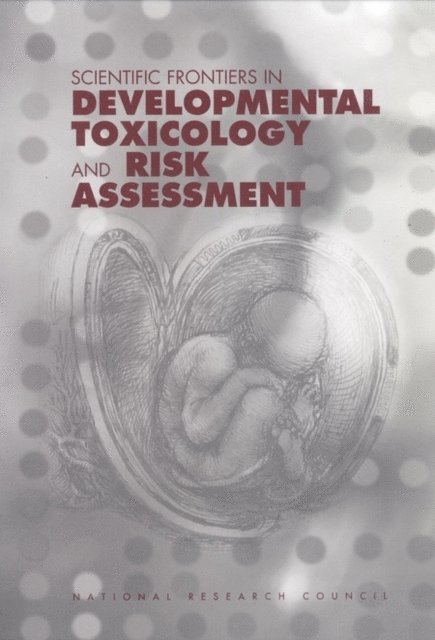
Scientific Frontiers in Developmental Toxicology and Risk Assessment reviews advances made during the last 10-15 years in fields such as developmental biology, molecular biology, and genetics. It describes a novel approach for how these advances might be used in combination with existing methodologies to further the understanding of mechanisms of developmental toxicity, to improve the assessment of chemicals for their ability to cause developmental toxicity, and to improve risk assessment for developmental defects. For example, based on the recent advances, even the smallest, simplest laboratory animals such as the fruit fly, roundworm, and zebrafish might be able to serve as developmental toxicological models for human biological systems. Use of such organisms might allow for rapid and inexpensive testing of large numbers of chemicals for their potential to cause developmental toxicity; presently, there are little or no developmental toxicity data available for the majority of natural and manufactured chemicals in use. This new approach to developmental toxicology and risk assessment will require simultaneous research on several fronts by experts from multiple scientific disciplines, including developmental toxicologists, developmental biologists, geneticists, epidemiologists, and biostatisticians.
1 784 kr
Läs direkt efter köp
Ignition of upholstered furniture by small open flames from matches, cigarette lighters, and candles is one of the leading causes of residential-fire deaths in the United States. These fires accounted for about 16% of civilian fire deaths in 1996. On average, each year since 1990, about 90 deaths (primarily of children), 440 injuries, and property losses amounting to 50 million dollars have resulted from fires caused by the ignition of upholstered furniture by small open flames. Certain commercial seating products (such as aircraft and bus seats) are subject to flammability standards and sometimes incorporate FR-treated upholstery cover materials, but there is no federal-government requirement for residential upholstered furniture, and it is generally not treated with FR chemicals.
It is estimated that less than 0.2% of all U.S. residential upholstery fabric is treated with flame-retardant (FR) chemicals. The Consumer Product Safety Act of 1972 created the U.S. Consumer Product Safety Commission (CPSC) as an independent federal regulatory agency whose mission is to protect the public from unreasonable risks of injury and death associated with consumer products. CPSC also administers the Flammable Fabrics Act, under which it regulates flammability hazards and the Federal Hazardous Substances Act (FHSA), which regulates hazardous substances including chemicals. In 1993, the National Association of State Fire Marshals petitioned CPSC to issue a performance-based flammability standard for upholstered furniture to reduce the risk of residential fires. The Commission granted that portion of the petition relating to small open flame ignition risks.
In response to concerns regarding the safety of FR chemicals, Congress, in the fiscal year 1999 appropriations report for CPSC, requested that the National Research Council conduct an independent study of the health risks to consumers posed by exposure to FR chemicals that are likely to be used in residential upholstered furniture to meet a CPSC standard. The National Research Council assigned the project to the Committee on Toxicology (COT) of the Commission on Life Sciences'' Board on Environmental Studies and Toxicology. COT convened the Subcommittee on Flame-Retardant Chemicals, which prepared this report. Subcommittee members were chosen for their recognized expertise in toxicology, pharmacology, epidemiology, chemistry, exposure assessment, risk assessment, and biostatistics.
Toxicological Risks of Selected Flame-Retardant Chemicals is organized into 18 chapters and two appendices. Chapter 2 describes the risk assessment process used by the subcommittee in determining the risk associated with potential exposure to the various FR chemicals. Chapter 3 describes the method the subcommittee used to measure and estimate the intensity, frequency, extent, and duration of human exposure to FR chemicals. Chapters 4-19 provide the subcommittee''s review and assessment of health risks posed by exposure to each of the 16 FR chemicals. Data gaps and research needs are provided at the end of these chapters.
633 kr
Läs direkt efter köp
The safety of the nation''s drinking water must be maintained to ensure the health of the public. The U.S. Environmental Protection Agency (EPA) is responsible for regulating the levels of substances in the drinking water supply. Copper can leach into drinking water from the pipes in the distribution system, and the allowable levels are regulated by the EPA. The regulation of copper, however, is complicated by the fact that it is both necessary to the normal functioning of the body and toxic to the body at too high a level.
The National Research Council was requested to form a committee to review the scientific validity of the EPA''s maximum contaminant level goal for copper in drinking water. Copper in Drinking Water outlines the findings of the committee''s review. The book provides a review of the toxicity of copper as well as a discussion of the essential nature of this metal. The risks posed by both short-term and long-term exposure to copper are characterized, and the implications for public health are discussed. This book is a valuable reference for individuals involved in the regulation of water supplies and individuals interested in issues surrounding this metal.
1 217 kr
Läs direkt efter köp
Since Operation Desert Shield/Desert Storm, Gulf War veterans have expressed concerns about health effects that could be associated with their deployment and service during the war. Although similar concerns were raised after other military operations, the Gulf War deployment focused national attention on the potential, but uncertain, relationship between the presence of chemical and biological (CB) agents and other harmful agents in theater and health symptoms reported by military personnel.
Strategies to Protect the Health of Deployed U.S. Forces which is one of the four two-year studies, examines the detection and tracking of exposures of deployed personnel to multiple harmful agents.
1 136 kr
Läs direkt efter köp
In 1986, officials of the US Department of Energy revealed that the Hanford Atomic Products Operations in Richland, Washington, had been releasing radioactive material, in particular iodine-131, into the environment over a period of years. This information, which confirmed the suspicions of some people in the Pacific Northwest about what they called the Hanford Reservation or just Hanford, created quite a stir. Both the US Congress and citizens of the Northwest became keenly interested in knowing whether these radiation releases had caused human health effects. They were particularly concerned about whether Hanford releases of iodine-131 had led to an increase in thyroid disease among the population of the area.
In 1988, Congress ordered a study of the human health effects of exposure to the iodine-131 released from Hanford. Funded by the Centers for Disease Control and Prevention (CDC), the study was carried out by the Seattle-based Fred Hutchinson Cancer Research Center over the last decade. The study examined estimate of exposure of the thyroid and rates of thyroid disease because iodine-131 concentrates in the thyroid and that organ would be the best indicator of radiation damage in the population. The Centers for Disease Control and Prevention (CDC) asked the National Academy of Sciences-National Research Council (NAS-NRC) to give an independent appraisal of the study methodology, results, and interpretation and of the communication of the study results to the public.
Review of the Hanford Thyroid Disease Study Draft Final Report constitutes the response of the NRC subcommittee to that request. To respond to the charge, the NRC subcommittee felt that it needed to go beyond the specific questions addressed to it by CDC and develop a broad understanding and critique of the HTDS and the Draft Final Report. As part of those activities, the subcommittee solicited comments from outside experts and members of the public primarily in a public meeting held in Spokane, Washington, in June 1999, where 14 scientists and members of the public made formal presentations to the subcommittee about various aspects of the Draft Final Report. Other members of the public also spoke during four open-comment sessions at the meeting. In addition, efforts were made to evaluate all information materials prepared for the public and additional CDC communication plans. Information was gathered through interviews with journalists, members of concerned citizen groups in the Hanford region, members of the CDC scientific and media staff in Atlanta, and the HTDS investigators.
In this summary, the main points follow the structure of our report and are presented under several headings: epidemiologic and clinical methods and data collection, dosimetry, statistical analyses, statistical power and interpretation of the study, and communication of the study results to the public. We then provide a brief synopsis of our response to the questions raised by CDC.
802 kr
Läs direkt efter köp
Risk management is especially important for military forces deployed in hostile and/or chemically contaminated environments, and on-line or rapid turn-around capabilities for assessing exposures can create viable options for preventing or minimizing incapaciting exposures or latent disease or disability in the years after the deployment. With military support for the development, testing, and validation of state-of-the-art personal and area sensors, telecommunications, and data management resources, the DOD can enhance its capabilities for meeting its novel and challenging tasks and create technologies that will find widespread civilian uses.
Strategies to Protect the Health of Deployed U.S. Forces assesses currently available options and technologies for productive pre-deployment environmental surveillance, exposure surveillance during deployments, and retrospective exposure surveillance post-deployment. This report also considers some opportunities for technological and operational advancements in technology for more effective exposure surveillance and effects management options for force deployments in future years.
602 kr
Läs direkt efter köp
Deployment of forces in hostile or unfamiliar environments is inherently risky. The changing missions and increasing use of U.S. forces around the globe in operations other than battle call for greater attention to threats of non-battle-related health problems—including infections, pathogen- and vector-borne diseases, exposure to toxicants, and psychological and physical stress—all of which must be avoided or treated differently from battle casualties. The likelihood of exposure to chemical and biological weapons adds to the array of tactical threats against which protection is required. The health consequences of physical and psychological stress, by themselves or through interaction with other threats, are also increasingly recognized. In addition, the military''s responsibility in examining potential health and safety risks to its troops is increasing, and the spectrum of health concerns is broadening, from acute illness and injury due to pathogens and accidents to possible influences of low-level chemical exposures, which can manifest themselves in reproductive health and chronic illnesses years later, perhaps even after cessation of military service.
Strategies to Protect the Health of Deployed U.S. Forces develops an analytical framework for assessing risks, which would encompass the risks of adversed health effects from battle injuries, including those from chemical- and biological-warfare agents, and non-battle-related health problems. The presumed spectrum of deployment ranged from peacekeeping to full-scale conflict.
584 kr
Läs direkt efter köp
In the effort to reduce the scientific and technical uncertainties over regulation of airborne particulate matter in the United States, Research Priorities for Airborne Particulate Matter: II. Evaluating Research Progress and Updating the Portfolio, the second book in a four-part series requested by Congress, describes the plans of the committee to monitor the progress of the research on particulate matter conducted by the U.S. Environmental Protection Agency (EPA), other federal and state government agencies, and nongovernmental organizations.
The book also reviews and updates the committee''s portfolio of recommended research in its first volume, Research Priorities for Airborne Particulate Matter: I. Immediate Priorities and a Long-Range Research Portfolio (NRC, 1998). The committee substantially revised two of the ten high-priority research areas recommended in Part I. Part II notes that Congress, EPA, and the scientific community have given strong support to the committee''s recommendations and have implemented substantial changes in research efforts in response to Part I of the series. One important research area-studies of the effects of long-term exposure to particulate matter and other major air pollutants-however, does not appear to be underway or planned.
892 kr
Läs direkt efter köp
Although chemical pesticides safeguard crops and improve farm productivity, they are increasingly feared for their potentially dangerous residues and their effects on ecosystems.
The Future Role of Pesticides explores the role of chemical pesticides in the decade ahead and identifies the most promising opportunities for increasing the benefits and reducing the risks of pesticide use. The committee recommends R&D, program, and policy initiatives for federal agriculture authorities and other stakeholders in the public and private sectors. This book presents clear overviews of key factors in chemical pesticide use, including:
Advances in genetic engineering not only of pest-resistant crops but also of pests themselves. Problems in pesticide use—concerns about the health of agricultural workers, the ability of pests to develop resistance, issues of public perception, and more. Impending shifts in agriculture—globalization of the economy, biological "invasions" of organisms, rising sensitivity toward cross-border environmental issues, and other trends.With a model and working examples, this book offers guidance on how to assess various pest control strategies available to today''s agriculturist.
665 kr
Läs direkt efter köp
Since the 1970s, concerns about health hazards associated with electric and magnetic fields from power lines and from workplace, school, and household use of electricity have led to many studies and continued controversy about whether adverse health effects occur. In the Energy Policy Act of 1992 (Public Law 102-486), Congress authorized a focused national research program to study the possible health effects of exposure to low-intensity, 60-hertz electric and magnetic fields. In response to this legislation and at the request of the Department of Energy (DOE), the National Research Council established a committee under the Board on Radiation Effects Research (BRER) in the Commission on Life Sciences (CLS) to aid in its review of the power-frequency magnetic field research activities completed under the Electric and Magnetic Fields Research and Public Information Dissemination (EMF-RAPID) program that was authorized by the Energy Policy Act. The Research Council''s Committee to Review the Research Activities Completed Under the Energy Policy Act of 1992 (EPACT) was asked to review the EMF-RAPID program implemented by DOE and the National Institute of Environmental Health Sciences (NIEHS), and research strategies suggested by other federal and nonfederal groups.