Board on Biology – författare
Visar alla böcker från författaren Board on Biology. Handla med fri frakt och snabb leverans.
24 produkter
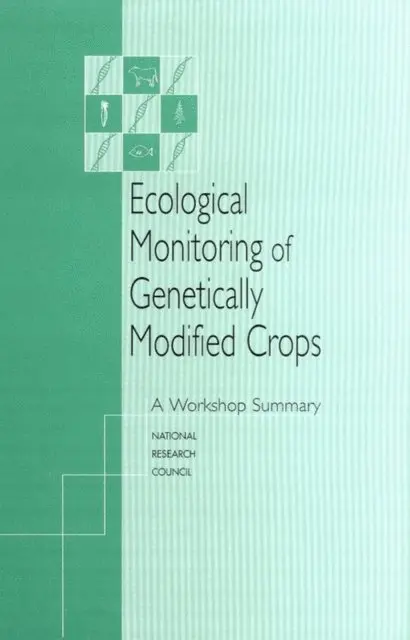
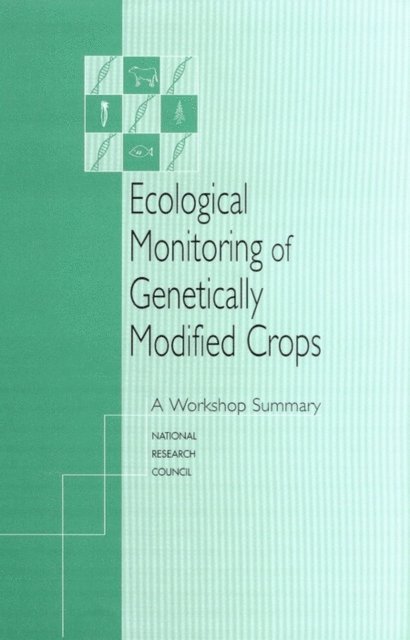
Ecological Monitoring of Genetically Modified Crops
A Workshop Summary
Av Robert Pool, Joan Esnayra m. fl.
E-bok, 2000
644 kr
Lägg i varukorg
Proponents of agricultural biotechnology believe that genetically modified (GM) crops have the potential to provide great ecological benefits, such as reduced pesticide and land use, as well as agricultural benefits. However, given the rapid emergence of commercial GM crops and the likely increase …
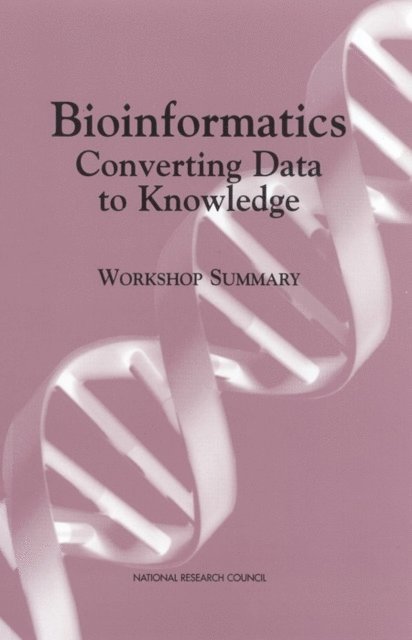
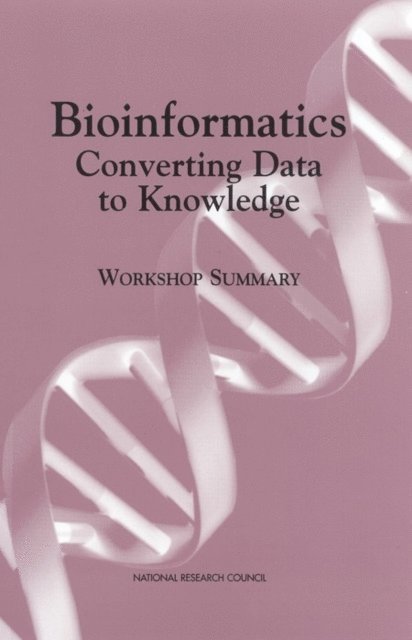
Bioinformatics
Converting Data to Knowledge
Av Robert Pool, Joan Esnayra m. fl.
E-bok, 2000
658 kr
Lägg i varukorg
The goal of this workshop was to bring together bioinformatics stake holders from government, academe, and industry for a day of presentations and dialogue. Fifteen experts identified and discussed some of the most important issues raised by the current flood of biologic data. Topics explored …
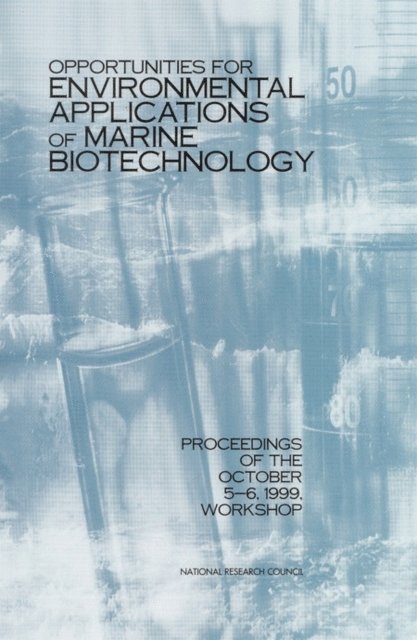
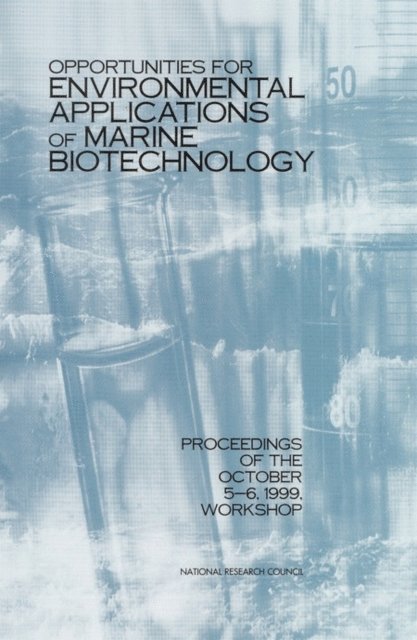
Opportunities for Environmental Applications of Marine Biotechnology
Proceedings of the October 5-6, 1999, Workshop
Av Board on Biology, Ocean Studies Board m. fl.
E-bok, 2000
796 kr
Lägg i varukorg
This 2-day workshop is the culmination of a study of the status and future of marine biotechnology. The overall goal of this workshop is to examine what was initially called "Opportunities for Marine Biotechnology in the United States," to consider where we are now in this field of "Environmental …
Privacy Issues in Biomedical and Clinical Research
Av Board on Biology, Commission on Life Sciences m. fl.
E-bok, 1998
658 kr
Lägg i varukorg
After discussions with the National Cancer Institute and the Department of Energy the Board on Biology of the National Research Council agreed to run a workshop under the auspices of its Forum on Biotechnology entitled "Privacy Issues in Biomedical and Clinical Research" on November 1, 1997. The …
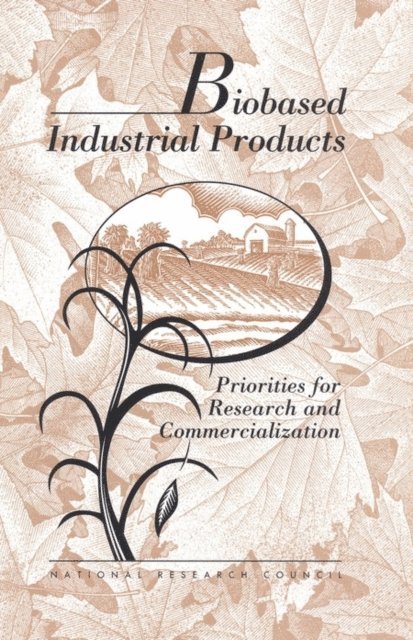
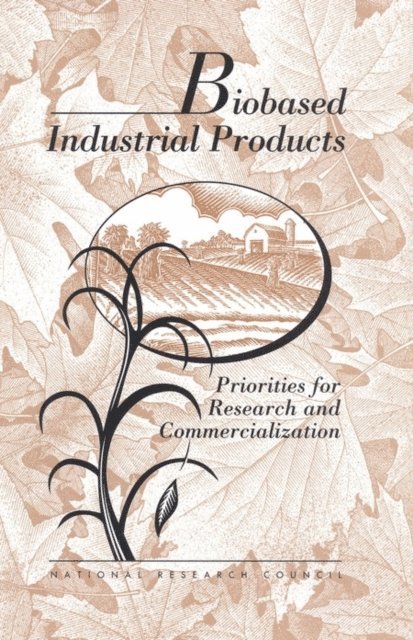
Biobased Industrial Products
Priorities for Research and Commercialization
Av Committee on Biobased Industrial Products, Board on Biology m. fl.
E-bok, 2000
693 kr
Lägg i varukorg
Petroleum-based industrial products have gradually replaced products derived from biological materials. However, biologically based products are making a comeback—because of a threefold increase in farm productivity and new technologies. Biobased Industrial Products envisions a biobased industrial …
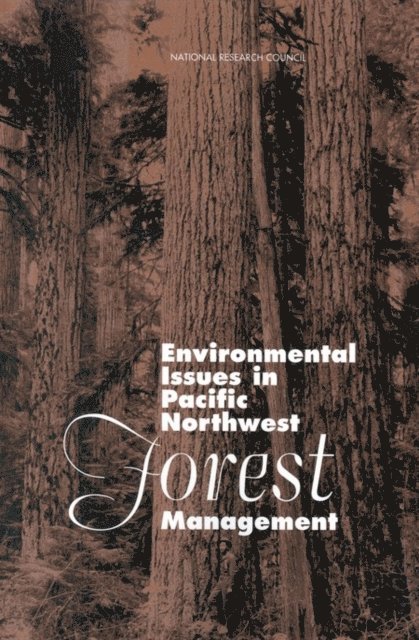
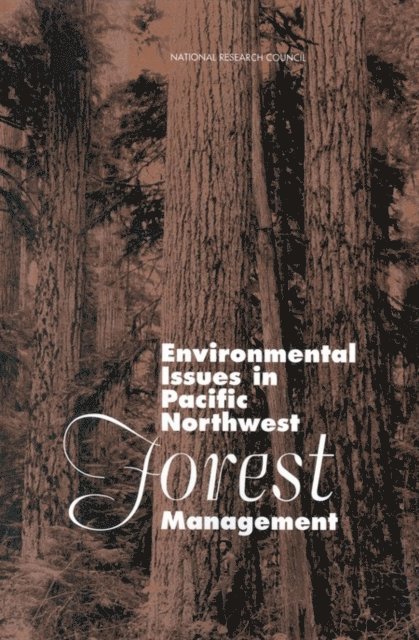
Environmental Issues in Pacific Northwest Forest Management
Av Committee on Environmental Issues in Pacific Northwest Forest Management, Board on Biology m. fl.
E-bok, 2000
673 kr
Lägg i varukorg
People are demanding more of the goods, services, and amenities provided by the forests of the Pacific Northwest, but the finiteness of the supply has become clear. This issue involves complex questions of biology, economics, social values, community life, and federal intervention. Forests of the …
Opportunities for Environmental Applications of Marine Biotechnology
Proceedings of the October 5-6, 1999, Workshop
Av Board on Biology, Ocean Studies Board m. fl.
E-bok, 2000
572 kr
Lägg i varukorg
This 2-day workshop is the culmination of a study of the status and future of marine biotechnology. The overall goal of this workshop is to examine what was initially called "Opportunities for Marine Biotechnology in the United States," to consider where we are now in this field of "Environmental …
Bioinformatics
Converting Data to Knowledge
Av Robert Pool, Joan Esnayra m. fl.
E-bok, 2000
458 kr
Lägg i varukorg
The goal of this workshop was to bring together bioinformatics stake holders from government, academe, and industry for a day of presentations and dialogue. Fifteen experts identified and discussed some of the most important issues raised by the current flood of biologic data. Topics explored …
Ecological Monitoring of Genetically Modified Crops
A Workshop Summary
Av Robert Pool, Joan Esnayra m. fl.
E-bok, 2000
468 kr
Lägg i varukorg
Proponents of agricultural biotechnology believe that genetically modified (GM) crops have the potential to provide great ecological benefits, such as reduced pesticide and land use, as well as agricultural benefits. However, given the rapid emergence of commercial GM crops and the likely increase …
Privacy Issues in Biomedical and Clinical Research
Av Board on Biology, Commission on Life Sciences m. fl.
E-bok, 1998
458 kr
Lägg i varukorg
After discussions with the National Cancer Institute and the Department of Energy the Board on Biology of the National Research Council agreed to run a workshop under the auspices of its Forum on Biotechnology entitled "Privacy Issues in Biomedical and Clinical Research" on November 1, 1997. The …
Designing an Agricultural Genome Program
Av Board on Biology, Board on Agriculture m. fl.
E-bok, 1998
194 kr
Lägg i varukorg
Biobased Industrial Products
Priorities for Research and Commercialization
Av Committee on Biobased Industrial Products, Board on Biology m. fl.
E-bok, 2000
483 kr
Lägg i varukorg
Petroleum-based industrial products have gradually replaced products derived from biological materials. However, biologically based products are making a comeback—because of a threefold increase in farm productivity and new technologies. Biobased Industrial Products envisions a biobased industrial …
Dolphins and the Tuna Industry
Av Committee on Reducing Porpoise Mortality from Tuna Fishing, Board on Biology m. fl.
E-bok, 1992
348 kr
Lägg i varukorg
This book presents key conclusions about the controversial killing of thousands of dolphins each year during tuna fishing in the eastern tropical Pacific. Dolphins drown in nets that are set to catch yellowfin tuna, which tend to swim beneath dolphin herds. After 20 years of intense debate among …
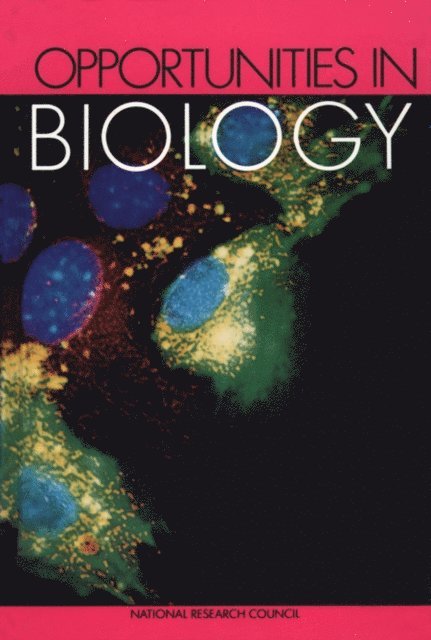
Opportunities in Biology
Av Committee on Research Opportunities in Biology, Board on Biology m. fl.
E-bok, 1989
572 kr
Lägg i varukorg
Biology has entered an era in which interdisciplinary cooperation is at an all-time high, practical applications follow basic discoveries more quickly than ever before, and new technologies—recombinant DNA, scanning tunneling microscopes, and more—are revolutionizing the way science is conducted. …
Environmental Issues in Pacific Northwest Forest Management
Av Committee on Environmental Issues in Pacific Northwest Forest Management, Board on Biology m. fl.
E-bok, 2000
636 kr
Lägg i varukorg
People are demanding more of the goods, services, and amenities provided by the forests of the Pacific Northwest, but the finiteness of the supply has become clear. This issue involves complex questions of biology, economics, social values, community life, and federal intervention. Forests of the …
Shaping the Future
Biology and Human Values
Av Steve Olson, Board on Biology m. fl.
E-bok, 1989
238 kr
Lägg i varukorg
This book brings the concerned individual up-to-date on the breakthroughs and social questions emerging from biology today. Author Steve Olson draws on the latest research in a number of fields as well as the views of leading biologists, ethicists, and philosophers. He tells the story of the …
Shaping the Future
Biology and Human Values
Av National Research Council, Division on Earth and Life Studies m. fl.
Inbunden, 1989
1777 kr
Tillfälligt slut
This book brings the concerned individual up-to-date on the breakthroughs and social questions emerging from biology today. Author Steve Olson draws on the latest research in a number of fields as well as the views of leading biologists, ethicists, and philosophers. He tells the story of the …
Dolphins and the Tuna Industry
Av National Research Council, Division on Earth and Life Studies m. fl.
Häftad, 1992
1442 kr
Tillfälligt slut
This book presents key conclusions about the controversial killing of thousands of dolphins each year during tuna fishing in the eastern tropical Pacific. Dolphins drown in nets that are set to catch yellowfin tuna, which tend to swim beneath dolphin herds. After 20 years of intense debate among …
Environmental Issues in Pacific Northwest Forest Management
Av National Research Council, Commission on Life Sciences m. fl.
Häftad, 2000
1400 kr
Tillfälligt slut
People are demanding more of the goods, services, and amenities provided by the forests of the Pacific Northwest, but the finiteness of the supply has become clear. This issue involves complex questions of biology, economics, social values, community life, and federal intervention. Forests of the …
Biobased Industrial Products
Priorities for Research and Commercialization
Av National Research Council, Commission on Life Sciences m. fl.
Häftad, 2000
1400 kr
Tillfälligt slut
Petroleum-based industrial products have gradually replaced products derived from biological materials. However, biologically based products are making a comeback--because of a threefold increase in farm productivity and new technologies. Biobased Industrial Products envisions a biobased industrial …
Designing an Agricultural Genome Program
Av National Research Council, Board on Agriculture m. fl.
Häftad, 1998
1132 kr
Tillfälligt slut
Privacy Issues in Biomedical and Clinical Research
Av National Research Council, Division on Earth and Life Studies m. fl.
Häftad, 1998
1417 kr
Tillfälligt slut
After discussions with the National Cancer Institute and the Department of Energy the Board on Biology of the National Research Council agreed to run a workshop under the auspices of its Forum on Biotechnology entitled "Privacy Issues in Biomedical and Clinical Research" on November 1, 1997. The …
Bioinformatics
Converting Data to Knowledge
Av National Research Council, Commission on Life Sciences m. fl.
Häftad, 2000
1417 kr
Tillfälligt slut
The goal of this workshop was to bring together bioinformatics stake holders from government, academe, and industry for a day of presentations and dialogue. Fifteen experts identified and discussed some of the most important issues raised by the current flood of biologic data. Topics explored …
Ecological Monitoring of Genetically Modified Crops
A Workshop Summary
Av National Research Council, Board on Agriculture and Natural Resources m. fl.
Häftad, 2000
665 kr
Tillfälligt slut
Proponents of agricultural biotechnology believe that genetically modified (GM) crops have the potential to provide great ecological benefits, such as reduced pesticide and land use, as well as agricultural benefits. However, given the rapid emergence of commercial GM crops and the likely increase …