Board on Agriculture and Natural Resources – författare
Visar alla böcker från författaren Board on Agriculture and Natural Resources. Handla med fri frakt och snabb leverans.
102 produkter
102 produkter
Inbunden, Engelska, 2006
1 352 kr
Skickas
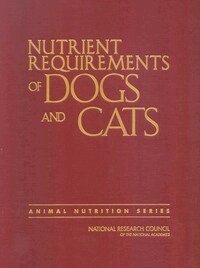
Updating recommendations last made by the National Research Council in the mid-1980s, this report provides nutrient recommendations based on physical activity and stage in life, major factors that influence nutrient needs. It looks at how nutrients are metabolized in the bodies of dogs and cats, indications of nutrient deficiency, and diseases related to poor nutrition. The report provides a valuable resource for industry professionals formulating diets, scientists setting research agendas, government officials developing regulations for pet food labeling, and as a university textbook for dog and cat nutrition. It can also guide pet owners feeding decisions for their pets with information on specific nutrient needs, characteristics of different types of pet foods, and factors to consider when feeding cats and dogs.
Inbunden, Engelska, 2007
1 352 kr
Skickas
Proper formulation of diets for horses depends on adequate knowledge of their nutrient requirements. These requirements depend on the breed and age of the horse and whether it is exercising, pregnant, or lactating. A great deal of new information has been accumulated since the publication 17 years ago of the last edition of Nutrient Requirements of Horses. This new edition features a detailed review of scientific literature, summarizing all the latest information, and provides a new set of requirements based on revised data. Also included is updated information on the composition of feeds, feed additives, and other compounds routinely fed to horses. The effects of physiological factors, such as exercise, and environmental factors, such as temperature and humidity, are covered, as well. Nutrient Requirements of Horses also contains information on several nutritional and metabolic diseases that horses often have.Designed primarily as a reference, both practical and technical, Nutrient Requirements of Horses is intended to ensure that the diets of horses and other equids contain adequate amounts of nutrients and that the intakes of certain nutrients are not so excessive that they inhibit performance or impair health. This book is primarily intended for animal nutritionists, veterinarians, and other scientists; however, individual horse owners and managers will also find some of this material useful. Professors who teach graduate courses in animal nutrition will find Nutrient Requirements of Horses beneficial as a textbook.
Inbunden, Engelska, 2006
1 352 kr
Skickas
Updating two previous National Research Council publications, Nutrient Requirements of Sheep, Sixth Revised Edition, 1985, and Nutrient Requirements of Goats, First Edition, 1981, this new book provides an evaluation of the scientific literature on the nutrient requirements of small ruminants in all stages of life. In addition, effects of the environment, feed additives, and metabolism modifiers on nutrient requirements are addressed. Proper formulation of diets for small ruminants depends on adequate knowledge of their nutrient requirements. These requirements depend on the breed and age of the animal and whether he or she is exercising, pregnant, or lactating. Nutrient Requirements of Small Ruminants brings together a summary of this latest data with new and expanded information on the composition of feeds commonly consumed by small ruminants, both domestic and wild. For the first time this authoritative reference work includes information on cervids and camelids.Primarily intended for animal nutritionists, veterinarians, and other scientists, some sections will be useful to individual sheep and goat owners and managers and to those responsible for the care and management of wildlife species. As both a practical and a technical reference book, this material is written to ensure that diets of small ruminants contain adequate amounts of nutrients and that intakes of certain nutrients are not so excessive that they inhibit performance or impair health.
Inbunden, Engelska, 2008
1 590 kr
Skickas
Growing numbers of pet owners are giving their pets dietary supplements in hopes of supporting their health. Many people presume that supplements are safer than drugs, but the reality is that there are very limited safety data on dietary supplements for pets. Many challenges stand in the way of determining whether animal dietary supplements are safe and at what dosage. Supplements considered safe in humans and other species are not always safe in horses, dogs, and cats. An improved adverse event reporting system is badly needed. Also, the absence of laws and regulations that specifically address animal dietary supplements causes considerable confusion to the industry and to the public. Clear and precise regulations are needed to allow only safe dietary supplements on the market. This book examines issues in determining safety of animal dietary supplements in general, and the safety of three animal dietary supplements; lutein, evening primrose oil, and garlic, in particular.
Häftad, Engelska, 2009
597 kr
Skickas
In the United States, people living in low-income neighborhoods frequently do not have access to affordable healthy food venues, such as supermarkets. Instead, those living in "food deserts" must rely on convenience stores and small neighborhood stores that offer few, if any, healthy food choices, such as fruits and vegetables. The Institute of Medicine (IOM) and National Research Council (NRC) convened a two-day workshop on January 26-27, 2009, to provide input into a Congressionally-mandated food deserts study by the U.S. Department of Agriculture's Economic Research Service. The workshop, summarized in this volume, provided a forum in which to discuss the public health effects of food deserts.
Inbunden, Engelska, 2011
1 312 kr
Skickas
Aquaculture now supplies half of the seafood and fisheries products consumed worldwide and is gaining international significance as a source of food and income. Future demands for seafood and fisheries products can only be met by expanded aquaculture production. Such production will likely become more intensive and will depend increasingly on nutritious and efficient aquaculture feeds containing ingredients from sustainable sources. To meet this challenge, Nutrient Requirements of Fish and Shrimp provides a comprehensive summary of current knowledge about nutrient requirements of fish and shrimp and supporting nutritional science. This edition incorporates new material and significant updates to information in the 1993 edition. It also examines the practical aspects of feeding of fish and shrimp. Nutrient Requirements of Fish and Shrimp will be a key resource for everyone involved in aquaculture and for others responsible for the feeding and care of fish and shrimp. It will also aid scientists in developing new and improved approaches to satisfy the demands of the growing aquaculture industry.
Häftad, Engelska, 2010
420 kr
Skickas
To ensure the safety of food distributed through the National School Lunch Program, food banks, and other federal food and nutrition programs, the United States Department of Agriculture has established food safety and quality requirements for the ground beef it purchases. This National Research Council book reviews the scientific basis of the Department's ground beef safety standards, evaluates how the standards compare to those used by large retail and commercial food service purchasers of ground beef, and looks at ways to establish periodic evaluations of the Federal Purchase Ground Beef Program. The book finds that although the safety requirements could be strengthened using scientific concepts, the prevention of future outbreaks of foodborne disease will depend on eliminating contamination during production and ensuring meat is properly cooked before it is served.
Häftad, Engelska, 2011
592 kr
Skickas inom 3-6 vardagar
The control of illicit-drug trafficking and drug use is a difficult and complex process that involves a variety of prevention, control, treatment, and law enforcement strategies. Eradication strategies for controlling illicit-drug crops are used to target the beginning of the drug-supply chain by preventing or reducing crop yields. Mycoherbicides have been proposed as an eradication tool to supplement the current methods of herbicide spraying, mechanical removal, and manual destruction of illicit-drug crops. Some people regard them as preferable to chemical herbicides for controlling illicit-drug crops because of their purported specificity to only one plant species or a few closely related species. As living microorganisms, they have the potential to provide long-term control if they can persist in the environment and affect later plantings. Research on mycoherbicides against illicit-drug crops has focused on three pathogens: Fusarium oxysporum f.sp. cannabis for cannabis (Cannabis sativa), F. oxysporum f.sp. erythroxyli for coca (Erythroxylum coca and E. novogranatense), and Crivellia papaveracea or Brachycladium papaveris (formerly known as Pleospora papaveracea and Dendryphion penicillatum, respectively) for opium poppy (Papaver somniferum).Feasibility of Using Mycoherbicides for Controlling Illicit Drug Crops addresses issues about the potential use of the proposed mycoherbicides: their effectiveness in eradicating their target plants; the feasibility of their large-scale industrial manufacture and delivery; their potential spread and persistence in the environment; their pathogenicity and toxicity to nontarget organisms, including other plants, fungi, animals, and humans; their potential for mutation and resulting effects on target plants and nontarget organisms; and research and development needs. On the basis of its review, the report concludes that the available data are insufficient to determine the effectiveness of the specific fungi proposed as mycoherbicides to combat illicit-drug crops or to determine their potential effects on nontarget plants, microorganisms, animals, humans, or the environment. However, the committee offers an assessment of what can and cannot be determined at the present time regarding each of the issues raised in the statement of task.
Inbunden, Engelska, 2012
1 312 kr
Skickas
Since 1944, the National Research Council has published 10 editions of the Nutrient Requirements of Swine. This reference has guided nutritionists and other professionals in academia and the swine and feed industries in developing and implementing nutritional and feeding programs for swine. The swine industry has undergone considerable changes since the tenth edition was published in 1998 and some of the requirements and recommendations set forth at that time are no longer relevant or appropriate. The eleventh revised edition of the Nutrient Requirements of Swine builds on the previous editions published by the National Research Council. A great deal of new research has been published during the last 15 years and there is a large amount of new information for many nutrients.In addition to a thorough and current evaluation of the literature on the energy and nutrient requirements of swine in all stages of life, this volume includes information about feed ingredients from the biofuels industry and other new ingredients, requirements for digestible phosphorus and concentrations of it in feed ingredients, a review of the effects of feed additives and feed processing, and strategies to increase nutrient retention and thus reduce fecal and urinary excretions that could contribute to environmental pollution. The tables of feed ingredient composition are significantly updated. Nutrient Requirements of Swine represents a comprehensive review of the most recent information available on swine nutrition and ingredient composition that will allow efficient, profitable, and environmentally conscious swine production.
Häftad, Engelska, 2012
490 kr
Skickas inom 3-6 vardagar
Preserving the efficacy of herbicides and of herbicide-resistance technology depends on awareness of the increasing resistance of weeds to herbicides used in agriculture and coordinated action to address the problem by individuals at the farm level and beyond. This summit served as a venue to bring the attention of important stakeholders to the issue and as an opportunity for experts from diverse disciplines to strategize in a coordinated way to address herbicide-resistant weeds. In convening stakeholders for this event, participants took a step toward a recommendation from the 2010 National Research Council report The Impact of Genetically Engineered Crops on Farm Sustainability in the United States that federal and state government agencies, private-sector technology developers, universities, farmer organizations, and other relevant stakeholders collaborate to document emerging weed-resistance problems and to develop cost-effective resistance-management programs and practices that preserve effective weed control.The summit provided the opportunity for stakeholders to explore the scientific basis of the emergence of herbicide resistance and to consider different perspectives on both opportunities and barriers to overcoming the problem of herbicide-resistant weeds. National Summit on Strategies to Manage Herbicide-Resistant Weeds contains a brief synopsis of key points made by each speaker at the summit.
Häftad, Engelska, 2016
877 kr
Skickas
Since 1944, the National Research Council (NRC) has published seven editions of the Nutrient Requirements of Beef Cattle. This reference has guided nutritionists and other professionals in academia and the cattle and feed industries in developing and implementing nutritional and feeding programs for beef cattle. The cattle industry has undergone considerable changes since the seventh revised edition was published in 2000 and some of the requirements and recommendations set forth at that time are no longer relevant or appropriate.The eighth revised edition of the Nutrient Requirements of Beef Cattle builds on the previous editions. A great deal of new research has been published during the past 14 years and there is a large amount of new information for many nutrients. In addition to a thorough and current evaluation of the literature on the energy and nutrient requirements of beef in all stages of life, this volume includes new information about phosphorus and sulfur contents; a review of nutritional and feeding strategies to minimize nutrient losses in manure and reduce greenhouse gas production; a discussion of the effect of feeding on the nutritional quality and food safety of beef; new information about nutrient metabolism and utilization; new information on feed additives that alter rumen metabolism and postabsorptive metabolism; and future areas of needed research. The tables of feed ingredient composition are significantly updated.Nutrient Requirements of Beef Cattle represents a comprehensive review of the most recent information available on beef cattle nutrition and ingredient composition that will allow efficient, profitable, and environmentally conscious beef production.
Häftad, Engelska, 2015
703 kr
Skickas
How we produce and consume food has a bigger impact on Americans' well-being than any other human activity. The food industry is the largest sector of our economy; food touches everything from our health to the environment, climate change, economic inequality, and the federal budget. From the earliest developments of agriculture, a major goal has been to attain sufficient foods that provide the energy and the nutrients needed for a healthy, active life. Over time, food production, processing, marketing, and consumption have evolved and become highly complex. The challenges of improving the food system in the 21st century will require systemic approaches that take full account of social, economic, ecological, and evolutionary factors. Policy or business interventions involving a segment of the food system often have consequences beyond the original issue the intervention was meant to address. A Framework for Assessing Effects of the Food System develops an analytical framework for assessing effects associated with the ways in which food is grown, processed, distributed, marketed, retailed, and consumed in the United States.The framework will allow users to recognize effects across the full food system, consider all domains and dimensions of effects, account for systems dynamics and complexities, and choose appropriate methods for analysis. This report provides example applications of the framework based on complex questions that are currently under debate: consumption of a healthy and safe diet, food security, animal welfare, and preserving the environment and its resources. A Framework for Assessing Effects of the Food System describes the U.S. food system and provides a brief history of its evolution into the current system. This report identifies some of the real and potential implications of the current system in terms of its health, environmental, and socioeconomic effects along with a sense for the complexities of the system, potential metrics, and some of the data needs that are required to assess the effects. The overview of the food system and the framework described in this report will be an essential resource for decision makers, researchers, and others to examine the possible impacts of alternative policies or agricultural or food processing practices.
Inbunden, Engelska, 2016
1 312 kr
Skickas
Since 1944, the National Research Council (NRC) has published seven editions of the Nutrient Requirements of Beef Cattle. This reference has guided nutritionists and other professionals in academia and the cattle and feed industries in developing and implementing nutritional and feeding programs for beef cattle. The cattle industry has undergone considerable changes since the seventh revised edition was published in 2000 and some of the requirements and recommendations set forth at that time are no longer relevant or appropriate. The eighth revised edition of the Nutrient Requirements of Beef Cattle builds on the previous editions. A great deal of new research has been published during the past 14 years and there is a large amount of new information for many nutrients.In addition to a thorough and current evaluation of the literature on the energy and nutrient requirements of beef in all stages of life, this volume includes new information about phosphorus and sulfur contents; a review of nutritional and feeding strategies to minimize nutrient losses in manure and reduce greenhouse gas production; a discussion of the effect of feeding on the nutritional quality and food safety of beef; new information about nutrient metabolism and utilization; new information on feed additives that alter rumen metabolism and postabsorptive metabolism; and future areas of needed research. The tables of feed ingredient composition are significantly updated. Nutrient Requirements of Beef Cattle represents a comprehensive review of the most recent information available on beef cattle nutrition and ingredient composition that will allow efficient, profitable, and environmentally conscious beef production.
Häftad, Engelska, 2011
832 kr
Skickas
Aquaculture now supplies half of the seafood and fisheries products consumed worldwide and is gaining international significance as a source of food and income. Future demands for seafood and fisheries products can only be met by expanded aquaculture production. Such production will likely become more intensive and will depend increasingly on nutritious and efficient aquaculture feeds containing ingredients from sustainable sources.To meet this challenge, Nutrient Requirements of Fish and Shrimp provides a comprehensive summary of current knowledge about nutrient requirements of fish and shrimp and supporting nutritional science. This edition incorporates new material and significant updates to information in the 1993 edition. It also examines the practical aspects of feeding of fish and shrimp.Nutrient Requirements of Fish and Shrimp will be a key resource for everyone involved in aquaculture and for others responsible for the feeding and care of fish and shrimp. It will also aid scientists in developing new and improved approaches to satisfy the demands of the growing aquaculture industry.
Häftad, Engelska, 2006
856 kr
Skickas
Updating two previous National Research Council publications, NutrientRequirements of Sheep, Sixth Revised Edition, 1985, and Nutrient Requirementsof Goats, First Edition, 1981, this new book provides an evaluation of the scientificliterature on the nutrient requirements of small ruminants in allstages of life. In addition, effects of the environment, feed additives, andmetabolism modifiers on nutrient requirements are addressed. Proper formulationof diets for small ruminants depends on adequate knowledge oftheir nutrient requirements. These requirements depend on the breed andage of the animal and whether he or she is exercising, pregnant, or lactating.Nutrient Requirements of Small Ruminants brings together a summary ofthis latest data with new and expanded information on the composition offeeds commonly consumed by small ruminants, both domestic and wild.For the first time this authoritative reference work includes information oncervids and camelids. Primarily intended for animal nutritionists, veterinarians,and other scientists, some sections will be useful to individual sheepand goat owners and managers and to those responsible for the care andmanagement of wildlife species. As both a practical and a technical referencebook, this material is written to ensure that diets of small ruminantscontain adequate amounts of nutrients and that intakes of certain nutrientsare not so excessive that they inhibit performance or impair health.
Häftad, Engelska, 2006
904 kr
Skickas
Updating recommendations last made by the National Research Council in the mid-1980s, this report provides nutrient recommendations based on physical activity and stage in life, major factors that influence nutrient needs. It looks at how nutrients are metabolized in the bodies of dogs and cats, indications of nutrient deficiency, and diseases related to poor nutrition. The report provides a valuable resource for industry professionals formulating diets, scientists setting research agendas, government officials developing regulations for pet food labeling, and as a university textbook for dog and cat nutrition. It can also guide pet owners feeding decisions for their pets with information on specific nutrient needs, characteristics of different types of pet foods, and factors to consider when feeding cats and dogs.
Häftad, Engelska, 2007
904 kr
Skickas
Proper formulation of diets for horses depends on adequate knowledge of their nutrient requirements. These requirements depend on the breed and age of the horse and whether it is exercising, pregnant, or lactating.A great deal of new information has been accumulated since the publication 17 years ago of the last edition of Nutrient Requirements of Horses. This new edition features a detailed review of scientific literature, summarizing all the latest information, and provides a new set of requirements based on revised data. Also included is updated information on the composition of feeds, feed additives, and other compounds routinely fed to horses. The effects of physiological factors, such as exercise, and environmental factors, such as temperature and humidity, are covered, as well. Nutrient Requirements of Horses also contains information on several nutritional and metabolic diseases that horses often have.Designed primarily as a reference, both practical and technical, Nutrient Requirements of Horses is intended to ensure that the diets of horses and other equids contain adequate amounts of nutrients and that the intakes of certain nutrients are not so excessive that they inhibit performance or impair health. This book is primarily intended for animal nutritionists, veterinarians, and other scientists; however, individual horse owners and managers will also find some of this material useful. Professors who teach graduate courses in animal nutrition will find Nutrient Requirements of Horses beneficial as a textbook.
Häftad, Engelska, 2012
877 kr
Skickas
Since 1944, the National Research Council has published 10 editions of the Nutrient Requirements of Swine. This reference has guided nutritionists and other professionals in academia and the swine and feed industries in developing and implementing nutritional and feeding programs for swine. The swine industry has undergone considerable changes since the tenth edition was published in 1998 and some of the requirements and recommendations set forth at that time are no longer relevant or appropriate.The eleventh revised edition of the Nutrient Requirements of Swine builds on the previous editions published by the National Research Council. A great deal of new research has been published during the last 15 years and there is a large amount of new information for many nutrients. In addition to a thorough and current evaluation of the literature on the energy and nutrient requirements of swine in all stages of life, this volume includes information about feed ingredients from the biofuels industry and other new ingredients, requirements for digestible phosphorus and concentrations of it in feed ingredients, a review of the effects of feed additives and feed processing, and strategies to increase nutrient retention and thus reduce fecal and urinary excretions that could contribute to environmental pollution. The tables of feed ingredient composition are significantly updated.Nutrient Requirements of Swine represents a comprehensive review of the most recent information available on swine nutrition and ingredient composition that will allow efficient, profitable, and environmentally conscious swine production.
Inbunden, Engelska, 2026
1 312 kr
Skickas
The Tenth Revised Edition of Nutrient Requirements of Poultry is a comprehensive analysis of recent research on feeding and nutrition of poultry, nutrient requirements, and physiological and environmental factors affecting requirements. This book is an update of the recommendations contained in the 1994 Ninth Edition, with updated nutrient requirements and feeding strategies to minimize nutrient losses in manure and reduce greenhouse gas production. Nutrient Requirements of Poultry Tenth Revised Edition will serve as an authoritative source of information for feeding poultry.
Inbunden, Engelska, 2021
1 312 kr
Skickas
Since 1944, the National Research Council (NRC) has published seven editions of the Nutrient Requirements of Dairy Cattle. This reference has guided nutritionists and other professionals in academia and the dairy and feed industries in developing and implementing nutritional and feeding programs for dairy cattle.The eighth revised edition of the Nutrient Requirements of Dairy Cattle builds on the previous editions. A great deal of new research has been published and there is a large amount of new information for many nutrients. This book represents a comprehensive review of the most recent information available on efficient, profitable, and environmentally conscious dairy cattle nutrition and ingredient composition.
Häftad, Engelska, 2021
949 kr
Skickas
Since 1944, the National Research Council (NRC) has published seven editions of the Nutrient Requirements of Dairy Cattle. This reference has guided nutritionists and other professionals in academia and the dairy and feed industries in developing and implementing nutritional and feeding programs for dairy cattle.The eighth revised edition of the Nutrient Requirements of Dairy Cattle builds on the previous editions. A great deal of new research has been published and there is a large amount of new information for many nutrients. This book represents a comprehensive review of the most recent information available on efficient, profitable, and environmentally conscious dairy cattle nutrition and ingredient composition.
Inbunden, Engelska, 2000
1 473 kr
Tillfälligt slut
Although chemical pesticides safeguard crops and improve farm productivity, they are increasingly feared for their potentially dangerous residues and their effects on ecosystems. The Future Role of Pesticides explores the role of chemical pesticides in the decade ahead and identifies the most promising opportunities for increasing the benefits and reducing the risks of pesticide use. The committee recommends R&D, program, and policy initiatives for federal agriculture authorities and other stakeholders in the public and private sectors. This book presents clear overviews of key factors in chemical pesticide use, including: * Advances in genetic engineering not only of pest-resistant crops but also of pests themselves. * Problems in pesticide use--concerns about the health of agricultural workers, the ability of pests to develop resistance, issues of public perception, and more. * Impending shifts in agriculture--globalization of the economy, biological "invasions" of organisms, rising sensitivity toward cross-border environmental issues, and other trends.With a model and working examples, this book offers guidance on how to assess various pest control strategies available to today's agriculturist.
Inbunden, Engelska, 2000
1 404 kr
Tillfälligt slut
This book explores the risks and benefits of crops that are genetically modified for pest resistance, the urgency of establishing an appropriate regulatory framework for these products, and the importance of public understanding of the issues. The committee critically reviews federal policies toward transgenic products, the 1986 coordinated framework among the key federal agencies in the field, and rules proposed by the Environmental Protection Agency for regulation of plant pesticides. This book provides detailed analyses of: * Mechanisms and results of genetic engineering compared to conventional breeding for pest resistance. * Review of scientific issues associated with transgenic pest-protected plants, such as allergenicity, impact on nontarget plants, evolution of the pest species, and other concerns. * Overview of regulatory framework and its use of scientific information with suggestions for improvements.
Häftad, Engelska, 2003
904 kr
Tillfälligt slut
This new release presents the wealth of information gleaned about nonhuman primates nutrition since the previous edition was published in 1978. With expanded coverage of natural dietary habits, gastrointestinal anatomy and physiology, and the nutrient needs of species that have been difficult to maintain in captivity, it explores the impact on nutrition of physiological and life-stage considerations: infancy, weaning, immune function, obesity, aging, and more. The committee also discusses issues of environmental enrichment such as opportunities for foraging. Based on the world's scientific literature and input from authoritative sources, the book provides best estimates of nutrient requirements. The volume covers requirements for energy: carbohydrates, including the role of dietary fiber; proteins and amino acids; fats and fatty acids; minerals, fat-soluble and water-soluble vitamins; and water. The book also analyzes the composition of important foods and feed ingredients and offers guidelines on feed processing and diet formulation.
Häftad, Engelska, 2000
1 352 kr
Tillfälligt slut
Our nation faces daunting challenges to its food and fiber system and to the condition of our natural resources in the coming decades. Rapid increases in world population and the pressure on resources generated by increasing per capita consumption as a result of increasing per capita income challenge the very basis of our standard of living-our food, fiber, and natural-resource base. As the nation faces the challenges, new technologies and new information systems are changing the face of biologic research. The US Department of Agriculture (USDA) has traditionally been the nation's primary public research engine in food, fiber, and natural resources. The National Research Initiative Competitive Grants Program (NRI) is a small part of that USDA research effort, but it accounts for a substantial portion of the nation's merit-based peer-reviewed fundamental research efforts in food, fiber, and natural resources. In 1997, USDA asked the National Research Council Board on Agriculture (now the Board on Agriculture and Natural Resources) to conduct an independent assessment of the NRI program.Specifically, USDA asked the Research Council to: perform a retrospective assessment of the quality and value of research funded by the program; determine whether the science and technology priorities in the major NRI programs are defined appropriately; assess how NRI activities complement other USDA programs, those of other federal agencies, and state programs in the private sector; and recommend the nature and content of changes for the future. This report summarizes the results of the committee's analysis. Chapter 2 summarizes the value of food, fiber, and natural resources-research to the United States, focusing on economic contributions and rates of return of food and fiber research. The committee's analysis of the quality, value, fairness, relevance, and responsiveness of the NRI competitive grants program is presented in chapter 3. Chapter 4 presents the committee's analysis of the role and scope of the NRI, including its scientific objectives, its value in training and education, and its complementarity with other research activities. The committee's analysis of NRI's priority-setting process and its research priorities is given in chapter 5.The committee's analysis of organizational and funding issues is given in chapter 6. Chapter 7 presents the committee's recommendations to improve the effectiveness of the NRI program. Additional supporting materials are found in appendixes A through I.
Häftad, Engelska, 2000
1 484 kr
Tillfälligt slut
The rapid expansion of international trade has brought to the fore issues of conflicting national regulations in the area of plant, animal, and human health. These problems include the concern that regulations designed to protect health can also be used for protection of domestic producers against international competition. At a time when progressive tariff reform has opened up markets and facilitated trade, in part responding to consumer demands for access to a wide choice of products and services at reasonable prices, closer scrutiny of regulatory measures has become increasingly important. At the same time, there are clear differences among countries and cultures as to the types of risk citizens are willing to accept. The activities of this conference were based on the premise that risk analyses (i.e., risk assessment, management, and communication) are not exclusively the domain of the biological and natural sciences; the social sciences play a prominent role in describing how people in different contexts perceive and respond to risks.Any effort to manage sanitary and phytosanitary (SPS) issues in international trade must integrate all the sciences to develop practices for risk assessment, management, and communication that recognize international diversity in culture, experience, and institutions. Uniform international standards can help, but no such norms are likely to be acceptable to all countries. Political and administrative structures also differ, causing differences in approaches and outcomes even when basic aims are compatible. Clearly there is considerable room for confusion and mistrust. The issue is how to balance the individual regulatory needs and approaches of countries with the goal of promoting freer trade. This issue arises not only for SPS standards but also in regard to regulations that affect other areas such as environmental quality, working conditions, and the exercise of intellectual property rights. This conference focused on these issues in the specific area of SPS measures. This area includes provisions to protect plant and animal health and life and, more generally, the environment, and regulations that protect humans from foodborne risks.The Society for Risk Analysis defines a risk as the potential for realization of unwanted, adverse consequences to human life, health, property, or the environment; estimation of risk is usually based on the expected value of the conditional probability of the event occurring times the consequence of the event given that it has occurred. The task of this conference and of this report was to elucidate the place of science, culture, politics, and economics in the design and implementation of SPS measures and in their international management. The goal was to explore the critical roles and the limitations of the biological and natural sciences and the social sciences, such as economics, sociology, anthropology, philosophy, and political science in the management of SPS issues and in judging whether particular SPS measures create unacceptable barriers to international trade. The conference's objective also was to consider the elements that would compose a multidisciplinary analytical framework for SPS decision making and needs for future research.
Häftad, Engelska, 2000
1 129 kr
Tillfälligt slut
The National Research Council's (NRC) Board on Agriculture and Natural Resources invited professional societies associated with agriculture and ecology to participate in a two-day workshop to explore leadership and a common vision for ecologically based pest management (EBPM). These proceedings describe the challenges of and opportunities for EBPM discussed by participants in the workshop.
Häftad, Engelska, 2000
637 kr
Tillfälligt slut
Proponents of agricultural biotechnology believe that genetically modified (GM) crops have the potential to provide great ecological benefits, such as reduced pesticide and land use, as well as agricultural benefits. However, given the rapid emergence of commercial GM crops and the likely increase in their use, many groups have raised concerns about the potential unintended, adverse ecological effects of these crops. Some ecological concerns are enhanced development of pest resistance, crosspollination with wild relatives, and reductions in beneficial insects or birds. Ecological Monitoring of Genetically Modified Crops considers the latest in monitoring methods and technologies and to asks--What are the challenges associated with monitoring for ecological effects of GM crops? Is ongoing ecological monitoring of GM crops a useful and informative activity? If so, how should scientifically rigorous monitoring be carried out in the variety of ecological settings in which GM crops are grown?
Häftad, Engelska, 2002
660 kr
Tillfälligt slut
The U.S. Department of Agriculture (USDA) requested that the Board on Agriculture and Natural Resources of the National Research Council (NRC) convene a panel of experts to examine whether publicly funded agricultural research has influenced the structure of U.S. agriculture and, if so, how. The Committee to Review the Role of Publicly Funded Agricultural Research on the Structure of U.S. Agriculture was asked to assess the role of public-sector agricultural research on changes in the size and numbers of farms, with particular emphasis on the evolution of very-large-scale operations.
Inbunden, Engelska, 2002
820 kr
Tillfälligt slut
Transgenic crops offer the promise of increased agricultural productivity and better quality foods. But they also raise the specter of harmful environmental effects. In this new book, a panel of experts examines: a Similarities and differences between crops developed by conventional and transgenic methods a Potential for commercialized transgenic crops to change both agricultural and nonagricultural landscapes a How well the U.S. government is regulating transgenic crops to avoid any negative effects. Environmental Effects of Transgenic Plants provides a wealth of information about transgenic processes, previous experience with the introduction of novel crops, principles of risk assessment and management, the science behind current regulatory schemes, issues in monitoring transgenic products already on the market, and more. The book discusses public involvementa "and public confidencea "in biotechnology regulation. And it looks to the future, exploring the potential of genetic engineering and the prospects for environmental effects.