Sue Ann Barratt - Böcker
Visar alla böcker från författaren Sue Ann Barratt. Handla med fri frakt och snabb leverans.
4 produkter
4 produkter
371 kr
Skickas inom 7-10 vardagar
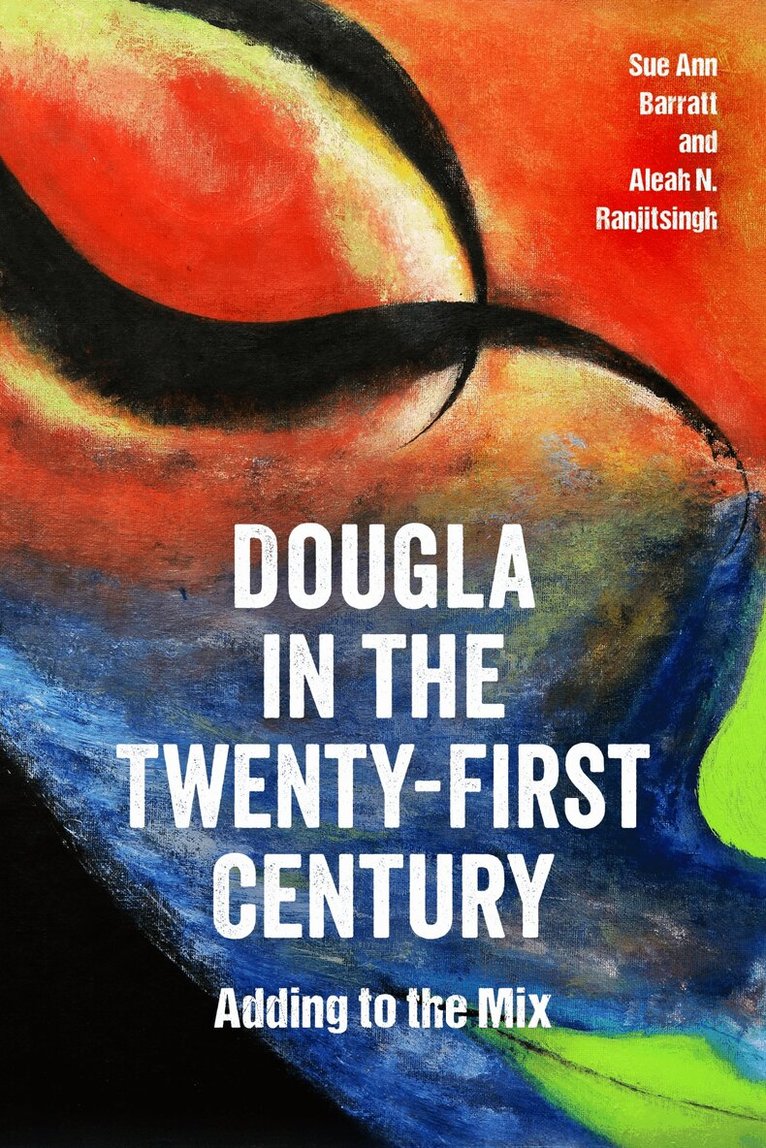
Identity is often fraught for multiracial Douglas, people of both South Asian and African descent in the Caribbean. In this groundbreaking volume, Sue Ann Barratt and Aleah N. Ranjitsingh explore the particular meanings of a Dougla identity and examine Dougla maneuverability both at home and in the diaspora. The authors scrutinize the perception of Douglaness over time, contemporary Douglas negotiations of social demands, their expansion of ethnicity as an intersectional identity, and the experiences of Douglas within the diaspora outside the Caribbean. Through an examination of how Douglas experience their claim to multiracialism and how ethnic identity may be enforced or interrupted, the authors firmly situate this analysis in ongoing debates about multiracial identity.Based on interviews with over one hundred Douglas, Barratt and Ranjitsingh explore the multiple subjectivities Douglas express, confirm, challenge, negotiate, and add to prevailing understandings. Contemplating this, Dougla in the Twenty-First Century adds to the global discourse of multiethnic identity and how it impacts living both in the Caribbean, where it is easily recognizable, and in the diaspora, where the Dougla remains a largely unacknowledged designation. This book deliberately expands the conversation beyond the limits of biraciality and the Black/white binary and contributes nuance to current interpretations of the lives of multiracial people by introducing Douglas as they carve out their lives in the Caribbean.
1 194 kr
Skickas inom 7-10 vardagar
Identity is often fraught for multiracial Douglas, people of both South Asian and African descent in the Caribbean. In this groundbreaking volume, Sue Ann Barratt and Aleah N. Ranjitsingh explore the particular meanings of a Dougla identity and examine Dougla maneuverability both at home and in the diaspora. The authors scrutinize the perception of Douglaness over time, contemporary Douglas negotiations of social demands, their expansion of ethnicity as an intersectional identity, and the experiences of Douglas within the diaspora outside the Caribbean. Through an examination of how Douglas experience their claim to multiracialism and how ethnic identity may be enforced or interrupted, the authors firmly situate this analysis in ongoing debates about multiracial identity.Based on interviews with over one hundred Douglas, Barratt and Ranjitsingh explore the multiple subjectivities Douglas express, confirm, challenge, negotiate, and add to prevailing understandings. Contemplating this, Dougla in the Twenty-First Century adds to the global discourse of multiethnic identity and how it impacts living both in the Caribbean, where it is easily recognizable, and in the diaspora, where the Dougla remains a largely unacknowledged designation. This book deliberately expands the conversation beyond the limits of biraciality and the Black/white binary and contributes nuance to current interpretations of the lives of multiracial people by introducing Douglas as they carve out their lives in the Caribbean.
347 kr
Kommande
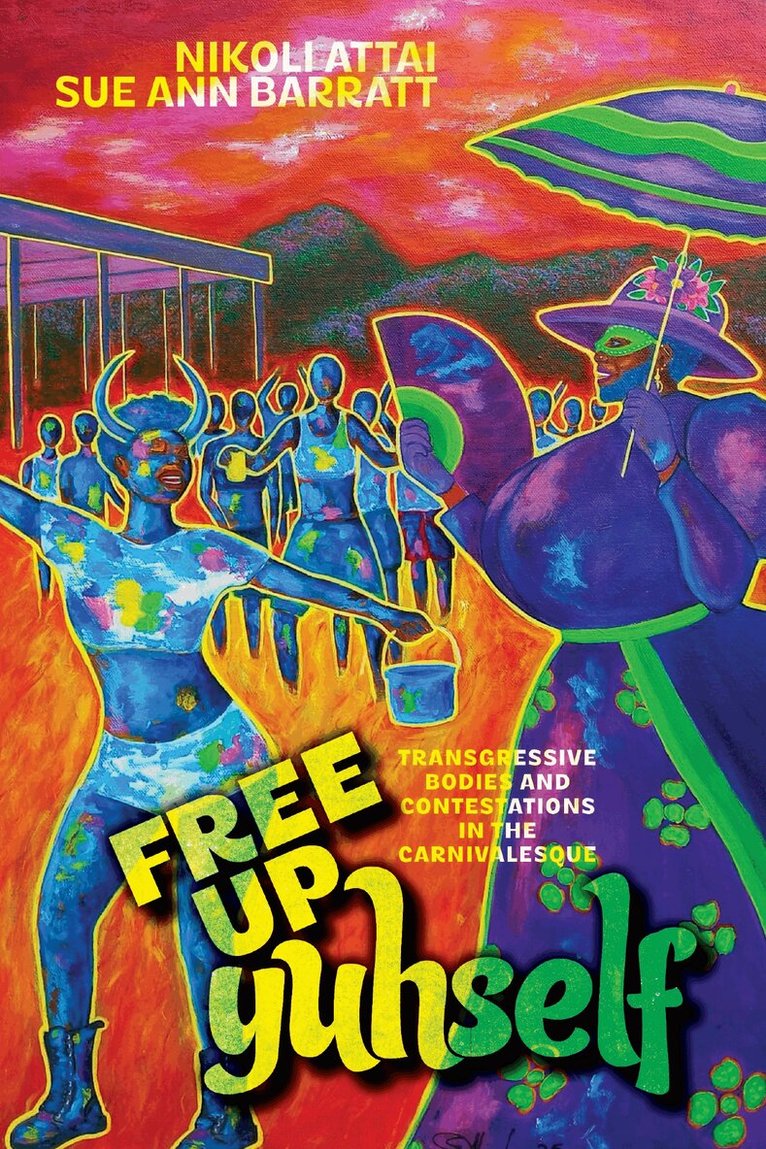
Free Up Yuhself explores and theorizes what it means to embody and be empowered by the chaos of transgression, evaluating the implications for people who destabilize the Caribbean region's dominant gender and sexuality politics within the Caribbean and the Caribbean diaspora. This book examines how people actively utilize the carnivalesque—spaces of festivity and places of excitement, the extraordinary, the ritualistic—to confront, negotiate, disrupt, and transgress normative trends, boundaries, and perspectives in the Caribbean and Caribbean diaspora communities. This book is particularly concerned with the ways that Caribbean people contest sexual and gendered expectations through their bodily performances across regional and diasporic festival spaces. Through illustrative, analytical, evaluative, and reflective chapters, the collection contemplates the themes of freedom, belonging, acceptance, and recognition as these affect the experience of people's sense of being. The authors reflect on "freeing up" as a contentious politics, understanding that people have the capacity to enact their freedom through transgressive movements and performances that persistently grapple with notions of respectability, agency, empowerment, disruption, and the meanings and consequences of their varied social and political locations.
1 308 kr
Kommande
Free Up Yuhself explores and theorizes what it means to embody and be empowered by the chaos of transgression, evaluating the implications for people who destabilize the Caribbean region's dominant gender and sexuality politics within the Caribbean and the Caribbean diaspora. This book examines how people actively utilize the carnivalesque—spaces of festivity and places of excitement, the extraordinary, the ritualistic—to confront, negotiate, disrupt, and transgress normative trends, boundaries, and perspectives in the Caribbean and Caribbean diaspora communities. This book is particularly concerned with the ways that Caribbean people contest sexual and gendered expectations through their bodily performances across regional and diasporic festival spaces.Through illustrative, analytical, evaluative, and reflective chapters, the collection contemplates the themes of freedom, belonging, acceptance, and recognition as these affect the experience of people's sense of being. The authors reflect on "freeing up" as a contentious politics, understanding that people have the capacity to enact their freedom through transgressive movements and performances that persistently grapple with notions of respectability, agency, empowerment, disruption, and the meanings and consequences of their varied social and political locations.