Sue Leigh – författare
Visar alla böcker från författaren Sue Leigh. Handla med fri frakt och snabb leverans.
6 produkter
6 produkter
967 kr
Skickas inom 5-8 vardagar
Underworlds is a lively account of organized crime and the world of marginal groups in the seventeenth- and eighteenth-century Netherlands. Rural banditry has often been associated with mountainous, poverty-stricken areas located at the peripheries of the European continent or on the borders between states. This book is about bands operating in the countryside of one of the most densely populated, economically developed, and pacified European states. It examines the nature of these criminal bands and the way they changed over time. At the same time Underworlds presents an historical anthropology of marginal groups in the Dutch Republic. Investigating the enormous cultural diversity of organized crime and the prominent role of ethnic minorities, Egmond establishes the existence of a variety of `underworlds' rather than of a single `criminal organization'. Drawing extensively on criminal archives, the author reconstructs the ways of life and activities of people whose existence has remained largely hidden behind the conventional accounts of Dutch society.
722 kr
Skickas inom 5-8 vardagar
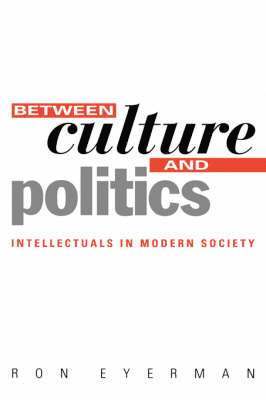
In this book Ron Eyerman examines the role of intellectuals in the new modern order, considering the impact of recent social changes on the nature of contemporary intellectual culture.
302 kr
Skickas inom 5-8 vardagar
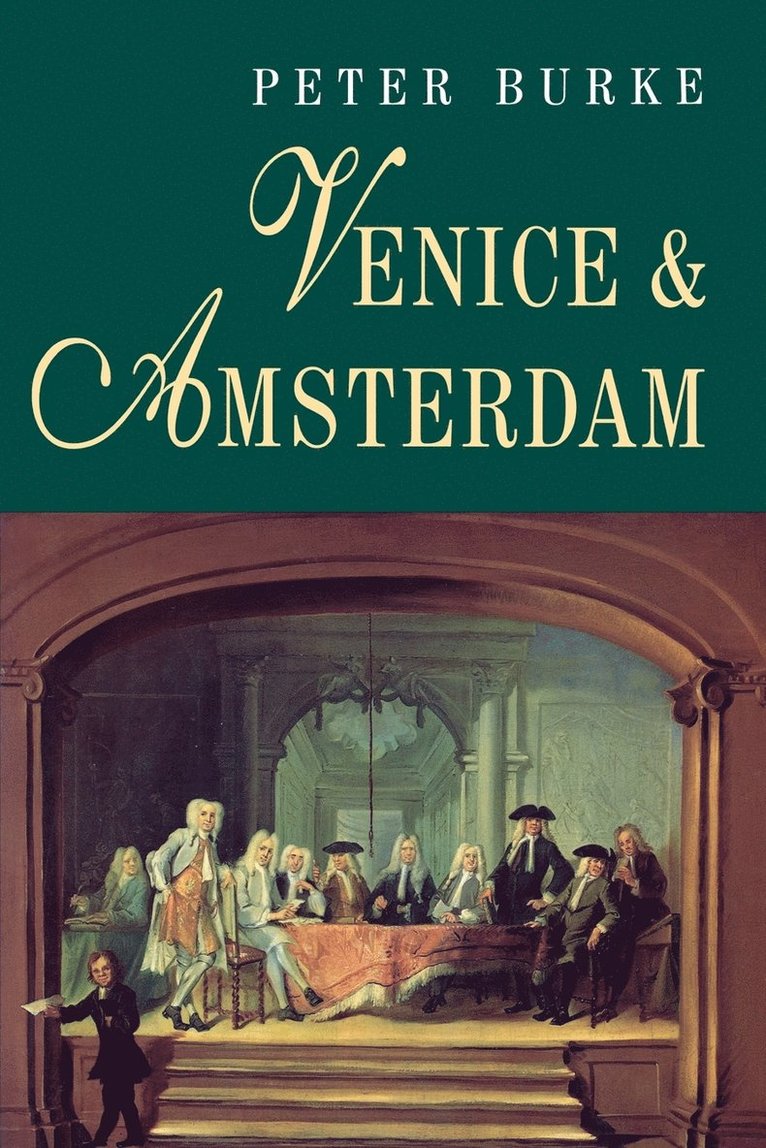
Published in a thoroughly revised second edition, Venice and Amsterdam is a comparative history of the elites of these two major cities in early modern Europe.
396 kr
Skickas inom 5-8 vardagar
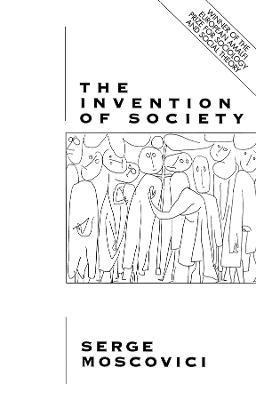
This brilliant and original book sets out to dismantle the idea that movements, crises and other phenomena produced in society must be explained by exclusively social causes, without recourse to psychological explanations. The author argues that we should reassess the significance of psychological causes in human affairs. Whilst psychological causes are undoubtedly distinct from social causes, all social phenomena are events or facts brought about by human beings: it is their passions which stimulate their great political, religious and cultural creations. He discusses the work of Durkehim, Mauss, Weber and Simmel, and argues that only a productive interplay between psychology and sociology will do justice to the interdisciplinary character of their thought. Winner of the European Amalfi Prize for Sociology, The Invention of Sociology will be welcomed by students and researchers in sociology, social psychology, and the social sciences generally.
132 kr
Skickas
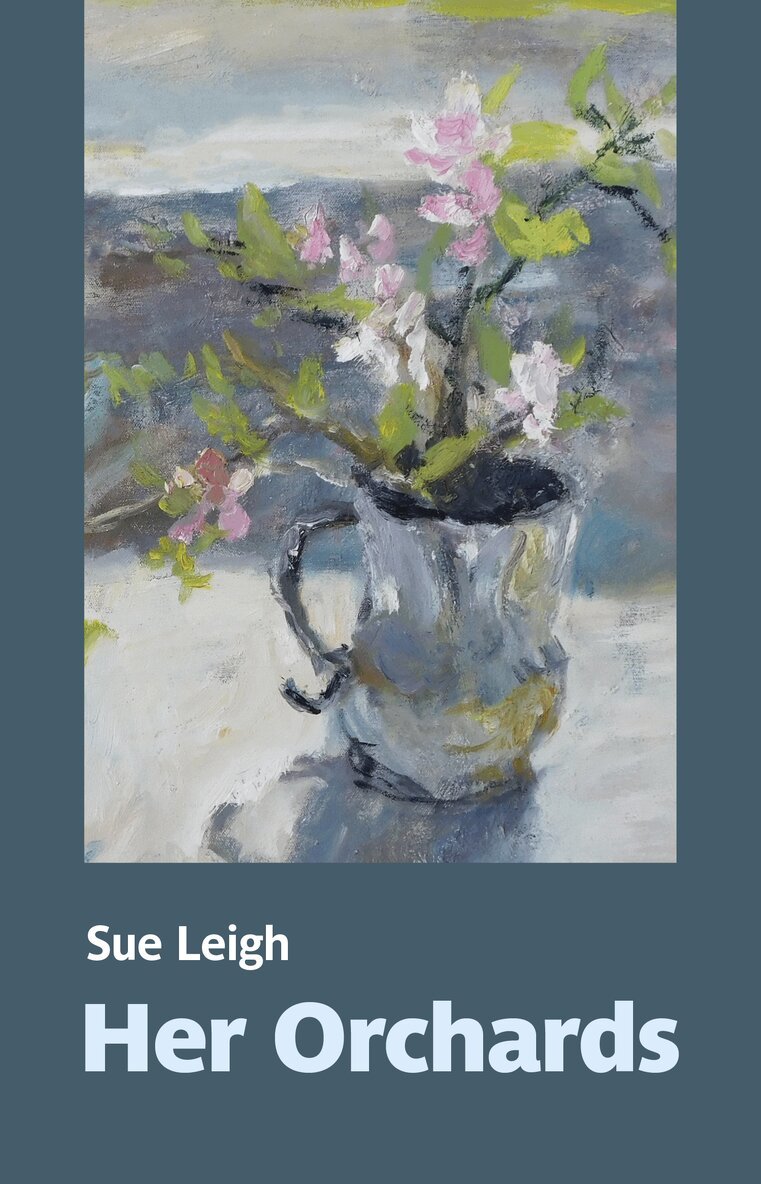
What is it to inhabit the earth, to imagine what’s beyond it, to grasp the livingness of things, the brightness of the moment? Sue Leigh’s poems are made of particularities. A woman weaves a basket, a painter catches the brief flight of a bird, a sculptor works with limestone once under the sea. In our looking, in our making, we may find and lose ourselves.There are objects from the past: a Romano-British stone votive relief, a medieval roodscreen, a sampler stitched by a child in the nineteenth century. And what are they to us here, now? The poet suggests that ‘time is neither here nor there.’In poems about travel over land and sea and to the moon, she depicts our restless, necessary, spirited journeys into being and ways of being. She comes home always to the shelter and the nourishment of orchards of her own.‘Sue Leigh’s poems have the art of simplicity. She catches that strange thing – the clarity of the unsaid. Her writing has the depth of unearthing, ripening, slipping into the last of the light.’ — Pauline StainerFrom a review of Chosen Hill:‘Many of these poems read as meditations on how to exist in the world, and how we might accept the chance happenings of life’—The Times Literary Supplement
238 kr
Skickas
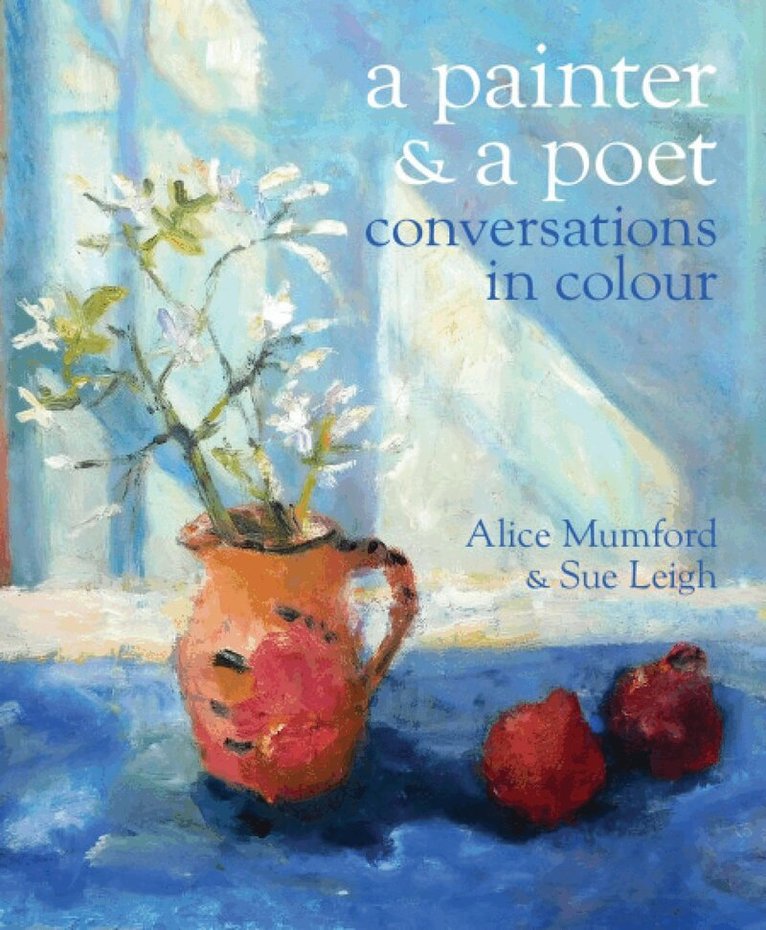
This beautiful book, of paintings by Alice Mumford and poems by Sue Leigh, brings together exciting new work from the two makers. Collaboration is perhaps not the right word for a project in which paintings and poems sit side by side, each illuminating the other. Onlooker and reader are offered another glimpse, another view which may change the experience of looking and reading.The book includes conversations between painter and poet in which they discuss their experience of working in their different media and consider the limitations and possibilities of each. They talk about their sources of inspiration, how they might choose a subject (or does it choose them?), and the process that surrounds the making of their work. What do they share in their creative lives and how do they differ? The work of these two contemporary artists celebrates the intimacy and beauty that can be found in our everyday lives.