Sue Moyers – författare
Visar alla böcker från författaren Sue Moyers. Handla med fri frakt och snabb leverans.
4 produkter
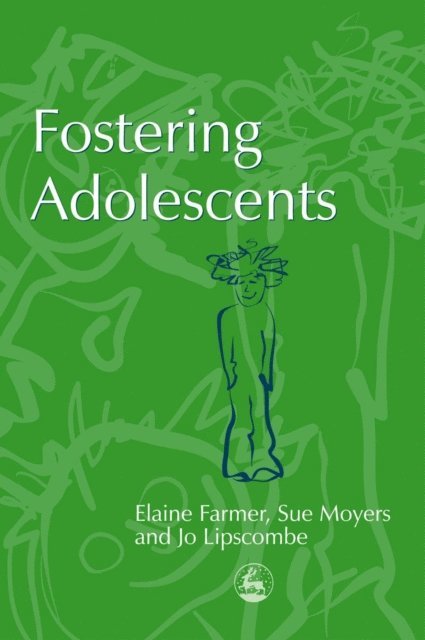
Fostering Adolescents
Av Elaine Farmer, Sue Moyers m. fl.
E-bok, 2004
405 kr
Lägg i varukorg
Adolescents are the hardest group to foster and have high rates of placement breakdown. Elaine Farmer and her colleagues examine what helps to make their placements work. Key issues for this age group are explored, including peer relationships, sexual health and relationships, the impact of the …
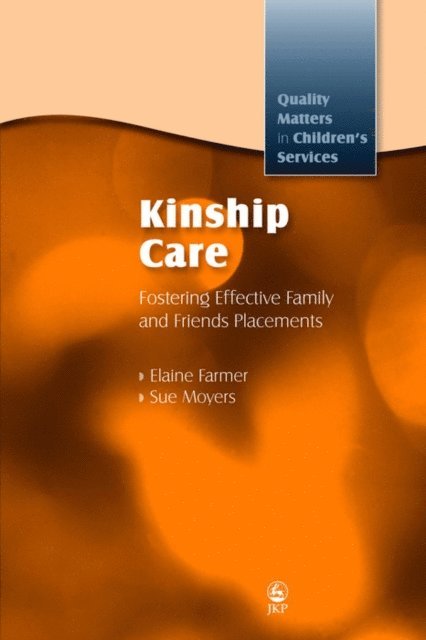
Kinship Care
Fostering Effective Family and Friends Placements
E-bok, 2008
447 kr
Lägg i varukorg
Children are frequently cared for by relatives and friends when parents, for whatever reason, are unable to care for their children themselves. Yet there has been very little information about how well children do when placed with kin or how safe they are in these placements.This book compares …
Fostering Adolescents
Av Elaine Farmer, Sue Moyers m. fl.
Häftad, 2004
279 kr
Tillfälligt slut
Adolescents are the hardest group to foster and have high rates of placement breakdown. Elaine Farmer and her colleagues examine what helps to make their placements work. Key issues for this age group are explored, including peer relationships, sexual health and relationships, the impact of the …
Kinship Care
Fostering Effective Family and Friends Placements
Häftad, 2008
279 kr
Tillfälligt slut
Children are frequently cared for by relatives and friends when parents, for whatever reason, are unable to care for their children themselves. Yet there has been very little information about how well children do when placed with kin or how safe they are in these placements.This book compares …