Sue Peabody – författare
Visar alla böcker från författaren Sue Peabody. Handla med fri frakt och snabb leverans.
15 produkter
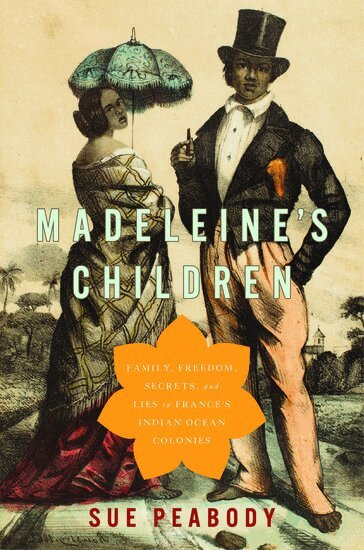
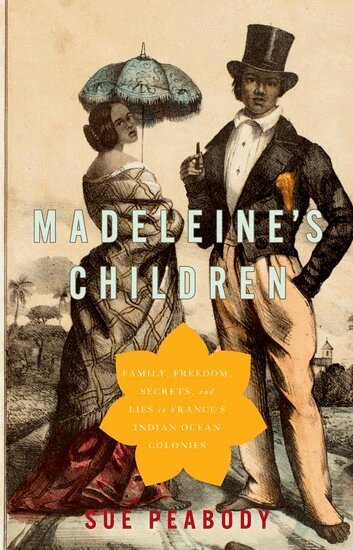
Madeleine's Children
Family, Freedom, Secrets, and Lies in France's Indian Ocean Colonies
Av Sue Peabody
Inbunden, 2017
828 kr
Lägg i varukorg
In 1759 a baby girl was born to an impoverished family on the Indian subcontinent. Her parents pawned her into bondage as a way to survive famine. A Portuguese slaver sold the girl to a pious French spinster in Bengal, where she was baptized as Madeleine. Eventually she was taken to France by way …
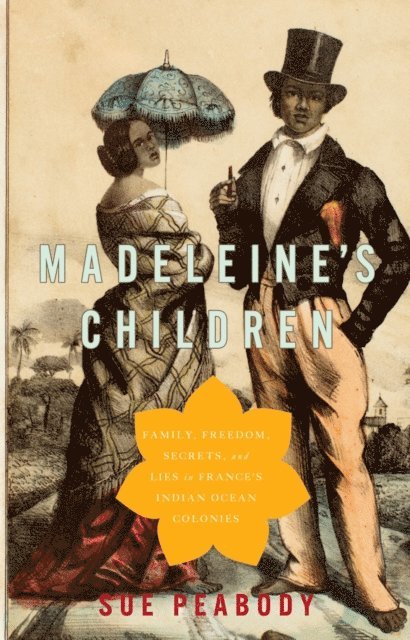
Madeleine's Children
Family, Freedom, Secrets, and Lies in France's Indian Ocean Colonies
Av Sue Peabody
E-bok, 2017
312 kr
Lägg i varukorg
Madeleine''s Children uncovers a multigenerational saga of an enslaved family in India and two islands, Réunion and Mauritius, in the eastern empires of France and Britain during the eighteenth and nineteenth centuries. A tale of legal intrigue, it reveals the lives and secret relationships between …
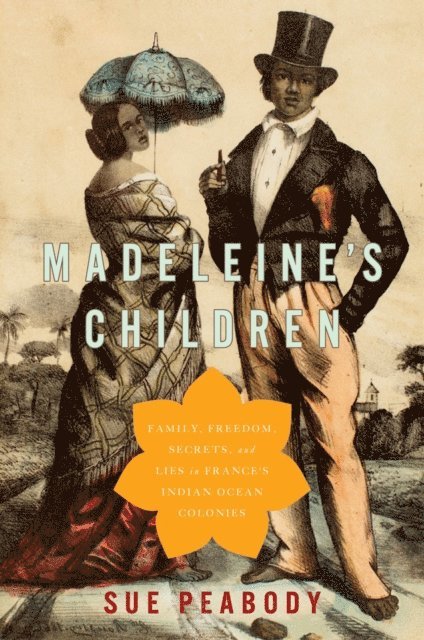
Madeleine's Children
Family, Freedom, Secrets, and Lies in France's Indian Ocean Colonies
Av Sue Peabody
E-bok, 2017
312 kr
Lägg i varukorg
Madeleine''s Children uncovers a multigenerational saga of an enslaved family in India and two islands, Réunion and Mauritius, in the eastern empires of France and Britain during the eighteenth and nineteenth centuries. A tale of legal intrigue, it reveals the lives and secret relationships between …
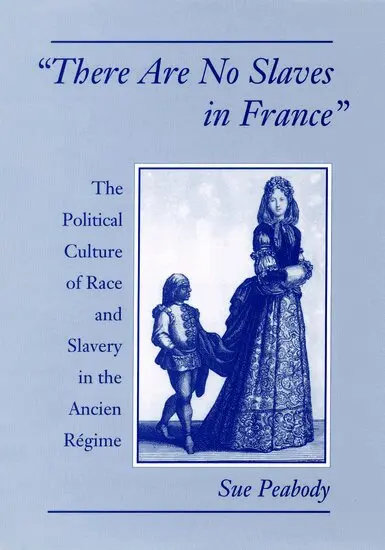
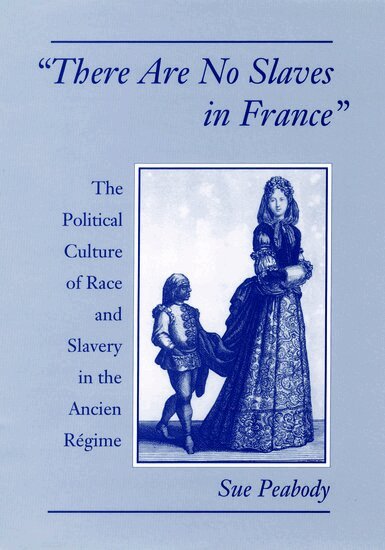
'There Are No Slaves in France'
The Political Culture of Race and Slavery in the Ancien Régime
Av Sue Peabody
Inbunden, 1997
1318 kr
Lägg i varukorg
There Are No Slaves in France examines the paradoxical emergence of political antislavery and institutional racism in the century prior to the French Revolution. Sue Peabody shows how the political culture of late Bourbon France created ample opportunities for contestation over the meaning of …
'There Are No Slaves in France'
The Political Culture of Race and Slavery in the Ancien Régime
Av Sue Peabody
Häftad, 2003
1626 kr
Lägg i varukorg
There Are No Slaves in France examines the paradoxical emergence of political antislavery and institutional racism in the century prior to the French Revolution. Sue Peabody shows how the political culture of late Bourbon France created ample opportunities for contestation over the meaning of …
"e;There Are No Slaves in France"e;
The Political Culture of Race and Slavery in the Ancien R''egime
Av Sue Peabody
E-bok, 1996
906 kr
Lägg i varukorg
There Are No Slaves in France examines the paradoxical emergence of political antislavery and institutional racism in the century prior to the French Revolution. Sue Peabody shows how the political culture of late Bourbon France created ample opportunities for contestation over the meaning of …
Madeleine's Children
Family, Freedom, Secrets, and Lies in France's Indian Ocean Colonies
Av Sue Peabody
Häftad, 2022
389 kr
Lägg i varukorg
Madeleine's Children uncovers a multigenerational saga of an enslaved family in India and two islands, Réunion and Mauritius, in the eastern empires of France and Britain during the eighteenth and nineteenth centuries. A tale of legal intrigue, it reveals the lives and secret relationships between …
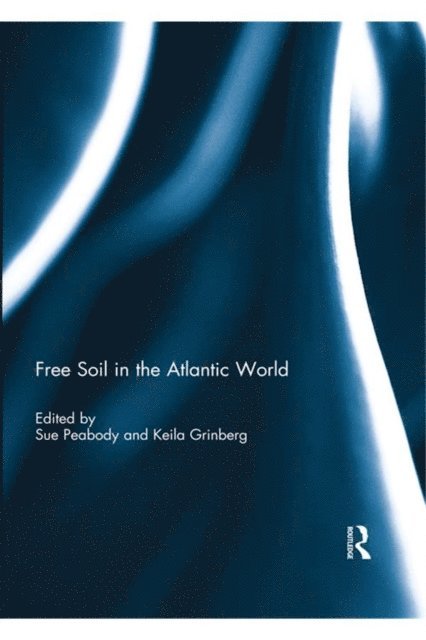
Free Soil in the Atlantic World
Av Sue Peabody, Keila Grinberg
Häftad, 2020
710 kr
Lägg i varukorg
Free Soil in the Atlantic World examines the principle that slaves who crossed particular territorial frontiers- from European medieval cities to the Atlantic nation states of the nineteenth century- achieved their freedom. Based upon legislation and judicial cases, each essay considers the legal …
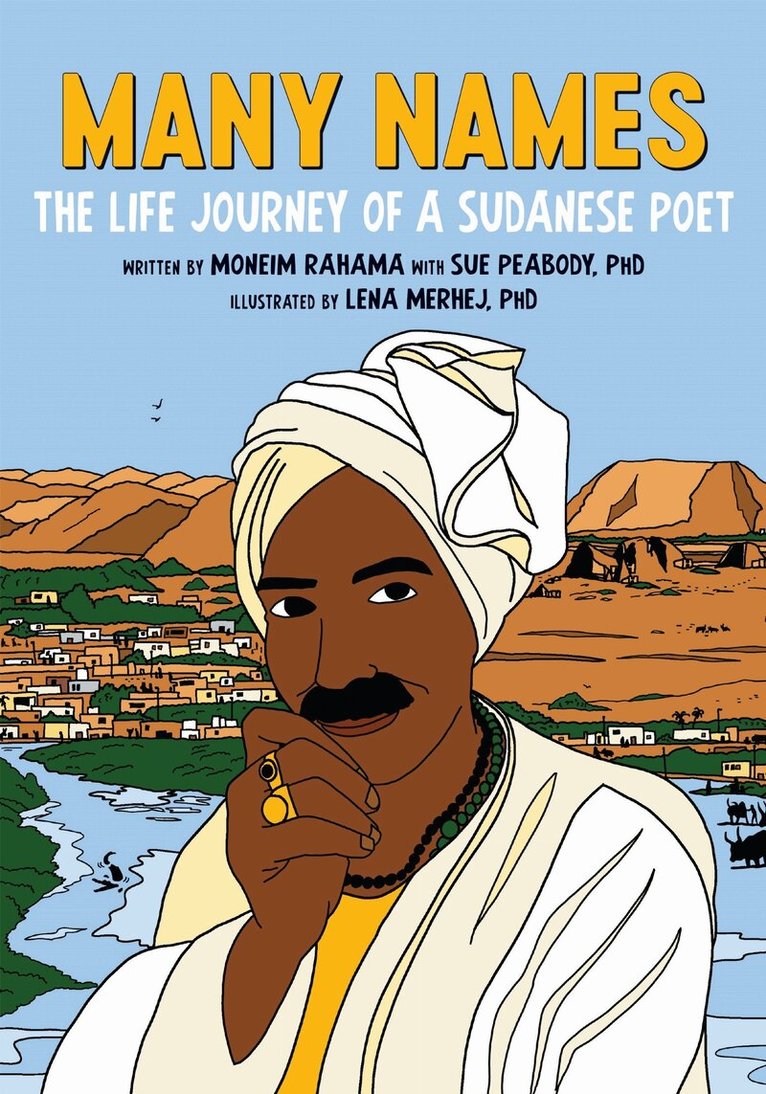
Many Names
The Life Journey of a Sudanese Poet
Häftad, 2027
375 kr
Kommande
A colorful graphic memoir, Many Names tells the gripping story of Moneim Rahama, born into a poor family in Sudan in 1960, who grew up to challenge many kinds of oppression under the country's encroaching Islamist military dictatorship. Initially told as a series of flashbacks from prison, the …
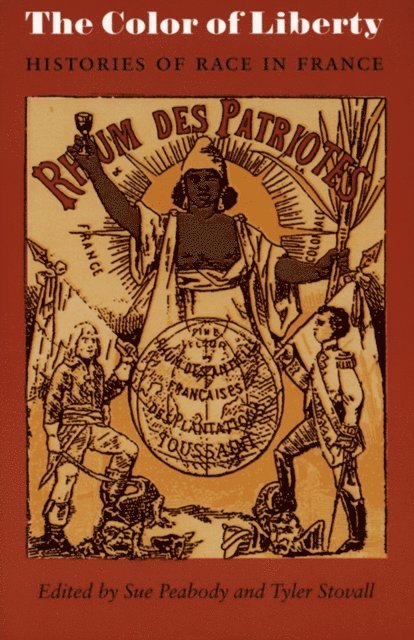
Color of Liberty
Histories of Race in France
Häftad, 2003
632 kr
Lägg i varukorg
France has long defined itself as a color-blind nation where racial bias has no place. Even today, the French universal curriculum for secondary students makes no mention of race or slavery, and many French scholars still resist addressing racial questions. Yet, as this groundbreaking volume shows, …
Color of Liberty
Histories of Race in France
E-bok, 2003
637 kr
Lägg i varukorg
France has long defined itself as a color-blind nation where racial bias has no place. Even today, the French universal curriculum for secondary students makes no mention of race or slavery, and many French scholars still resist addressing racial questions. Yet, as this groundbreaking volume shows, …
Free Soil in the Atlantic World
Av Sue Peabody, Keila Grinberg
Inbunden, 2014
2578 kr
Lägg i varukorg
Free Soil in the Atlantic World examines the principle that slaves who crossed particular territorial frontiers- from European medieval cities to the Atlantic nation states of the nineteenth century- achieved their freedom. Based upon legislation and judicial cases, each essay considers the legal …
Free Soil in the Atlantic World
Av Keila Grinberg, Sue Peabody
E-bok, 2016
814 kr
Lägg i varukorg
Free Soil in the Atlantic World examines the principle that slaves who crossed particular territorial frontiers- from European medieval cities to the Atlantic nation states of the nineteenth century- achieved their freedom. Based upon legislation and judicial cases, each essay considers the legal …
Free Soil in the Atlantic World
Av Keila Grinberg, Sue Peabody
E-bok, 2016
838 kr
Lägg i varukorg
Free Soil in the Atlantic World examines the principle that slaves who crossed particular territorial frontiers- from European medieval cities to the Atlantic nation states of the nineteenth century- achieved their freedom. Based upon legislation and judicial cases, each essay considers the legal …
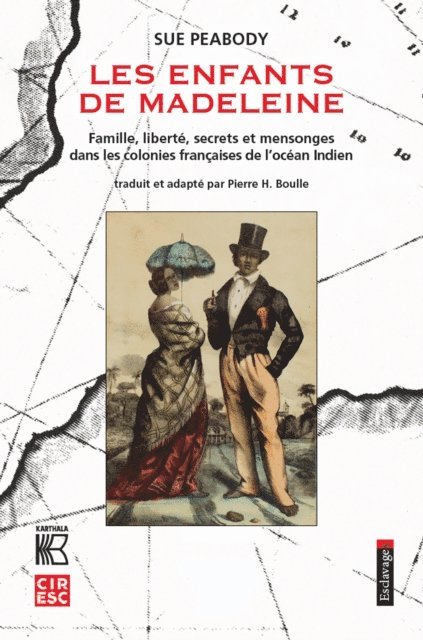
Les enfants de Madeleine. Famille, liberté, secrets et mensonges dans les colonies françaises de l'océan indien
Famille, liberté, secrets et mensonges dans les colonies françaises de l''océan indien
Av Sue Peabody
E-bok, 2019
361 kr
Lägg i varukorg
C’est une saga politique qui est dessinée dans ce livre, au travers du destin d’une famille tenue en esclavage dans l’océan Indien. Il s’agit de Madeleine, jeune Bengalie esclave, vendue en Inde à une femme célibataire, puis à une famille qu’elle accompagne depuis la France jusqu’à La Réunion. Pour …