Susan Alexandra Crate - Böcker
Visar alla böcker från författaren Susan Alexandra Crate. Handla med fri frakt och snabb leverans.
3 produkter
3 produkter
581 kr
Skickas inom 10-15 vardagar
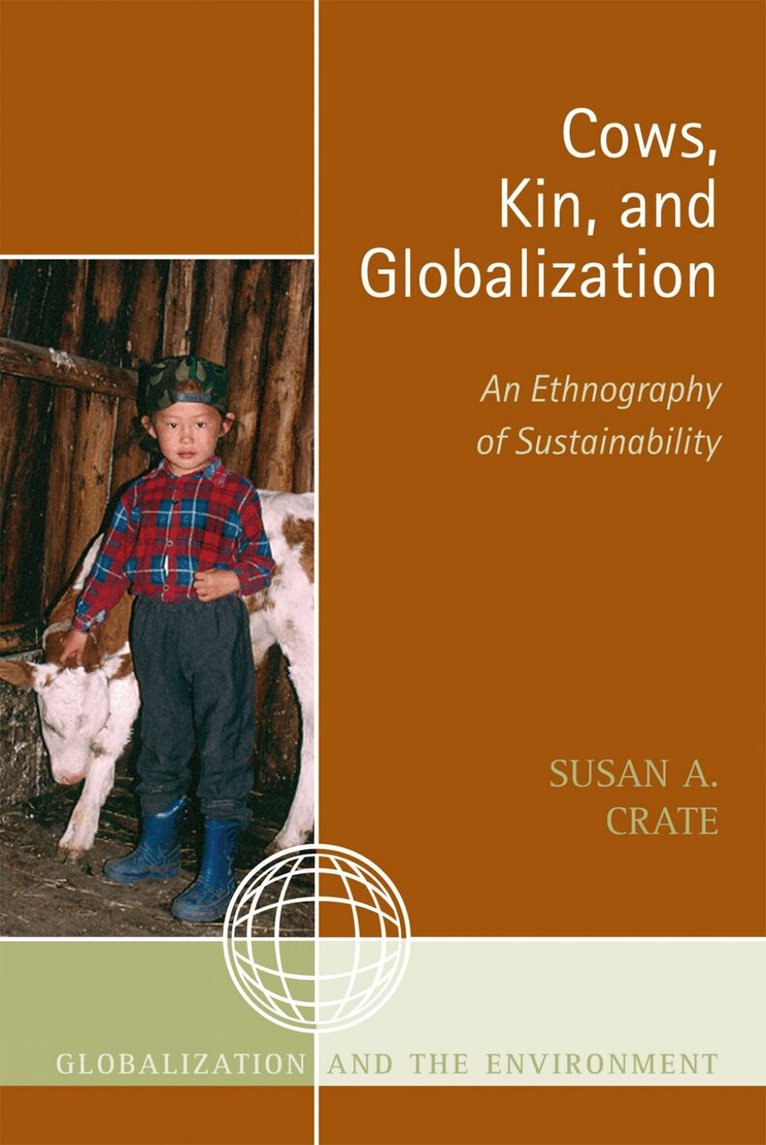
Crate presents the first cultural ecological study of a Siberian people: the Viliui Sakha, contemporary horse and cattle agropastoralists in northeastern Siberia. The author links the local and global economic forces, and provides an intimate view of how a seemingly remote and isolated community is directly affected by the forces of modernization and globalization. She details the severe environmental and historical factors that continue to challenge their survival, and shows how the multi-million dollar diamond industry, in part run by ethnic Sakha, raises issues of ethnic solidarity and indigenous rights as well as environmental impact. Her new book addresses key topics of interest to both economic and environmental anthropology, and to practitioners interested in sustainable rural development, globalization, indigenous rights in Eurasia, and post-Soviet and environmental issues.
322 kr
Skickas inom 7-10 vardagar
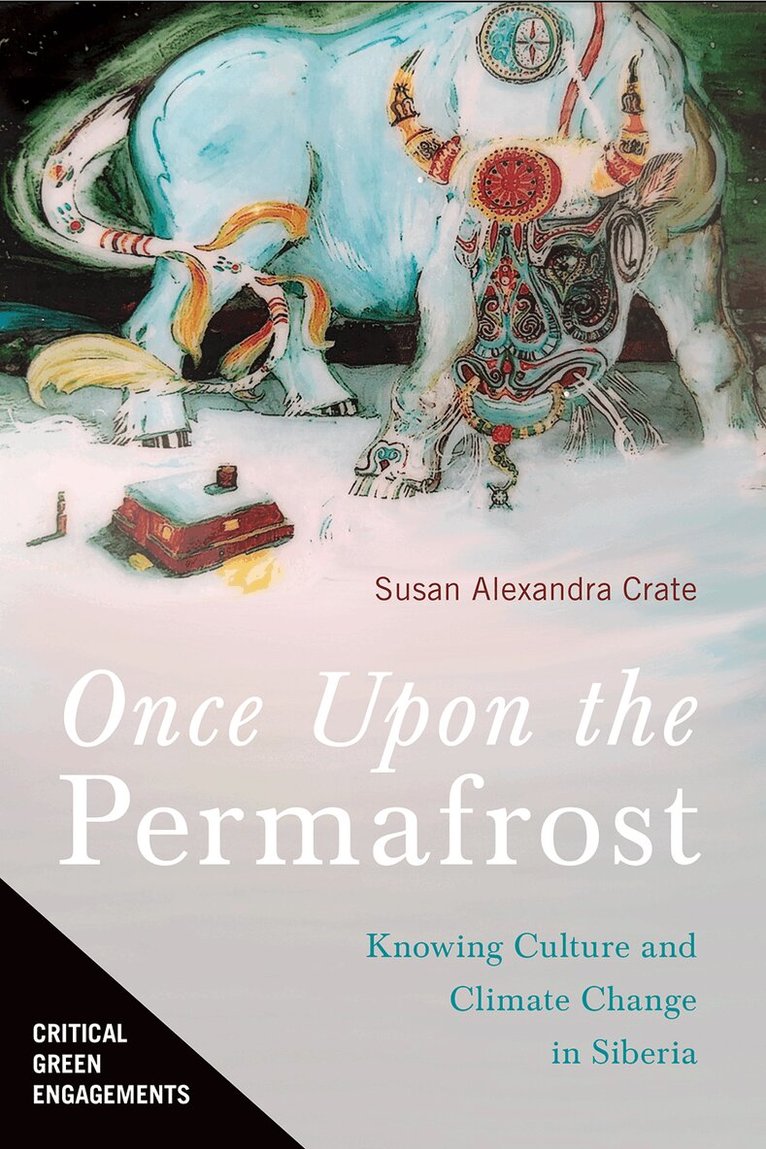
Once Upon the Permafrost is a longitudinal climate ethnography about “knowing” a specific culture and the ecosystem that culture physically and spiritually depends on in the twenty-first-century context of climate change.The author, anthropologist Susan Alexandra Crate, has spent three decades working with Sakha, the Turkic-speaking horse and cattle agropastoralists of northeastern Siberia, Russia. Crate reveals Sakha’s essential relationship with alaas, the foundational permafrost ecosystem of both their subsistence and cultural identity. Sakha know alaas via an Indigenous knowledge system imbued with spiritual qualities. This counters the scientific definition of alaas as geophysical phenomena of limited range. Climate change now threatens alaas due to thawing permafrost, which, entangled with the rural changes of economic globalization, youth out-migration, and language loss, make prescient the issues of ethnic sovereignty and cultural survival.Through careful integration of contemporary narratives, on-site observations, and document analysis, Crate argues that local understandings of change and the vernacular knowledge systems they are founded on provide critical information for interdisciplinary collaboration and effective policy prescriptions. Furthermore, she makes her message relevant to a wider audience by clarifying linkages to the global permafrost system found in her comparative research in Mongolia, Arctic Canada, Kiribati, Peru, and Chesapeake Bay, Virginia. This reveals how permafrost provides one of the main structural foundations for Arctic ecosystems, which, in turn, work with the planet’s other ecosystems to maintain planetary balance.Metaphorically speaking, we all live on permafrost.
1 085 kr
Skickas inom 7-10 vardagar
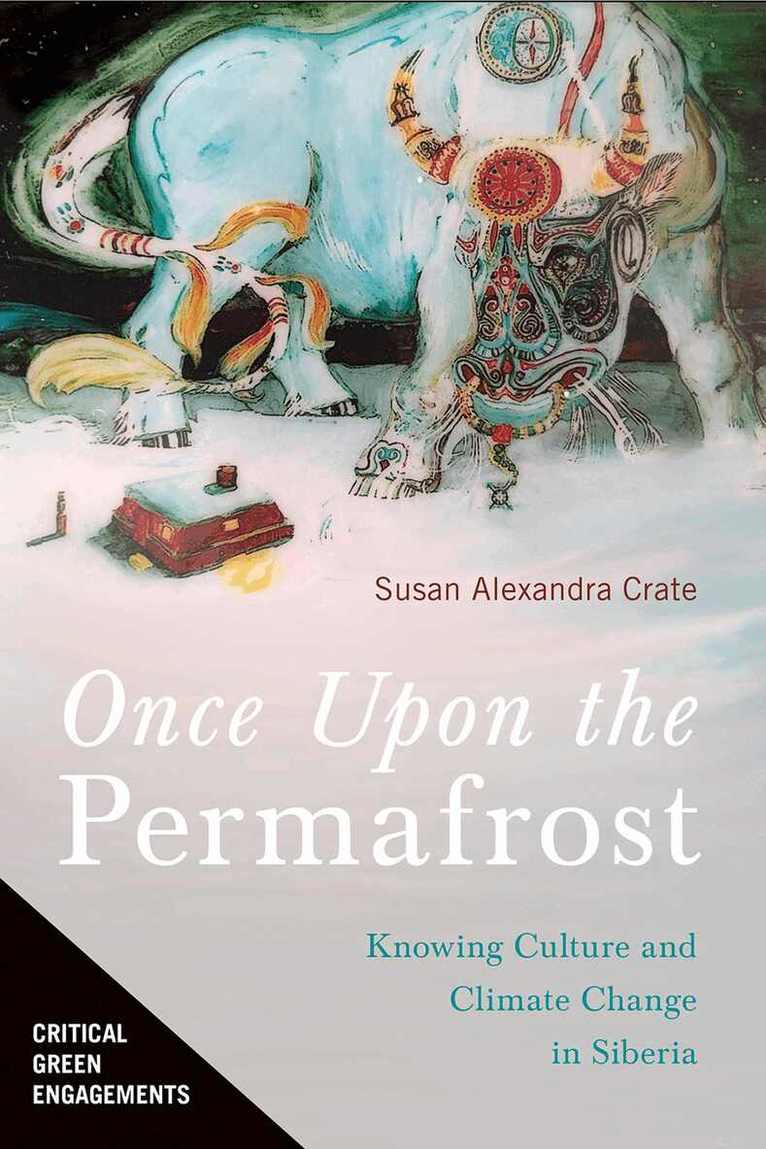
Once Upon the Permafrost is a longitudinal climate ethnography about “knowing” a specific culture and the ecosystem that culture physically and spiritually depends on in the twenty-first-century context of climate change.The author, anthropologist Susan Alexandra Crate, has spent three decades working with Sakha, the Turkic-speaking horse and cattle agropastoralists of northeastern Siberia, Russia. Crate reveals Sakha’s essential relationship with alaas, the foundational permafrost ecosystem of both their subsistence and cultural identity. Sakha know alaas via an Indigenous knowledge system imbued with spiritual qualities. This counters the scientific definition of alaas as geophysical phenomena of limited range. Climate change now threatens alaas due to thawing permafrost, which, entangled with the rural changes of economic globalization, youth out-migration, and language loss, make prescient the issues of ethnic sovereignty and cultural survival.Through careful integration of contemporary narratives, on-site observations, and document analysis, Crate argues that local understandings of change and the vernacular knowledge systems they are founded on provide critical information for interdisciplinary collaboration and effective policy prescriptions. Furthermore, she makes her message relevant to a wider audience by clarifying linkages to the global permafrost system found in her comparative research in Mongolia, Arctic Canada, Kiribati, Peru, and Chesapeake Bay, Virginia. This reveals how permafrost provides one of the main structural foundations for Arctic ecosystems, which, in turn, work with the planet’s other ecosystems to maintain planetary balance.Metaphorically speaking, we all live on permafrost.