Susan Devan Harness – författare
Visar alla böcker från författaren Susan Devan Harness. Handla med fri frakt och snabb leverans.
3 produkter
3 produkter
E-bok
Engelska, 2023161 kr
Läs direkt efter köp
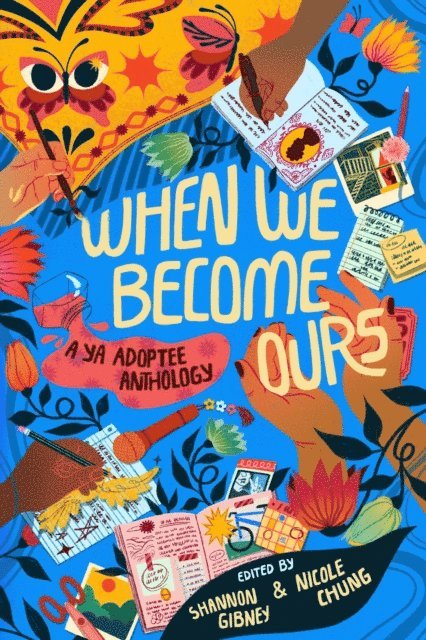
Two teens take the stage and find their voice. . .A girl learns about her heritage and begins to find her community. . .A sister is haunted by the ghosts of loved ones lost. . .There is no universal adoption experience, and no two adoptees have the same story. This anthology for teens edited by Shannon Gibney and Nicole Chung contains a wide range of powerful, poignant, and evocative stories in a variety of genres.These tales from fourteen bestselling, acclaimed, and emerging adoptee authors genuinely and authentically reflect the complexity, breadth, and depth of adoptee experiences.This groundbreaking collection centers what its like growing up as an adoptee. These are stories by adoptees, for adoptees, reclaiming their own narratives.With stories by:Kelley BakerNicole ChungShannon GibneyMark OshiroMeMe CollierSusan HarnessMeredith IrelandMariama J. LockingtonLisa NopachaiStefany Valentine RamirezMatthew SalessesLisa Wool-Rim SjblomEric SmithJenny Heijun WillsSun Yung ShinForeword by Rebecca CarrollAfterword by JaeRan Kim, MSW, PhD
Inbunden, Engelska, 2018
391 kr
Skickas inom 3-6 vardagar
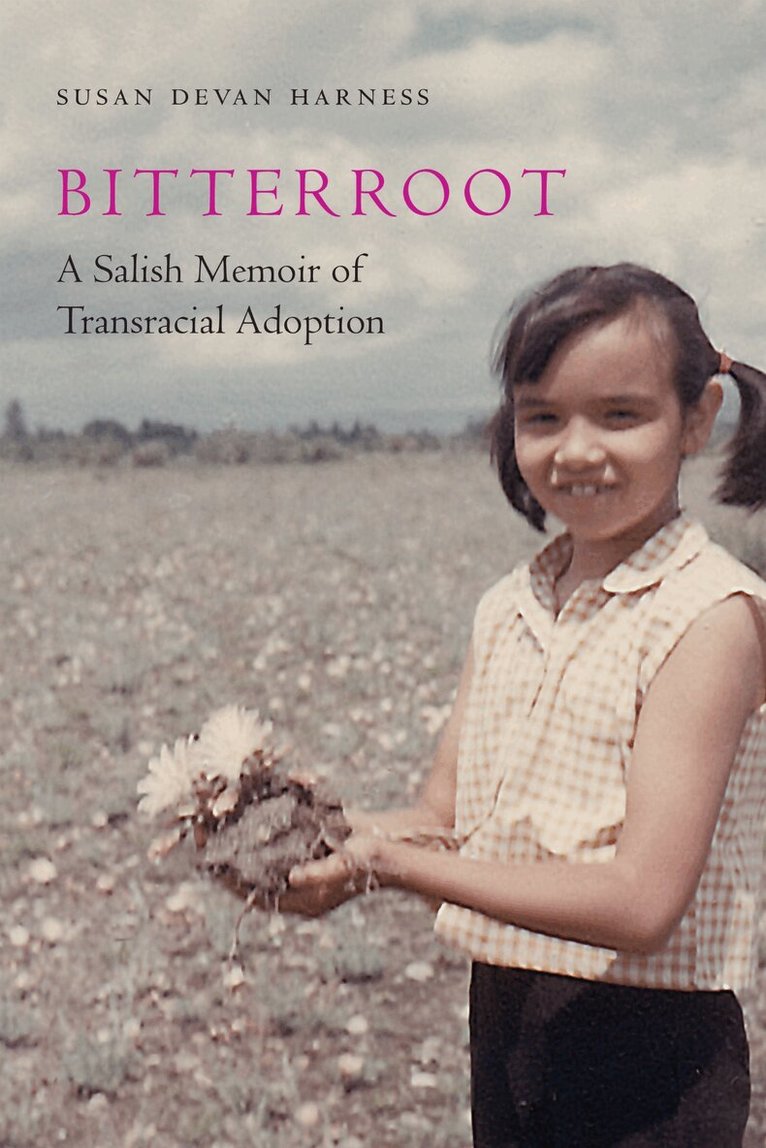
2019 High Plains Book Award (Creative Nonfiction and Indigenous Writer categories) 2021 Barbara Sudler Award from History Colorado In Bitterroot Susan Devan Harness traces her journey to understand the complexities and struggles of being an American Indian child adopted by a white couple and living in the rural American West. When Harness was fifteen years old, she questioned her adoptive father about her “real” parents. He replied that they had died in a car accident not long after she was born-except they hadn’t, as Harness would learn in a conversation with a social worker a few years later.Harness’s search for answers revolved around her need to ascertain why she was the target of racist remarks and why she seemed always to be on the outside looking in. New questions followed her through college and into her twenties when she started her own family. Meeting her biological family in her early thirties generated even more questions. In her forties Harness decided to get serious about finding answers when, conducting oral histories, she talked with other transracial adoptees. In her fifties she realized that the concept of “home” she had attributed to the reservation existed only in her imagination.Making sense of her family, the American Indian history of assimilation, and the very real-but culturally constructed-concept of race helped Harness answer the often puzzling questions of stereotypes, a sense of nonbelonging, the meaning of family, and the importance of forgiveness and self-acceptance. In the process Bitterroot also provides a deep and rich context in which to experience life.
Häftad, Engelska, 2020
282 kr
Skickas inom 10-15 vardagar
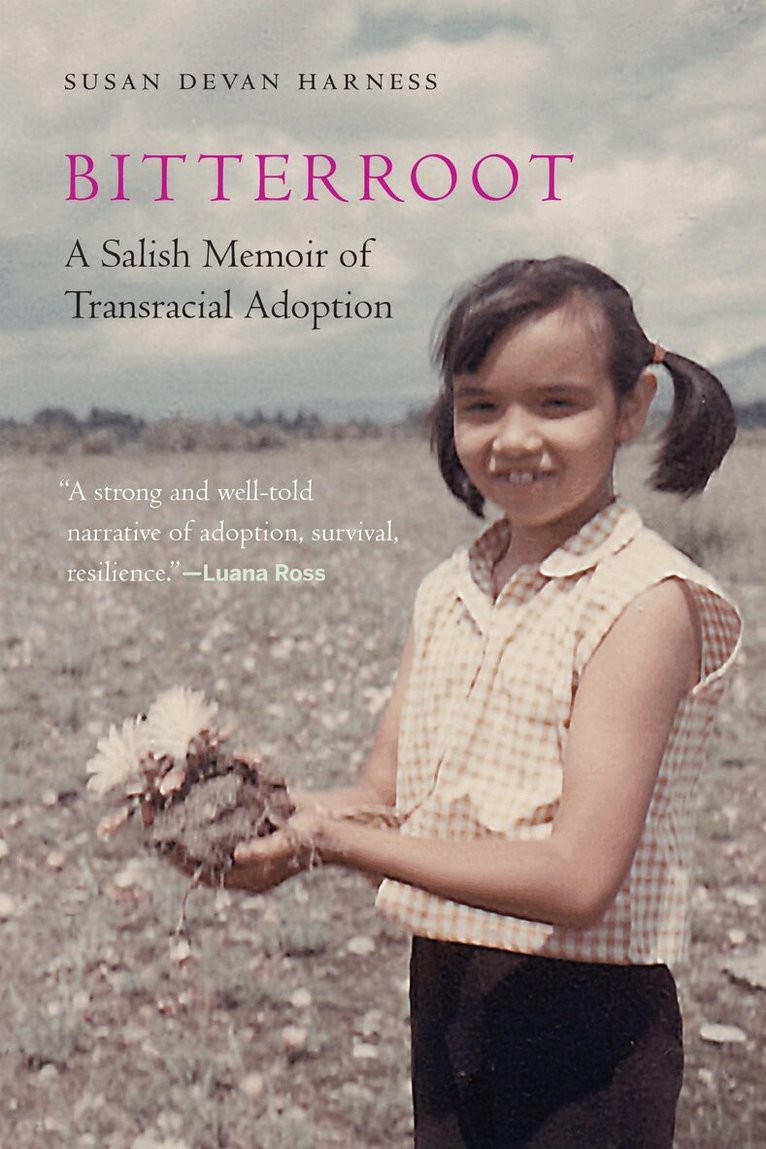
2019 High Plains Book Award (Creative Nonfiction and Indigenous Writer categories) 2021 Barbara Sudler Award from History Colorado In Bitterroot Susan Devan Harness traces her journey to understand the complexities and struggles of being an American Indian child adopted by a white couple and living in the rural American West. When Harness was fifteen years old, she questioned her adoptive father about her “real” parents. He replied that they had died in a car accident not long after she was born-except they hadn’t, as Harness would learn in a conversation with a social worker a few years later.Harness’s search for answers revolved around her need to ascertain why she was the target of racist remarks and why she seemed always to be on the outside looking in. New questions followed her through college and into her twenties when she started her own family. Meeting her biological family in her early thirties generated even more questions. In her forties Harness decided to get serious about finding answers when, conducting oral histories, she talked with other transracial adoptees. In her fifties she realized that the concept of “home” she had attributed to the reservation existed only in her imagination.Making sense of her family, the American Indian history of assimilation, and the very real-but culturally constructed-concept of race helped Harness answer the often puzzling questions of stereotypes, a sense of nonbelonging, the meaning of family, and the importance of forgiveness and self-acceptance. In the process Bitterroot also provides a deep and rich context in which to experience life.