Susan E. Babbitt - Böcker
Visar alla böcker från författaren Susan E. Babbitt. Handla med fri frakt och snabb leverans.
7 produkter
7 produkter
1 572 kr
Skickas inom 10-15 vardagar
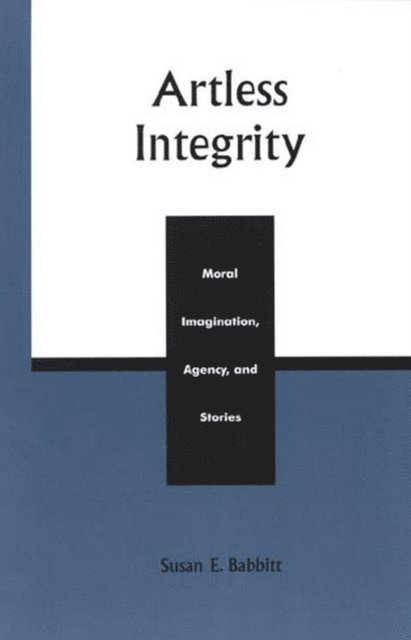
This book considers the nature and exercise of moral imagination in situations in which our ability to act and choose meaningfully is limited by unarticulated expectations. Moral imagination is a cognitive attitude, in which we regard propositions as true. But it also involves orientation. In moral imagination, we regard propositions as true in order to make something else true, and we act and interpret as if it were true. The demand for explanatory unity in such situations - what I call 'explanatory burden' - involves self-constitution, with seeing oneself as a certain sort of person and developing relevant expectations. Whereas it is common to define human well-being in terms of choice and capacities, I suggest that meaningful choice and human capacities are sometimes defined in terms of the actual pursuit and achievement of human well-being. I draw upon examples from literature, film, and historical narrative to suggest that while we think autonomy and agency consist, at least in part, in taking control, we must sometimes be controlled by circumstances and relations in order to occupy an appropriate interpretive perspective for real freedom. I consider the implications of this point for such concepts as respect, friendship and democracy.
1 518 kr
Skickas inom 10-15 vardagar
By definitively establishing that racism has broad implications for how the entire field of philosophy is practiced—and by whom—this powerful and convincing book puts all members of the discipline on notice that racism concerns them. It simultaneously demonstrates to race theorists the significance of philosophy for their work.A distinguished cast of authors takes a stand on the importance of race, focusing on the insights that analyses of race and racism can make to philosophy—not just to ethics and political philosophy but also to the more abstract debates of metaphysics, philosophy of mind, and epistemology. Contemporary philosophy, the authors argue, continues to evade racism and, as a result, often helps to promote it. At the same time, anti-racist theorists in many disciplines regularly draw on crucial notions of objectivity, rationality, agency, individualism, and truth without adequate knowledge of philosophical analyses of these very concepts. Racism and Philosophy demonstrates the impossibility of talking thoughtfully about race without recourse to philosophy. Written to engage readers with a wide variety of interests, this is an essential book for all theorists of race and for all philosophers.
394 kr
Skickas inom 10-15 vardagar
By definitively establishing that racism has broad implications for how the entire field of philosophy is practiced—and by whom—this powerful and convincing book puts all members of the discipline on notice that racism concerns them. It simultaneously demonstrates to race theorists the significance of philosophy for their work.A distinguished cast of authors takes a stand on the importance of race, focusing on the insights that analyses of race and racism can make to philosophy—not just to ethics and political philosophy but also to the more abstract debates of metaphysics, philosophy of mind, and epistemology. Contemporary philosophy, the authors argue, continues to evade racism and, as a result, often helps to promote it. At the same time, anti-racist theorists in many disciplines regularly draw on crucial notions of objectivity, rationality, agency, individualism, and truth without adequate knowledge of philosophical analyses of these very concepts. Racism and Philosophy demonstrates the impossibility of talking thoughtfully about race without recourse to philosophy. Written to engage readers with a wide variety of interests, this is an essential book for all theorists of race and for all philosophers.
1 833 kr
Skickas inom 10-15 vardagar
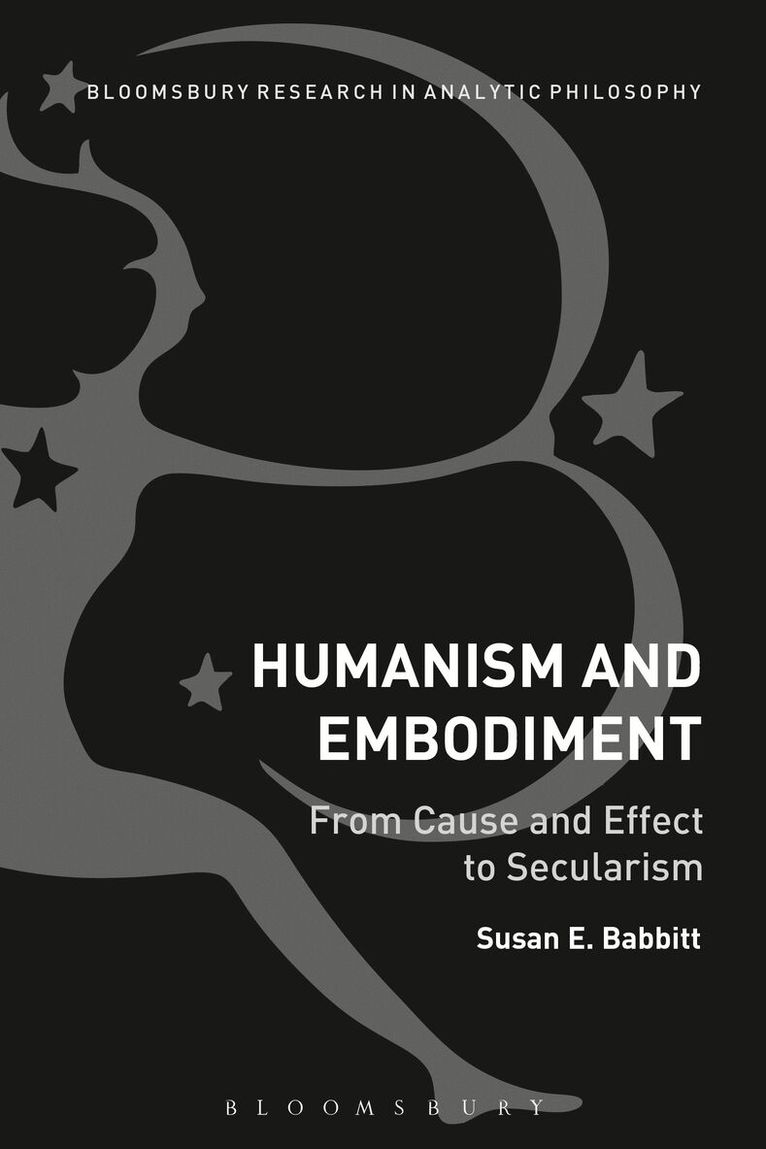
A live issue in anthropology and development studies, humanism is not typically addressed by analytic philosophers. Arguing for humanism as a view about truths, Humanism and Embodiment insists that disembodied reason, not religion, should be the target of secularists promoting freedom of enquiry and human community. Susan Babbitt’s original study presents humanism as a meta-ethical view, paralleling naturalistic realism in recent analytic epistemology and philosophy of science. Considering the nature of knowledge, particularly the radical contingency of knowledge claims upon causal mechanisms, religious thinkers like Thomas Merton and Ivan Illich offer more scientific conceptions of practical deliberation than are offered by some non-religious ethicists. Drawing on philosophical sources such as Marxism, Buddhism and Christianity, this original study considers implications of an embodied conception of reason, revealing philosophical, practical and political implications.
528 kr
Skickas inom 10-15 vardagar
A live issue in anthropology and development studies, humanism is not typically addressed by analytic philosophers. Arguing for humanism as a view about truths, Humanism and Embodiment insists that disembodied reason, not religion, should be the target of secularists promoting freedom of enquiry and human community. Susan Babbitt’s original study presents humanism as a meta-ethical view, paralleling naturalistic realism in recent analytic epistemology and philosophy of science. Considering the nature of knowledge, particularly the radical contingency of knowledge claims upon causal mechanisms, religious thinkers like Thomas Merton and Ivan Illich offer more scientific conceptions of practical deliberation than are offered by some non-religious ethicists. Drawing on philosophical sources such as Marxism, Buddhism and Christianity, this original study considers implications of an embodied conception of reason, revealing philosophical, practical and political implications.
1 254 kr
Skickas inom 5-8 vardagar
The Buddha was what today is called an empirical philosopher, taking his philosophy from careful study of the empirical world, and rejecting “high flown” philosophies. As philosophy of existence, his view overlaps with Marx in his most interesting form, which is not the way Marx is typically understood. Marx was reduced to economics while the Buddha was reduced to religion. Many shared his view, including Dostoevsky, Proust, and Victor Hugo. Death is present in such views. But they are not recognized as philosophy.
402 kr
Skickas inom 5-8 vardagar
The Buddha was what today is called an empirical philosopher, taking his philosophy from careful study of the empirical world, and rejecting “high flown” philosophies. As philosophy of existence, his view overlaps with Marx in his most interesting form, which is not the way Marx is typically understood. Marx was reduced to economics while the Buddha was reduced to religion. Many shared his view, including Dostoevsky, Proust, and Victor Hugo. Death is present in such views. But they are not recognized as philosophy.