Susan Flavin - Böcker
Visar alla böcker från författaren Susan Flavin. Handla med fri frakt och snabb leverans.
3 produkter
3 produkter
1 448 kr
Kommande
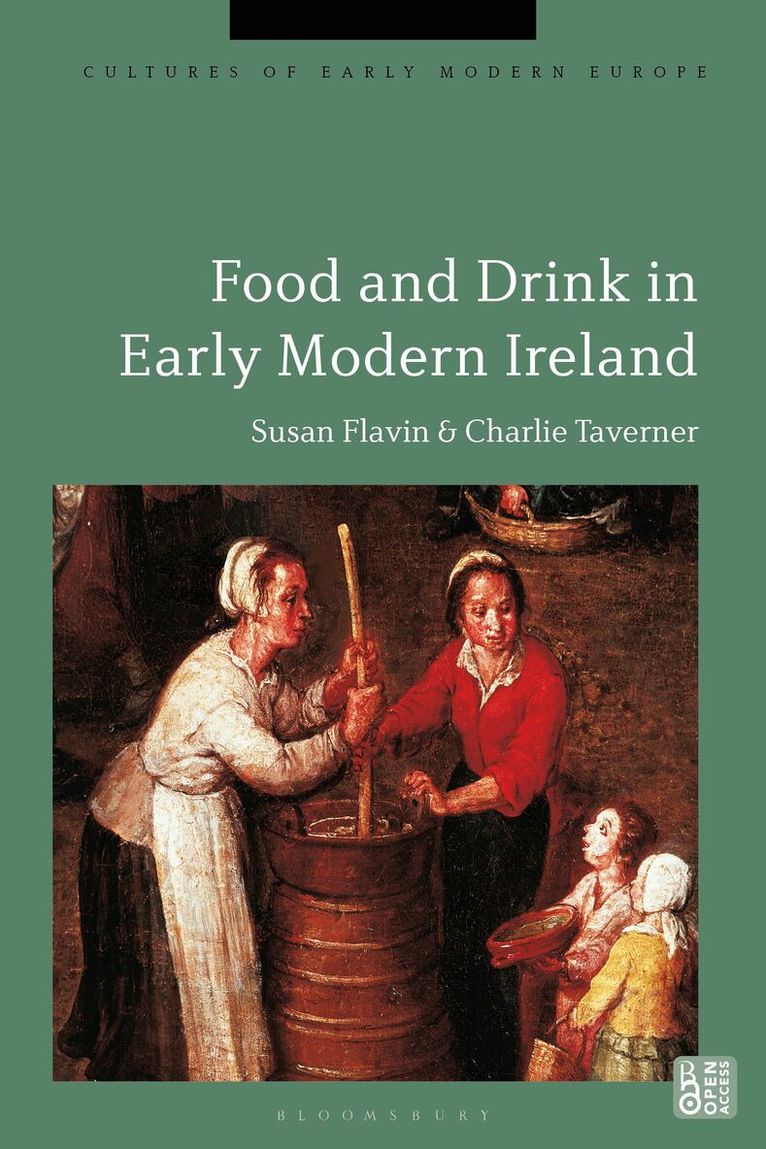
This open access book is the first major history of food in early modern Ireland, a country deeply affected by the traumas and transformations that swept Europe and the wider world in the 16th and 17th centuries. It draws on a diversity of literature and documentary evidence as well as the findings of cutting-edge archaeological research to challenge centuries-old stereotypes and long-held assumptions about diet, consumption and its meaning.Food and Drink in Early Modern Ireland reveals that the basic question of what to eat and drink mattered more than ever in a country swept by war, colonization, and religious upheaval; the diet of Ireland’s people took on a more profound and complex significance as a consequence. By analysing the way they baked their bread, reared animals for meat, swilled beer, smoked with friends, adhered to arduous fasts and gathered for indulgent feasts, Susan Flavin and Charlie Taverner show these routines and rituals became powerful markers of identity and difference, between rich and poor, civilized and barbaric, Protestant and Catholic, native and newcomer. Flavin and Taverner reflect on how Ireland consumed the latest trends, fashions, and intellectual currents of the time, bound up in quickening networks of global trade. They convincingly contend that, far from being an isolated backwater on the fringe of Europe, Ireland experienced intensely the transformations that shook the Atlantic world in the 16th and 17th centuries. This history not only provides a new chapter in the story of food and drink, but also helps us understand what made this period so distinctive while breaking new ground in how we study consumption in the past.The ebook editions of this book are available open access under a CC BY-NC-ND 4.0 licence on bloomsburycollections.com. Open access was funded by the European Research Council.
Del 13 - Irish Historical Monographs
Consumption and Culture in Sixteenth-Century Ireland
Saffron, Stockings and Silk
Inbunden, Engelska, 2014
1 197 kr
Skickas inom 7-10 vardagar
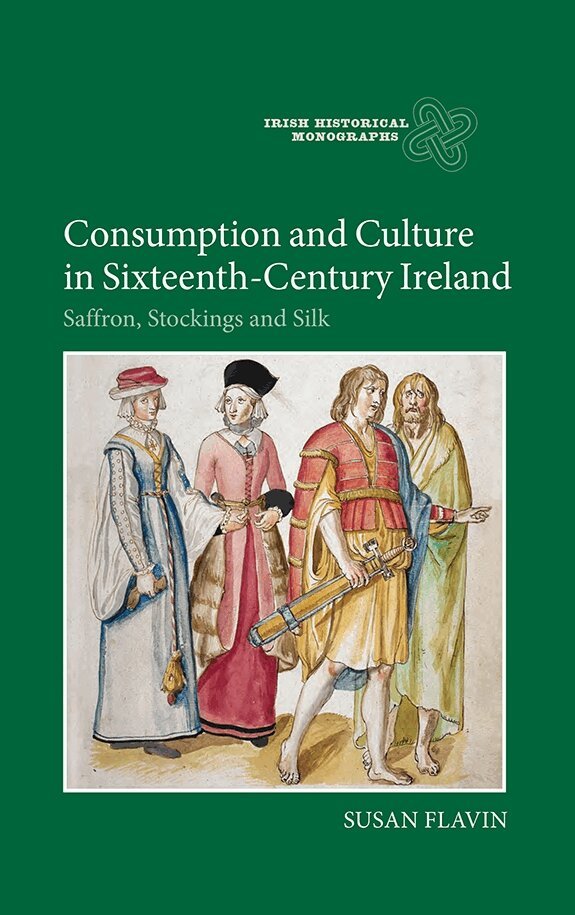
A detailed study of changing patterns of consumption, showing how these related to wider political, social and economic developments.This book, based on extensive original research, argues that everyday Irish consumption underwent major changes in the 16th century. The book considers the changing nature of imported goods in relation especially to two major activities of daily living: dress and diet. It integrates quantitative data on imports with qualitative sources, including wills, archaeological and pictorial evidence, and contemporary literature and legislation. It shows that changes in Irish consumption mirrored changes occurring in England and across Europe and that they were a function of broader developments in the Irish economy, including the increasing participation of Irish merchants in European markets. The book also discusses how consumption was related to wider political, economic and cultural developments in Ireland, showing how the acquisition and interpretation of material goods were key factors in the mediation of political and social boundaries in a semi-colonised and contested society.Susan Flavin completed her doctorate in early modern history at the University of Bristol.
236 kr
Skickas inom 7-10 vardagar
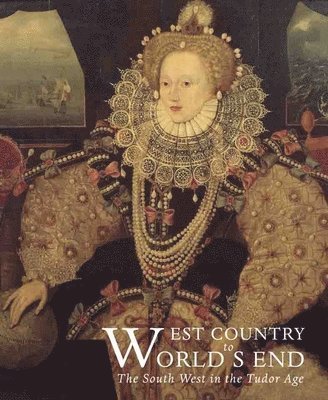
During the Tudor Age the South West was famed for the innovation and endeavor of its people. Devon sea dogs Drake, Raleigh and Hawkins sailed to ‘World’s End’ in their pursuit of treasure and glory, Exeter’s Nicholas Hilliard produced exquisite miniature portraits of courtiers while fellow Exonian Thomas Bodley re-founded Oxford University’s library, later named the Bodleian in his honor. These men lived during the religious turmoil and political intrigue of Elizabeth I’s reign – a time of opportunity for the merchants and traders of Devon. Many grew rich on the fruits of overseas trade and expressed their new status through fashionable houses, fine furnishings, decoration and valuable personal possessions. The demand for goods was met by a network of local craft workers: plasterers, masons, carpenters, lace-makers and goldsmiths. Aspects of their lives are revealed in this book, published to accompany the fascinating exhibition at the Royal Albert Memorial Museum, Exeter, which will draw together paintings, artifacts and documents from galleries, museums and record offices to tell the story of the South West and its people set against the backdrop of one of the most,evocative periods in British history.