Susan Hetrick – författare
Visar alla böcker från författaren Susan Hetrick. Handla med fri frakt och snabb leverans.
8 produkter
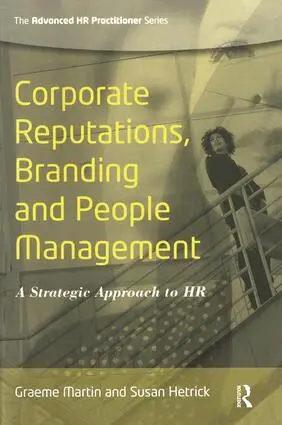
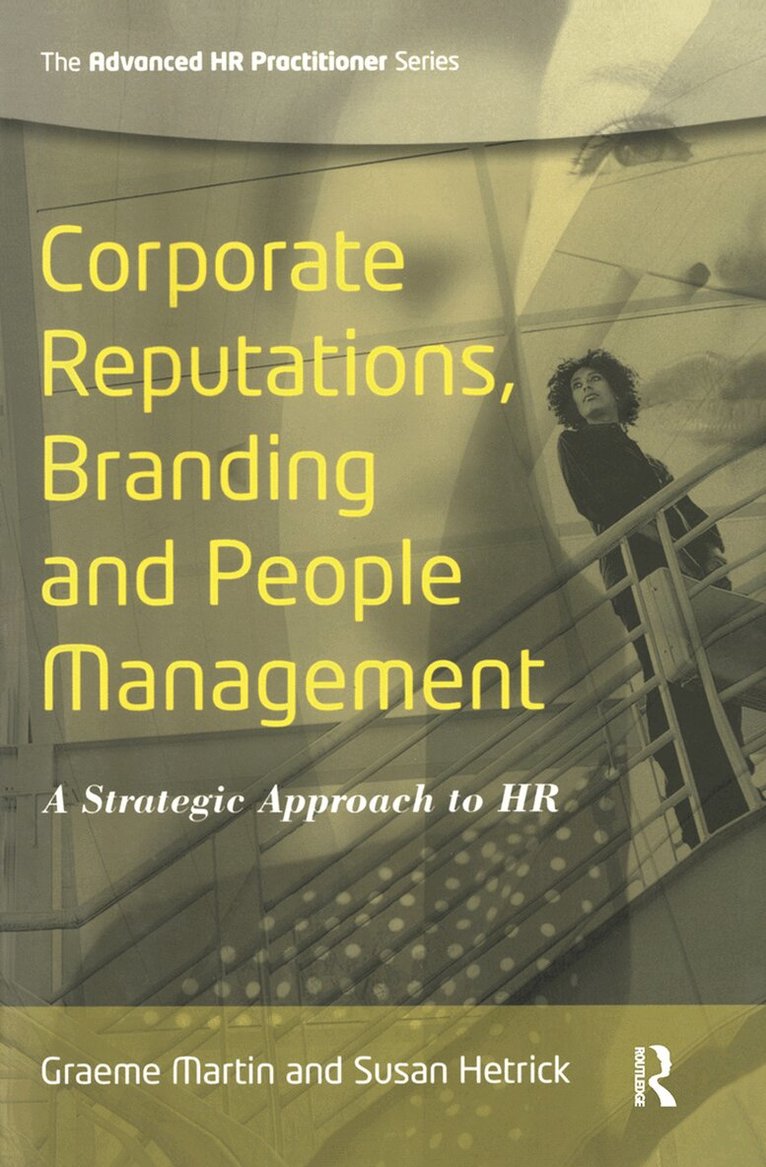
Corporate Reputations, Branding and People Management
Av Susan Hetrick, Graeme Martin
Häftad, 2006
951 kr
Lägg i varukorg
The book helps HR practitioners understand corporate-level concepts and their relevance to the key strategic agendas of organizations by drawing on a wide range of ideas from branding, marketing, communications, public relations and reputation management. It then examines how effective people …
Toxic Organizational Cultures and Leadership
How to Build and Sustain a Healthy Workplace
E-bok, 2023
731 kr
Lägg i varukorg
Shortlisted in the 2024 Business Book Awards (People, Culture & Management category) Toxic organizational cultures and leadership have led to major reputational failures, with the greatest impact felt by the people who dedicate their careers to working for these organizations. And yet organizations …
Toxic Organizational Cultures and Leadership
How to Build and Sustain a Healthy Workplace
E-bok, 2023
731 kr
Lägg i varukorg
Shortlisted in the 2024 Business Book Awards (People, Culture & Management category) Toxic organizational cultures and leadership have led to major reputational failures, with the greatest impact felt by the people who dedicate their careers to working for these organizations. And yet organizations …
Toxic Organizational Cultures and Leadership
How to Build and Sustain a Healthy Workplace
Inbunden, 2023
2131 kr
Lägg i varukorg
Shortlisted in the 2024 Business Book Awards (People, Culture & Management category)Toxic organizational cultures and leadership have led to major reputational failures, with the greatest impact felt by the people who dedicate their careers to working for these organizations. And yet organizations …
Toxic Organizational Cultures and Leadership
How to Build and Sustain a Healthy Workplace
Häftad, 2023
604 kr
Lägg i varukorg
Shortlisted in the 2024 Business Book Awards (People, Culture & Management category)Toxic organizational cultures and leadership have led to major reputational failures, with the greatest impact felt by the people who dedicate their careers to working for these organizations. And yet organizations …
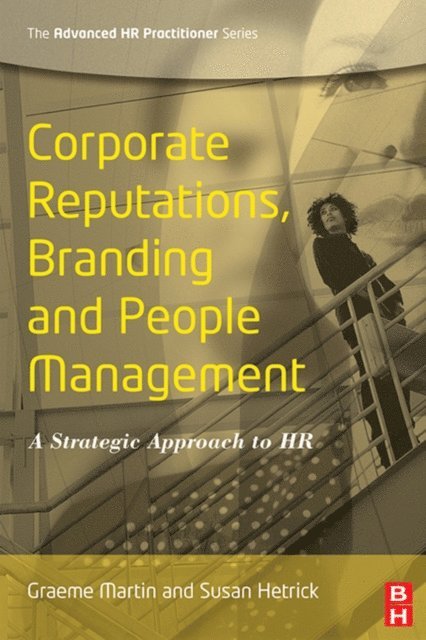
Corporate Reputations, Branding and People Management
Av Graeme Martin, Susan Hetrick
E-bok, 2006
1099 kr
Lägg i varukorg
The book helps HR practitioners understand corporate-level concepts and their relevance to the key strategic agendas of organizations by drawing on a wide range of ideas from branding, marketing, communications, public relations and reputation management. It then examines how effective people …
Corporate Reputations, Branding and People Management
Av Graeme Martin, Susan Hetrick
E-bok, 2006
1099 kr
Lägg i varukorg
The book helps HR practitioners understand corporate-level concepts and their relevance to the key strategic agendas of organizations by drawing on a wide range of ideas from branding, marketing, communications, public relations and reputation management. It then examines how effective people …
Corporate Reputations, Branding and People Management
Av Susan Hetrick, Graeme Martin
Inbunden, 2018
3154 kr
Lägg i varukorg
The book helps HR practitioners understand corporate-level concepts and their relevance to the key strategic agendas of organizations by drawing on a wide range of ideas from branding, marketing, communications, public relations and reputation management. It then examines how effective people …