Susan Jeffords – författare
Visar alla böcker från författaren Susan Jeffords. Handla med fri frakt och snabb leverans.
5 produkter
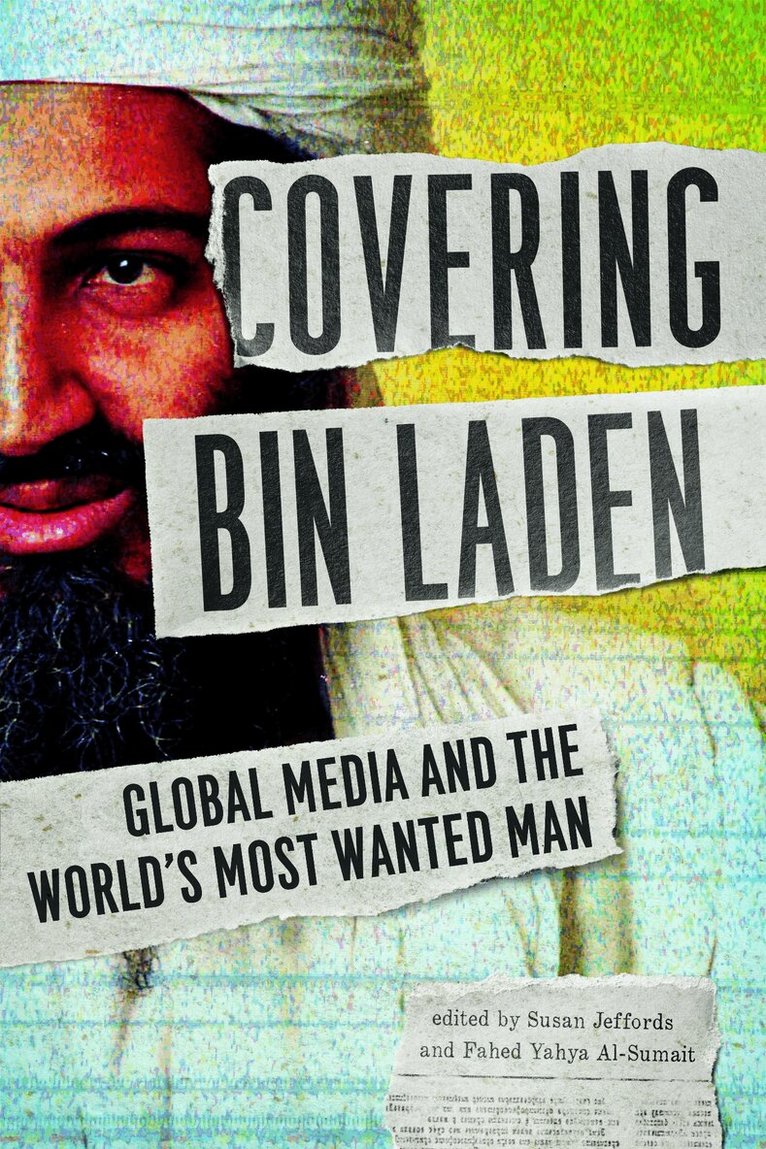
Covering Bin Laden
Global Media and the World's Most Wanted Man
Av Susan Jeffords, Fahed Al-Sumait
Inbunden, 2015
1406 kr
Lägg i varukorg
Starting in 2001, much of the world media used the image of Osama bin Laden as a shorthand for terrorism. Bin Laden himself considered media manipulation on a par with military, political, and ideological tools, and intentionally used interviews, taped speeches, and distributed statements to …
Covering Bin Laden
Global Media and the World's Most Wanted Man
Av Susan Jeffords, Fahed Al-Sumait
Häftad, 2015
365 kr
Lägg i varukorg
Starting in 2001, much of the world media used the image of Osama bin Laden as a shorthand for terrorism. Bin Laden himself considered media manipulation on a par with military, political, and ideological tools, and intentionally used interviews, taped speeches, and distributed statements to …
Covering Bin Laden
Global Media and the World's Most Wanted Man
Av Susan Jeffords, Fahed Al-Sumait
E-bok, 2015
568 kr
Lägg i varukorg
Starting in 2001, much of the world media used the image of Osama bin Laden as a shorthand for terrorism. Bin Laden himself considered media manipulation on a par with military, political, and ideological tools, and intentionally used interviews, taped speeches, and distributed statements to …
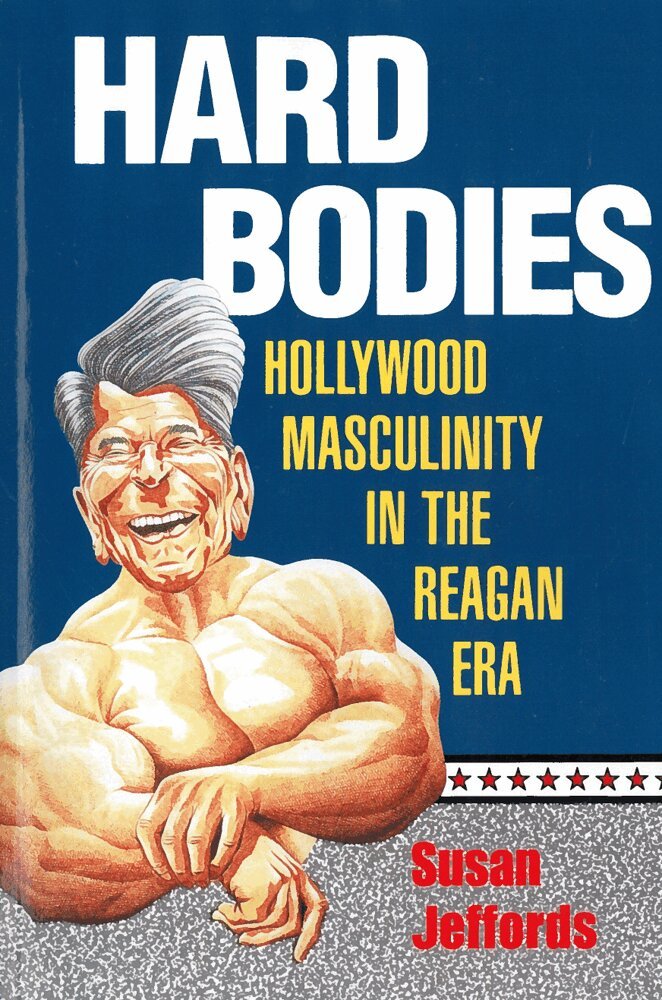
Hard Bodies
Hollywood Masculinity in the Reagan Era
Häftad, 1993
389 kr
Lägg i varukorg
Hard Bodies is about Ronald Reagan, Robert Bly, "America," Rambo, Dirty Harry, national identity, and individual manhood. By linking blockbuster Hollywood films of the 1980s to Ronald Reagan and his image, Susan Jeffords explores the links between masculinity and U.S. identity and how their images …
Seeing Through the Media
The Persian Gulf War
Av Susan Jeffords, Lauren Rabinovitz
Häftad, 1994
389 kr
Lägg i varukorg
The New Republic airbrushed a Hitler mustache on Saddam Hussein. CNN reporters described the bombing of Baghdad as "fireworks on the Fourth of July." The Pentagon fed prepackaged programs to the TV networks. Veiled Arab women became icons of an exotic culture. These are some of the ways the media …