Susanne Neubert – författare
Visar alla böcker från författaren Susanne Neubert. Handla med fri frakt och snabb leverans.
7 produkter
7 produkter
Inbunden, Engelska, 2000
2 275 kr
Skickas inom 10-15 vardagar
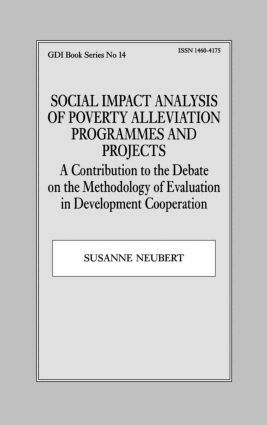
This study of the impact of poverty alleviation programmes considers the state of research on evaluation including the social dimension and the methodology; illustrates the evolution of evaluation in the field of development co-operation; and shows successful and inadequate analyzing methods.
Häftad, Engelska, 2000
680 kr
Skickas inom 10-15 vardagar
This study of the impact of poverty alleviation programmes considers the state of research on evaluation including the social dimension and the methodology; illustrates the evolution of evaluation in the field of development co-operation; and shows successful and inadequate analyzing methods.
E-bok
PDF, Engelska, 2013802 kr
Läs direkt efter köp
This study of the impact of poverty alleviation programmes considers the state of research on evaluation including the social dimension and the methodology; illustrates the evolution of evaluation in the field of development co-operation; and shows successful and inadequate analyzing methods.
E-bok
Engelska, 2013795 kr
Läs direkt efter köp
This study of the impact of poverty alleviation programmes considers the state of research on evaluation including the social dimension and the methodology; illustrates the evolution of evaluation in the field of development co-operation; and shows successful and inadequate analyzing methods.
Inbunden, Engelska, 2008
1 619 kr
Skickas inom 10-15 vardagar
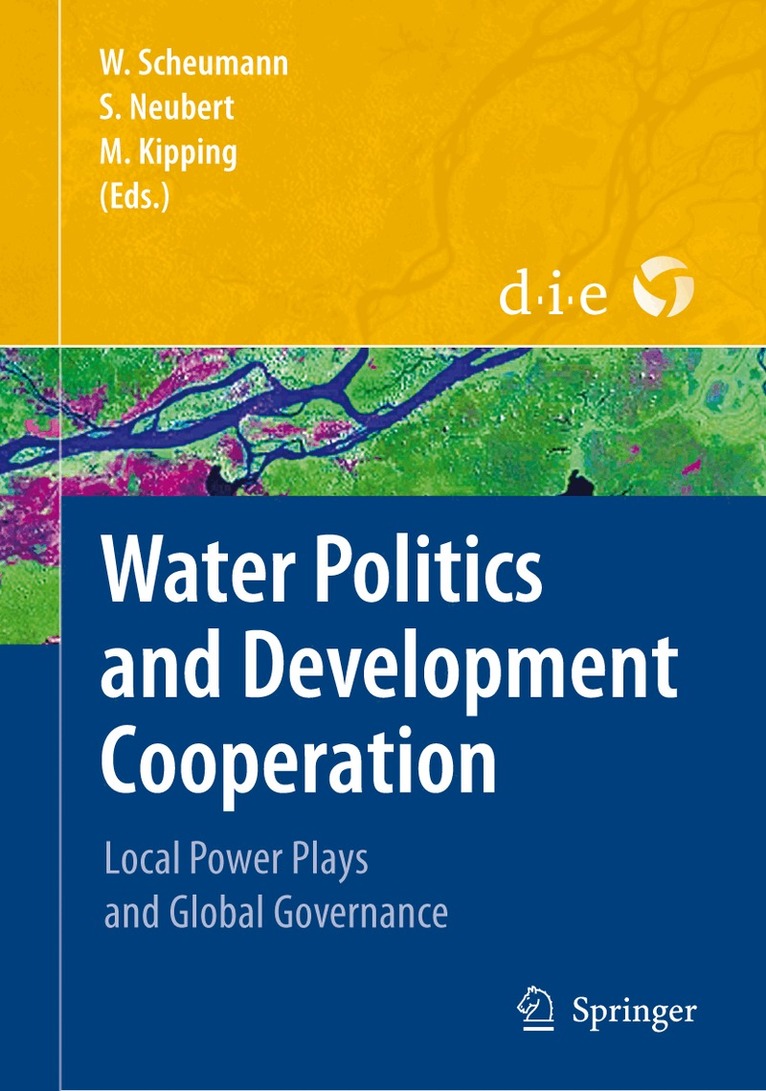
This statement in the most recent Human Development Report articulates a conv- tion that has increasingly gained ground in the water community over recent years: the key challenge in the water sector is not a lack of water, knowledge, nancial - sourcesortechnology.Ingeneral,itisthepoliticalspherethatdetermineswhetheror not water problems are solved, whether or not people have access to drinking water, irrigation water and sanitation, whether our natural resource base is developed s- tainable or overexploited, and whether new challenges for the water sector – such as adaptation to climate change – will be tackled or not. Politics (the process of decision-making of groups of people, involving the authoritative allocation of e.g. resources), the actors, their interests and interactions determine whether progress is made or hindered. The outcome of water politics is then re ected in water po- cies, the substantive outcome of the political interplay in terms of regulations, action programs or spending priorities of the various public or private entities concerned.
E-bok
PDF, Engelska, 20081 819 kr
Läs direkt efter köp
This statement in the most recent Human Development Report articulates a conv- tion that has increasingly gained ground in the water community over recent years: the key challenge in the water sector is not a lack of water, knowledge, nancial - sourcesortechnology.Ingeneral,itisthepoliticalspherethatdetermineswhetheror not water problems are solved, whether or not people have access to drinking water, irrigation water and sanitation, whether our natural resource base is developed s- tainable or overexploited, and whether new challenges for the water sector – such as adaptation to climate change – will be tackled or not. Politics (the process of decision-making of groups of people, involving the authoritative allocation of e.g. resources), the actors, their interests and interactions determine whether progress is made or hindered. The outcome of water politics is then re ected in water po- cies, the substantive outcome of the political interplay in terms of regulations, action programs or spending priorities of the various public or private entities concerned.
Häftad, Engelska, 2010
1 490 kr
Skickas inom 10-15 vardagar
This statement in the most recent Human Development Report articulates a conv- tion that has increasingly gained ground in the water community over recent years: the key challenge in the water sector is not a lack of water, knowledge, nancial - sourcesortechnology.Ingeneral,itisthepoliticalspherethatdetermineswhetheror not water problems are solved, whether or not people have access to drinking water, irrigation water and sanitation, whether our natural resource base is developed s- tainable or overexploited, and whether new challenges for the water sector – such as adaptation to climate change – will be tackled or not. Politics (the process of decision-making of groups of people, involving the authoritative allocation of e.g. resources), the actors, their interests and interactions determine whether progress is made or hindered. The outcome of water politics is then re ected in water po- cies, the substantive outcome of the political interplay in terms of regulations, action programs or spending priorities of the various public or private entities concerned.