Suzana Herculano-Houzel – författare
265 kr
Läs direkt efter köp
Why our human brains are awesome, and how we left our cousins, the great apes, behind: a tale of neurons and calories, and cooking.
Humans are awesome. Our brains are gigantic, seven times larger than they should be for the size of our bodies. The human brain uses 25% of all the energy the body requires each day. And it became enormous in a very short amount of time in evolution, allowing us to leave our cousins, the great apes, behind. So the human brain is special, right? Wrong, according to Suzana Herculano-Houzel. Humans have developed cognitive abilities that outstrip those of all other animals, but not because we are evolutionary outliers. The human brain was not singled out to become amazing in its own exclusive way, and it never stopped being a primate brain. If we are not an exception to the rules of evolution, then what is the source of the human advantage?
Herculano-Houzel shows that it is not the size of our brain that matters but the fact that we have more neurons in the cerebral cortex than any other animal, thanks to our ancestors'' invention, some 1.5 million years ago, of a more efficient way to obtain calories: cooking. Because we are primates, ingesting more calories in less time made possible the rapid acquisition of a huge number of neurons in the still fairly small cerebral cortex—the part of the brain responsible for finding patterns, reasoning, developing technology, and passing it on through culture.
Herculano-Houzel shows us how she came to these conclusions—making “brain soup” to determine the number of neurons in the brain, for example, and bringing animal brains in a suitcase through customs. The Human Advantage is an engaging and original look at how we became remarkable without ever being special.
255 kr
Skickas
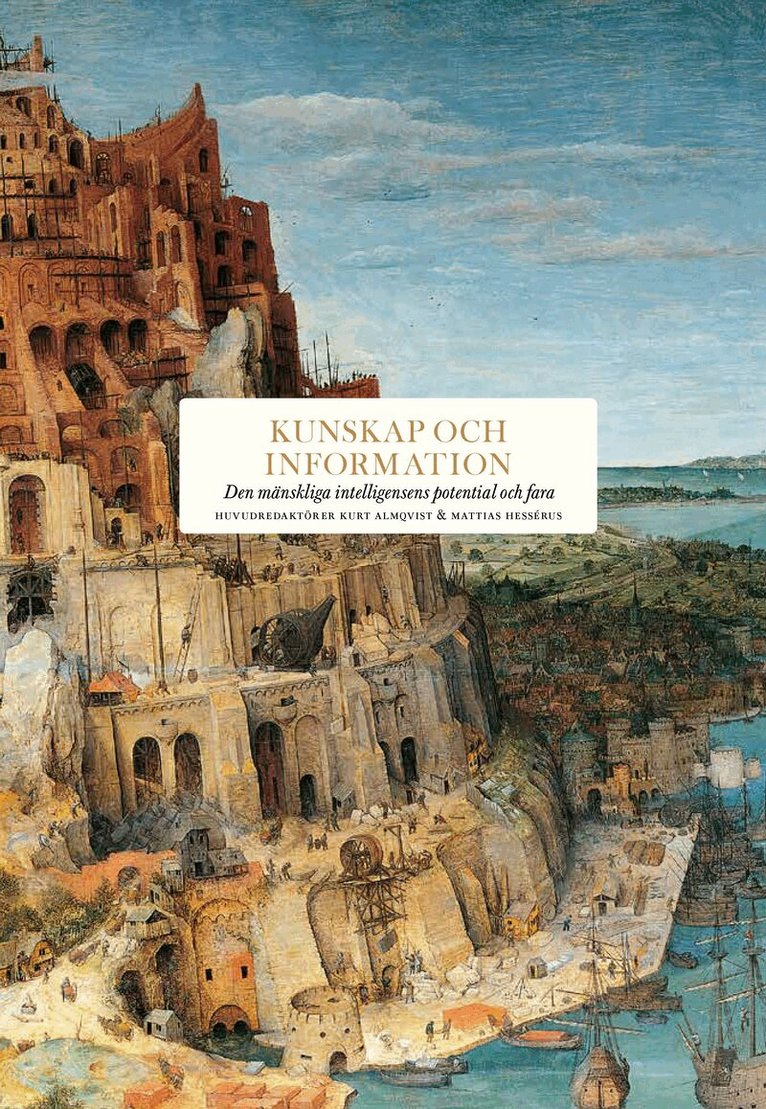
Vi har kommit långt från de religioner, myter och grundarberättelser som lade grunden till människans tidiga förståelse av världen och allting i den, och våra kunskaper har på senare tid ökat exponentiellt. I den här boken diskuterar ledande forskare inom konst och vetenskap hur kunskap och information har bevarats och förmedlats i historien, vilket leder oss fram till dagens digitala tidsålder och de många utmaningar som den ställer oss inför, inte minst beträffande våra persondata.
Kommer vårt informationssamhälle, under växande spänning mellan en kunskapselit och dem som känner sig utestängda från offentlig diskussion och beslutsfattande, liksom under ökad friktion om tolkningsfrihet och yttrandefrihet i den akademiska världen, att bli en upplysningstid eller går vi in i en ny mörk tid för kunskapen?
Texterna i den här illustrerade antologin härrör från det internationellt välrenommerade Engelsbergsseminariet 2018. Huvudredaktörer är Kurt Almqvist och Mattias Hessérus.
218 kr
Skickas
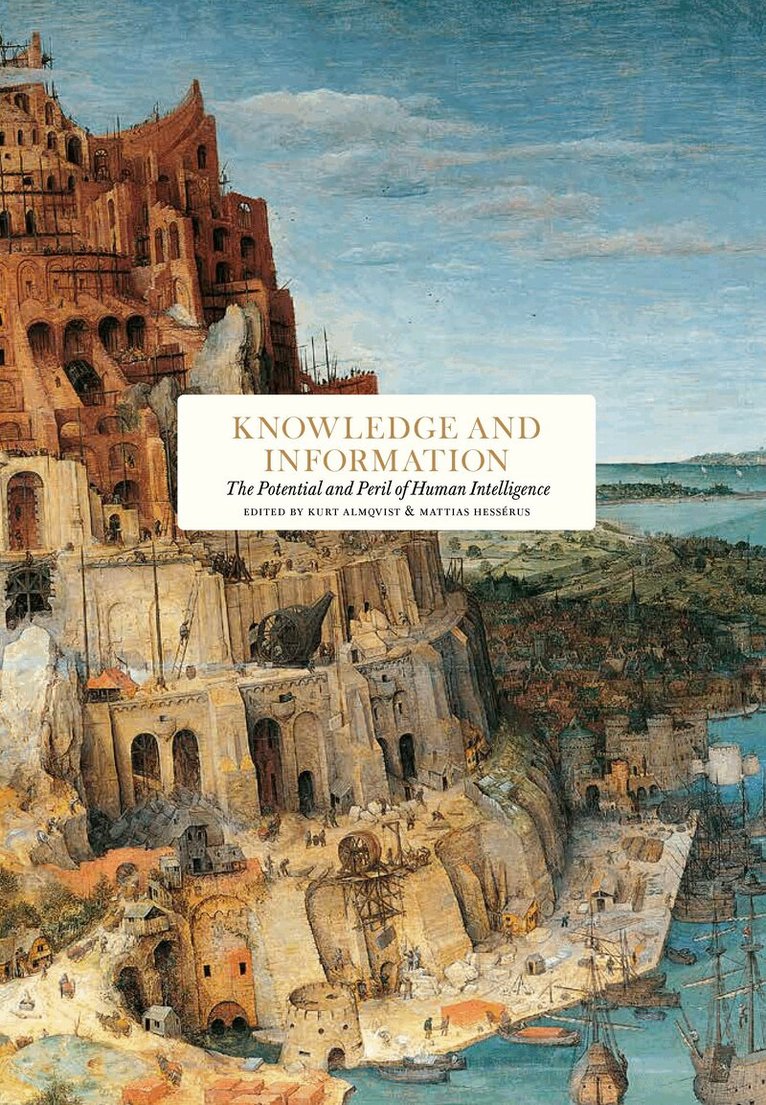
We have come a long way from the religions, myths and foundation stories that created the bedrock of man s early understanding of the world and everything in it, and our stock of knowledge has increased exponentially in recent times. In this volume leading scholars in the arts and sciences discuss how knowledge and information have been preserved and transferred throughout history, bringing us up to today s digital age and the multiple challenges it presents, not least with regard to our personal data.
Amid growing tension between a cognitive elite and those who feel excluded from public discourse and decision making, alongside increasing friction in academia over freedom of interpretation and expression, will our information society turn out to be an era of enlightenment or are we entering a new dark age for knowledge?
139 kr
Läs direkt efter köp
167 kr
Tillfälligt slut