Suzanne Schwarz - Böcker
Visar alla böcker från författaren Suzanne Schwarz. Handla med fri frakt och snabb leverans.
5 produkter
5 produkter
426 kr
Kommande
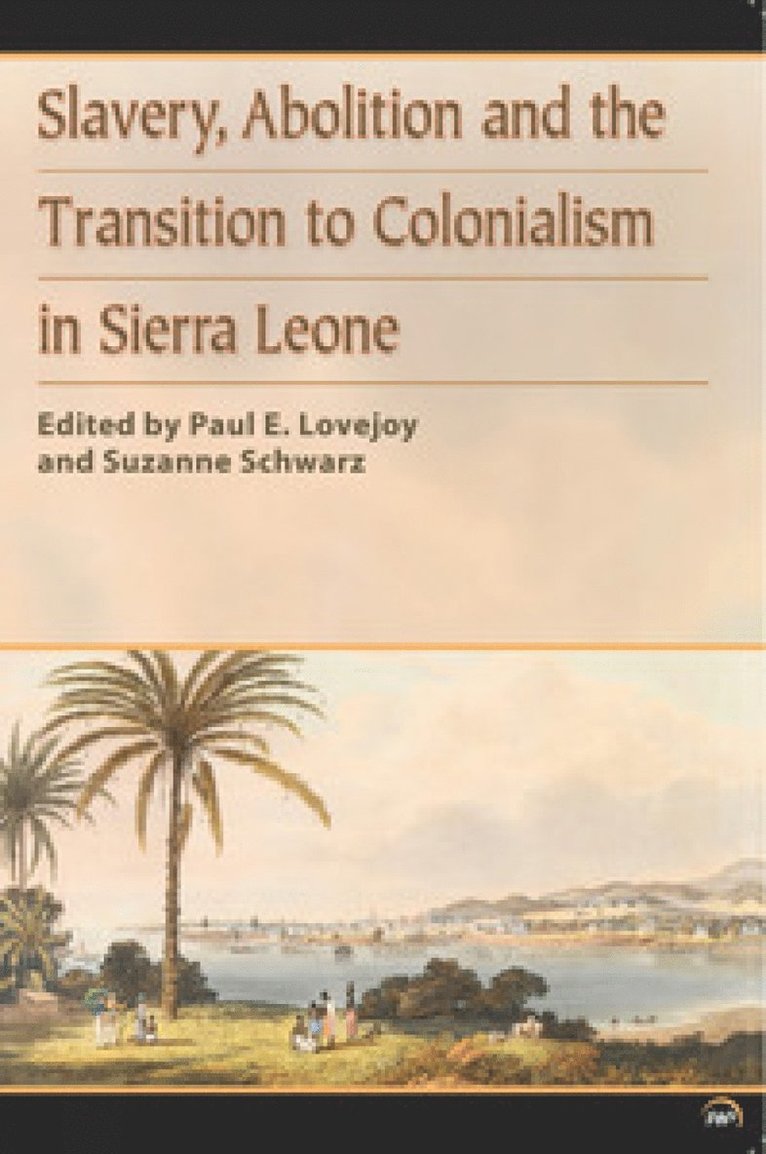
Schwarz and Lovejoy are also the editors of Slavery, Abolition and the Transition to Colonialism in Sierra Leone.
372 kr
Skickas inom 7-10 vardagar
521 kr
Skickas inom 7-10 vardagar
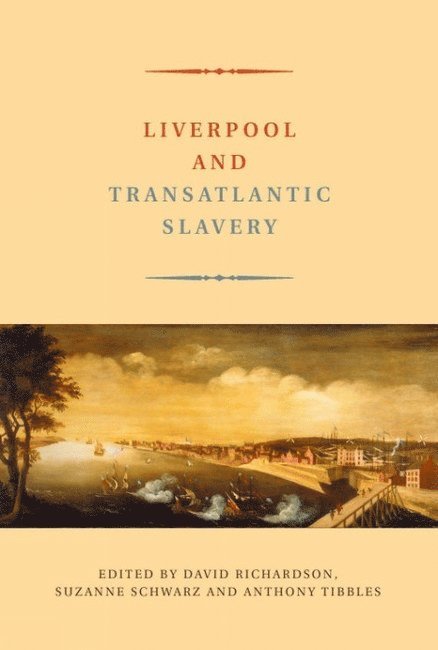
Newly available in paperback, this edition is an important volume of international significance, drawing together contributions from some of the leading scholars in the field and edited by a team headed by the acclaimed historian David Richardson. The book sets Liverpool in the wider context of transatlantic slavery and addresses issues in the scholarship of transatlantic slavery, including African agency and trade experience. Emphasis is placed on the human characteristics and impacts of transatlantic slavery. It also opens up new areas of debate on Liverpool’s participation in the slave trade and helps to frame the research agenda for the future.
Del 4 - Western Africa Series
Commercial Agriculture, the Slave Trade & Slavery in Atlantic Africa
Inbunden, Engelska, 2013
1 203 kr
Skickas inom 7-10 vardagar
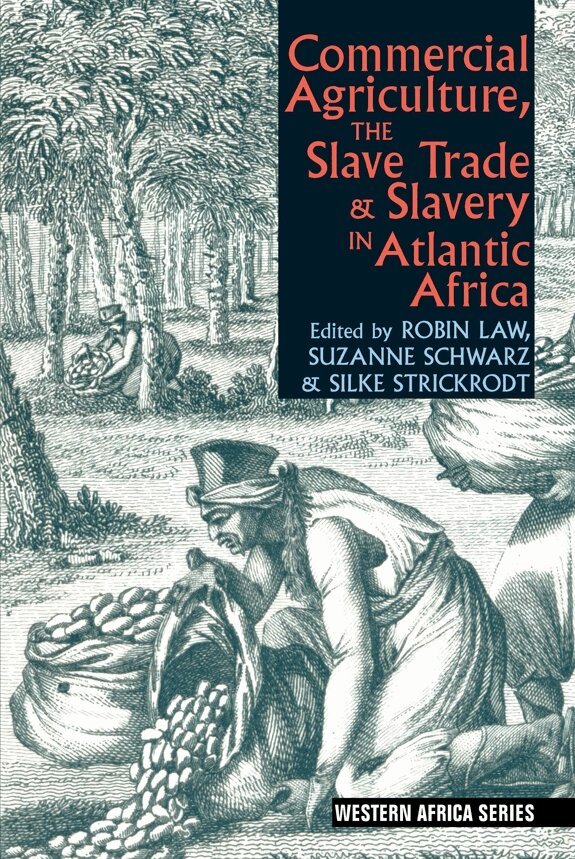
Re-envisages what we know about African political economies through its examination of one of the key questions in colonial and African history, that of commercial agriculture and its relationship to slavery.This book considers commercial agriculture in Africa in relation to the trans-Atlantic slave trade and the institution of slavery within Africa itself, from the beginnings of European maritime trade in the fifteenth century to theearly stages of colonial rule in the twentieth century.From the outset, the export of agricultural produce from Africa represented a potential alternative to the slave trade: although the predominant trend was to transport enslaved Africans to the Americas to cultivate crops, there was recurrent interest in the possibility of establishing plantations in Africa to produce such crops, or to purchase them from independent African producers. Thisidea gained greater currency in the context of the movement for the abolition of the slave trade from the late eighteenth century onwards, when the promotion of commercial agriculture in Africa was seen as a means of suppressing the slave trade. At the same time, the slave trade itself stimulated commercial agriculture in Africa, to supply provisions for slave-ships in the Middle Passage. Commercial agriculture was also linked to slavery within Africa, since slaves were widely employed there in agricultural production. Although Abolitionists hoped that production of export crops in Africa would be based on free labour, in practice it often employed enslaved labour, so that slaveryin Africa persisted into the colonial period.Robin Law is Emeritus Professor of African History, University of Stirling; Suzanne Schwarz is Professor of History, University of Worcester; Silke Strickrodt is Visiting Research Fellow at the Department of African Studies and Anthropology, University of Birmingham.
Del 7 - Western Africa Series
Commercial Agriculture, the Slave Trade and Slavery in Atlantic Africa
Häftad, Engelska, 2016
347 kr
Skickas inom 7-10 vardagar
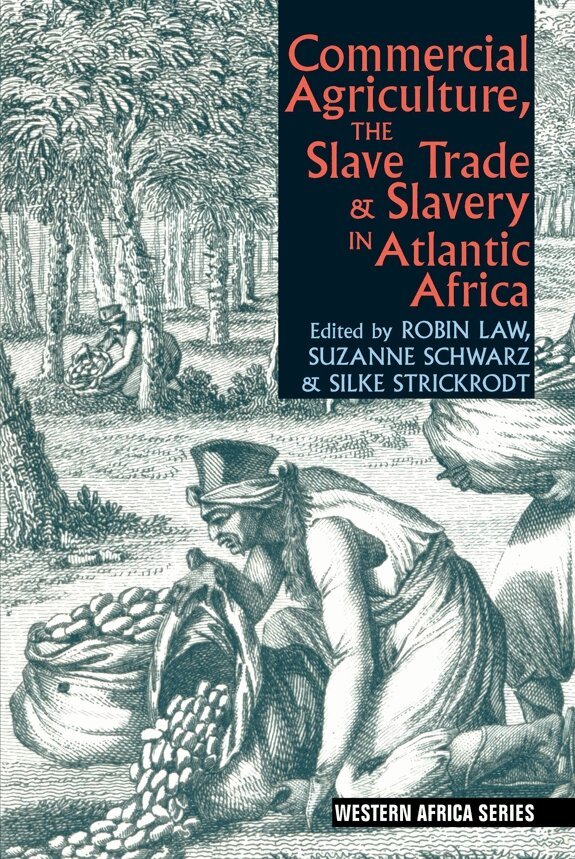
Re-envisages what we know about African political economies through its examination of one of the key questions in colonial and African history, that of commercial agriculture and its relationship to slavery.This book considers commercial agriculture in Africa in relation to the trans-Atlantic slave trade and the institution of slavery within Africa itself, from the beginnings of Afro-European maritime trade in the fifteenth century to the early stages of colonial rule in the twentieth century. For Europeans, the export of agricultural produce represented a potential alternative to the slave trade from the outset and there was recurrent interest in establishing plantations in Africa or in purchasing crops from African producers. This idea gained greater currency in the context of the movement for the abolition of the slave trade from the late eighteenth century onwards, when the promotion of commercial agriculture in Africa was seen as a means of suppressing the slave trade.Robin Law is Emeritus Professor of African History, University of Stirling; Suzanne Schwarz is Professor of History, University ofWorcester; Silke Strickrodt is a Visiting Research Fellow in the Department of African Studies and Anthropology at the University of Birmingham.