Sylvie Lindeperg - Böcker
Visar alla böcker från författaren Sylvie Lindeperg. Handla med fri frakt och snabb leverans.
4 produkter
4 produkter
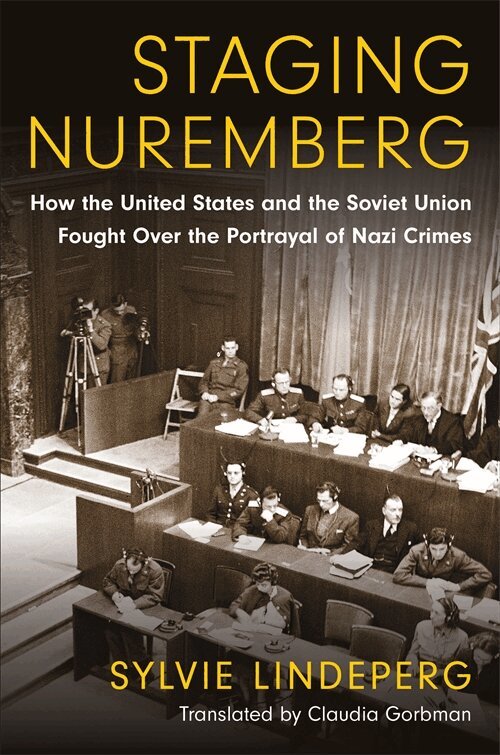
Staging Nuremberg
How the United States and the Soviet Union Fought Over the Portrayal of Nazi Crimes
Inbunden, Engelska, 2026
1 578 kr
Kommande
As victory in World War II drew near, the Allies decided to hold a major trial of Nazi leaders, which began in Nuremberg in November 1945. Conflict soon broke out between the United States and the Soviet Union over not only how to assess German guilt but also how to depict the trial. The Americans saw it as a judicial and media spectacle that would convey “the greatest moral tale ever told,” illustrated with Hollywood techniques. The Soviets, for their part, drew on extensive experience filming show trials to craft their own narrative of the tribunal.Sylvie Lindeperg offers a pioneering account of the cinematic stagecraft, storytelling, and imagery of the Nuremberg trials, revealing how film was used both as legal evidence and as a propaganda tool. She follows the American campaign to influence world opinion before, during, and after the trial, on stage and behind the scenes. Lindeberg chronicles how the hope of scripting a Hollywood-style courtroom drama crumbled amid rising geopolitical tensions and the mundane reality of the tribunal. The book interweaves in-depth reconstruction of the filming of the trial with portraits of the colorful characters who played leading or supporting roles. Drawing on American, British, Soviet, French, and German archives as well as analysis of films, newsreels, and photographs, Staging Nuremberg is a revelatory study of the theater of justice.
Staging Nuremberg
How the United States and the Soviet Union Fought Over the Portrayal of Nazi Crimes
Häftad, Engelska, 2026
384 kr
Kommande
As victory in World War II drew near, the Allies decided to hold a major trial of Nazi leaders, which began in Nuremberg in November 1945. Conflict soon broke out between the United States and the Soviet Union over not only how to assess German guilt but also how to depict the trial. The Americans saw it as a judicial and media spectacle that would convey “the greatest moral tale ever told,” illustrated with Hollywood techniques. The Soviets, for their part, drew on extensive experience filming show trials to craft their own narrative of the tribunal.Sylvie Lindeperg offers a pioneering account of the cinematic stagecraft, storytelling, and imagery of the Nuremberg trials, revealing how film was used both as legal evidence and as a propaganda tool. She follows the American campaign to influence world opinion before, during, and after the trial, on stage and behind the scenes. Lindeberg chronicles how the hope of scripting a Hollywood-style courtroom drama crumbled amid rising geopolitical tensions and the mundane reality of the tribunal. The book interweaves in-depth reconstruction of the filming of the trial with portraits of the colorful characters who played leading or supporting roles. Drawing on American, British, Soviet, French, and German archives as well as analysis of films, newsreels, and photographs, Staging Nuremberg is a revelatory study of the theater of justice.
901 kr
Skickas inom 7-10 vardagar
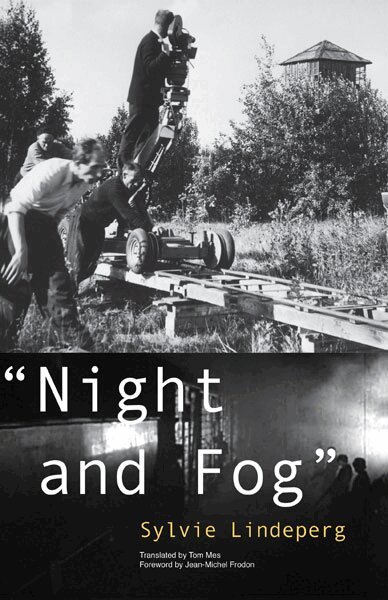
FranÇois Truffaut called Night and Fog “the greatest film ever made.” But when Alain Resnais finished his documentary, with its depiction of Nazi atrocities, the resistance of the French censors was fierce. A mere decade had passed since the end of the war, and the French public was unprepared to confront the horrors shown in the film-let alone the possibility of French complicity. In fact it would be through Night and Fog that many viewers first learned, as film critic Serge Daney put it, “that the worst had only just taken place.” An engrossing account of the genesis, production, and legacy of Resnais’s incomparable film, this book documents in extraordinary detail how a film that began as a cinematic spin-off of an educational exhibition on “resistance, liberation, and deportation” went on to become a significant step in the building of a collective consciousness of the tragedy of World War II. Sylvie Lindeperg frames her investigation with the story of historian Olga Wormser-Migot, who played an integral role in the research and writing of Night and Fog-and whose slight error on one point gave purchase to the film’s detractors and revisionists and Holocaust deniers. Lindeperg follows the travails of Resnais, Wormser-Migot, and their collaborators in a pan-European search for footage, photographs, and other documentation. She uncovers creative use of liberation footage to stand in for daily life of the camps featured to such shocking effect in the film-a finding that raises hotly debated questions about reenactment and witnessing even as it enhances our understanding of the film’s provenance and impact.A microhistory of a film that altered the culture it reflected, Night and Fog offers a unique interpretation of the interworking of biography, history, politics, and film in one epoch-making cultural moment.
292 kr
Skickas inom 7-10 vardagar
FranÇois Truffaut called Night and Fog “the greatest film ever made.” But when Alain Resnais finished his documentary, with its depiction of Nazi atrocities, the resistance of the French censors was fierce. A mere decade had passed since the end of the war, and the French public was unprepared to confront the horrors shown in the film-let alone the possibility of French complicity. In fact it would be through Night and Fog that many viewers first learned, as film critic Serge Daney put it, “that the worst had only just taken place.” An engrossing account of the genesis, production, and legacy of Resnais’s incomparable film, this book documents in extraordinary detail how a film that began as a cinematic spin-off of an educational exhibition on “resistance, liberation, and deportation” went on to become a significant step in the building of a collective consciousness of the tragedy of World War II. Sylvie Lindeperg frames her investigation with the story of historian Olga Wormser-Migot, who played an integral role in the research and writing of Night and Fog-and whose slight error on one point gave purchase to the film’s detractors and revisionists and Holocaust deniers. Lindeperg follows the travails of Resnais, Wormser-Migot, and their collaborators in a pan-European search for footage, photographs, and other documentation. She uncovers creative use of liberation footage to stand in for daily life of the camps featured to such shocking effect in the film-a finding that raises hotly debated questions about reenactment and witnessing even as it enhances our understanding of the film’s provenance and impact.A microhistory of a film that altered the culture it reflected, Night and Fog offers a unique interpretation of the interworking of biography, history, politics, and film in one epoch-making cultural moment.