T. E. Franklinos – författare
Visar alla böcker från författaren T. E. Franklinos. Handla med fri frakt och snabb leverans.
8 produkter
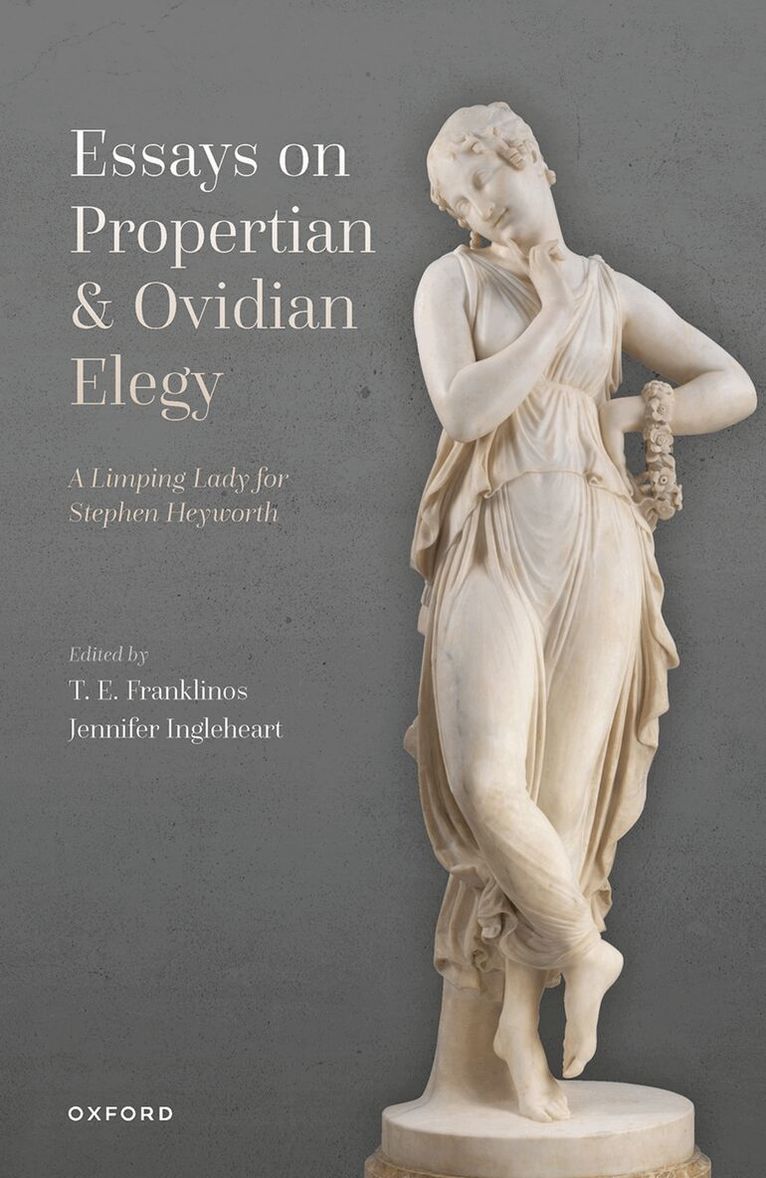
Essays on Propertian and Ovidian Elegy
A Limping Lady for Stephen Heyworth
Av T. E. Franklinos, Jennifer Ingleheart
Inbunden, 2024
2186 kr
Lägg i varukorg
This volume brings together eleven chapters on the genre of Latin elegy by leading scholars in the field.Latin elegy is typically thought to have flourished for a brief period at Rome between c. 40 BC and the early decades of the first century AD; it was the pre-eminent vehicle for writing about …
Essays on Propertian and Ovidian Elegy
A Limping Lady for Stephen Heyworth
Av Jennifer Ingleheart, T. E. Franklinos
E-bok, 2024
1476 kr
Lägg i varukorg
This volume brings together eleven chapters on the genre of Latin elegy by leading scholars in the field.Latin elegy is typically thought to have flourished for a brief period at Rome between c. 40 BC and the early decades of the first century AD; it was the pre-eminent vehicle for writing about …
Essays on Propertian and Ovidian Elegy
A Limping Lady for Stephen Heyworth
Av Jennifer Ingleheart, T. E. Franklinos
E-bok, 2024
1476 kr
Lägg i varukorg
This volume brings together eleven chapters on the genre of Latin elegy by leading scholars in the field.Latin elegy is typically thought to have flourished for a brief period at Rome between c. 40 BC and the early decades of the first century AD; it was the pre-eminent vehicle for writing about …
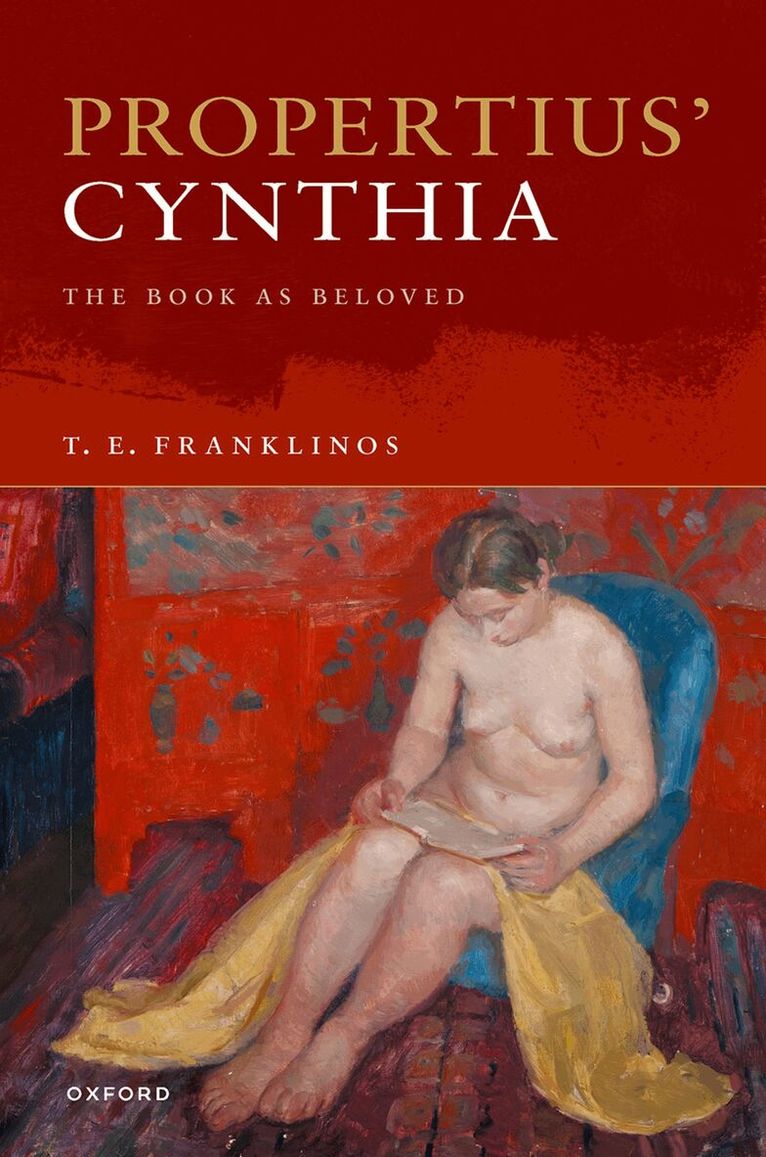
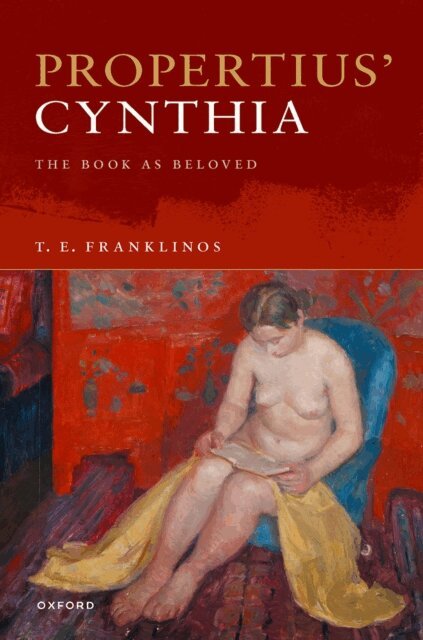
Propertius’ Cynthia
The Book as Beloved
Inbunden, 2024
1730 kr
Lägg i varukorg
Propertius' Cynthia considers Propertius' metapoetic and intra- and intertextual habits and their relationship with the repetitious amatory discourse that he fashions for himself with his beloved, Cynthia. Where scholarship tends to treat as separate the metaliterary and the amatory aspects of …
Propertius' Cynthia
The Book as Beloved
E-bok, 2024
1560 kr
Lägg i varukorg
Propertius'' Cynthia considers Propertius'' metapoetic and intra- and intertextual habits and their relationship with the repetitious amatory discourse that he fashions for himself with his beloved, Cynthia. Where scholarship tends to treat as separate the metaliterary and the amatory aspects of …
Propertius' Cynthia
The Book as Beloved
E-bok, 2024
1560 kr
Lägg i varukorg
Propertius'' Cynthia considers Propertius'' metapoetic and intra- and intertextual habits and their relationship with the repetitious amatory discourse that he fashions for himself with his beloved, Cynthia. Where scholarship tends to treat as separate the metaliterary and the amatory aspects of …
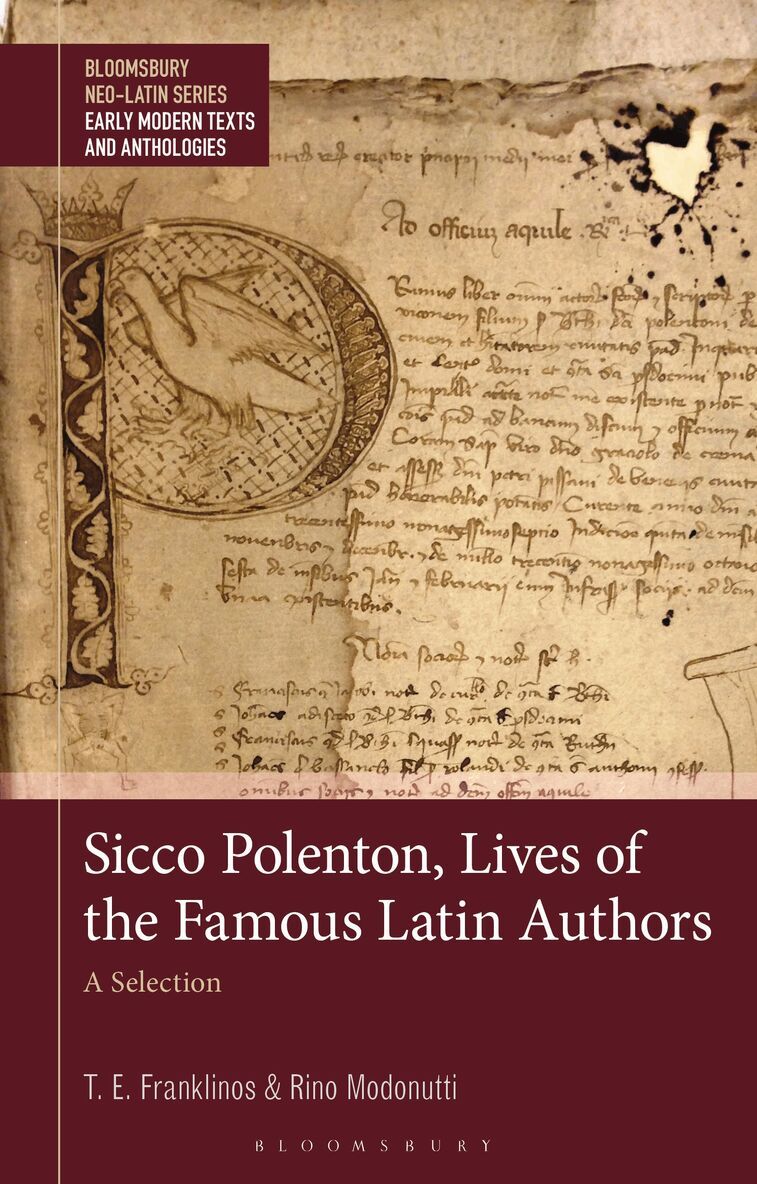
Sicco Polenton, Lives of the Famous Latin Authors
A Selection
Av T. E. Franklinos, Rino Modonutti m. fl.
Inbunden, 2026
1284 kr
Lägg i varukorg
Offering an anthology of the first history of Latin literature, Sicco Polenton’s Scriptorum illustrium Latinae linguae libri XVIII is a collection of biographies that spans the period from ancient Rome to the 15th century. Compiled between 1419 and 1433, the main focus of the Scriptores illustres …
Sicco Polenton, Lives of the Famous Latin Authors
A Selection
Av T. E. Franklinos, Rino Modonutti
E-bok, 2026
1406 kr
Lägg i varukorg
Offering an anthology of the first history of Latin literature, Sicco Polenton's Scriptorum illustrium Latinae linguae libri XVIII is a collection of biographies that spans the period from ancient Rome to the 15th century. Compiled between 1419 and 1433, the main focus of the Scriptores illustres …