T. M. S. (Terry) Evens – författare
Visar alla böcker från författaren T. M. S. (Terry) Evens. Handla med fri frakt och snabb leverans.
8 produkter
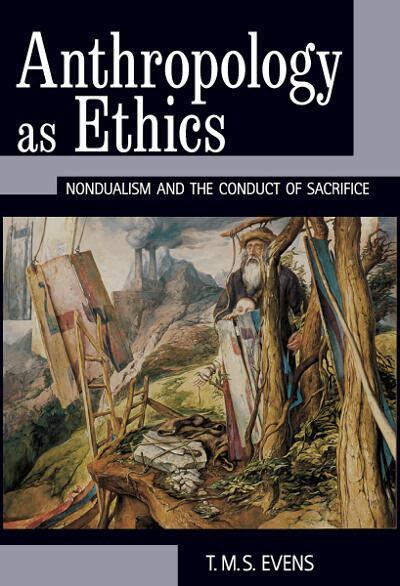
Anthropology as Ethics
Nondualism and the Conduct of Sacrifice
E-bok, 2008
366 kr
Lägg i varukorg
Anthropology as Ethics is concerned with rethinking anthropology by rethinking the nature of reality. It develops the ontological implications of a defining thesis of the Manchester School: that all social orders exhibit basically conflicting underlying principles. Drawing especially on Continental …
Manchester School
Practice and Ethnographic Praxis in Anthropology
Av Don Handelman, T. M. S. (Terry) Evens
E-bok, 2006
326 kr
Lägg i varukorg
Pioneered by Max Gluckman to demonstrate the way in which social practice and structure together constitute and are themselves constituted by the situational flow of social life, the extended case method became diagnostic of the Manchester School of Social Anthropology. Anticipating practice …
Reflecting on Reflexivity
The Human Condition as an Ontological Surprise
Av T. M. S. (Terry) Evens, Don Handelman m. fl.
Inbunden, 2016
1921 kr
Lägg i varukorg
Humanness supposes innate and profound reflexivity. This volume approaches the concept of reflexivity on two different yet related analytical planes. Whether implicitly or explicitly, both planes of thought bear critically on reflexivity in relation to the nature of selfhood and the very idea of …
Reflecting on Reflexivity
The Human Condition as an Ontological Surprise
Av Christopher Roberts, Don Handelman m. fl.
E-bok, 2016
326 kr
Lägg i varukorg
Humanness supposes innate and profound reflexivity. This volume approaches the concept of reflexivity on two different yet related analytical planes. Whether implicitly or explicitly, both planes of thought bear critically on reflexivity in relation to the nature of selfhood and the very idea of …
Reflecting on Reflexivity
The Human Condition as an Ontological Surprise
Av T. M. S. (Terry) Evens, Don Handelman m. fl.
Häftad, 2018
527 kr
Lägg i varukorg
Humanness supposes innate and profound reflexivity. This volume approaches the concept of reflexivity on two different yet related analytical planes. Whether implicitly or explicitly, both planes of thought bear critically on reflexivity in relation to the nature of selfhood and the very idea of …
Anthropology as Ethics
Nondualism and the Conduct of Sacrifice
Inbunden, 2008
2123 kr
Lägg i varukorg
Anthropology as Ethics is concerned with rethinking anthropology by rethinking the nature of reality. It develops the ontological implications of a defining thesis of the Manchester School: that all social orders exhibit basically conflicting underlying principles. Drawing especially on Continental …
Manchester School
Practice and Ethnographic Praxis in Anthropology
Av T. M. S. (Terry) Evens, Don Handelman
Häftad, 2006
527 kr
Lägg i varukorg
Pioneered by Max Gluckman to demonstrate the way in which social practice and structure together constitute and are themselves constituted by the situational flow of social life, the extended case method became diagnostic of the Manchester School of Social Anthropology. Anticipating practice …
Anthropology as Ethics
Nondualism and the Conduct of Sacrifice
Häftad, 2009
601 kr
Lägg i varukorg
Anthropology as Ethics is concerned with rethinking anthropology by rethinking the nature of reality. It develops the ontological implications of a defining thesis of the Manchester School: that all social orders exhibit basically conflicting underlying principles. Drawing especially on Continental …