Talbot M. Andrews - Böcker
Visar alla böcker från författaren Talbot M. Andrews. Handla med fri frakt och snabb leverans.
4 produkter
4 produkter
360 kr
Skickas inom 7-10 vardagar
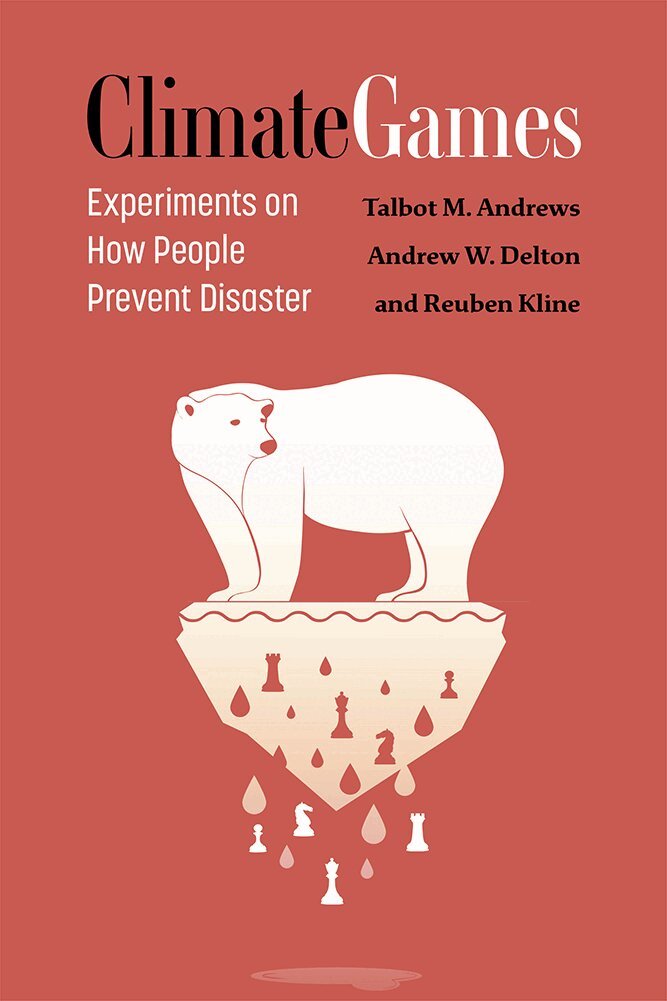
Can humanity work together to mitigate the effects of climate change? Climate Games argues we can. This book brings together a decade and a half of experimentation, conducted by researchers around the world, which shows that people can and will work together to prevent disasters like climate change. These experiments, called economic games, put money on the line to create laboratory disasters. Participants must work together by spending a bit of money now to prevent themselves from losing even more money in the future. Will people sacrifice their own money to prevent disaster? Can people make wise decisions? And can people decide wisely on behalf of others? The answer is a resounding yes. Yet real climate change is a complex social dilemma involving the world’s nearly eight billion inhabitants. In the real world, the worst effects of climate change are likely to be felt by developing countries, while most of the decisions will be made by rich, industrialized countries. And while the world as a whole would be better off if all nations reduced their greenhouse gas emissions, any given nation could decide it would be even better off if it continued emitting and let other nations take care of the problem. These disaster experiments test how real people respond to climate change’s unique constellation of challenges and deliver a positive message: People will prevent disaster.
1 058 kr
Skickas inom 7-10 vardagar
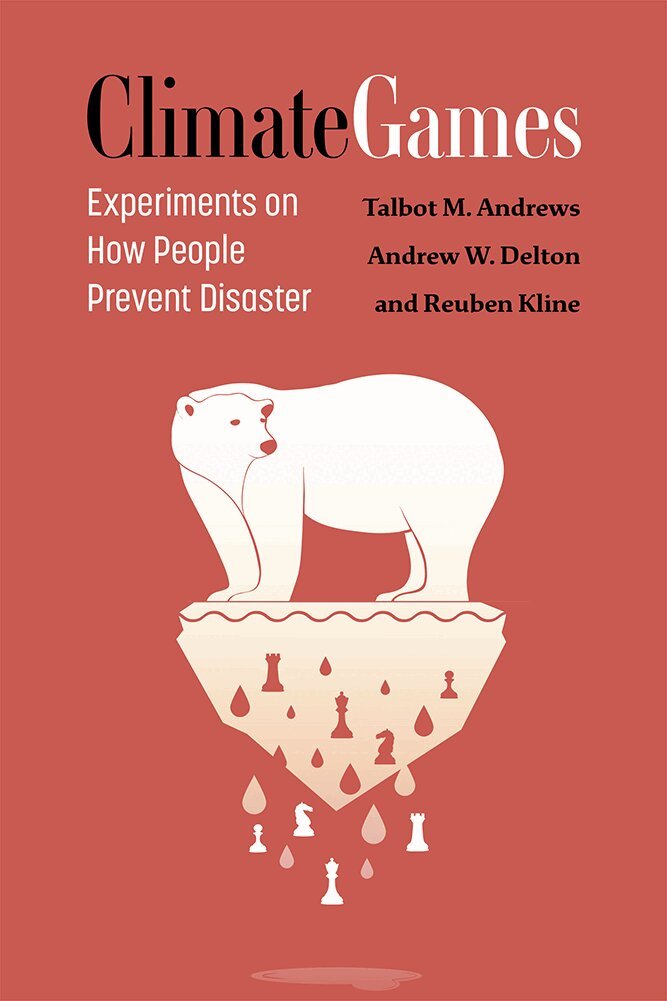
Can humanity work together to mitigate the effects of climate change? Climate Games argues we can. This book brings together a decade and a half of experimentation, conducted by researchers around the world, which shows that people can and will work together to prevent disasters like climate change. These experiments, called economic games, put money on the line to create laboratory disasters. Participants must work together by spending a bit of money now to prevent themselves from losing even more money in the future. Will people sacrifice their own money to prevent disaster? Can people make wise decisions? And can people decide wisely on behalf of others? The answer is a resounding yes. Yet real climate change is a complex social dilemma involving the world’s nearly eight billion inhabitants. In the real world, the worst effects of climate change are likely to be felt by developing countries, while most of the decisions will be made by rich, industrialized countries. And while the world as a whole would be better off if all nations reduced their greenhouse gas emissions, any given nation could decide it would be even better off if it continued emitting and let other nations take care of the problem. These disaster experiments test how real people respond to climate change’s unique constellation of challenges and deliver a positive message: People will prevent disaster.
753 kr
Skickas inom 7-10 vardagar
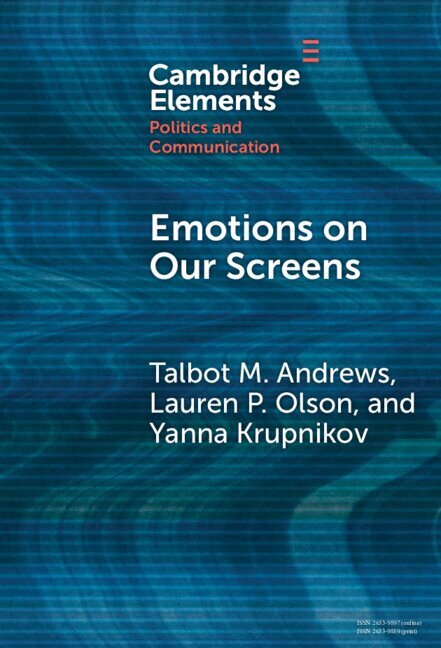
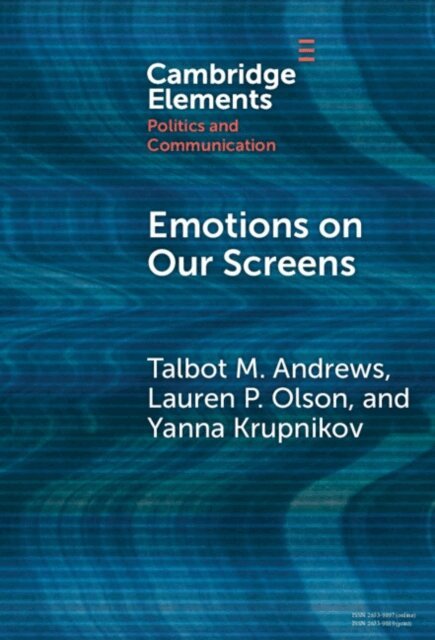
While scholars have long considered how political messages make people feel, changes in the media environment have given people unprecedented access to the expressed emotions of others. Through both contemporary news stories and social media, people now learn how others - often strangers - feel about political events. Do people believe in the sincerity of these expressed emotions? To answer this question, we turn to expressions about one of the most pressing issues of our time: climate change. We begin with a theoretic framework of the way people perceive mediated emotional expression. Then, across six pre-registered experiments, we find people are generally skeptical of others' emotional expression - perceiving emotional posts and quotes less authentic and appropriate than more neutral content. While evaluations vary by platform, our results suggest that emotions online aren't always taken at face value - complicating the role of these expressed emotions in political communication.
234 kr
Skickas inom 7-10 vardagar
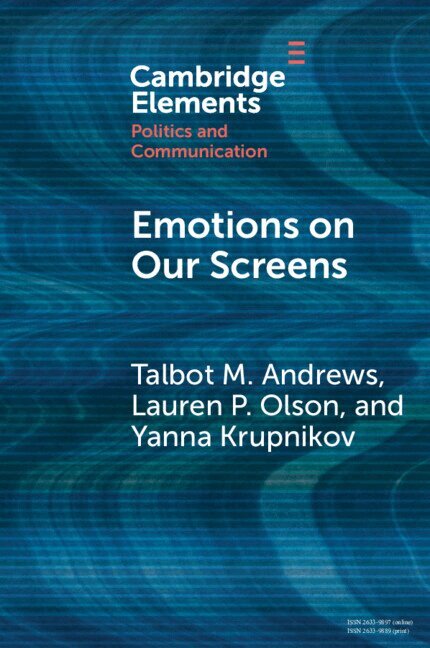
While scholars have long considered how political messages make people feel, changes in the media environment have given people unprecedented access to the expressed emotions of others. Through both contemporary news stories and social media, people now learn how others - often strangers - feel about political events. Do people believe in the sincerity of these expressed emotions? To answer this question, we turn to expressions about one of the most pressing issues of our time: climate change. We begin with a theoretic framework of the way people perceive mediated emotional expression. Then, across six pre-registered experiments, we find people are generally skeptical of others' emotional expression - perceiving emotional posts and quotes less authentic and appropriate than more neutral content. While evaluations vary by platform, our results suggest that emotions online aren't always taken at face value - complicating the role of these expressed emotions in political communication.