Tamas Juhasz - Böcker
Visar alla böcker från författaren Tamas Juhasz. Handla med fri frakt och snabb leverans.
2 produkter
2 produkter
1 544 kr
Skickas inom 10-15 vardagar
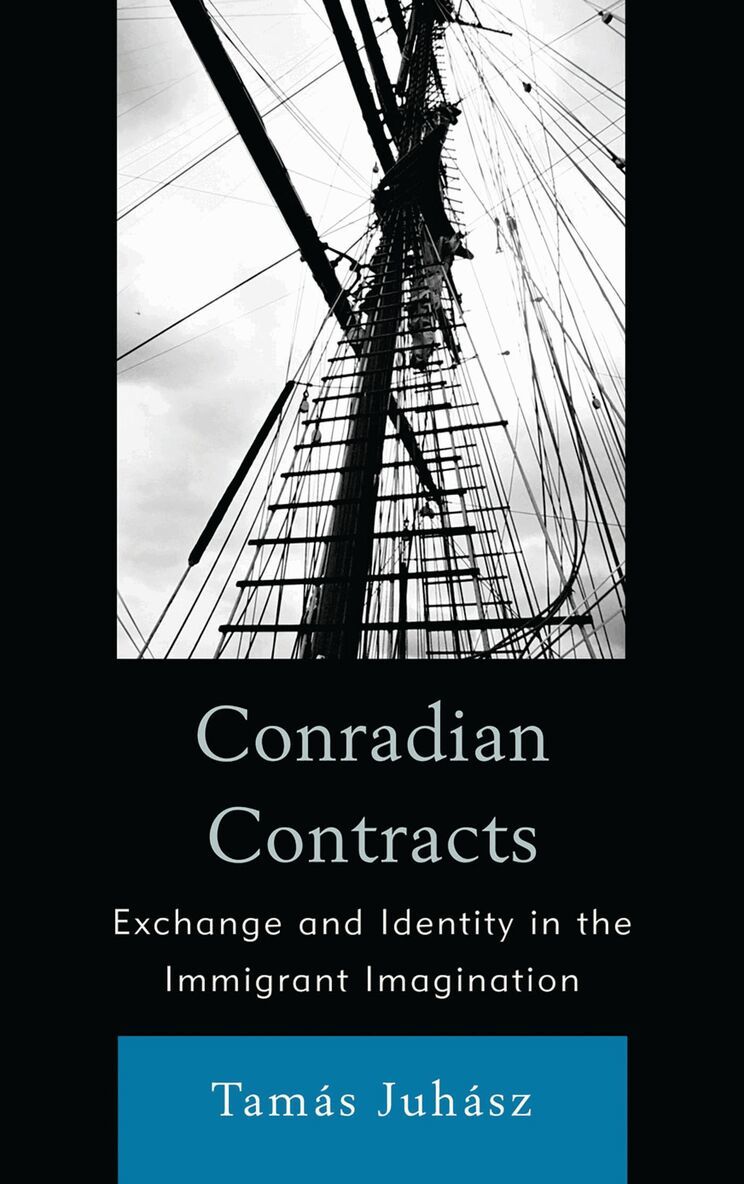
This book treats Joseph Conrad's simultaneous interests in exchange, contracts, and the condition of displacement. The central hypothesis is that the novelist's characters face the option of signing or rejecting what might, with some generalization, be called a social covenant. These individuals conduct a lonely or marginal existence and, to ease their isolation, they would like to (re)enter a community. For this reason, they are ready to contribute to larger collective causes and comply with those restrictions that social life, in its contractual aspect, requires. As Julia Kristeva puts it, "The foreigner is the one who works," yet engagement in transactions in order to earn a social position is fraught with difficulties. In return for their contribution, these hard-working characters do not always receive the compensation that they had in mind, especially when their definition of companionship violates the boundaries of legality and social propriety. Their private, illicit interests are bound to clash with communal ones, and the ensuing negotiating, readjustment, or compromise-seeking either crush the individual party or result in a redefinition of the notion of contract.This link between exchange and displacement is explored in nine narratives. Just as the concept of exile is used in a broad, often metaphorical sense (ranging from characters who are actual migrants through individuals who occupy a marginal position within their native community to individuals who are caught between conflicting cultural-economic models), the trade or contractual alliance that can create, or at least promise, a sense of communal belonging and personal recognition is also manifold in its definition. Although it always includes, if to varying degrees, the transference of economic goods or entering a specific agreement, exchange is never limited to legal-material procedures.
932 kr
Skickas inom 5-8 vardagar
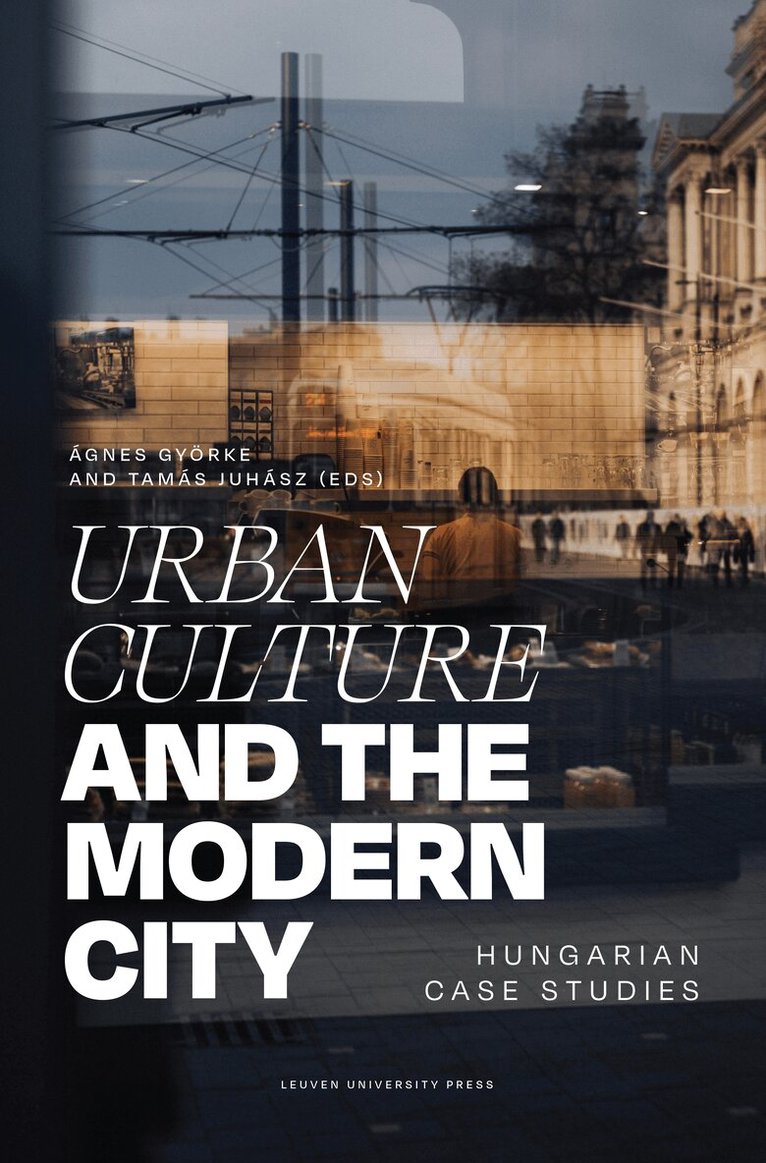
Hungarian urban culture in the 20th and the 21st centuries.When consulting key works on urban studies, the absence of Central and Eastern European towns is striking. Cities such as Vienna, Budapest, Prague, and Trieste, where such notable figures as Freud, Ferenczi, Kafka, and Joyce lived and worked, are rarely studied in a translocal framework, as if Central and Eastern Europe were still a blind spot of European modernity. This volume expands the scope of literary urban studies by focusing on Budapest and Hungarian small towns, offering in-depth analyses of the intriguing link between literature, the arts, and material culture in the 20th and 21st centuries. The case studies situate Hungarian urban culture within the global flow of ideas as they explore the period of modernism, the mid-century, and the post-1989 era in a context that moves well beyond the borders of the country.Contributors: Árpád Bak (University of Leeds), Éva Federmayer (Eötvös Loránd University), Magdolna Gucsa (Eötvös Loránd University / ÉHESS), Ágnes Györke (Károli Gáspár University), Ferenc Hörcher (Eötvös József Research Centre), Tamás Juhász (Károli Gáspár University), György Kalmár (University of Debrecen), László Munteán (Radboud University), Ágnes Klára Papp (Károli Gáspár University), Márta Pellérdi (Pázmány Péter Catholic University), Eszter Ureczky (University of Debrecen).This publication is GPRC-labeled (Guaranteed Peer-Reviewed Content).This book will be made open access within three years of publication thanks to Path to Open, a program developed in partnership between JSTOR, the American Council of Learned Societies (ACLS), University of Michigan Press, and The University of North Carolina Press to bring about equitable access and impact for the entire scholarly community, including authors, researchers, libraries, and university presses around the world. Learn more at https://about.jstor.org/path-to-open/Listen to an interview with Ágnes Györke and Tamás Juhász at New Books Network: https://newbooksnetwork.com/urban-culture-and-the-modern-city