Tamlyn Avery - Böcker
Visar alla böcker från författaren Tamlyn Avery. Handla med fri frakt och snabb leverans.
3 produkter
3 produkter
1 311 kr
Skickas inom 3-6 vardagar
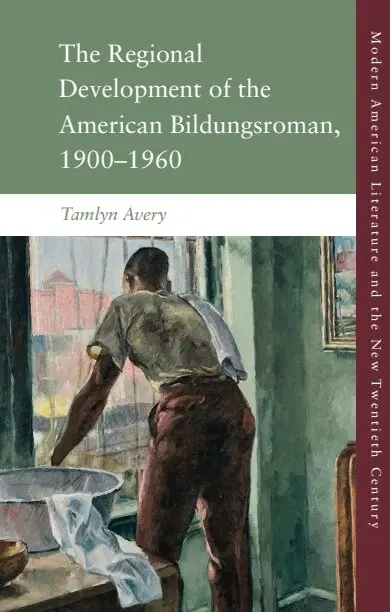
The first book to examine the historical transformations of the American Bildungsroman through the lens of regionExamines the history of the American Bildungsroman's twentieth century transformations, outlining how the asymmetrical effects of capitalism's uneven development forced novelists to rethink the genre's soul-nation allegory through the lens of regionMaps examples from four notable regional variations on the novel of uneven development, including: the naturalist novel of overdevelopment in the Midwest; the development of the regional artist narrative in the Northeast; the novel of underdevelopment in the South; and the arrested development in the nation's borderlands in the SouthwestWhy did the Bildungsroman, defined as the novel of development, and its protagonist Youth, become the symbolic form of the U.S.'s cultural preoccupation with regional difference amidst the nation's rapid but uneven development c.1900 1960? As a genre that historically represented the young individual's development in national-historical time, the Bildungsroman became one crucial means of configuring the culturally, politically, and economically asymmetrical effects of national modernization and the U.S.'s political ascendence within the capitalist world-system. Responding to that predicament, the novel of uneven development rose to salience, led by its protagonist, the unfixed youth, whose development within the national-historical time of Americanization is unsettled by their preoccupation with regional difference: an immobilizing entanglement I call American literature's regional complex. This book maps four prominent variations across the Midwest, Northeast, South, and Southwest that responded to that uneven development, fragmenting, and ultimately denying the Bildungsroman's consolidation into a coherent nationalist form
372 kr
Skickas inom 7-10 vardagar
Why did the Bildungsroman, defined as the novel of development, and its protagonist Youth, become the symbolic form of the U.S.’s cultural preoccupation with regional difference amidst the nation’s rapid but uneven development c.1900–1960? As a genre that historically represented the young individual’s development in national-historical time, the Bildungsroman became one crucial means of configuring the culturally, politically, and economically asymmetrical effects of national modernization and the U.S.’s political ascendence within the capitalist world-system. Responding to that predicament, the novel of uneven development rose to salience, led by its protagonist, the unfixed youth, whose development within the national-historical time of Americanization is unsettled by their preoccupation with regional difference: an immobilizing entanglement I call American literature’s regional complex. This book maps four prominent variations across the Midwest, Northeast, South, and Southwest that responded to that uneven development, fragmenting, and ultimately denying the Bildungsroman’s consolidation into a coherent nationalist form.
1 621 kr
Skickas inom 10-15 vardagar
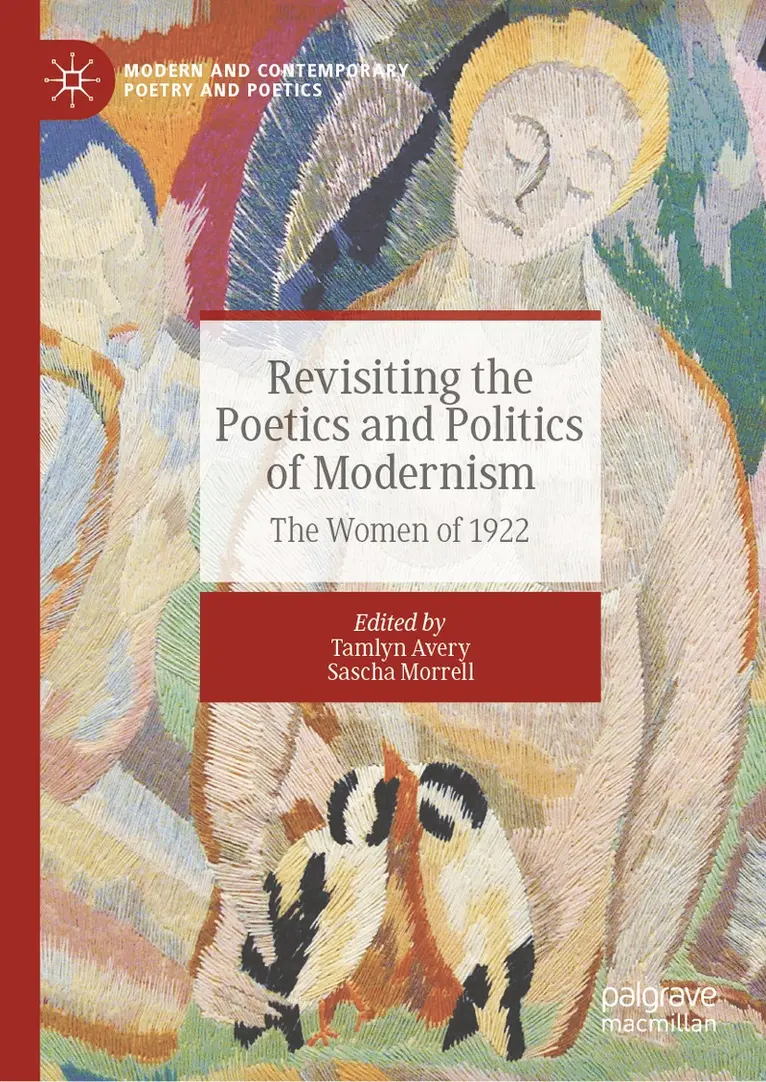
This book revisits women’s literature in 1922, long hailed as the miracle year of literary modernism, a landmark year of avant-garde innovations in publications that included James Joyce’s Ulysses, T. S. Eliot’s The Waste Land, and Ezra Pound’s The Cantos. Yet if 1922 has been considered a modernist annus mirabilis, it was many things besides. In “1922 or thereabouts,” according to Willa Cather, the literary “world broke in two,” sequestering traditional writers from those considered modern. Many women writers produced work that year across a spectrum of genres, forms, and politics that would not be accepted into Hugh Kenner’s modernist canon. Nor, however, did they readily fit into Cather’s categories, in some cases rupturing, and in other cases affirming a consensus of modernism as a masculinist, culturally imperialist interwar enterprise. Considering 1922’s historical significance, the essays in this collection seek greater inclusion of women in our memory of this year, including writers from a range of global and regional contexts and cultural backgrounds. Extending other attempts to examine the gender politics of modernism/modernity over the past thirty years, the project draws connections between the significance of 1922, as it has been understood in the new modernist studies, and feminist literary criticism that utilizes single-year approaches, to revisit and reflect on women’s history and the gender politics of modernism.