Terence Dooley – författare
Visar alla böcker från författaren Terence Dooley. Handla med fri frakt och snabb leverans.
15 produkter
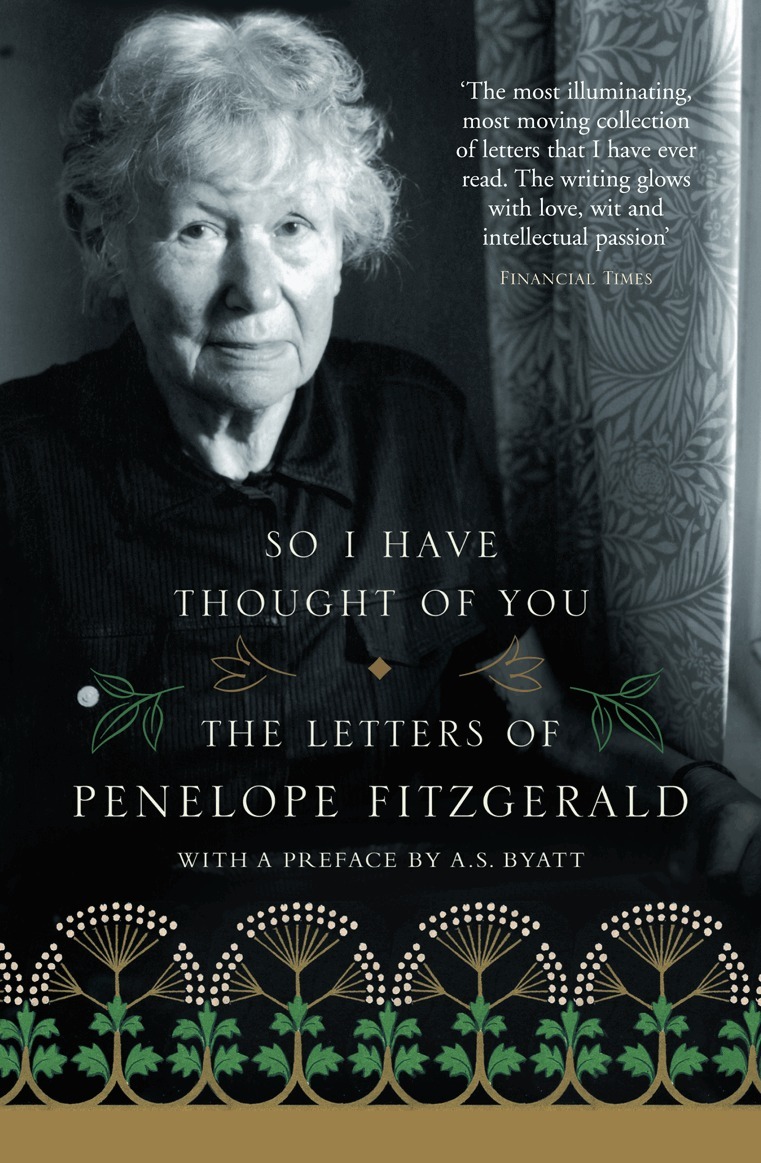
So I Have Thought of You
The Letters of Penelope Fitzgerald
Av Penelope Fitzgerald, Terence Dooley
Häftad, 2009
172 kr
Lägg i varukorg
A fascinating collection of letters from the great English novelist – and prolific correspondent – Penelope Fitzgerald.Acclaimed for her exquisitely elegant novels – including the Booker Prize-winning ‘Offshore’ – and superb biographies, Penelope Fitzgerald was one of the finest British authors of …
So I Have Thought of You
The Letters of Penelope Fitzgerald
Av Penelope Fitzgerald, Terence Dooley
E-bok, 2010
142 kr
Lägg i varukorg
A fascinating collection of letters from the great English novelist – and prolific correspondent – Penelope FitzgeraldAcclaimed for her exquisitely elegant novels – including the Booker Prize-winning `Offshore’ – and superb biographies, Penelope Fitzgerald was one of the most admired authors in …
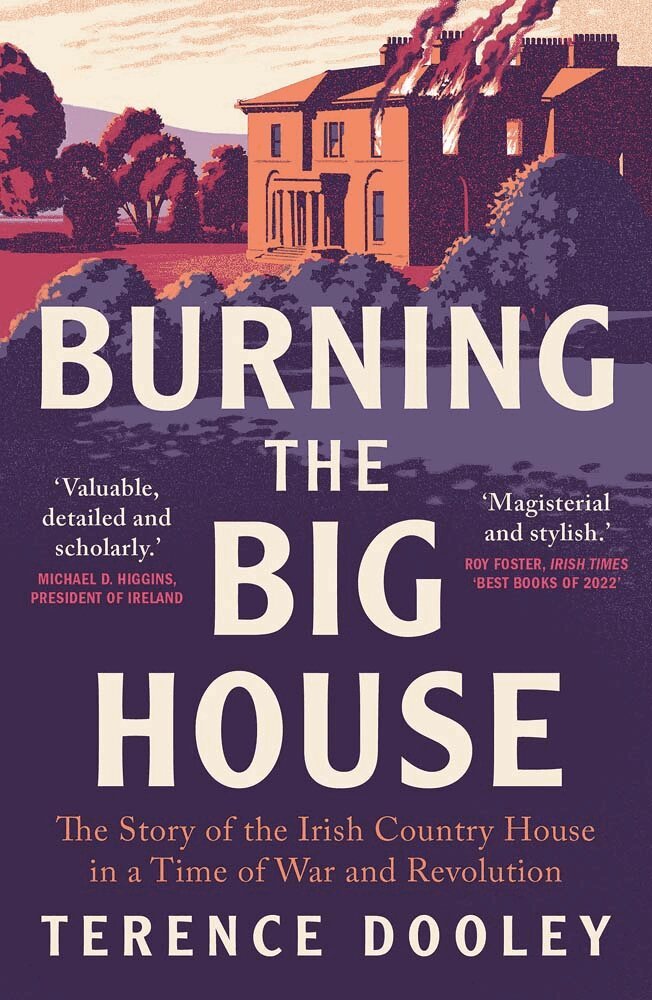
Burning the Big House
The Story of the Irish Country House in a Time of War and Revolution
Häftad, 2023
166 kr
Lägg i varukorg
The gripping story of the tumultuous destruction of the Irish country house, spanning the revolutionary years of 1912 to 1923During the Irish Revolution nearly three hundred country houses were burned to the ground. These “Big Houses” were powerful symbols of conquest, plantation, and colonial …
intellectual world of the Country House in Ireland and Britain
Av Terence Dooley, Christopher Ridgway
Inbunden, 2024
794 kr
Lägg i varukorg
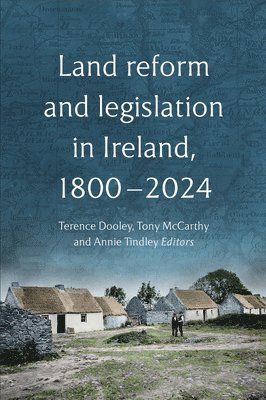
Land reform and legislation in Ireland, 1800-2024
Av Terence Dooley, Tony McCarthy m. fl.
Inbunden, 2024
637 kr
Lägg i varukorg
This volume explores the provenance, mechanisms and impact of land legislation and land reform in Ireland from the 1800 to 2024, one of the dominant issues in Irish politics, society, economy and culture through the whole period.
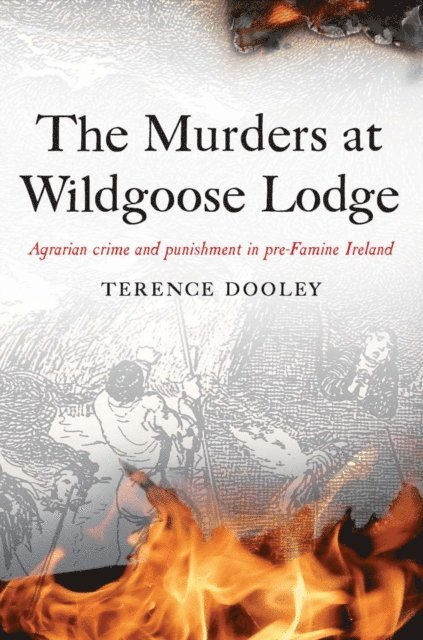
Murders at Wildgoose Lodge
Agrarian Crime and Punishment in Pre-Famine Ireland
E-bok, 2008
204 kr
Lägg i varukorg
On the night of 29-30 October 1816 eight people were murdered by burning to death in a house known as Wildgoose Lodge in a remote part of County Louth, four miles from Ardee, nine miles from Dundalk and four miles from Carickmacross in County Monaghan. The perpetrators, who all belonged to a local …
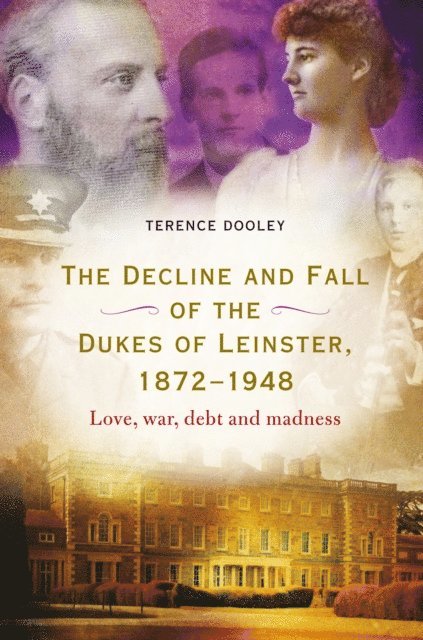
decline and fall of the dukes of Leinster, 1872-1948
Love, war, debt and madness
E-bok, 2014
280 kr
Lägg i varukorg
This book tells the story of the decline and fall of Ireland's premier aristocratic family - the dukes of Leinster - who, for almost 300 years, lived amidst glorious splendour in their grand Palladian mansion, Carton House, Co. Kildare. From the 1870s they were engulfed by public and private …
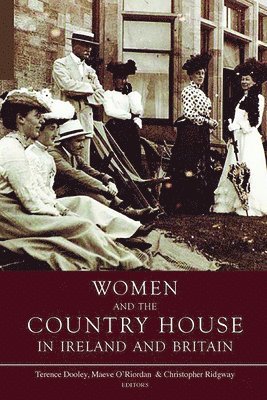
Women and the Country House in Ireland and Britain
Av Terence Dooley, Christopher Ridgway m. fl.
Häftad, 2017
400 kr
Lägg i varukorg
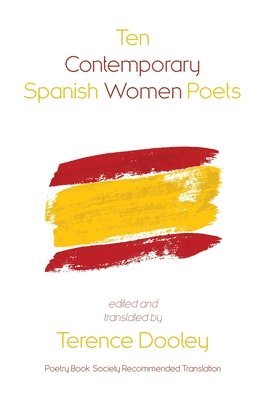
Ten Contemporary Spanish Women Poets
Häftad, 2020
217 kr
Lägg i varukorg
"'Down from the mountain they forbade us swarm frantic men, brandishing their manuals of transcendental reason.' The mountain is of course Mount Olympus, and the frantic men Spain's all-male poetry establishment bent on excluding women from all their activities. 'Not to confront them,' continues …
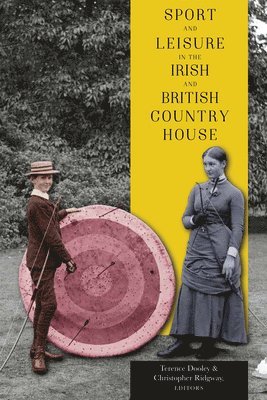
Sport and leisure in the Irish and British country house
Av Terence Dooley, Christopher Ridgway
Häftad, 2019
400 kr
Tillfälligt slut
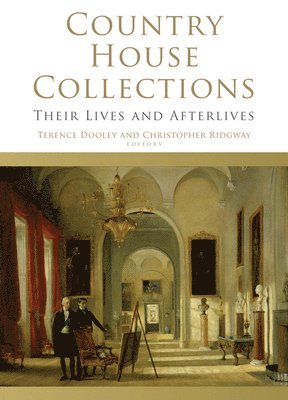
Country House Collections
Their Lives and Afterlives
Av Terence Dooley, Christopher Ridgway
Inbunden, 2021
715 kr
Tillfälligt slut
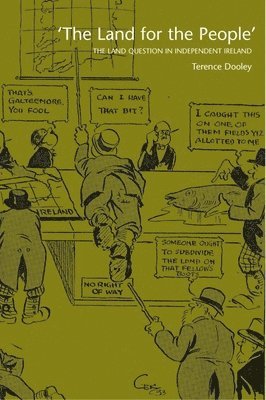
Land for the People
Inbunden, 2004
434 kr
Tillfälligt slut
While the land question from the mid-Victorian period to the eve of the First World War plays a prominent role in Irish historiography, historians have tended to overlook its importance in post-independence Ireland and have generally assumed that there was no land question after 1922. Terence …
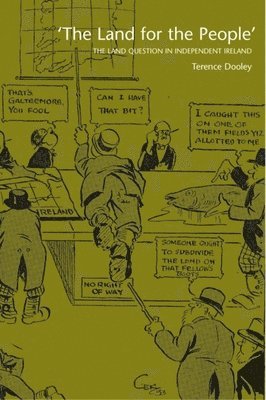
Land for the People
Häftad, 2004
410 kr
Tillfälligt slut
While the land question from the mid-Victorian period to the eve of the First World War plays a prominent role in Irish historiography, historians have tended to overlook its importance in post-independence Ireland and have generally assumed that there was no land question after 1922. Terence …
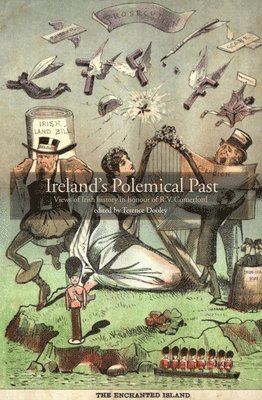
Ireland's Polemical Past
Views of Irish History in Honour of R.V. Comerford
Inbunden, 2010
742 kr
Tillfälligt slut
How societies use the past is one of their most revealing traits. Using this insight "Ireland's Polemical Past" examines how the inhabitants of nineteenth and twentieth-century Ireland plundered their pasts for polemical reasons. The ten essays explore how revolutionaries, politicians, churchmen, …